
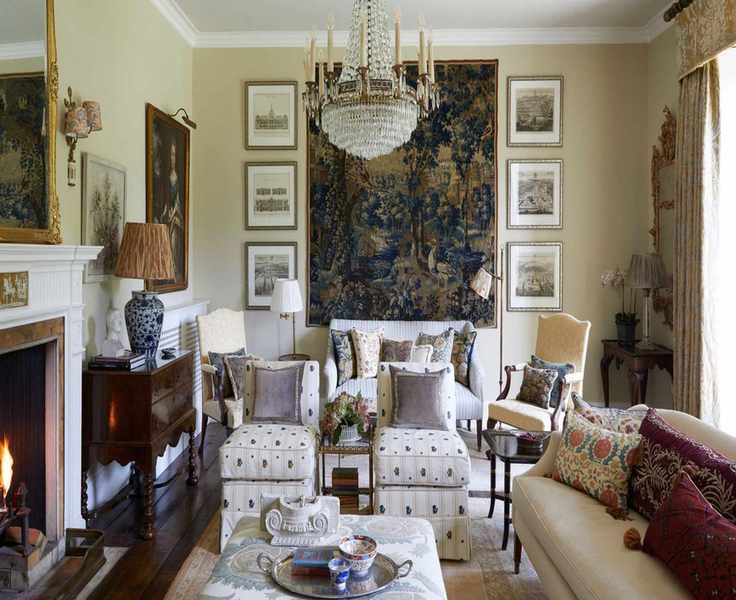
This year, there's a growing fascination with vintage tapestries, a trend that's rooted in the desire for rich atmospheres in our homes. Rather than merely filling walls, these pieces create layered, inviting environments.
Tapestries, once vital for warmth and sound absorption in large halls, are being rediscovered as elements that enrich our living spaces. They help to soften and add dimension to modern interiors.
While medieval tapestries often take center stage, they are just one aspect of a broader textile tradition. From Flemish verdure to Central Asian suzanis, these textiles serve a shared purpose: transforming walls into vibrant, tactile displays.
A Brief History of Tapestries
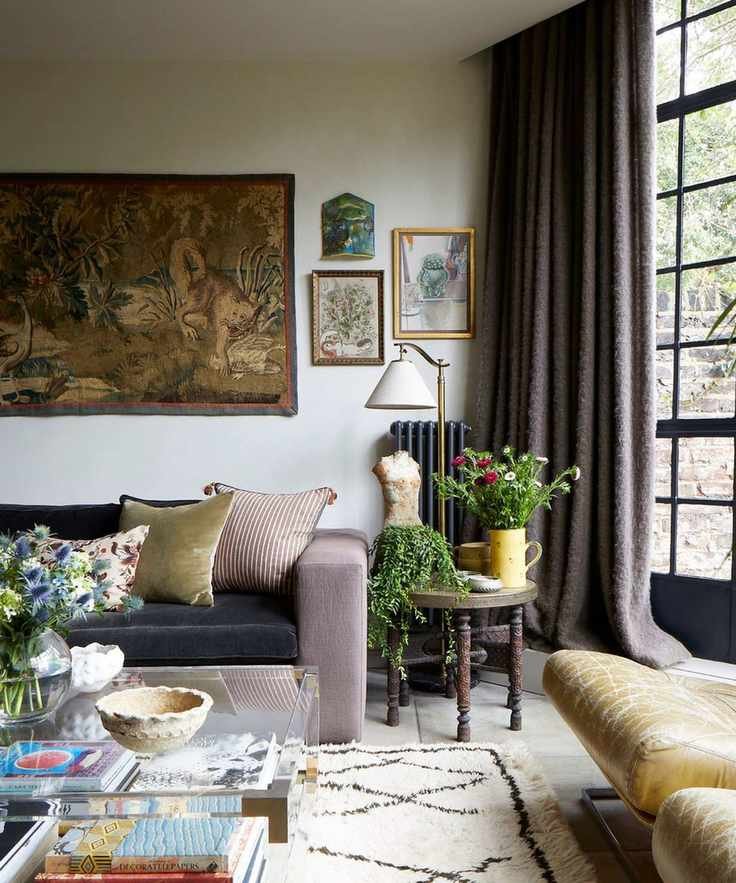
Tapestries have long been a means of storytelling within interiors. Before the advent of wallpaper or framed art, they played a crucial role in converting cold, drafty spaces into warm havens. Throughout medieval Europe and the Renaissance, they were both art and architectural elements, easily transported and hung according to the needs of the moment.
Henriette von Stockhausen, from VSP Interiors, refers to them as the first mobile decor, evolving as they traveled from home to home. Georgina Cave, creative director at Cave Interiors, points out that these artworks were frequently rolled and relocated, emphasizing their dynamic nature.
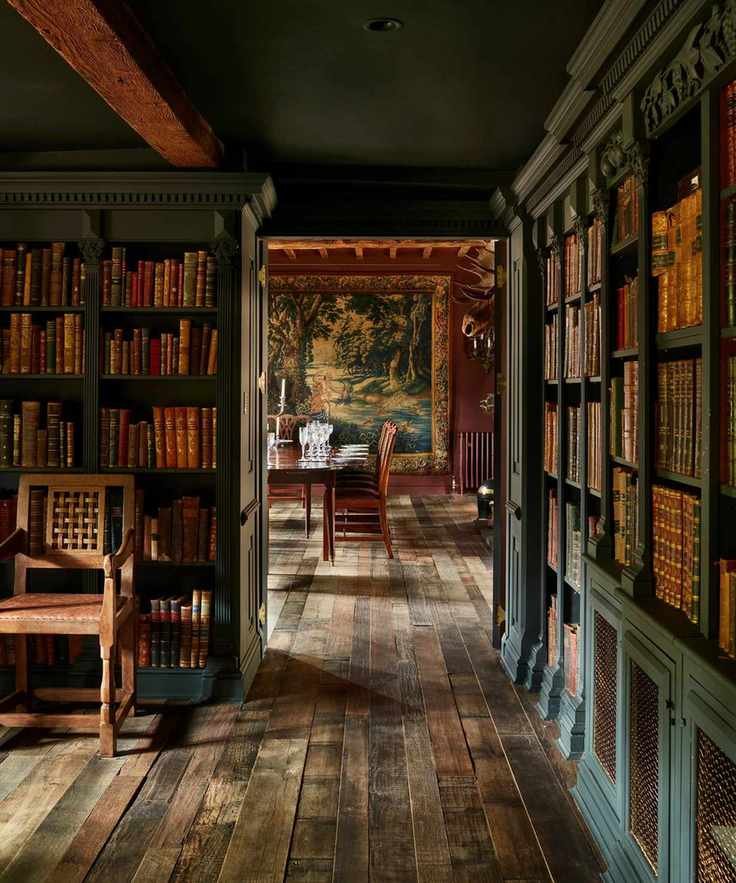
Across various cultures, tapestries have always focused on storytelling. From Aubusson pieces depicting pastoral scenes to Central Asian suzanis adorned with intricate patterns, they reflect cultural beliefs, local flora, and domestic life. Verdure tapestries, showcasing lush landscapes, were particularly valued for their serene beauty, bridging the gap between indoor and outdoor environments long before biophilic design became popular.
Designer Fleur Liversidge notes that historically, tapestries acted as a visual language, conveying myths and narratives, while also requiring a painstaking creation process. Textile artist Chloe Jonason adds that they are cultural records, with every stitch reflecting the rhythm of life and often embellished with luxurious materials to signify wealth and power.
Why Vintage Tapestries Are Superior
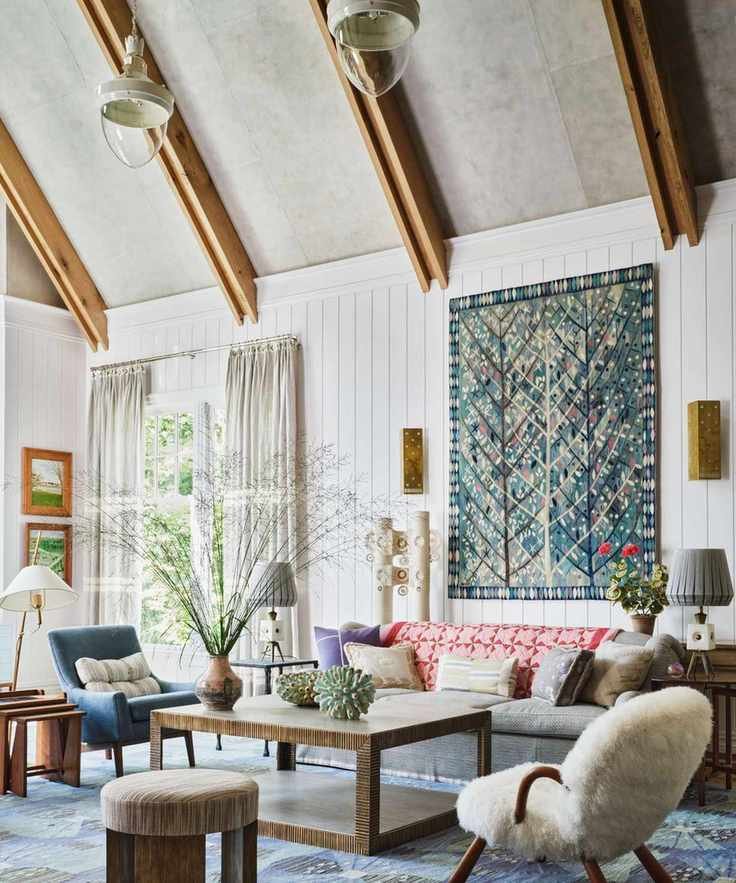
While modern reproductions may resemble tapestries, they often fall short in depth and character. Vintage pieces possess a tactile richness developed over time: wool that has settled, silk that reflects light in unique ways, and colors that have matured rather than faded.
Designer Jessica Jubelirer describes antique tapestries as functional art, refined over generations to offer both beauty and utility. Their density provides a presence that contemporary wall coverings often lack. She emphasizes that older tapestries carry more stories.
Visible wear, such as thinning or mended edges, tells a story of resilience rather than imperfections. Fleur Liversidge explains that these signs of age contribute to the piece's narrative, enhancing its character and authenticity. In contrast to new textiles, vintage tapestries bring historical depth and perspective to a room.
Moreover, there's an ecological argument for choosing vintage. These handcrafted textiles were designed to endure, made from natural materials using methods that emphasize sustainability. Their continued use promotes a culture of repair and reuse.
Finding and Purchasing Vintage Tapestries
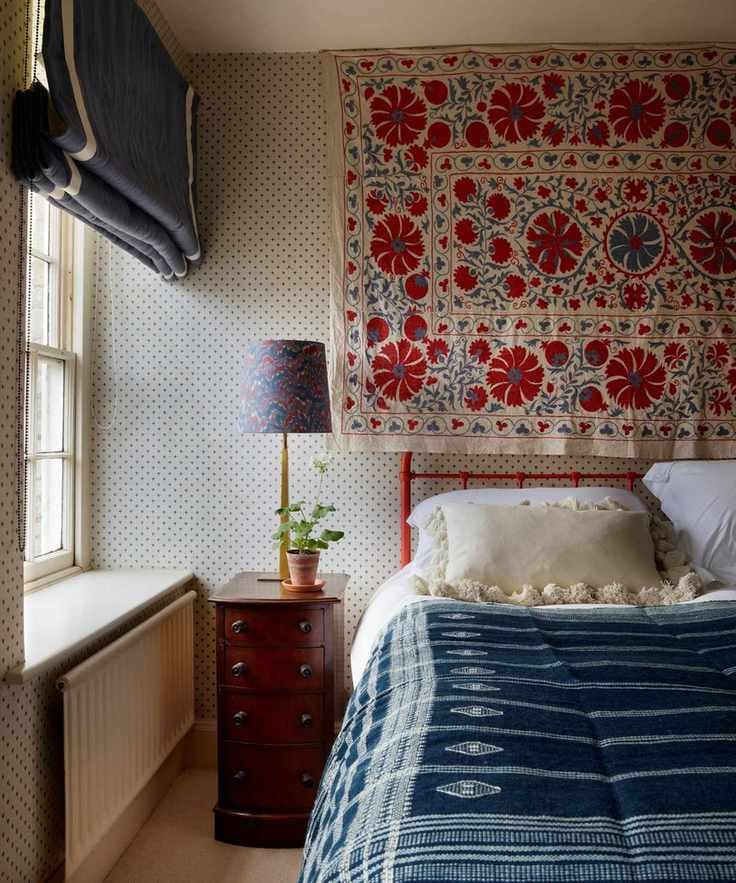
When looking for a vintage tapestry, focus on integrity rather than perfection. Assess the weaving quality, stable edges, and signs of thoughtful repairs. While fading or mending can enhance a tapestry's story, it should still be in a condition that promises longevity. Color is often a deciding factor; designer Joanna Plant notes that antique tapestries can feature surprisingly vibrant hues, particularly verdure combinations that can inspire an entire decor scheme.
For Jessica, sourcing is about building relationships. She enjoys discovering tapestries during her travels and maintains connections with renowned dealers who offer stunning vintage options.
Accessibility is also crucial. Georgina Cave highlights that exceptional pieces can be found through various antique dealers, reminding us that outstanding finds aren't limited to any specific market segment.
Chloe Jonason underscores the importance of knowledgeable sourcing, advising to work with reputable dealers and small suppliers who appreciate the history behind their items. She loves uncovering tapestries with unique colors, rare designs, or intricate embroidery that showcase skilled craftsmanship.
Styling Vintage Tapestries in Modern Homes
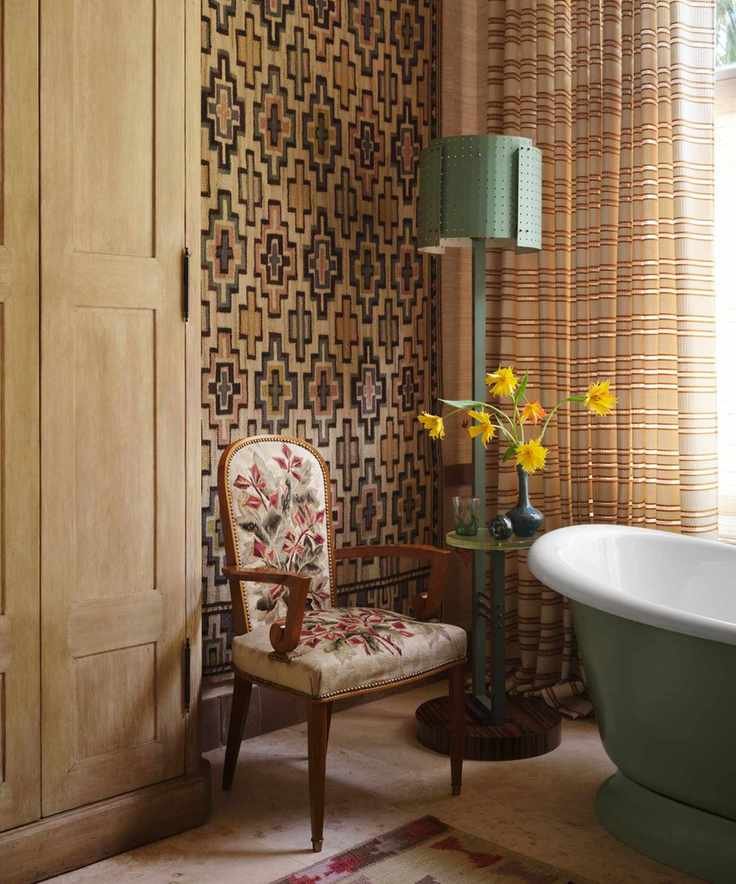
Tapestries shine when treated as structural components rather than mere decorations. Their size, texture, and visual weight can quickly define a room, whether hung in a traditional manner or displayed more innovatively.
When hung, proportions are important. A large tapestry can anchor a space, absorbing sound and giving expansive walls a sense of purpose. Smaller pieces, such as suzanis, work well above beds or sofas, where their details can be closely appreciated. Chloe suggests a relaxed approach, like draping one over a sofa or laying a suzani at the foot of a bed for a layered, cozy feel.
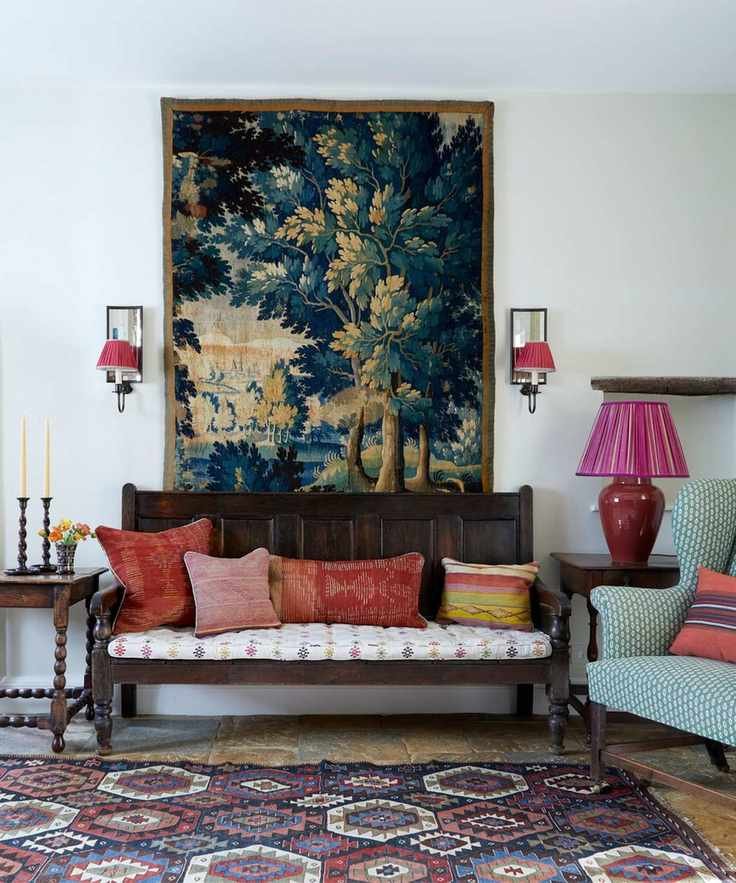
Designers are increasingly opting for hanging methods that keep tapestries dynamic and accessible rather than fixed like standard artworks. Plant favors brass poles for their versatility, especially in areas without direct sunlight to protect the fabric. Cave Interiors uses tapestries as focal points to set the mood, allowing their presence to influence the overall design.
Beyond just walls, tapestries can also serve as innovative space definers, such as using them to conceal televisions. VSP Interiors frequently employs antique tapestries as curtains or room dividers, enhancing depth and warmth in spacious rooms.
Ultimately, the revival of medieval styles has rekindled an appreciation for walls as more than static surfaces. Tapestries add historical richness and softness, reaffirming their role in shaping spaces while providing unique textures. Made with care and adaptable to various settings, they introduce a tangible quality to contemporary interiors.
Discover Vintage Tapestries
Better Vintage celebrates timeless pieces that enhance our living spaces. Each exploration reveals the enduring beauty and craftsmanship of vintage items, showcasing their unique stories and practical styling tips.



