
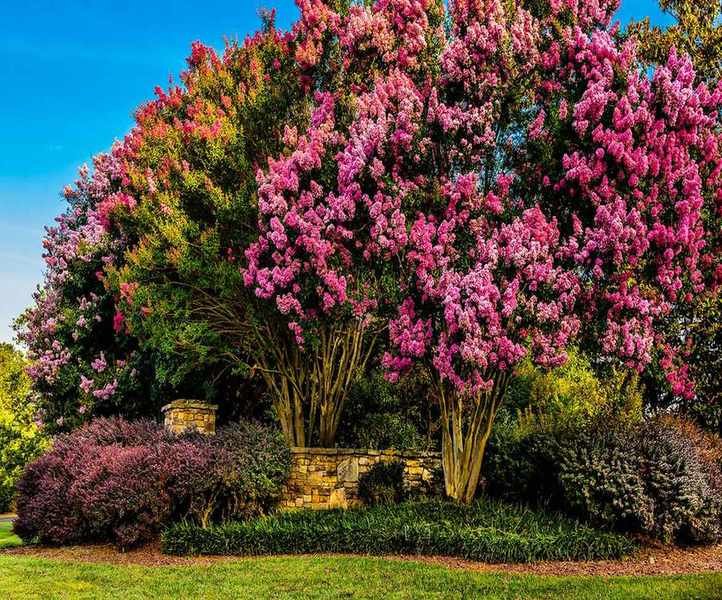
If you find your crepe myrtle isn't producing blooms, it's essential to explore the factors that could be hindering its growth.
Known scientifically as Lagerstroemia, the crepe myrtle is a flexible plant, thriving as both a tree and a decorative shrub, enhancing your garden's beauty.
This plant showcases clusters of stunning flowers with a unique crepe-like texture, typically available in shades of pink, purple, or white, blooming from late spring through summer.
'Crepe myrtles are striking flowering trees during warm months,' notes a gardening expert. 'They also display lovely fall foliage. Their sturdy branches make them ideal for container growth, too.'
Experiencing a crepe myrtle without blooms is common. Here's a seven-step guide to help you identify why your cherished tree isn't flowering.
Reasons Your Crepe Myrtle May Not Be Blooming
Even though crepe myrtles are generally resilient plants, various factors can hinder their blooming.
Firstly, ensure your crepe myrtle is in the right climate. 'Originally from Southern Asia and Oceania, these trees adapt well to various regions but thrive best in USDA hardiness zones 6-10, particularly in zones 7-9,' an expert explains.
Additionally, understanding how to prune your crepe myrtle is crucial for proper care.
As long as the climate is suitable, diagnosing the lack of blooms should be manageable.
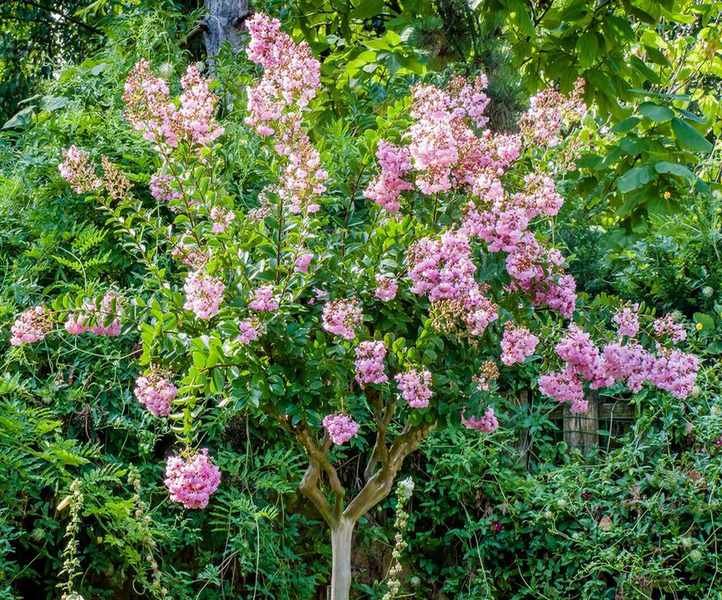
1. Your Tree is Too Young
If your crepe myrtle is still young, it might not bloom yet—it typically takes 3-5 years for a tree to mature enough to flower.
This may seem lengthy, but remember these trees can take 5-10 years to fully mature and up to 50 years to reach their full height. 'Crepe myrtles are a long-lasting addition to your garden that will be enjoyed for many years,' the expert adds.
Keep in mind that trees from nurseries are often a few years old, so you won't have to wait too long.
2. Insufficient Sunlight
'Crepe myrtles thrive with at least six hours of direct sunlight daily, so ensure your plant is in a suitable location,' advises a gardening specialist.
If shade from nearby trees blocks your crepe myrtle, it won't get the sunlight it needs to flourish.
If it's in a shady area, consider relocating it to a sunnier space during dormancy, preferably in late winter.
3. Inadequate Water Supply
While newly planted crepe myrtles require regular watering in their first year, they become drought-tolerant once established.
However, during extreme drought, they can suffer and may fail to bloom if not watered adequately.
Watch for signs of wilting or yellowing leaves that indicate your tree might be underwatered.
'Water your tree deeply once or twice a month in dry conditions to ensure moisture reaches 12-24 inches deep in the soil,' recommends the expert.
4. Poor Soil Drainage
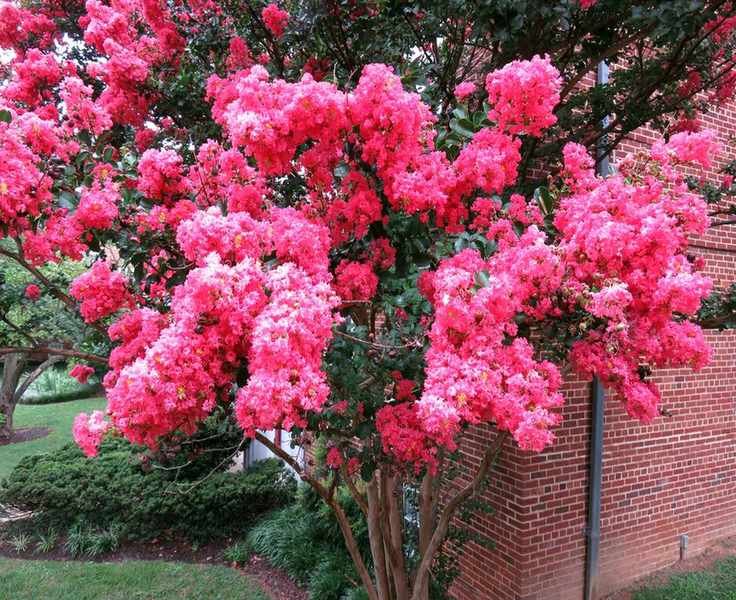
Although crepe myrtles appreciate a good watering, they require well-draining soil and do not tolerate waterlogged conditions.
Fortunately, these trees adapt well to most soil types, except those that retain excessive moisture.
5. Nutrient Deficiency
Proper nutrients are vital for any plant. If your soil lacks the right mix, this could be a primary reason your crepe myrtle isn't blooming.
These shrubs need phosphorus for optimal growth, so applying a slow-release fertilizer in early spring can be beneficial.
A common mistake is using a nitrogen-rich fertilizer, which may hinder flowering. Remember to consider not only the tree but also the surrounding plants when fertilizing.
6. Incorrect Pruning
Crepe myrtles bloom on new growth, so it's important to avoid cutting this off during pruning. Timing is critical; pruning at the wrong time can lead to fewer blooms.
'A frequent reason for no blooms is pruning too late,' warns a gardening expert. 'Never prune after spring growth begins, as you risk removing new buds.'
Instead, prune after flowering or early in spring before blossoms appear. For routine maintenance, focus on removing older branches rather than new growth.
Overcrowded branches in older trees can also lead to fewer blooms. Trim dead branches to improve sunlight exposure and air circulation.
7. Disease Issues
Certain diseases can impact crepe myrtles, and while they're often easy to spot, they can affect blooming.
Sooty mold, which appears as a black film on leaves, is a fungal issue caused by insects feeding on the plant's sap. Common pests include aphids, scale, mealybugs, and whiteflies.
Managing these pests can resolve the issue—use insecticidal soap or natural solutions like neem oil.
Cercospora leaf spot is another fungal problem characterized by brown spots on older leaves, leading to premature leaf drop and stress that can impact flowering. Fortunately, it usually doesn't cause long-term harm.
To prevent cercospora, position your tree in an open, sunny area with good airflow to deter fungal growth.
What Can Help Your Crepe Myrtle Bloom?
To encourage blooming, apply a high-phosphorus, low-nitrogen fertilizer in a slow-release form during early spring. Alternatively, consider regular fertilization throughout the growing season.
Young trees should be fed monthly, while established trees thrive with fertilization every two weeks.



