
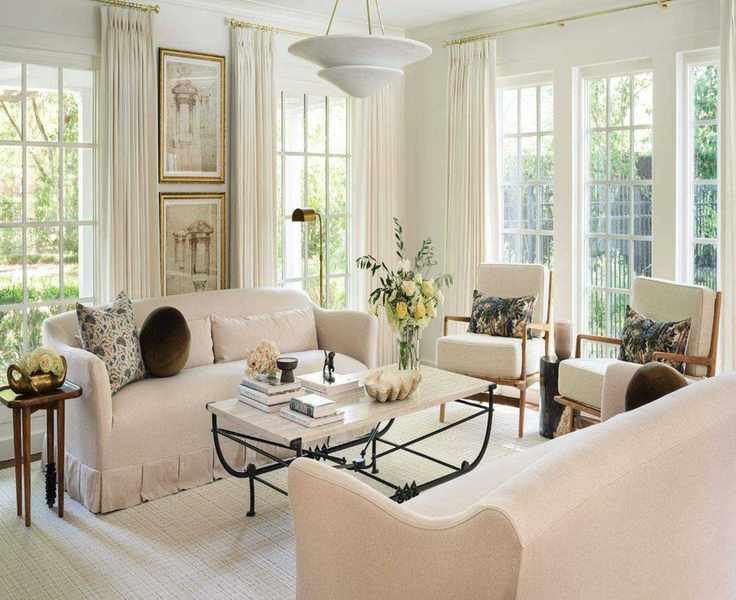
Warm minimalism is redefining interior design, merging minimalist concepts with cozy aesthetics for those who love neutral tones and soft light. This style reimagines traditional minimalism, focusing on warmth and inviting spaces.
Combining minimalist decor with cozy color schemes, this trend infuses texture and personality into spaces, making them feel more lived-in and welcoming. It's a response to the colder, more clinical interiors we've seen in recent years.
Defining 'Warm Minimalism'
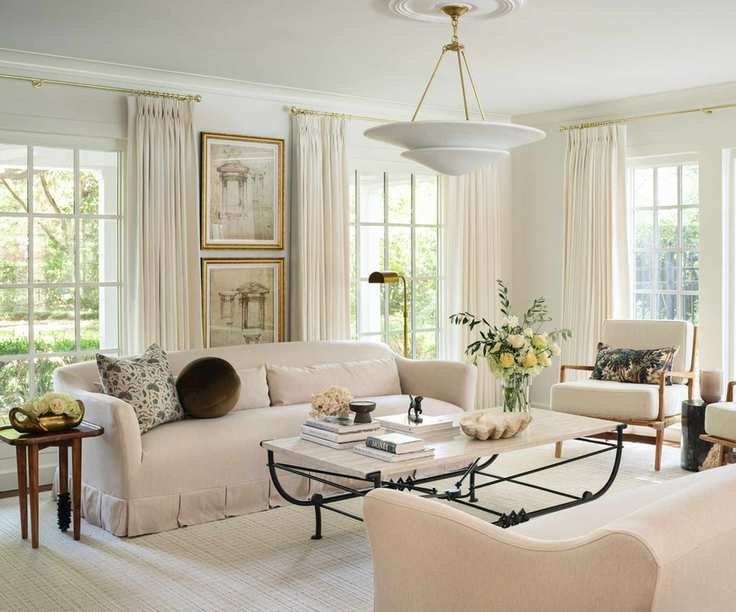
What does warm minimalism entail? Designers explain that it's about softening harsh lines, opting for earthy tones, and emphasizing texture over starkness.
Designer Molly Torres Portnof notes, 'While minimalism can seem cold, warm minimalism merges simplicity with earthy tones, layered textures, and natural materials, creating an inviting and beautiful atmosphere.'
Sean Symington believes this trend is here to stay, emphasizing the importance of creating calm, soulful spaces that feel homey. 'We'll see more of this style in the future,' he predicts.
According to Robin Bird, 'Warm minimalism will be a key theme moving forward, as people embrace cozier choices.'
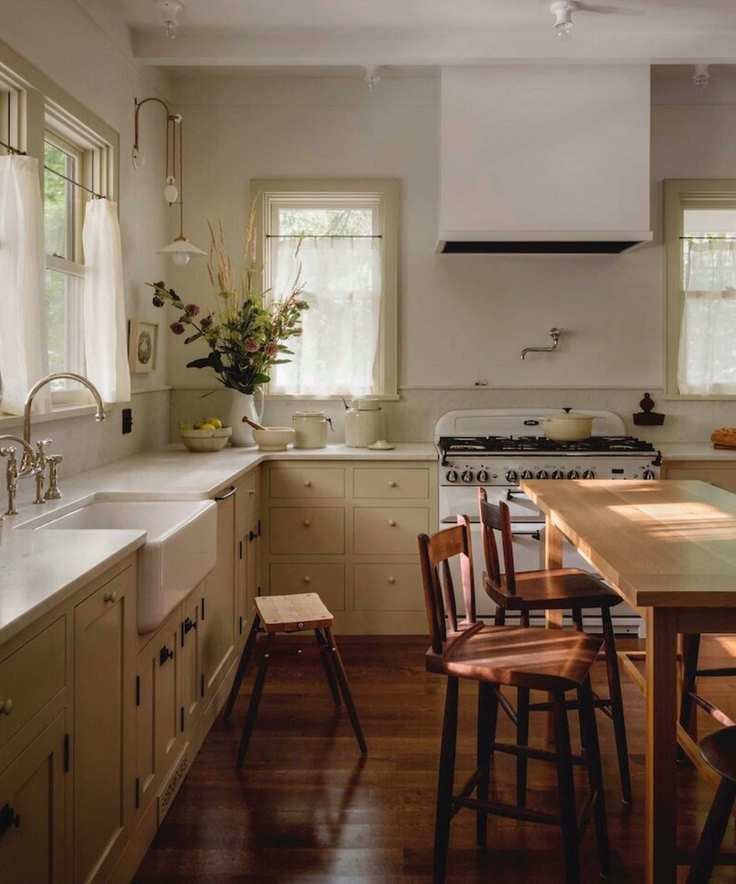
Sara Alexander points out that warm minimalism has gained traction due to people's desire for serene, sanctuary-like spaces amidst chaotic lives. It's about creating environments that feel like a warm embrace.
It's crucial to differentiate warm minimalism from cozy modern styles; while they share similarities, warm minimalism focuses on intentional simplicity without excessive clutter.
Sarah Ellison describes it as an evolution of minimalism, offering a balance of restraint and warmth, which makes spaces feel inviting rather than austere. She believes it's about creating thoughtfully curated spaces.
For Bethany Adams, the essence of warm minimalism is breaking away from the harshness of traditional minimalism, incorporating softer colors and richer materials while maintaining simplicity.
Achieving the Warm Minimalist Aesthetic
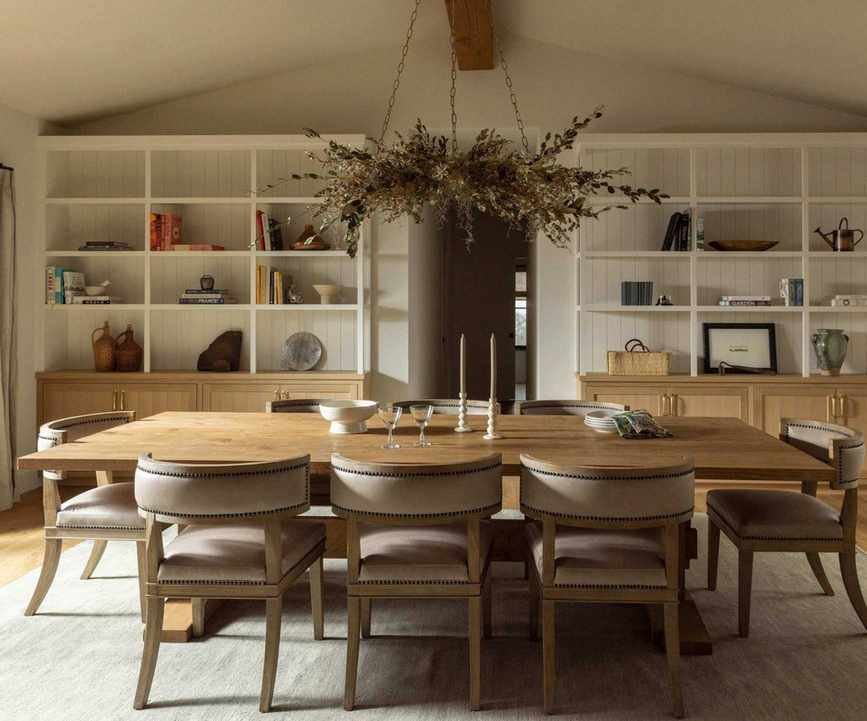
To embody warm minimalism, balance is key. This approach prioritizes calmness while allowing warmth and character to shine through. It's about layering tones and textures rather than cluttering spaces with excess.
Sara Alexander emphasizes that warm minimalism evokes a golden hour feeling, inviting individuals to linger and enjoy their surroundings. Here's how to integrate this trend into your home.
1. Embrace Soft Color Palettes
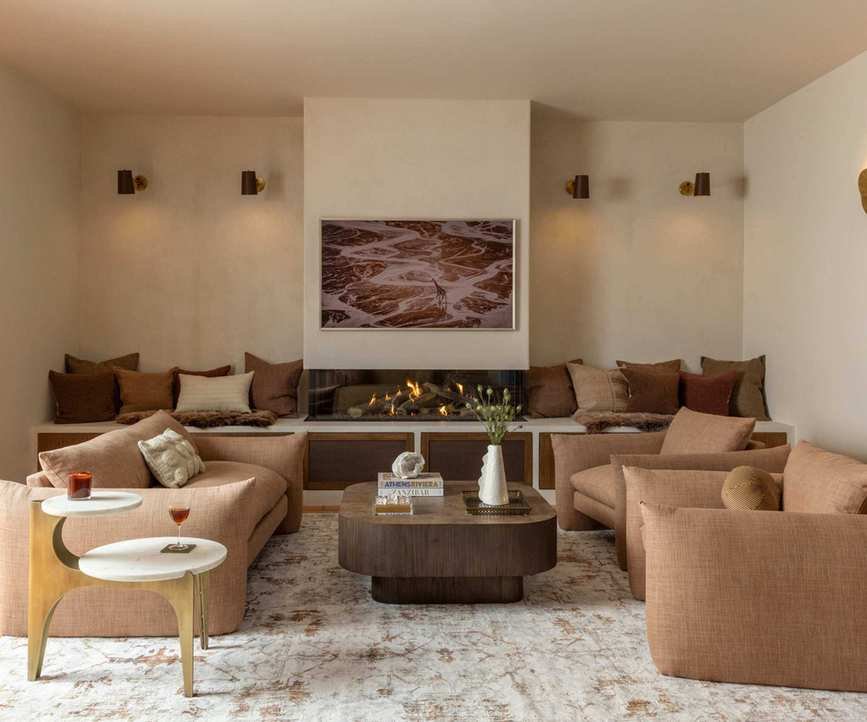
At the heart of warm minimalism is a neutral color foundation. Choose creamy whites, taupes, and earthy tones to set the right ambiance.
Designers suggest avoiding pure whites and cool grays in favor of warmer hues. Chelsea Miller declares, 'Warm minimalism thrives on soft, intentionally layered spaces,' emphasizing the importance of texture.
Molly Torres Portnof recommends colors like Pale Oak and Dimity, combined with natural materials like wood and linen, to create warmth without heaviness.
Sean Symington adds that deeper hues with warm undertones provide depth and comfort. 'Warmer tones like ochres and terracottas bring instant warmth,' he explains.
2. Prioritize Texture
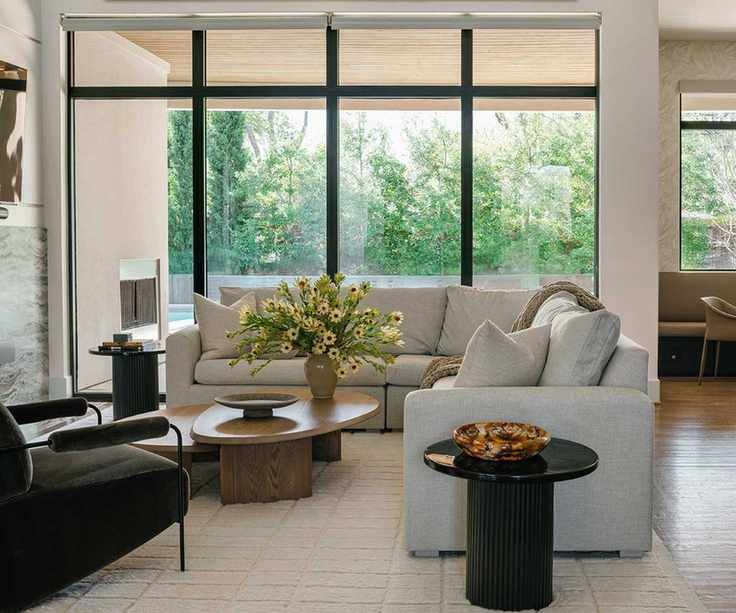
In warm minimalism, texture takes precedence over pattern, enriching the aesthetic. Bess Lovern notes, 'We strive for a neutral palette while allowing art to introduce personality.'
'Incorporating various materials and finishes adds character, ensuring that even a monochromatic space feels vibrant,' she adds.
Sarah Ellison considers texture essential for success, recommending warm natural materials like raw oak and linen. Items like the Weatherford Sconce fit perfectly into this aesthetic.
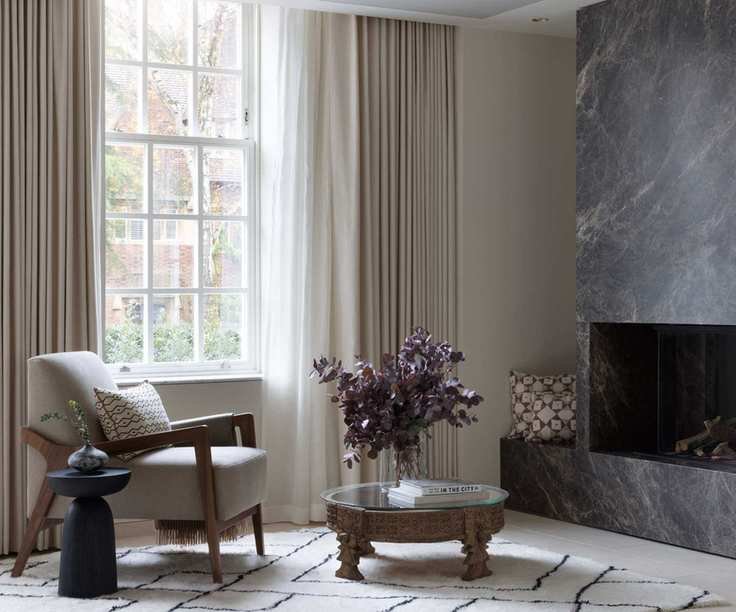
'Keep room colors simple, using nature-inspired tones for a calm background,' she suggests, alongside textured soft furnishings to create warmth.
Embracing imperfections with handcrafted elements enhances the character of spaces. Consider materials like plaster and aged wood to create depth and richness.
3. Layer for Warmth
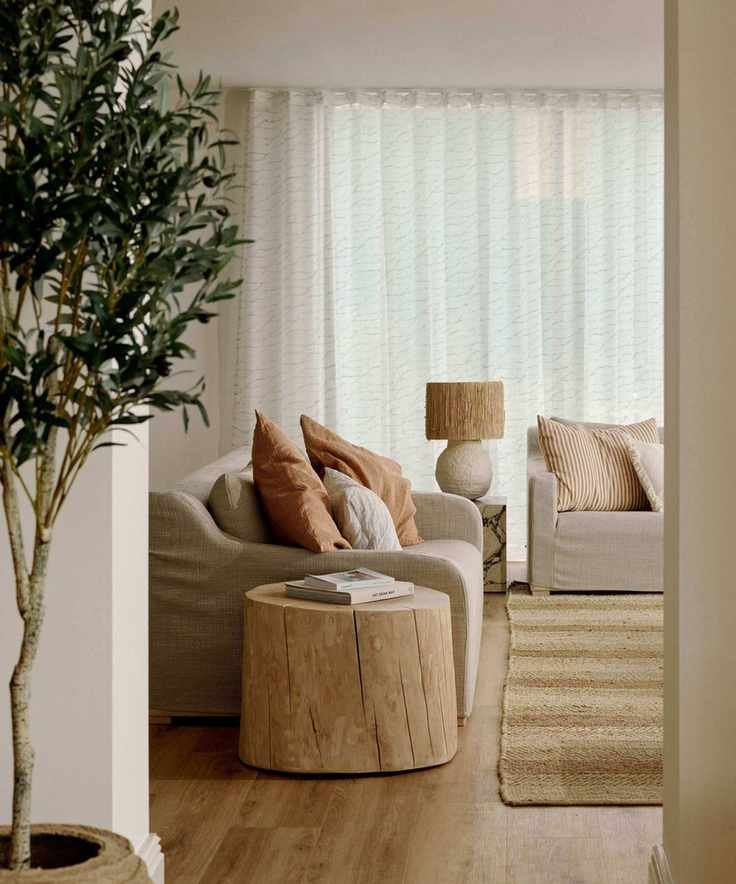
Once the basics are established, layering brings spaces to life. Warm minimalism invites soft colors and textures while considering the quality of light.
Lauren Gilberthorpe explains the importance of light in creating warmth. 'Artificial light should enhance, not detract from a cozy atmosphere,' she advises.
Investing in key furniture pieces akin to a capsule wardrobe helps anchor your design. Layering materials, art, and rugs adds depth, while thoughtful accessories provide character.
4. Curate Mindfully
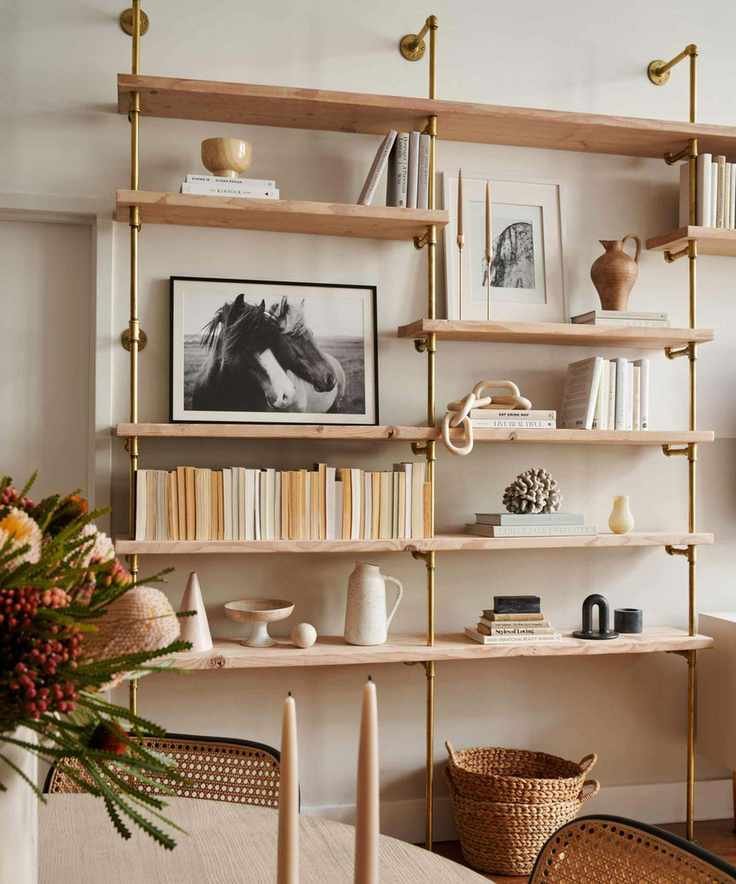
Warm minimalism thrives on restraint. It's about refining spaces, allowing the best elements to shine through. 'Refine to create comfort without clutter,' Lauren suggests.
To adopt this trend, choose a limited palette and avoid excessive patterns that veer into maximalism. Focus on rich hues and natural materials for a serene environment.
Sarah Ellison emphasizes that each decorative piece should be meaningful and tell a story, adding character to the space.
Curated Selections
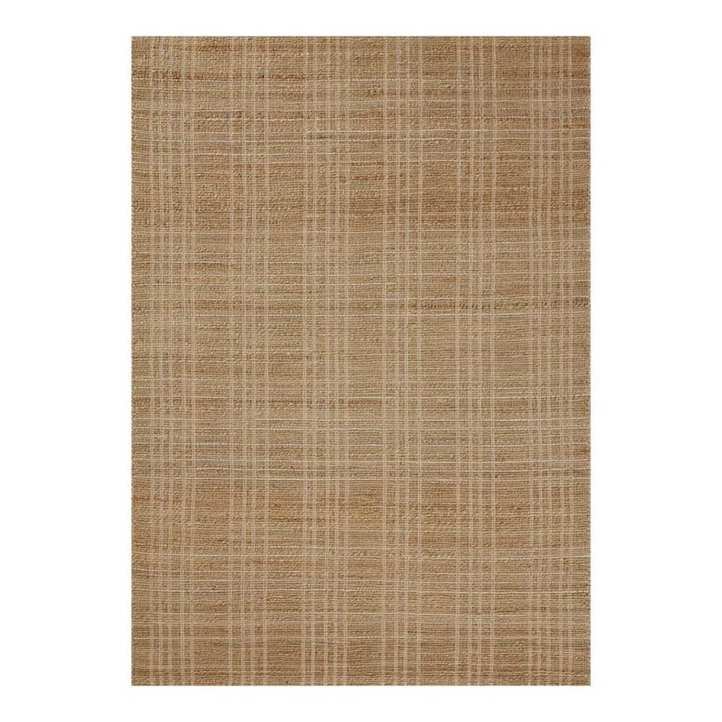 Handwoven
This handwoven rug from Chris Loves Julia x Loloi features a natural jute weave that adds warmth and subtle design to minimalist spaces.
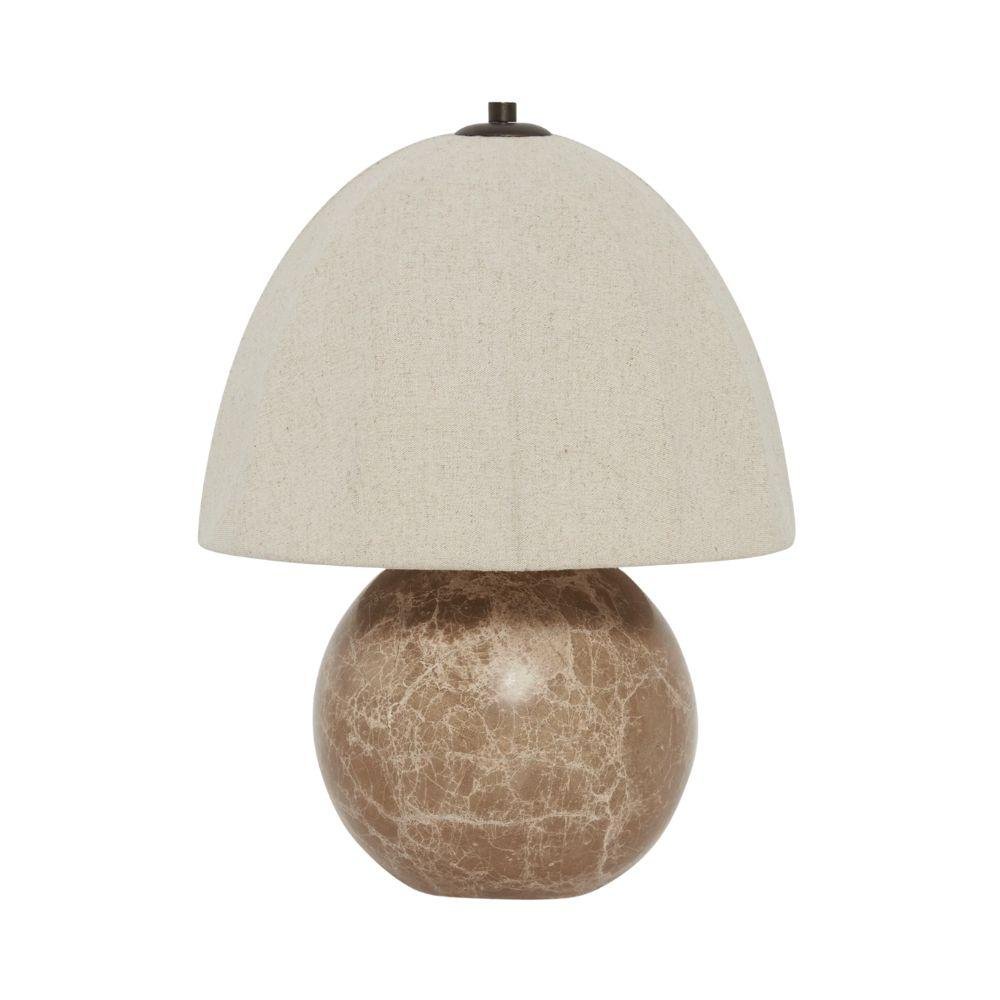 Mushroom Shape
This lamp combines soft linen and stone, creating a beautiful bedside addition with a unique texture.
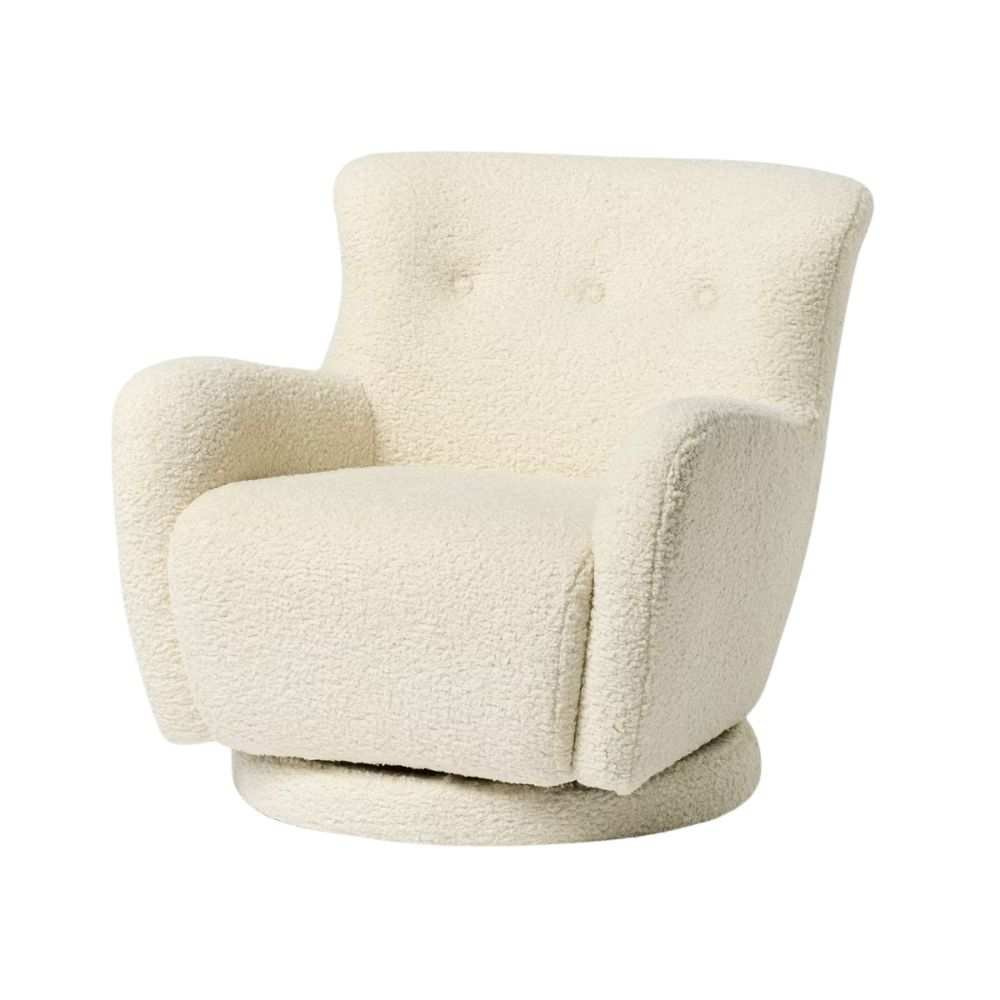 Faux Shearling
This chair, designed by Shea McGee, features soft faux-shearling upholstery, perfect for a cozy reading nook.
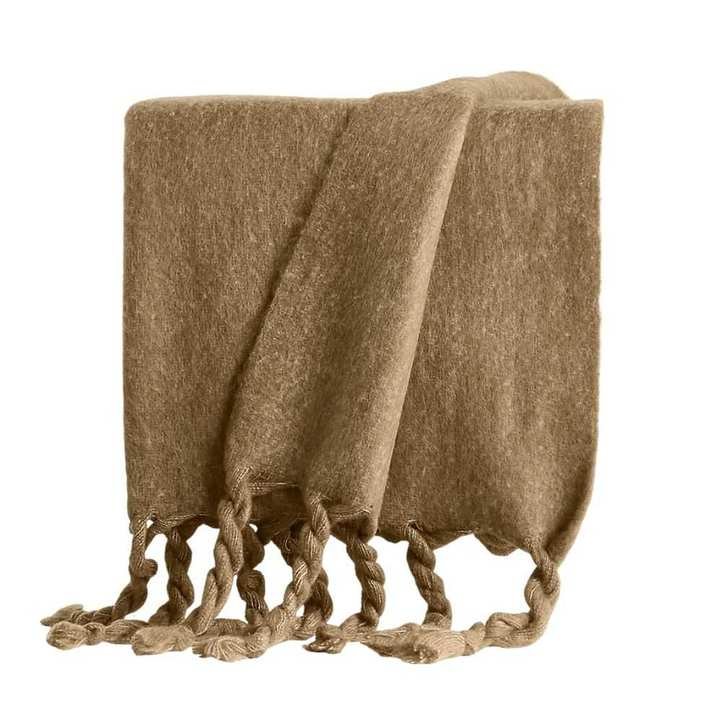 Extra Soft
This hand-twisted throw adds instant warmth with its textured wool and inviting hue.
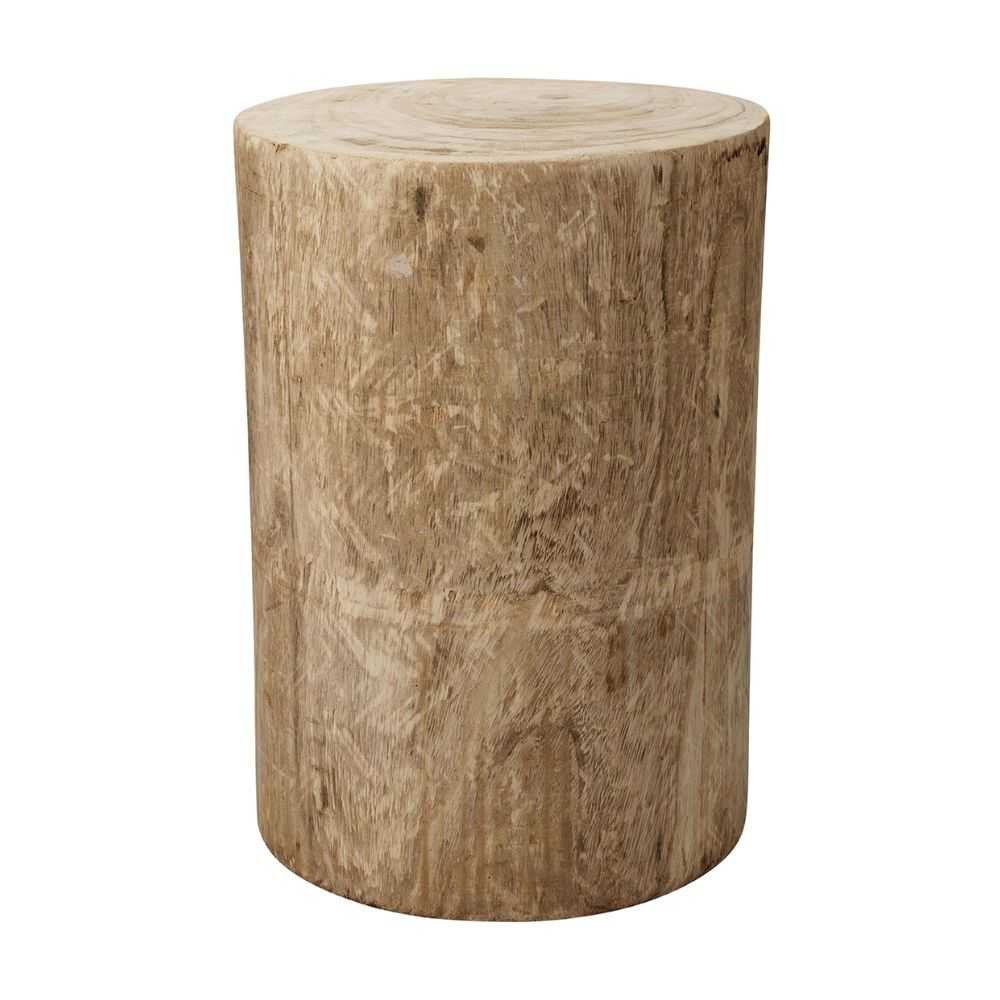 Unique Markings
Crafted from solid Paulownia wood, this table adds texture and a sculptural element to any minimalist space.
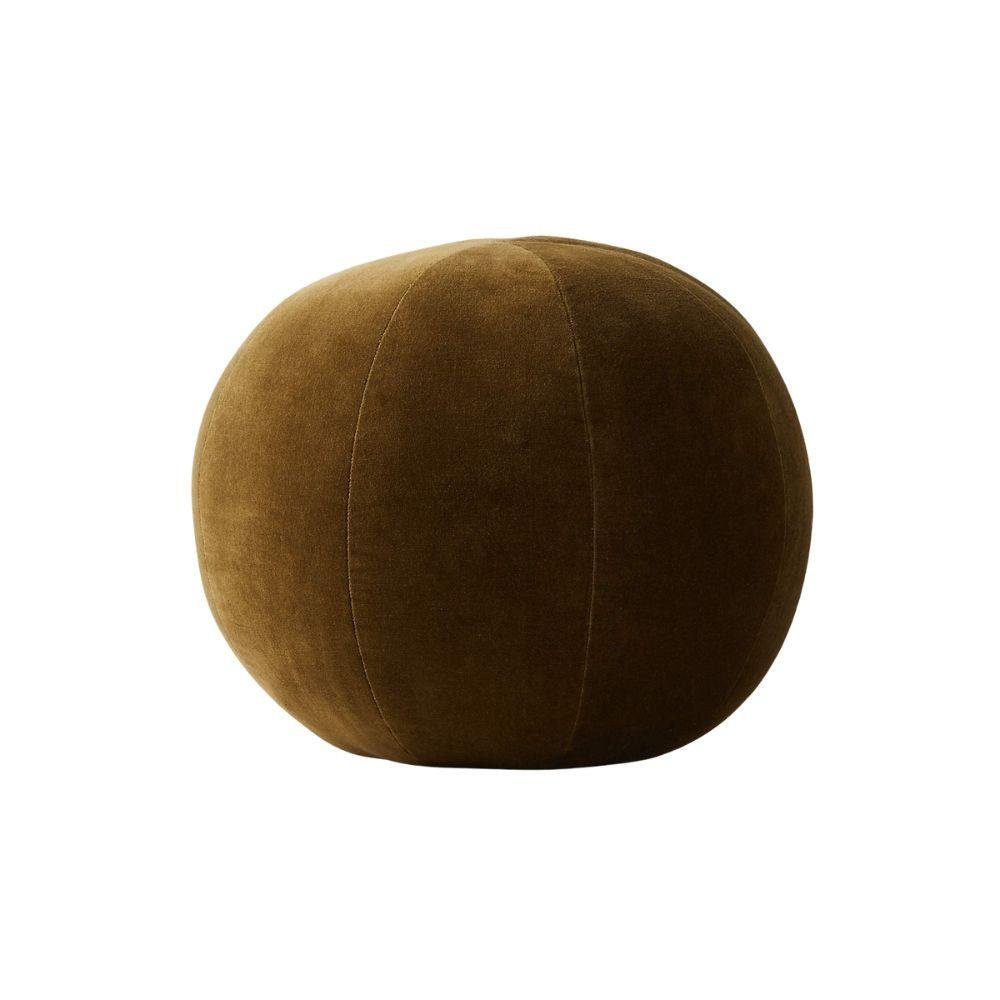 100% Velvet
This pillow adds a playful touch with rich olive velvet, enhancing the warm minimalism trend.
After years of contrasting styles, warm minimalism emerges as a comforting balance between stark minimalism and exuberant maximalism. It's calm yet characterful, effortlessly combining simplicity with warmth. For more inspiration, explore various warm minimalism decor ideas.



