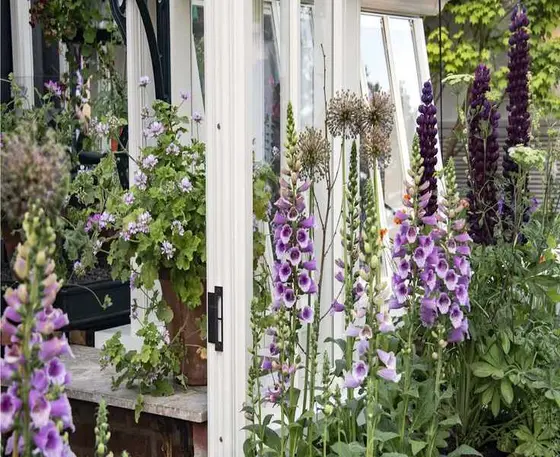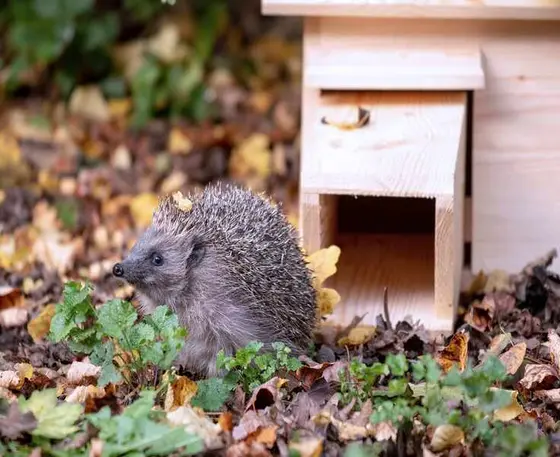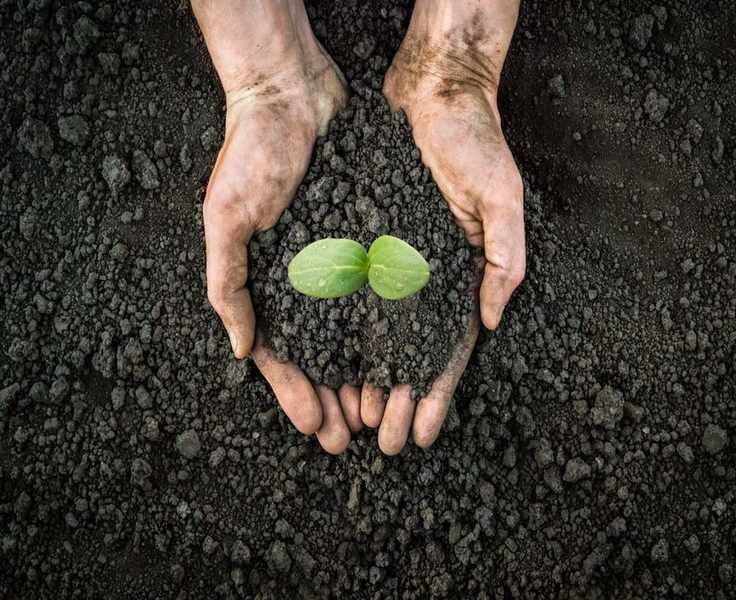
While plants are celebrated for their healing effects on our mental and physical wellbeing, soil deserves attention too.
This unassuming foundation of our gardens does more than support plant life; it positively affects our health.
Research shows that exposure to dirt can strengthen our immune systems, and scientists have found a connection between various soil types, their microbes, and different facets of human health.
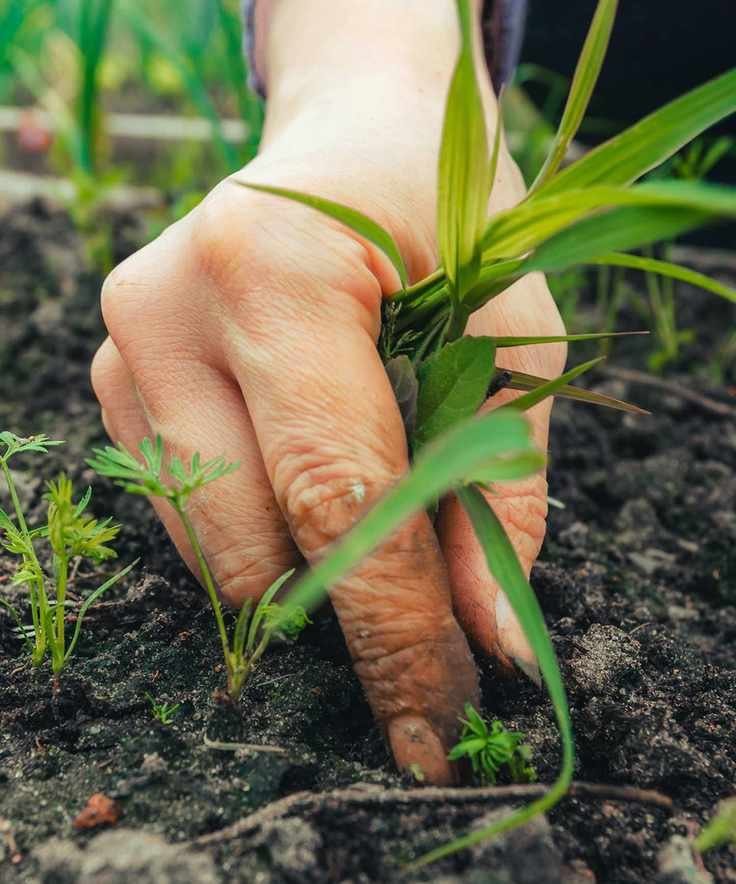
Weeding not only helps plants but also supports our mental and physical health
Ways Soil Can Enhance Our Health
Digging into the soil can be a fantastic way to unwind and release daily stress and frustration.
After a challenging workday, I find that weeding is surprisingly uplifting, even in winter. The process has a meditative quality, calming a busy mind and allowing the body to stretch and move.
Beyond the physical benefits of gardening, soil contains a microbe known as Mycobacterium vaccae, which may mimic the action of antidepressants like Prozac.
Understanding Soil Therapy
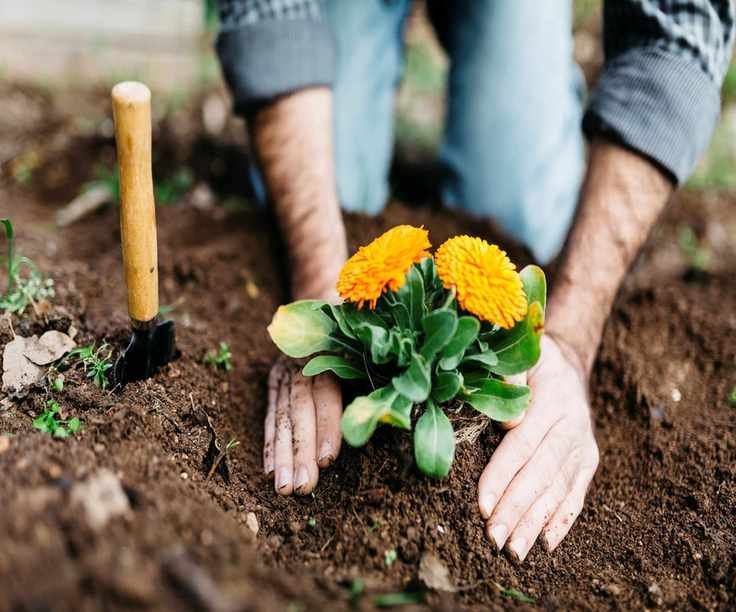
Interacting with soil microbes may be as beneficial for our minds as for plants
Activities like planting and weeding are often seen as therapeutic, which explains why many view their gardens as a source of joy.
Contact with beneficial soil nutrients and microbes—whether through touch, inhalation, or even by consuming homegrown produce—can boost cytokine levels. These tiny proteins help regulate inflammation.
As humans evolved, they developed a symbiotic relationship with beneficial microbes that enhanced our immune defenses and gut microbiomes—key components of our mental and physical health.
In 1989, British scientist David Strachan introduced the 'hygiene hypothesis', suggesting that our increasingly sterile environments lead to rising immune disorders and allergies like asthma.
Recent studies indicate that reconnecting with soil-dwelling microbes like M. vaccae can revitalize our health, with benefits lasting up to three weeks.
Three Major Health Benefits of Soil
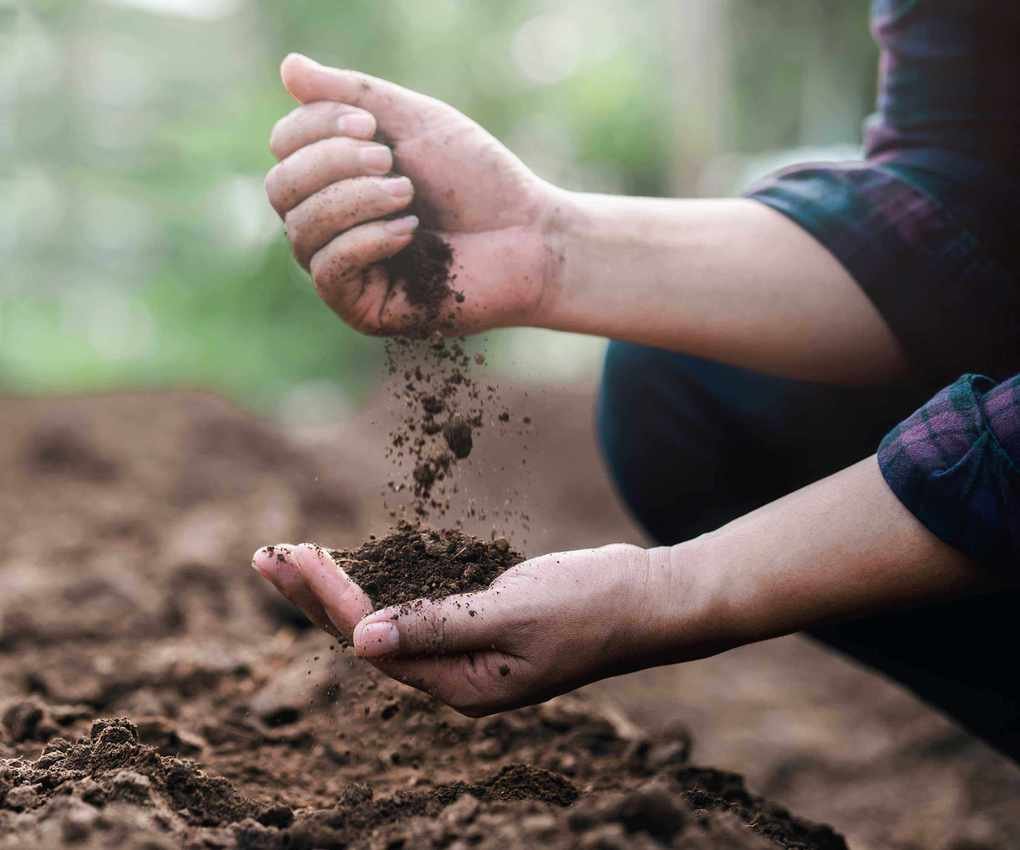
Research has identified three primary advantages of Mycobacterium vaccae for humans:
- This microbe can bind to receptors that inhibit inflammatory pathways, potentially alleviating symptoms of rheumatoid arthritis and Crohn's disease.
- It raises serotonin levels in the brain, enhancing mood and cognitive functions, which can reduce stress. Since low serotonin is linked to anxiety and depression, the presence of soil's natural antidepressants offers significant promise for those struggling.
- Furthermore, Mycobacterium vaccae may help combat asthma and other respiratory conditions by bolstering our immune systems against irritants.
Further Reading on Soil Therapy

Research indicates that children playing outdoors in rural areas enjoy better health than their urban counterparts
In 2004, Dr. Mary O'Brien, a cancer specialist, published findings showing that lung cancer patients experienced improved quality of life and mood after being injected with inert M. vaccae.
In 2020, research in Finland demonstrated that children in nature-rich daycare settings had more diverse gut and skin microbes compared to those in urban environments. These children also exhibited better vision and fewer allergies than their city peers.
According to Christopher Lowry, a professor at the University of Boulder, studies reveal that the anti-inflammatory fats in M. vaccae can help mitigate stress.
In a 2019 interview with Science Daily, he stated: 'As humans have transitioned from agricultural lifestyles to urban living, we've lost touch with organisms that regulated our immune systems and managed inflammation.'
This transition has increased our vulnerability to inflammatory diseases and stress-related mental health issues.
Common Questions
Does Soil Benefit Mental Health?
Research from Bristol University and University College London indicates that soil bacteria function similarly to antidepressants.
A report in Medical News Today found that soil microbes prompt serotonin production, a vital chemical that influences mood and digestion.
Low serotonin can lead to various issues, including OCD and aggression, so engaging with soil can enhance our well-being in numerous ways.
How Can We Access Soil's Benefits Today?
Gardening is the most obvious choice, and encouraging children to engage with outdoor planting is vital.
There are many fun gardening projects for kids, even in winter, as long as they dress warmly.
Additionally, spending time outdoors, even through activities like walking on the ground, can expose you to essential microbes while enjoying fresh air and sunlight.
While we champion the benefits of gardening and interacting with soil, remember to wash your hands afterward—especially before eating or handling food—and cover any cuts on your hands with gloves or bandages.