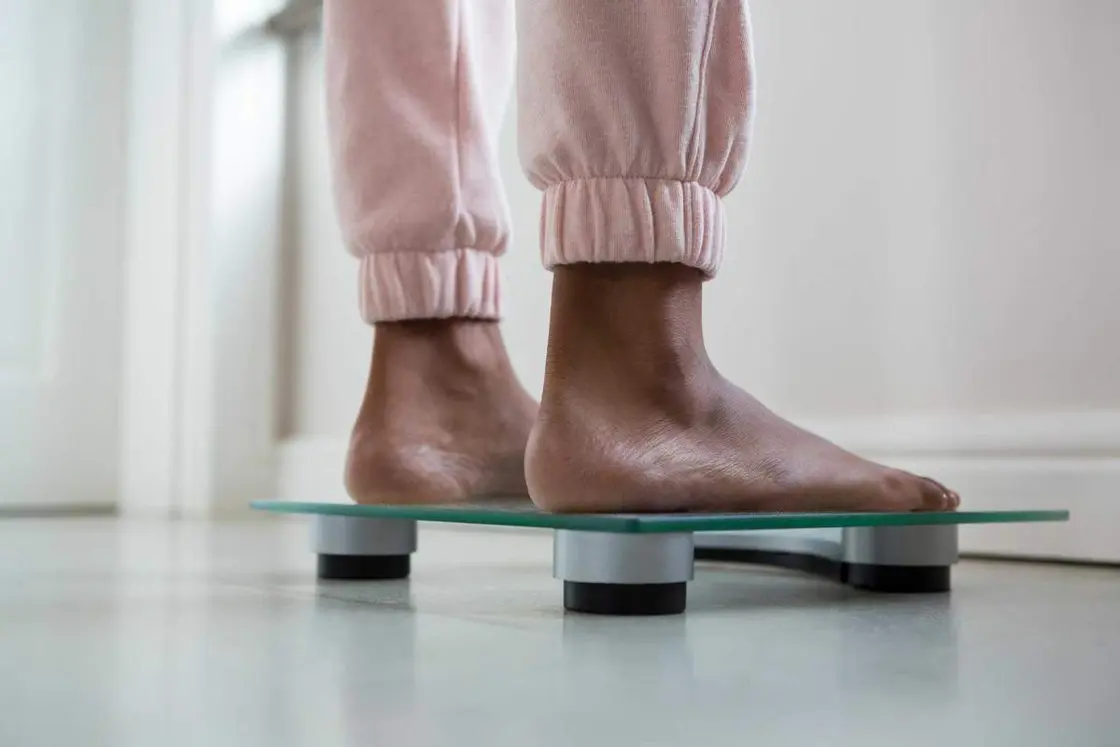
Weight discrimination is a pressing issue intertwined with gender equity in the workplace. While discussions often center on the gender pay gap averaging $0.17 per dollar, it's essential to recognize how weight bias also plays a role.
Research indicates that for every 10% increase in a woman’s body mass, her income declines by 6%, based on Bureau of Labor Statistics data analyzed by economist David Lempert. Furthermore, a Harvard study revealed a staggering 40% rise in weight bias from 2007 to 2016, even as biases against race and sexual orientation decreased. A separate study from Jennifer Shinall at Vanderbilt University Law School showed that a modest weight gain of just 13 pounds can cost women up to $9,000 annually.
This underscores the immense pressure women face to conform to beauty standards, with financial repercussions for those who do not. In 2024, we will explore the realities of weight discrimination and how we can combat it.
Weight Discrimination Is Real
Career coach Elizabeth Pearson asserts that weight discrimination affects women similarly to race and gender discrimination, often resulting in missed hiring and promotion opportunities. It can also manifest in unexpected ways.
“Chairs with arms may not accommodate all body types,” she points out. “This is just one example of how comfort in the workplace isn’t universally considered.”
While furniture choices may seem trivial, they symbolize the broader social and financial pressures women endure to maintain a thinner appearance. From “weight loss competitions” framed as team-building exercises to exclusion from key meetings, larger-bodied women encounter challenges that hinder their career growth.
“The belief that a smaller body equates to greater dedication can influence hiring decisions,” says Marisa Meltzer, journalist and author. “This bias is not just flawed; it’s exclusionary.”
Even those with a 'normal' BMI can experience bias. Pearson shared her own experiences of being overlooked for projects when her weight fluctuated, only to be promoted after losing it.
A 2021 study in the International Journal of Obesity found that 43% of Weight Watchers participants reported weight discrimination at work. Notable figures like Mireille Guiliano and Queen Latifah have also spoken out about the scrutiny they faced regarding their weight. Even Chris Pratt noted a significant career shift linked to his physical appearance.
Weight changes are part of life, influenced by various factors such as health, stress, pregnancy, and more.
“Being a woman is already challenging,” Meltzer observes. “Women often find themselves in a workforce where they must prove themselves, face potential pay disparities, and deal with harsh judgments about their bodies.”
Taking Action Against Weight Discrimination
Now is the time to challenge weight discrimination. Pearson emphasizes that society sends a damaging message about body size, particularly as many return to traditional office settings.
Unlike race, gender, and disability, body size is not a federally protected class. This lack of protection means employees facing weight discrimination have limited recourse and may opt to leave rather than educate their superiors on inclusion. This choice is entirely valid.
However, there are ways to advocate for yourself and your colleagues.
If You’re Advocating for Yourself
“It’s simpler to change your appearance than to change societal attitudes,” Meltzer notes. “Real change comes from having diverse leaders who can influence compensation and promotion decisions.”
Start small. Joining existing DEI initiatives or forming an employee resource group can help promote inclusivity.
“Even as awareness grows, discussing weight remains a sensitive topic,” Meltzer adds. But silence won’t solve the problem; it only burdens those affected by discrimination.
“We shouldn’t expect those discriminated against to educate HR,” Pearson stresses. “Just as we advocate for gender and racial allyship, we need to extend that to weight discrimination.”
If You’re Advocating for Others
Allies are crucial for colleagues facing weight-based discrimination. They can help initiate necessary changes.
For instance, the Obesity Action Coalition suggests incorporating weight bias education into workplace harassment training. If your company doesn’t address this, advocate for it with HR. Additionally, make sure that weight discrimination is recognized in anti-harassment policies.
If you notice a colleague being unfairly treated due to their weight, speak up. Engage with supervisors or HR regarding what you’ve observed and raise your concerns about potential bias. Advocates must challenge weight discrimination whenever they encounter it, even if it appears as humor.
- Effective Workplace Communication: Five Key Steps
- Building Soft Skills for Workplace Conflict
- Speak Out Against Gender Bias in the Workplace