

From Victorian to contemporary homes, we often see various architectural styles. However, Adobe homes offer a unique blend of history and design that reflects today's sought-after features.
Found mainly in southern regions, this design style goes beyond mere looks. It emphasizes harmony with the natural environment, earthy colors, and exceptional craftsmanship.
To learn more about Adobe-style homes and how to incorporate their design elements into your space, we consulted experts experienced with this distinctive style.
Understanding Adobe-Style Homes
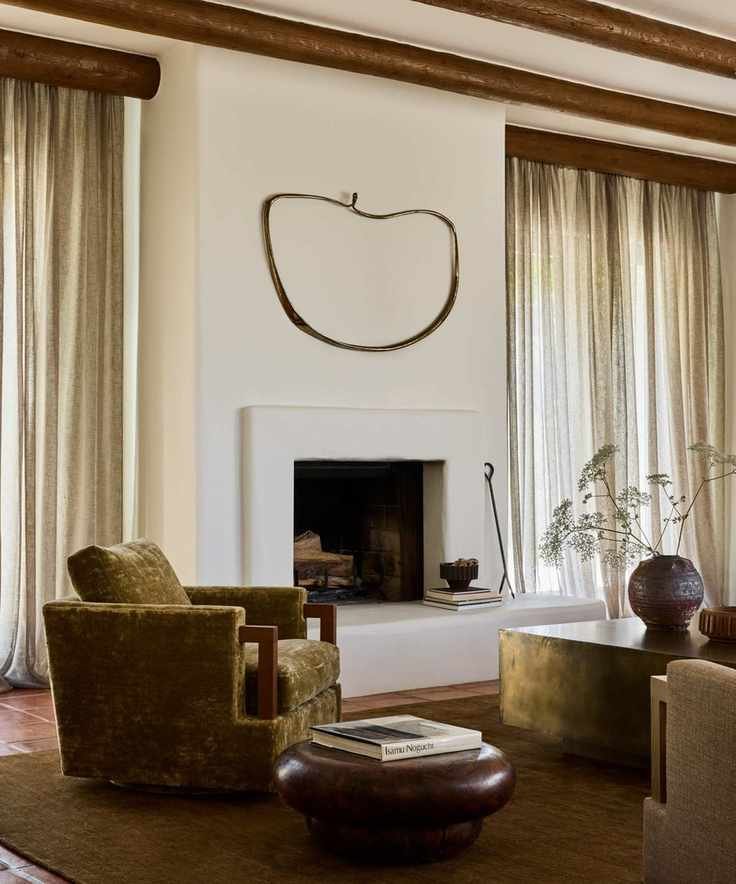
Adobe homes stand out with their organic designs and sculptural forms, seamlessly blending into the surrounding landscape. This style is hard to imitate.
'The exterior is defined by earthy, sculptural architecture made from sun-dried adobe bricks and finished with stucco, crafted by skilled artisans using traditional methods,' shares interior designer Sarah West.
Inside, the same handcrafted aesthetic prevails, with earthy colors and materials. 'Adobe-style homes are deeply connected to the landscape, almost appearing as an extension of it,' notes designer Corrine Mathern.
'Exteriors feature soft, sculptural lines that beautifully capture light. Inside, thick walls, exposed beams, organic materials, and a soothing color palette reflect the surrounding environment.'
Key Features of Adobe-Style Homes

Besides its distinctive architecture, Adobe-style homes boast essential design elements, including colors, materials, furniture, and decor that align with this unique aesthetic.
'Adobe homes exude a relaxed vibe. Neutral exterior colors highlight natural materials like terracotta tiles, raw wood, and textured stucco,' explains Sarah.
This organic look extends to Adobe interiors, where natural, neutral styles reflect the landscape, conveying a curated and high-quality feel.
'Interiors often feature muted tones, maintaining a focus on material quality, typically in off-white shades that enhance the plasterwork's beauty. Color choices are consistent throughout the house, and if introduced, hues should echo desert sunsets or authentic Southwestern tones,' Sarah elaborates.

Furniture selection plays a crucial role in achieving an authentic Adobe ambiance. Emphasis is placed on quality craftsmanship evident in chosen pieces.
'For Adobe interiors, I prefer natural, uncomplicated designs. Handcrafted furniture with strong silhouettes—like vintage wood with a patina, linen fabrics, and iron details—works beautifully,' Corrine states.
'I appreciate ceramics with a primitive touch, woven textiles, and lighting that creates a soft ambiance. Each piece should tell a story or show signs of wear. Adobe spaces shouldn't feel overly polished; they should appear layered, lived-in, and connected to nature.'
Incorporating Adobe-Style Furniture and Decor

Even if you don't reside in an authentic Adobe home, you can still embrace its essence. Focus on quality pieces, vintage decor, and organic shapes typically found in genuine designs.
'Furniture and decor in Adobe-style homes should feel timeless, as if they've always belonged. Items should have an aged, lived-in aesthetic, favoring warm or dark wood tones and rustic or Spanish-inspired furnishings,' Sarah explains.
'Plaster walls enhance softness and depth. I love using earth tones alongside organic wood and vintage items. It's about capturing a grounded, serene, and elemental feeling, rather than replicating an exact look,' Corrine adds.
Look for decor pieces with rounded edges and organic forms, like this versatile side table suitable for both indoor and outdoor use. Its stylish neutral design harmonizes with various palettes, including desert-inspired shades.
'Adobe areas benefit from rich, textural materials such as leather and terracotta, which enhance the design's character,' Sarah notes. This leather tray, available in three colors, is perfect for organizing items on a coffee or side table.
'Handmade ceramics, carved wood decor, and woven textiles complement the inviting nature of Adobe spaces,' Sarah says. This vase adds texture to any arrangement.
While Adobe style often revolves around neutrals, earthy shades also play a significant role. This line throw pillow, featuring stylish fringe detailing, adds a pop of color.
Iron elements are common in Adobe homes. In the living room designed by Corrine, an iron fire poker, similar to this design, sits near the fireplace, combining functionality with elegance.
Incorporate a textural throw blanket in a rich earthy tone for added warmth and Adobe-inspired style, whether in a living room or bedroom. The waffle texture and fringe detail of this piece are especially fitting.
Adobe homes celebrate natural materials, plaster finishes, and decor that showcases quality craftsmanship. Emphasize organic shapes and earthy colors that reflect the desert landscape.
'Integrating Adobe style into your space should prioritize authenticity and craftsmanship, contributing depth to the room,' Sarah advises. Be mindful of your color choices and consider incorporating modern organic elements for an authentic aesthetic.


