
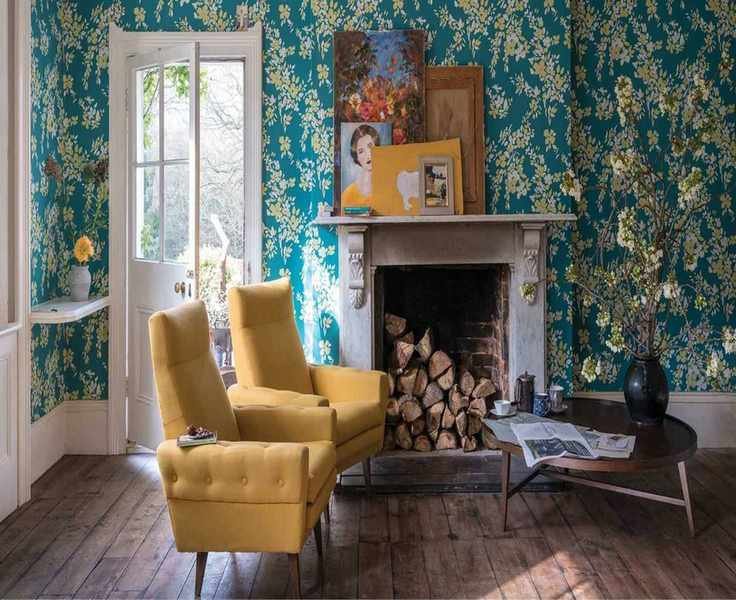
Mid-century modern interior design continues to captivate homeowners today. With its clean lines, functional furniture, and a balance of natural and synthetic materials, this style remains as appealing as ever.
Trends in interior design may shift, but mid-century modern stands out as an iconic style that anyone interested in home decor should understand.
This article delves into what mid-century modern interior design entails and its adaptation in modern settings.
Defining Mid-Century Modern Interior Design
Mid-century modern refers to a design and architectural movement from the mid-20th century. While the styles of the era vary, they share notable characteristics.
According to interior designer Artem Kropovinsky, "This style is defined by minimalist forms, organic shapes, and a focus on functionality, seamlessly blending traditional and contemporary materials for a lasting appeal."
Though rooted in its era, mid-century modern design remains relevant today. As Seymen Usta, an interior design expert and founder of Seus Lighting, points out, "Mid-century modern design balances aesthetics and practicality."
"You can recreate this look without spending a fortune on original pieces; affordable reproductions and vintage finds can achieve the desired effect," he adds.

Based in New York, Artem Kropovinsky has over ten years of global design experience. His firm, Arsight, is known for its commitment to sustainability and excellence in both residential and commercial projects.
Origins of Mid-Century Modern Interior Design
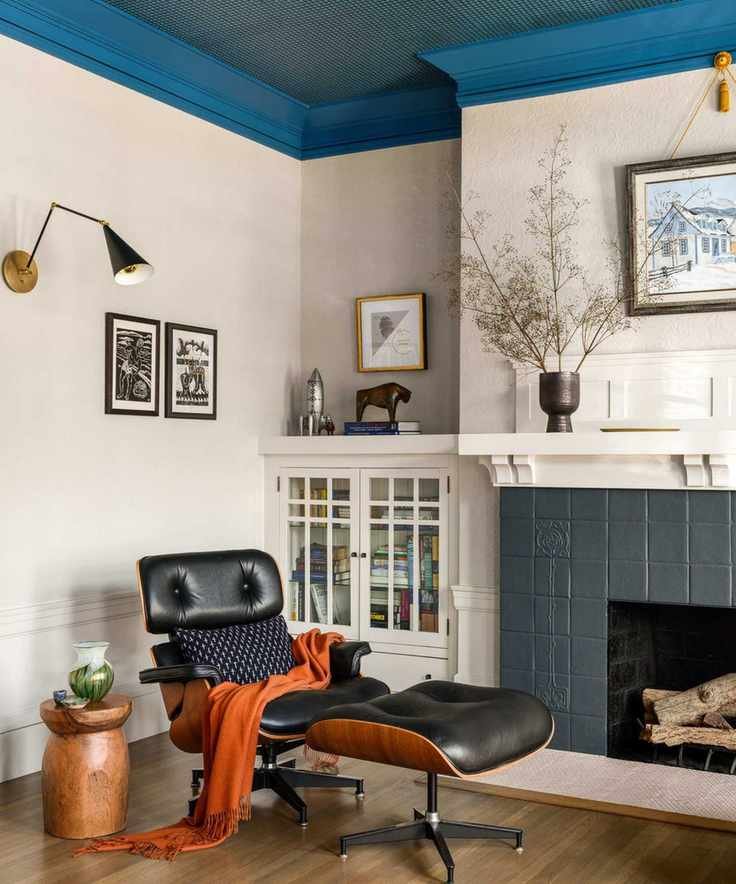
Mid-century modern evolved from modernism, yet it possesses distinct features. Gregor Bugel, co-founder of Handwerk Art & Design, explains, "Mid-century modern is more closely linked to a specific time and culture than broader modernism."
While modernism originated in the 19th century, mid-century modernism reflects the mid-20th century, often evoking a nostalgic aesthetic.

Gregor Bugel, co-founder of Handwerk Art & Design, has an extensive background in fine arts and architecture, having coordinated exhibitions for Columbia University and taught at the Pratt Institute in Brooklyn.
Key Characteristics of Mid-Century Modern Interior Design
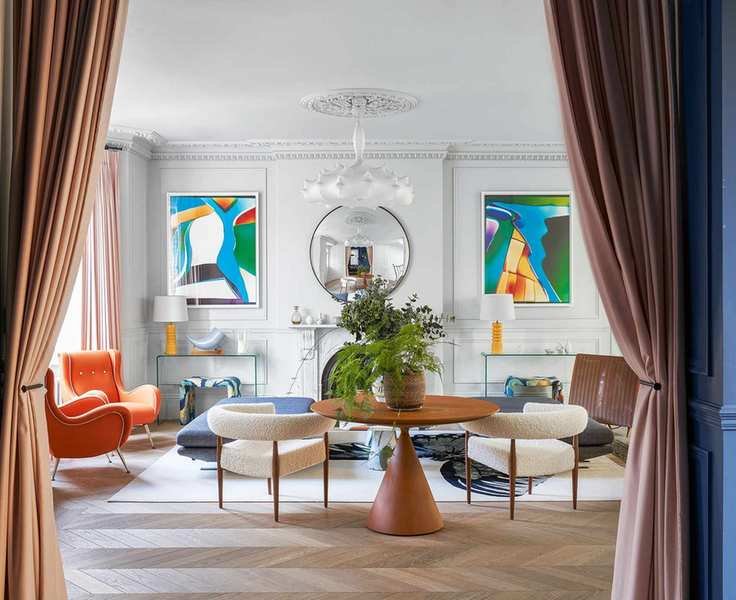
The defining lines, materials, and color schemes of mid-century modern design set it apart from its predecessors.
Gregor Bugel notes, "Aspects of modernism take on softer, rounder shapes, while materials evolve to include plastics and engineered woods like plywood. Teak is prominent in mid-century modernism, but rift-cut white oak is also frequently used.
"A significant evolution in mid-century modernism is the embrace of vibrant color. The subdued tones of earlier designs are replaced with bold colors that enliven furniture and decor."
Technological advancements allowed for innovative uses of materials, while cultural movements of the time influenced design choices. Bright colors and textures reflected the sunny landscapes of the American West, while Scandinavian design impacted joinery and material choices.
Furniture from this era evokes a sense of nostalgia, yet it's the overall ambiance of mid-century modernism that captures the essence of social interactions and lively gatherings.
Reasons to Embrace Mid-Century Modern Interior Design

While mid-century modern is rooted in the past, its influence remains relevant.
Seymen Usta emphasizes, "This design style has truly endured, adding sophistication and elegance to any environment. Its clean lines can create an illusion of spaciousness in compact areas."
Gregor Bugel adds, "Mid-century modernism is a favored inspiration for many homeowners. The movement produced numerous well-preserved pieces, which are cherished and appreciated by enthusiasts."
This style can adapt to modern homeowner preferences. As Artem Kropovinsky explains, "Contemporary adaptations incorporate cutting-edge technology and eco-friendly materials, resulting in personalized designs that suit modern lifestyles."
Incorporating Mid-Century Modern Style into Your Home

Wondering if you should hire a professional to achieve mid-century modern aesthetics?
Seymen Usta suggests, "If you grasp the core principles of mid-century modern design, you can create a cohesive look on your own. However, for those needing more guidance, working with an interior designer can enhance the process."
Gregor Bugel encourages enthusiasts to embrace this style. "Mid-century modernism, particularly in the U.S., has a relatable, accessible vibe. It's something individuals can confidently incorporate into their homes without fear."
Working with a professional designer can help turn your vision into a reality, making the design journey an exciting experience. Mid-century modern design offers flexibility, easily blending with other styles to craft timeless, transitional spaces. Incorporate a mid-century piece into a traditional setting or add a vintage print to a contemporary room for a seamless look.
Mid-century modern design is a classic choice that adapts beautifully to changing trends. It's a style that consistently resonates, making it a perfect option for those seeking enduring appeal.


