
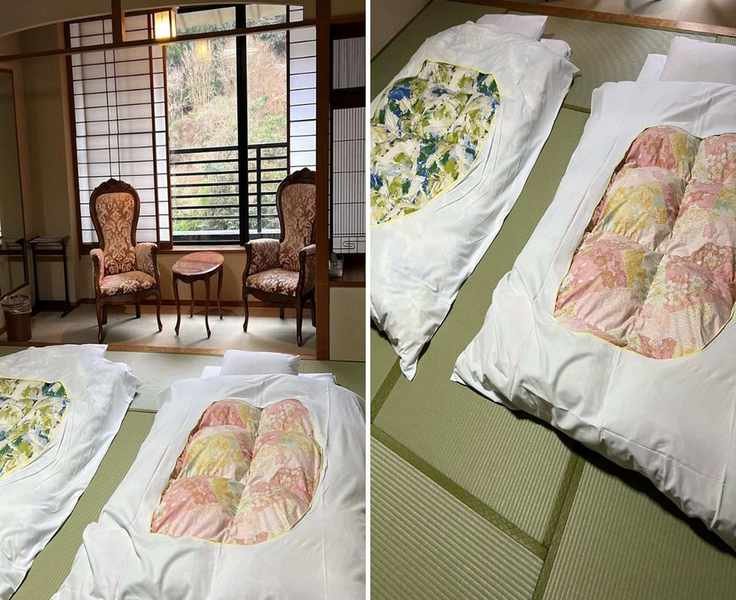
After returning from two weeks in Japan, I was captivated by many aspects of the culture, especially the beds. Every hotel room in Tokyo, Osaka, and Kyoto was compact, but the ryokans we visited along the Kumano Kodo pilgrimage route featured spacious tatami mats and traditional futons rolled out at night.
As a sleep expert, I was curious about how a firmer, flat surface would impact my sleep. Surprisingly, I experienced some of the best sleep I've had in years. Here's what I discovered about the benefits of simpler sleeping arrangements.
Why a Traditional Japanese Futon Was So Comfortable
After a long day of hiking and exploring temples, I kicked off my wooden sandals and collapsed onto the futon in the serene darkness of our ryokan in Kawayu Onsen. I fell asleep almost instantly.
Initially, I was doubtful—would this minimal futon support my side-sleeping position? The answer was a resounding yes. I woke up refreshed, free from the usual aches associated with inferior mattresses. You don't need to travel to Japan to enjoy this experience; affordable options are available online.
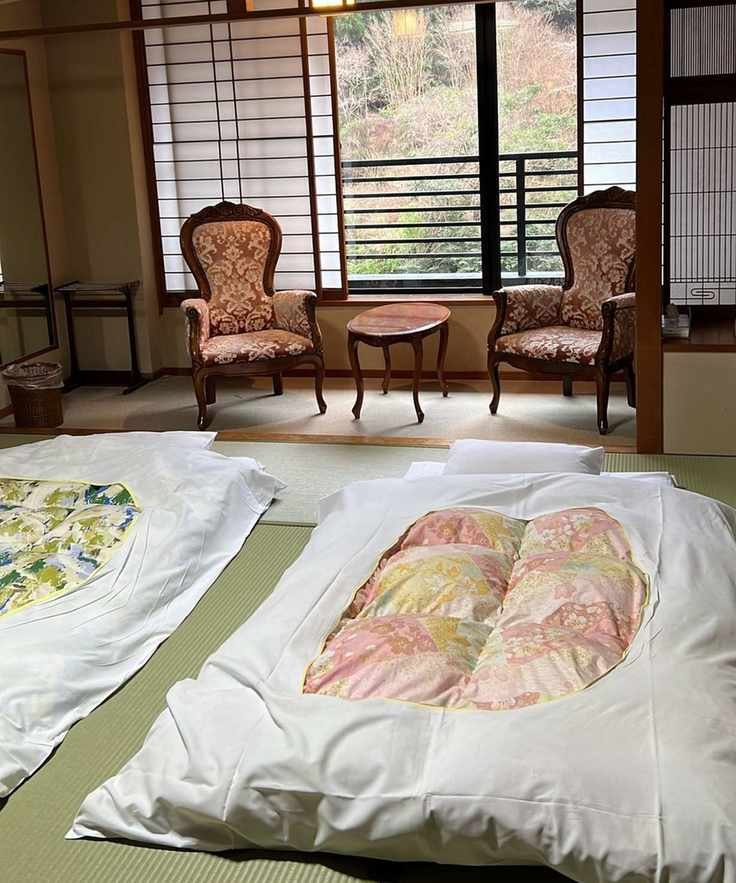
Our room at the Fujiya ryokan in Kawayu Onsen.
The following night at Hotel Urashima, I again enjoyed a fantastic night's rest after the futons were set up. I woke up without any stiffness or pain, feeling fully recharged.
To understand why this was happening, I consulted Dr. Ron Miller, a licensed physical therapist. He explained that futons offer a firm surface, promoting neutral spinal alignment and preventing uneven sinking of hips or shoulders. Back pain often arises from mattresses that sag too much.
Dr. Miller added that sleeping close to the ground can limit twisting movements that may aggravate lower back pain. It's about maintaining a stable surface that your body can adapt to.
Many believe that a firmer surface leads to back issues, but that's a misconception. Japan's high health rankings suggest there's wisdom in their sleeping practices.
Dr. Miller noted that futons encourage mobility, balance, and body awareness, reducing morning stiffness because joints don't sink and stiffen overnight.
I'm convinced and considering a futon for my upcoming move, especially since I already have a Japanese-style bed with tatami mats.
What I learned is that you don't need a lavish mattress filled with layers to achieve a good night's sleep. Sometimes, the simplest solutions provide the best rest.
Shopping for Futons and Accessories
If you're ready to invest in a futon or simply want to add a hint of Japanese elegance to your bedroom, check out these curated selections.
All prices were accurate at the time of writing.
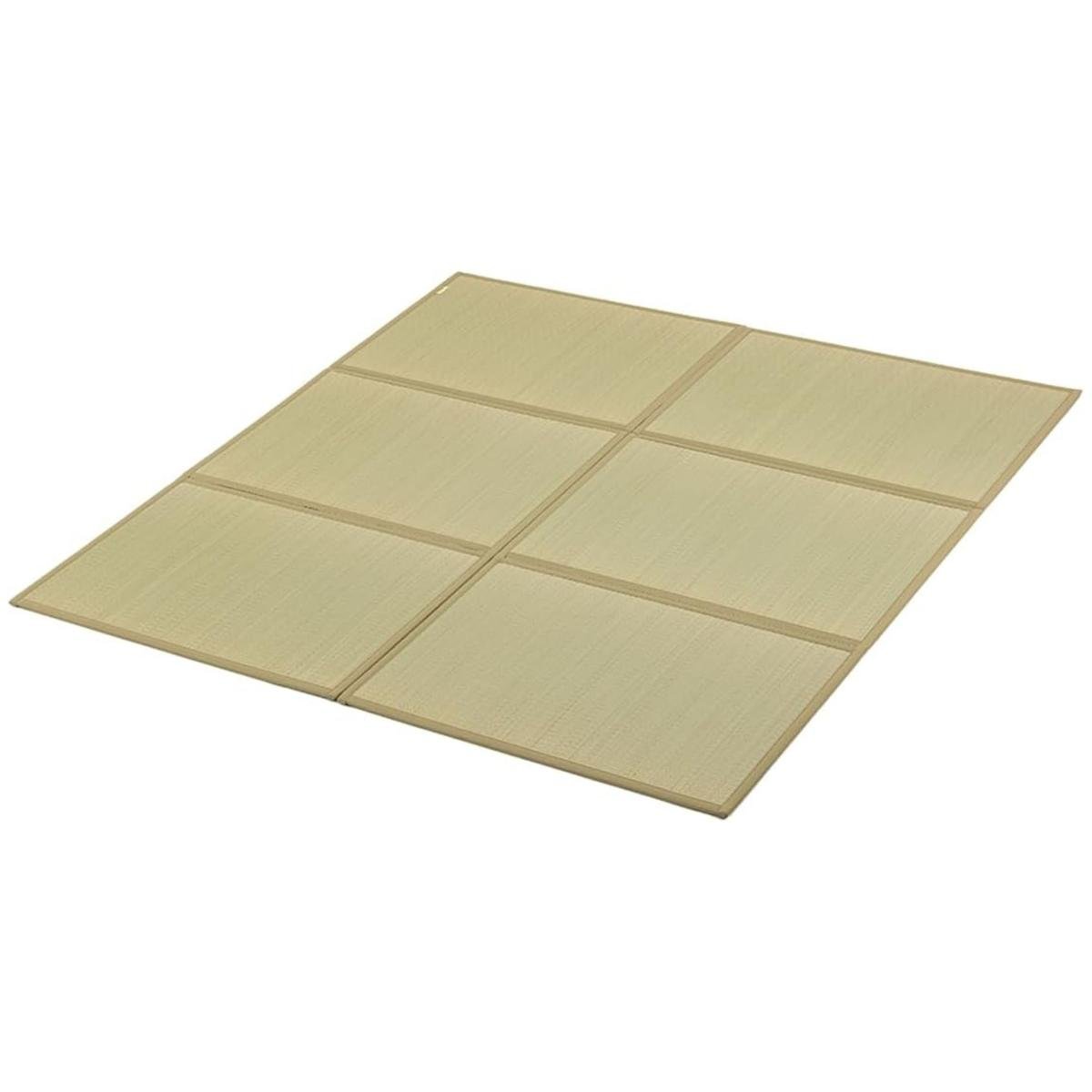 Made in Japan
FULI Tatami Mattress (Queen)
This tatami mat captures the natural essence of Japanese culture, providing firm support for a Queen-sized bed and pairing seamlessly with a futon.
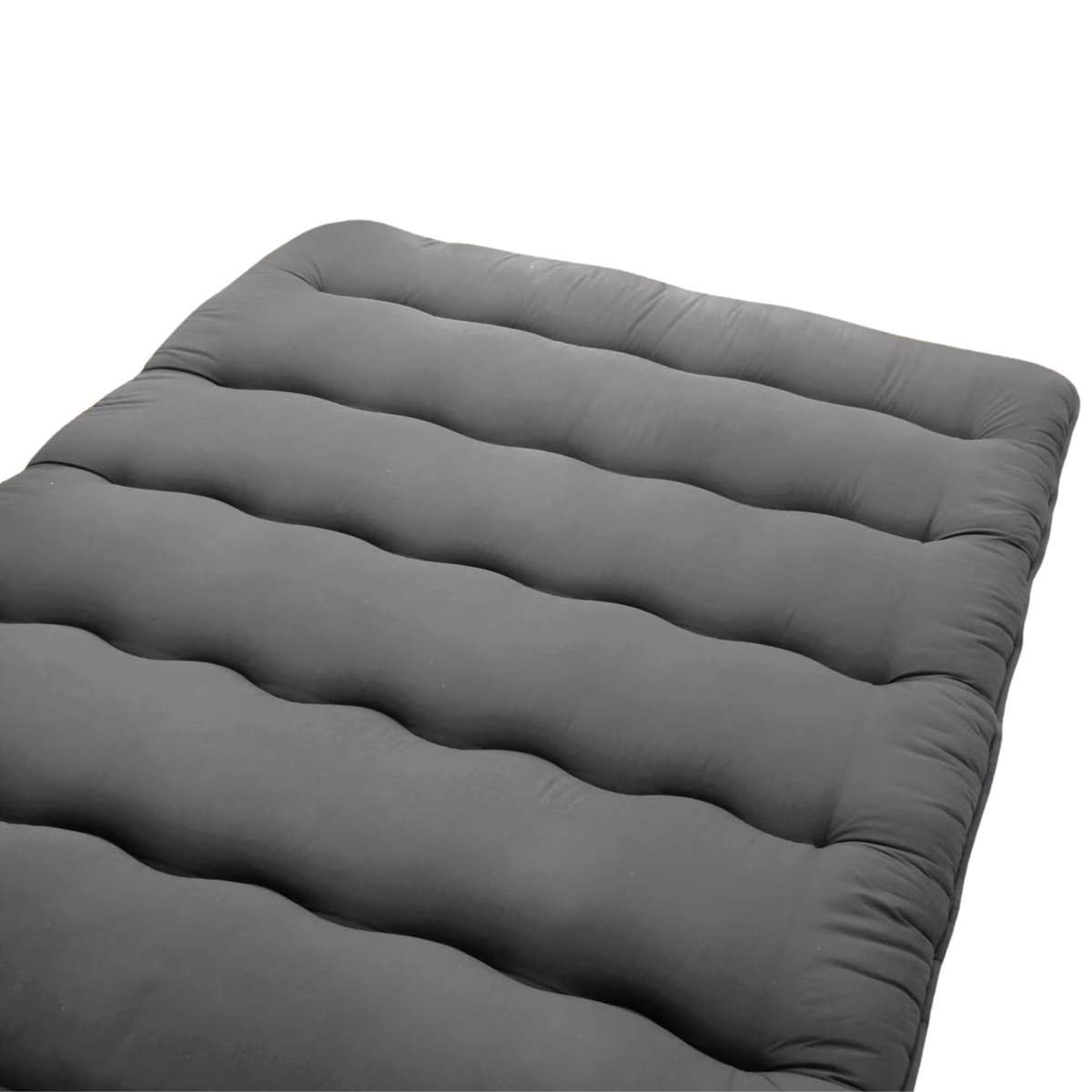 3'' Thick
Japanese Floor Futon (Queen)
This futon offers a bit more cushioning and is ideal for travel and storage, doubling as a play mat or additional seating.
 Hypoallergenic fill
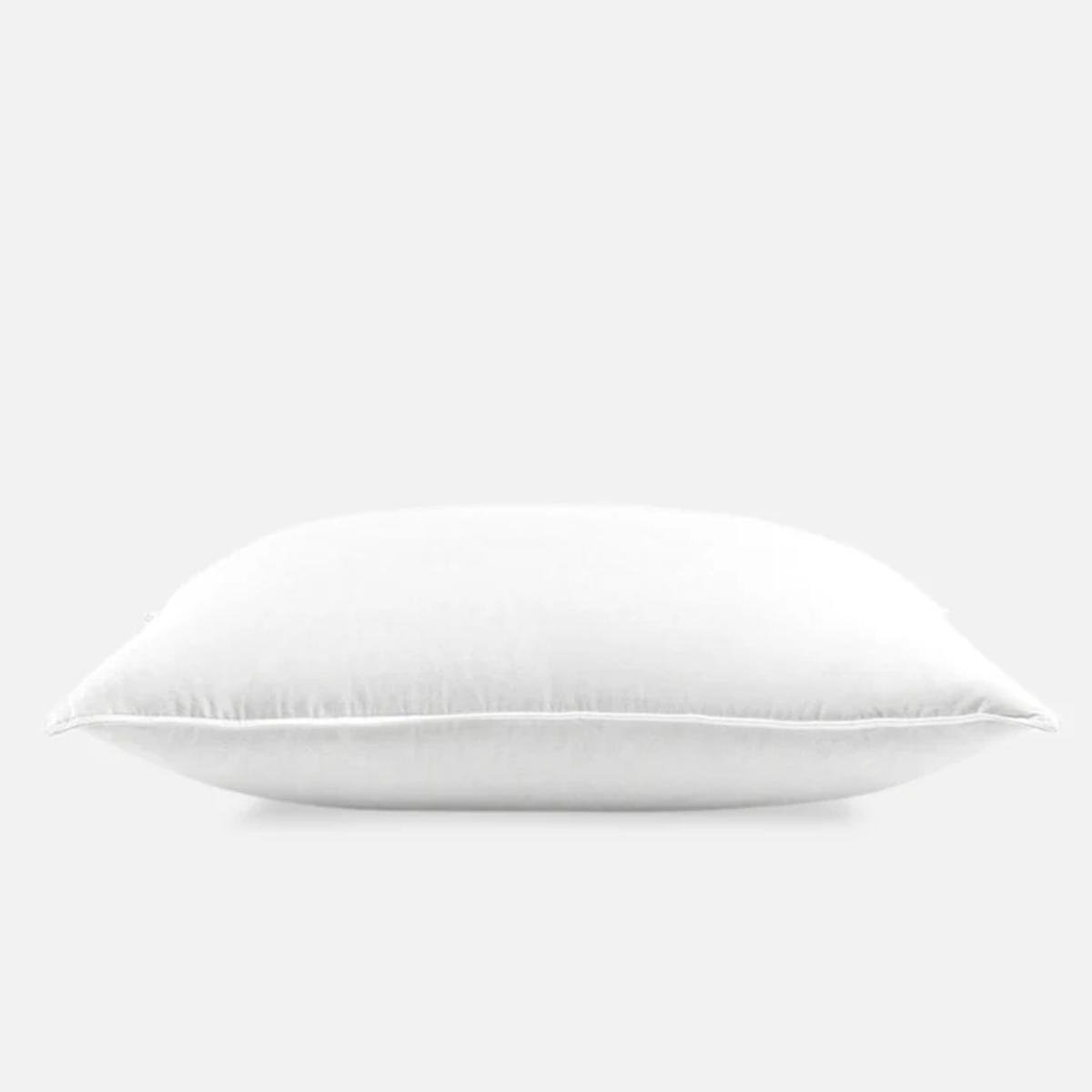
Down Alternative Pillow
This pillow is perfect for a firmer futon, offering soft support tailored to your sleep preferences.
 Available in three sizes
ÅGOTNES Foam Mattress (Queen)
This roll-packed, firm mattress is versatile for floor use, tatami mats, or bed frames, offering solid support.
 Space-saving
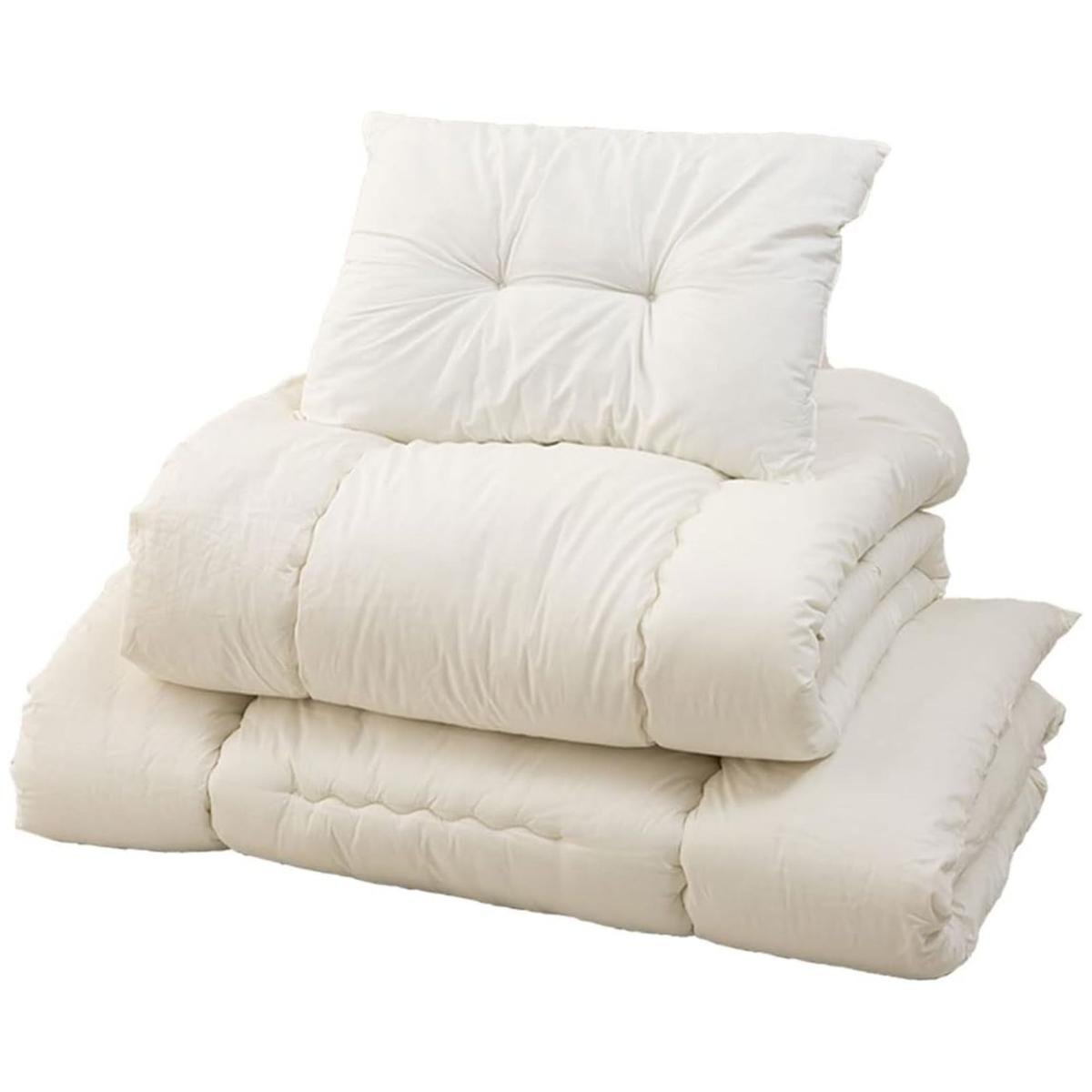
EMOOR Japanese Futon Set
This lightweight futon set includes a mattress, comforter, and pillow, making it easy to store away during the day, perfect for smaller spaces.
 Wrinkle resistant
Chinoiserie Duvet Cover (Queen)
If you're hesitant about a full futon, this beautiful duvet set adds a Japanese touch to your room, made from durable sateen with hidden ties.



