
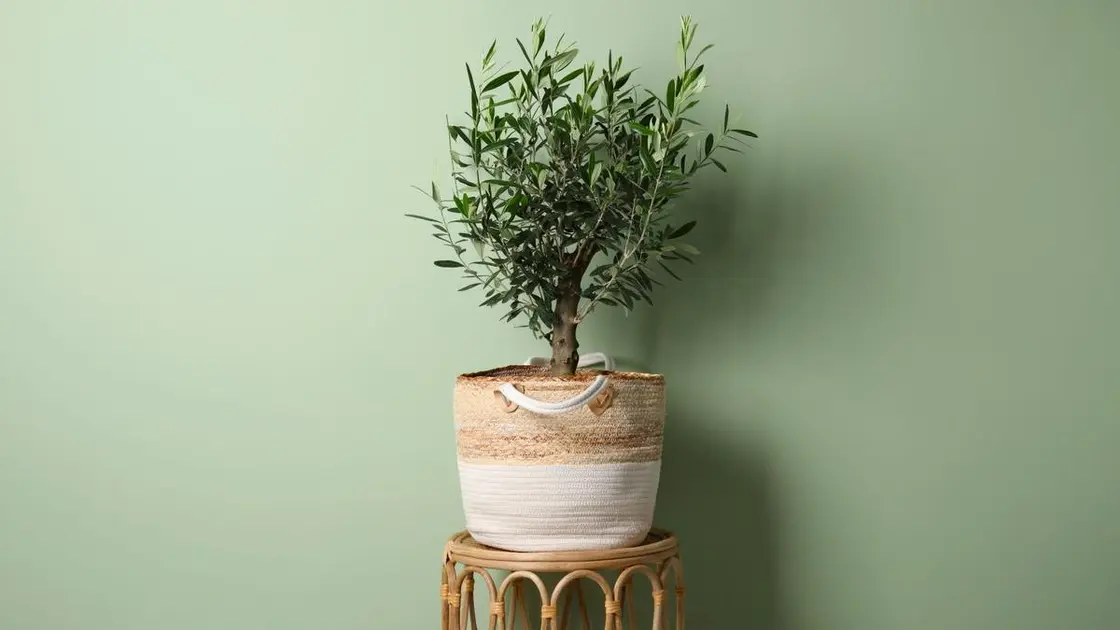
Indoor gardening allows enthusiasts to enhance their spaces with greenery, and fruit trees like olives can add beauty and utility to your home kitchen garden.
Caring for olive trees outdoors is straightforward in US hardiness zones 6 to 11, but transitioning them to an indoor space presents unique challenges. These trees, originally from Mediterranean areas, require specific conditions to flourish.
We consulted experts for their best advice on nurturing an olive tree indoors, helping you create a lush environment in your home.
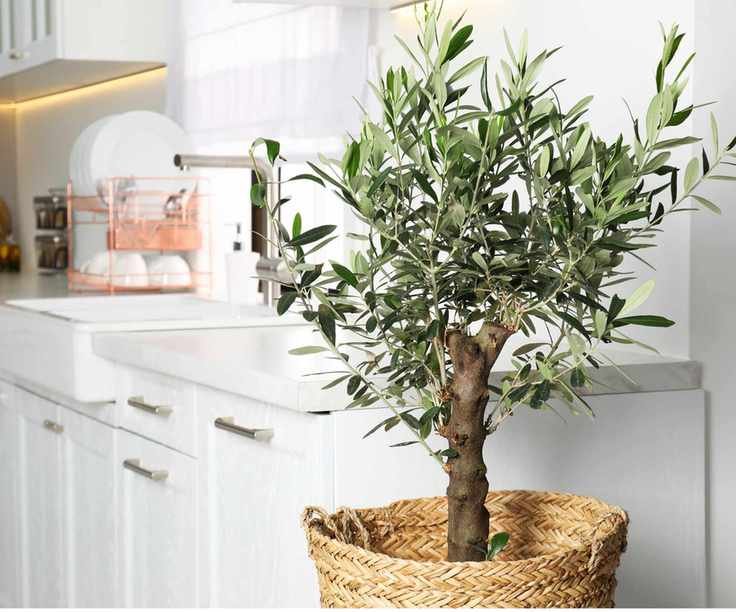
Indoor Olive Tree Care Tips
Successfully caring for tropical plants requires replicating their natural settings. Follow our expert recommendations to maintain a vibrant olive tree indoors.
1. Choose a Bright Location
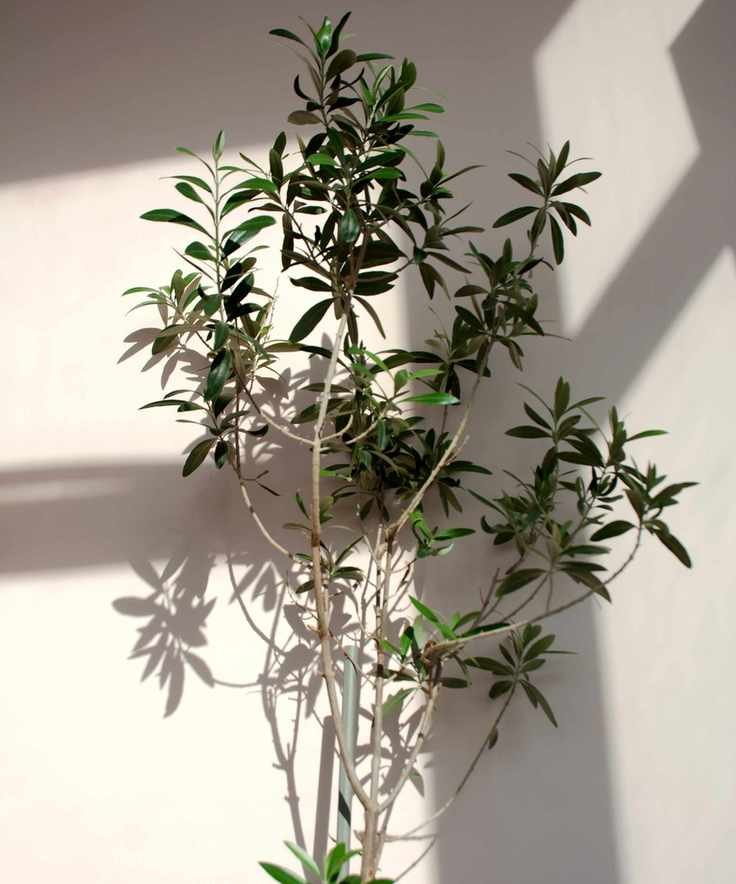
To grow an olive tree indoors, it's crucial to provide ample sunlight. Whether you're after fruit or just the aesthetic appeal, these trees thrive in bright environments.
"Olive trees are quite adaptable indoors if you can mimic their sunny origins," explains Evan Torchio, a tree specialist. "They need at least six hours of direct sunlight daily from a south-facing window," he adds.
In their natural habitat, these trees bask in direct light. Unlike low-light plants, olive trees can suffer in dim areas, potentially leading to leaf drop.
To ensure adequate lighting, consider investing in grow lights, especially if you live in hardiness zones 4 to 7. "Without proper lighting, particularly during cloudy winters, your olive tree may struggle," notes Diane Kuthy, founder of How To Grow Everything.
Grow lights are readily available online, such as this grow light from Amazon.

2. Maintain Consistent Moisture
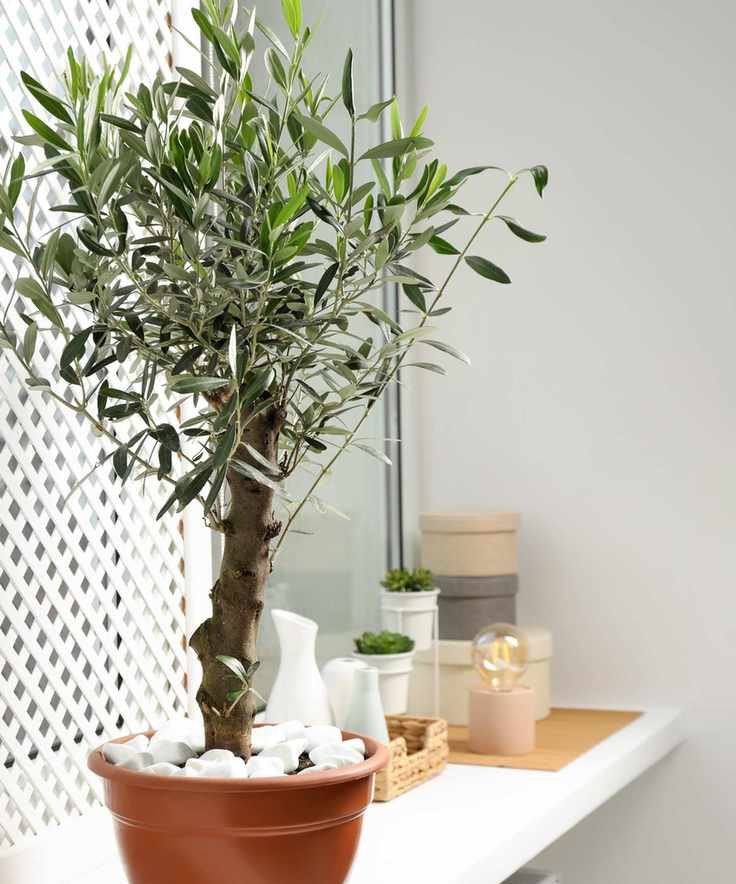
While olive trees tolerate drought, they prefer steady moisture levels, especially indoors where they miss out on natural rainfall.
"Water when the top inch of soil is dry, but avoid overwatering," advises Evan.
Overwatering can lead to root rot and other issues, so keeping an eye on moisture is key. You might find this soil moisture meter from Amazon helpful. Once the topsoil dries, it's time to water your olive tree.
"I recommend using watering globes or self-watering systems for trees like olive trees to ensure consistent moisture," shares Diane.
Self-watering pots, such as this self-watering planter from Amazon can help regulate moisture for your plant.

3. Ensure Adequate Warmth
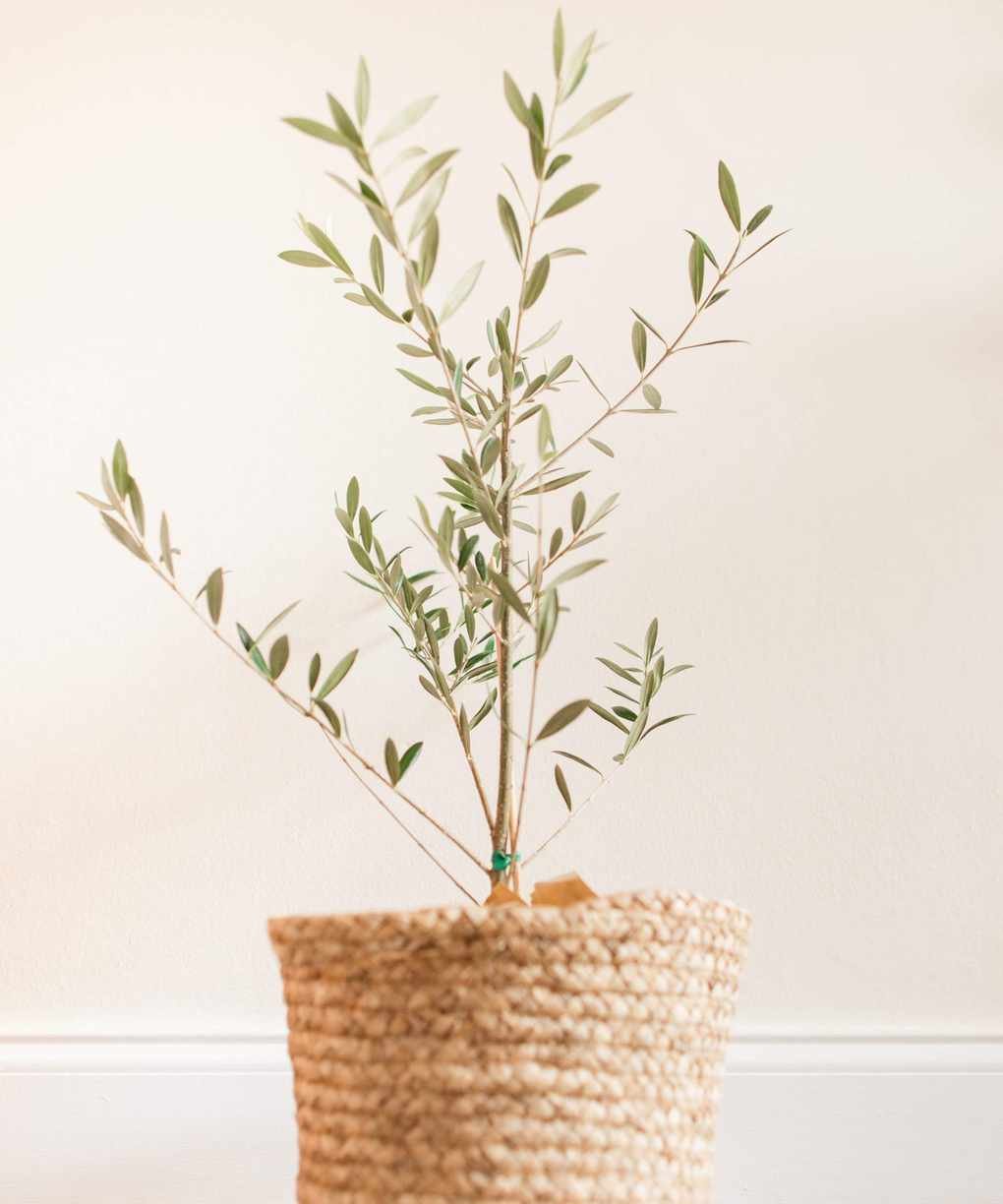
Indoor olive trees aren't known for being cold-tolerant. These plants thrive in warmer climates, making it essential to maintain a warm indoor temperature.
The ideal range for an olive tree is between 80-90°F. "Temperatures below 75°F can stress an olive tree," says Diane.
Keeping such warm temperatures can be challenging indoors and is a common reason why olive trees fail to thrive. If you opt to grow one indoors, a conservatory could provide the perfect environment with abundant light and warmth.
Frequently Asked Questions
Can I Harvest from My Indoor Olive Tree?
It typically takes a few years for an olive tree to mature enough to bear fruit. Ensure it receives enough sunlight, is properly watered, and is kept warm to support fruit production.
Should I Mist My Olive Tree?
Being native to humid Mediterranean regions, olive trees will benefit from regular misting indoors. You can find plant misters online, such as this plant mister from Greendigs. Increasing humidity can also be achieved by grouping plants together or utilizing a humidifier.
Growing olive trees indoors is feasible but comes with its own set of challenges. With the right conditions that mimic their natural habitat, your indoor olive tree can thrive beautifully for years to come.
If you're interested in easier indoor plants, explore the easiest trees to cultivate indoors.



