
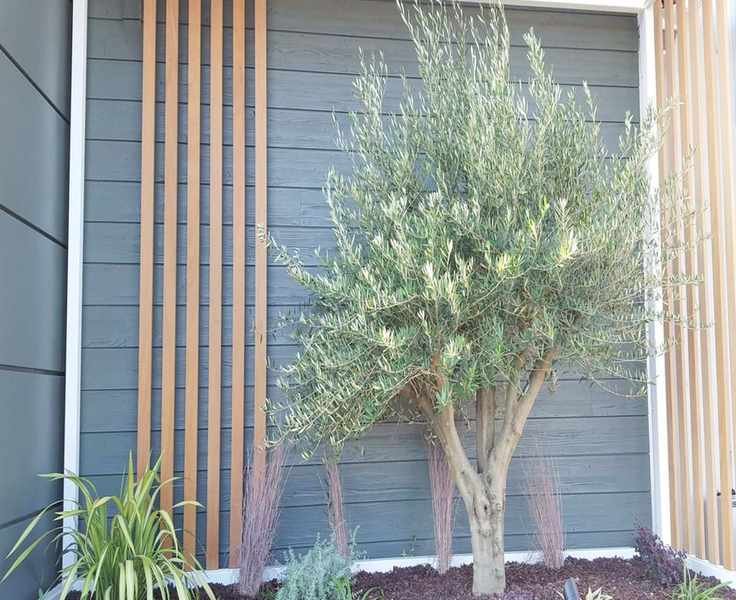
Olive trees thrive in hot, arid environments, making them fantastic additions to any garden. Their compact size allows for versatility, whether planted in beds, borders, or even indoors as fruit-bearing trees.
These evergreen trees are slow-growing and stately, requiring minimal maintenance once established. Simple pruning can help shape them and maximize olive production.
While some olive varieties are more drought-resistant than others, all become drought-tolerant once established. They benefit from occasional deep watering during dry spells.
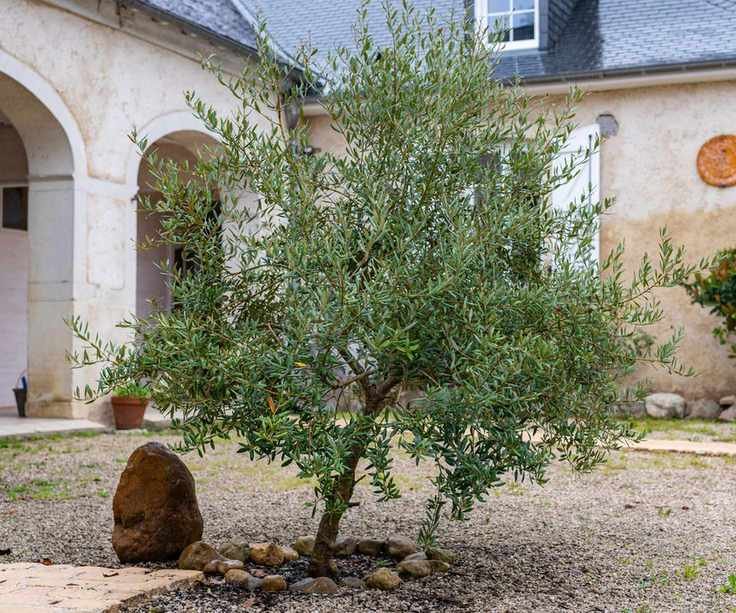
Olive trees are originally from the warm, dry regions of Africa, Asia, and Southern Europe
How drought-resistant are olive trees?
Olive trees are excellent choices for Mediterranean gardens and work well alongside other drought-resistant plants. They create a southern European ambiance in any backyard design.
These trees flourish in hot, dry conditions and are known for their exceptional drought tolerance. Their native habitat features warm summers and mild springs and falls.
While different subspecies and hybrids may exhibit varying drought resistance, olives as a whole are low-maintenance and don't require frequent watering. In fact, excessive water can lead to growth issues and root rot.
Only once established can olive trees withstand dry conditions effectively. Younger trees with underdeveloped roots need more frequent watering.
According to plant expert Meredith Gaines, a well-established olive tree has been planted for at least three years. She emphasizes the importance of adhering to a watering schedule during the initial years.
Olive trees are ideal for pot cultivation; however, those in containers require more consistent watering compared to ground-planted trees. Always check soil moisture a few inches below the surface before watering to avoid overwatering.

Which olive trees are the most drought-tolerant?
All olive trees can be classified as drought-tolerant, with their resilience increasing as they mature. Varieties like Arbequina, Frantoio, Maurino, and Koroneiki are particularly noted for their drought resistance. You can purchase Arbequina olive trees online.
Nastya Vasylchyshyna, a botany expert for the Plantum app, notes that while olive trees cannot thrive without water, they exhibit remarkable resilience and minimal yield loss during drought.

Do olive trees require abundant water?
Determining when to water can be challenging. While olive trees are drought-tolerant, they still need regular monitoring and hydration during hot, dry periods.
Failure to provide adequate moisture in early spring, from March to May, can hinder flowering and fruiting. Sufficient watering in summer is crucial for olive development, as lack of moisture may lead to shriveled fruit.
When watering, Meredith Gaines advises that olive trees prefer deep and infrequent watering. She suggests saturating the soil thoroughly less often, focusing on water volume rather than frequency.
To mimic natural conditions, it's best to water more during winter if rainfall is insufficient. Avoid pooling water around the roots, as this can adversely affect your harvest.
Nastya Vasylchyshyna recommends that a young tree needs about 4–5 gallons (15–20 liters) per watering session, while mature trees require more. For them, use approximately 5 gallons (20 liters) for every 11 square feet (1 square meter) of canopy area.
If you have a small garden and want to introduce Mediterranean charm, olive trees are among the best fruit trees for compact spaces. Even without garden beds, they thrive in pots, making them perfect for patios or decks.



