
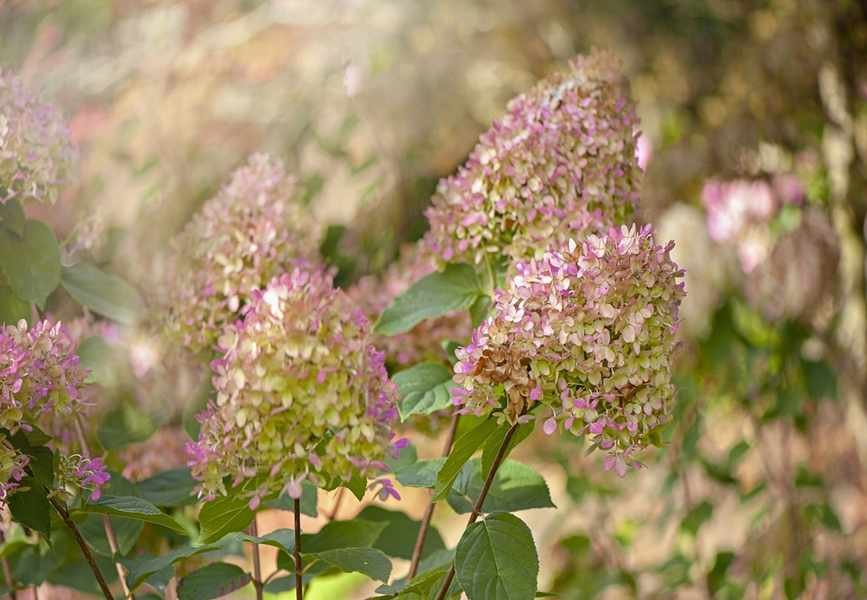
While keeping your garden tidy and encouraging new blooms is crucial, experts suggest reconsidering the quick removal of faded flowers. Leaving some spent blooms can actually benefit your garden significantly. Those fading flowers can turn into valuable seed heads, add visual interest over multiple seasons, and support wildlife as temperatures drop.
Completely cutting back is a common deadheading error, as it can strip structure, limit self-seeding, and remove features that enhance your garden in the late summer, fall, and winter.
Deadheading isn't entirely off the table; it just requires a discerning approach. Certain plants thrive when left alone after flowering, and these are the ones worth knowing about. Here are five plants you should avoid deadheading, along with reasons why they can enrich a more relaxed gardening style.
1. Hydrangeas
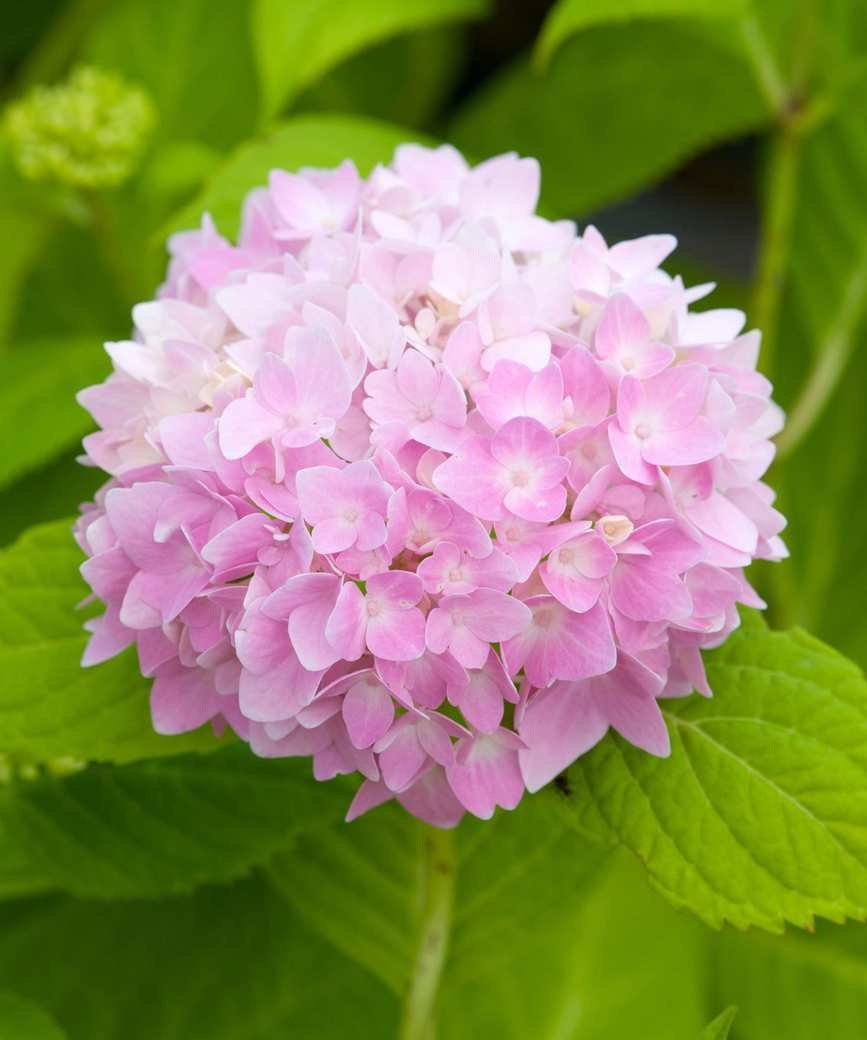
Avoid deadheading hydrangeas as it won't encourage new blooms; instead, enjoy the blooms as they start to brown.
Many hydrangea types feature evergreen leaves, but their blooms fade in the fall. Experts recommend putting the pruners away and appreciating these plants even when their petals discolor.
Particularly mophead and lacecap varieties form flower buds on old wood, meaning the next year's blooms are already developing beneath this season's flowers.
Removing fading flower heads prematurely can eliminate developing buds, impacting next year's display. Keep the flower heads through winter for added structure and seasonal appeal long after the color is gone.
2. Nigella
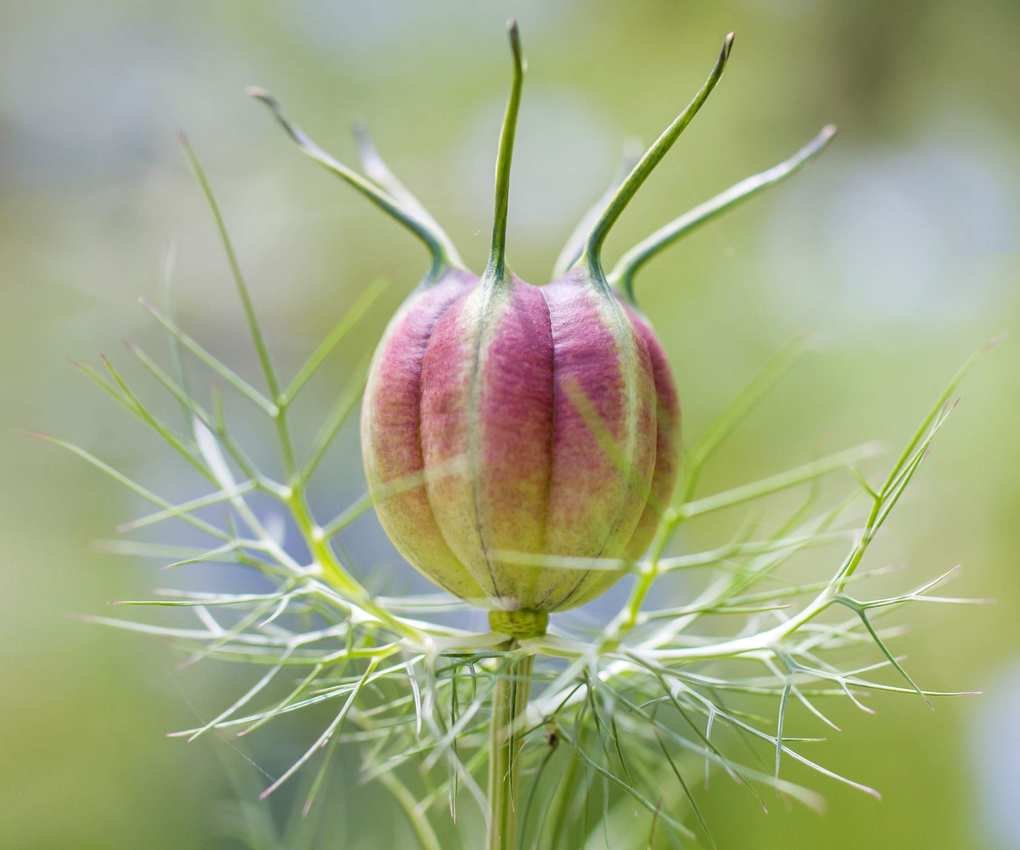
Nigella is one of the fastest-growing annuals perfect for summer gardens, valued for its delicate flowers and striking seed pods. Deadheading too early can mean sacrificing both aesthetics and potential harvest.
'Also known as love-in-a-mist, nigella is a self-seeding annual that needs to mature enough seeds for the next generation,' explains Dr. Mike Arnold, professor at the Texas A&M Department of Horticultural Sciences. 'Keep in mind that species that readily reseed can become weedy in favorable conditions,' he cautions.
Once allowed to fade naturally, nigella produces stunning, balloon-shaped seed heads that provide architectural interest well into fall and winter.
These sculptural forms, surrounded by fine bracts, can be as decorative as the blooms, while also ensuring a steady supply of seeds for future seasons.
Besides their visual appeal, nigella seeds are edible and commonly used in cooking, making mature pods a valuable harvest along with a self-sustaining display.
If you haven't added nigella to your garden, consider planting these nigella seeds from Burpee in spring.
Seed Sowing Essentials
- Reusable Seed Starting Tray
- Vintage-Style Seed Envelopes
- Seed Sowing Dispenser Hand
3. Honesty
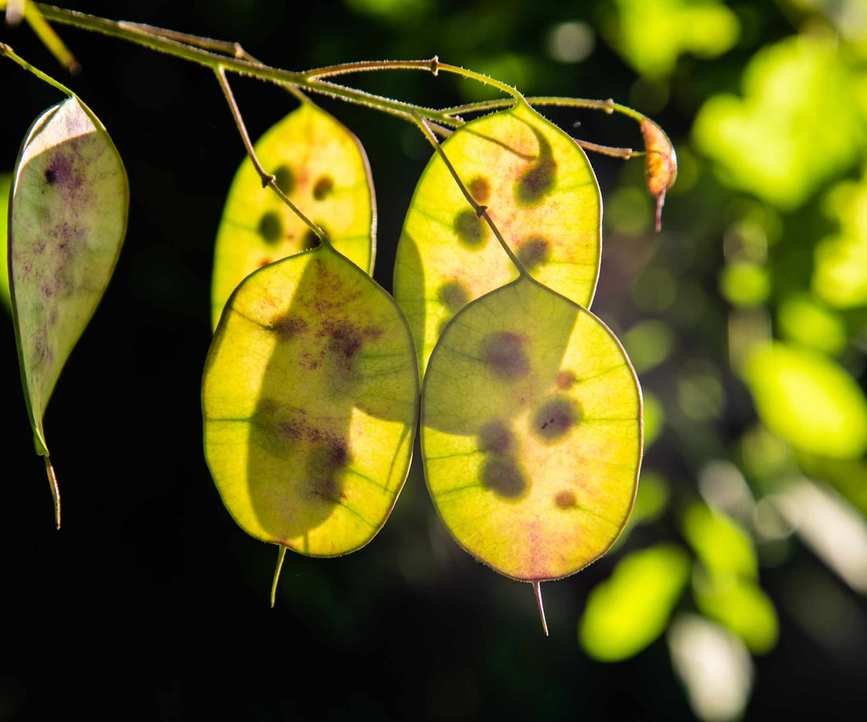
If you've opted for this biennial in your summer sowing, you'll love its beauty long after its blooms fade. Honesty, or Lunaria annua, is cherished for its unique flat seed pods that capture autumn sunlight beautifully as they transition into translucent white.
You can grow lunaria at home with these honesty seeds from Amazon.
Dark brown seeds nestled in delicate, papery pods emerge in late summer. These pods steal the spotlight and are especially delightful in dried flower arrangements.
Growing honesty is straightforward for those with sunny gardens and well-draining, fertile soil.
4. Miscanthus sinensis
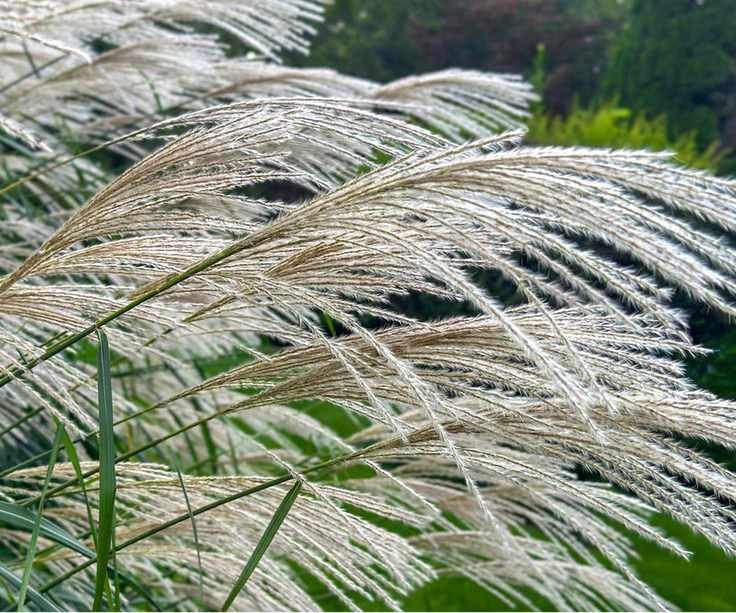
Beauty can extend beyond traditional flowering plants—many ornamental grasses shine long after their bloom, especially when you refrain from cutting them back too soon.
'Some plants produce captivating seed heads that prolong their visual appeal beyond flowering, like the Chinese silver grass (Miscanthus sinensis),' notes Mike.
With numerous miscanthus varieties, it stands out as a reliable grass for soft structure and movement, with elegant plumes that catch the light and add texture from late summer onward.
Miscanthus sinensis typically flowers from summer well into winter, its feathery blooms gradually fading to silvery hues that are particularly striking against frost and low winter light.
It's ideal to cut back miscanthus in early spring to encourage new growth, but don't rush to tidy it away—those fading plumes provide valuable height and winter interest when much of the garden has died back.
You can also gather seeds if you wish to propagate new plants or use these Miscanthus sinensis seeds from Amazon.
5. Camellias
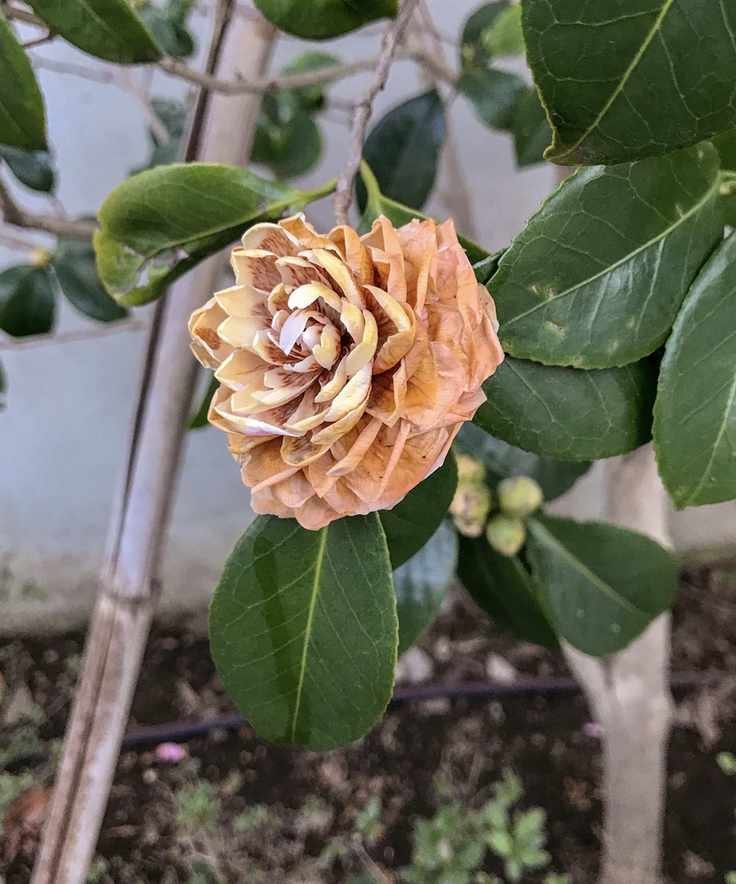
Another reason to skip deadheading is that some plants manage the task on their own. Camellias are a prime example, showcasing elegance effortlessly.
'They're self-cleaning, as spent blooms simply drop off without the need for deadheading,' explains Annette Hird, gardening expert.
Flowering from late fall to mid-spring, various camellia types offer a long-lasting display of pink, white, and yellow blooms that naturally fade and fall away. This low-maintenance trait sets them apart in the world of ornamental shrubs while still delivering a high impact.
To extend their flowering time before petals drop, fertilizing camellias can promote robust growth and a longer display. Proper pruning is also crucial for maintaining their health and shape, even if deadheading isn't needed.
If you're interested in adding camellias, explore a variety of stunning options available from Fast Growing Trees.
Choosing not to deadhead can enhance sculptural interest, allow for self-seeding, and provide self-cleaning advantages. However, don't forget the importance of meeting deadheading needs to keep your garden thriving.
To optimize your garden after blooming, explore the best plants for seed heads to enhance your landscape.



