

If you've recently sown grass seed and it's not sprouting, you might be feeling frustrated. Understanding the possible reasons for this can significantly help you address the issue and encourage your lawn to flourish.
Like any seed, grass seed aims to grow, but it requires suitable conditions to do so. Essential factors include soil quality, temperature, moisture levels, and the right type of seed for your climate. If any of these elements are unfavorable, grass seed may struggle to germinate successfully.
Let's delve into the details of why grass seed might not be germinating, so you can confidently plant, grow, or reseed your lawn.
6 Common Reasons Your Grass Seed Isn't Germinating
According to Susan Brandt, Co-Founder of Blooming Secrets, "Several factors can hinder grass seed growth, including poor soil quality, insufficient sunlight, inadequate water, extreme temperatures, low seed quality, and pest issues." If you're struggling with germination, there are steps you can take to improve the situation.
Once you identify these six common issues, along with the correct timing for sowing grass seed in your area, you'll greatly enhance your lawn's chances of thriving.
1. Incorrect Soil and Air Temperature
The timing of planting grass seed is crucial for its success, and temperature plays a significant role in germination. Grass seed requires warmth, and in cooler regions, soil temperatures can take time to rise enough to stimulate growth. For optimal results, wait until soil temperatures reach 46-50°F consistently for a two-week period before planting, as grass seed can struggle in cold conditions.
Stacie Krljanovic, Head Groundkeeper and advisor to Patio Productions, mentions that "Extreme temperatures, drought, or other environmental factors can hinder seed germination." It's important to choose the right planting time for your area and consider protective measures like shade cloth during extreme weather. If you continue to experience difficulties, consulting a lawn care professional or agricultural extension agent may provide further insights.
2. Excessive Wet or Dry Conditions
Grass seeds require consistent moisture to germinate effectively. Water activates the enzymes within the seed, helping to release energy and generate enough pressure for the shoot to emerge from its coating.
It's essential to maintain steady moisture levels because fluctuations can halt the germination process. Eric DeBoer, agronomist for Simple Lawn Solutions, advises, "Ensure you start with fresh seed and keep the seedbed consistently moist throughout the day. While overwatering can be detrimental, it's equally important that the seed does not dry out."
Water the newly sown grass seed once or multiple times daily for the first few weeks, depending on your climate. A fine mist from a lawn sprinkler works best for larger areas, minimizing the risk of dislodging the seed. Be sure to adjust the sprinkler to ensure all parts of the lawn receive adequate watering.
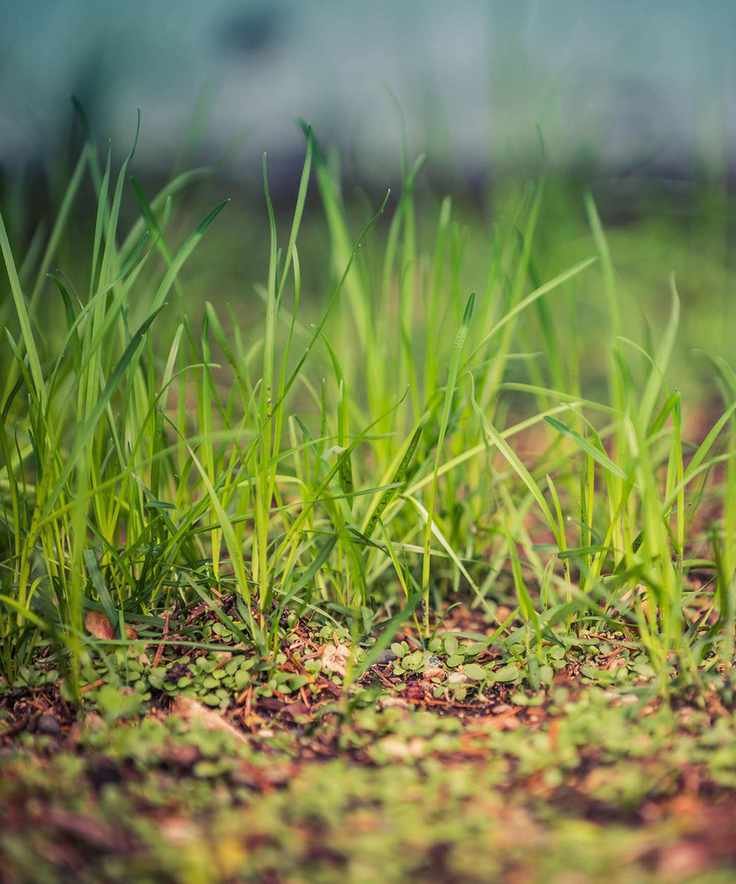
Grass seed requires ample moisture to thrive
3. Seed Planted at an Incorrect Depth
There is often confusion regarding the appropriate depth for sowing grass seed. Covering the seeds with soil is sometimes debated and can lead to germination issues.
Rhys Charles, CEO and Founder of Mower On The Lawn, explains, "If you've planted grass seed and it's not germinating, it might be because it wasn't buried deep enough in the soil." Grass seed should typically be sown at a depth of about 1/4 to 1/2 inch for proper germination. If the seeds are too shallow, they may dry out too quickly to sprout. If you suspect this is the case, dig up a small area to check the depth of the seeds. If they are too shallow, replant them at the correct depth and ensure they are well-watered.
Conversely, planting seeds too deeply can also lead to failure, as they may lack sufficient energy to break through the surface. Even if they do sprout, growth may be weak and sparse, resulting in a lawn that doesn't meet your expectations for thickness and vibrancy.
4. Unfamiliarity with Germination Timings
Choosing the right type of grass seed for your lawn is crucial, as different varieties thrive under different conditions. Options range from grass for full sun to drought-tolerant varieties. It's also vital to be aware that various grass types have distinct germination rates, which can be confusing for novice gardeners.
As Susan Brandt points out, "Different grasses have varying germination periods. Some fast-growing grass seeds can sprout in as little as a week to ten days, while others may take two to three weeks or longer. Familiarize yourself with the expected timelines for your chosen type."
Cool-season grasses tend to germinate more quickly than warm-season varieties. Perennial ryegrass is among the fastest, sprouting in 5-10 days, while finer tall fescue may take about 7-12 days. Warm-season grasses generally require more patience, taking longer to sprout and establish — sometimes up to eight weeks for the first cut and a year to fully mature. Popular warm-season options include Buffalo grass, which germinates in two to four weeks, and Zoysia grass, which takes two to three weeks.
5. Using Old or Poor Quality Seed
Germination issues can arise from using outdated seeds or those that have been improperly stored. Rhys Charles notes, "Germination failure could stem from the seed being stored in unsuitable conditions, leading it to become wet or moldy. If seeds are old or exposed to moisture, they may no longer be viable. Store seeds in a cool, dry place to help maintain their viability."
Like other natural products, grass seed has a shelf life. Beyond this period, viability may decline at an average rate of 10% per year. Most manufacturers recommend planting grass seed within two years of packaging, with the packaging typically indicating the sealing date.

Use your grass seed before its expiration date for the best chance of germination
6. Unsuitable Soil Conditions
Proper soil preparation is critical when establishing a new lawn or overseeding an existing one. If the soil conditions are inadequate, grass seed might fail to germinate.
Stacie Krljanovic emphasizes, "Grass seed requires nutrient-rich, well-aerated soil for successful growth. If the soil is compacted, lacking nutrients, or overly acidic, grass seed may struggle to grow properly. It's essential to prepare the soil adequately before seeding and consider incorporating compost or other organic materials to enhance soil health."
FAQs
Can Grass Seed Be Too Wet to Germinate?
Yes — overly wet conditions can impede grass seed germination. If seeds remain submerged in water for an extended period, they may rot, preventing growth. Success largely depends on how well the surrounding soil drains.
While most soil types drain adequately, there are steps to improve drainage. Aerating the lawn with an aerator machine or garden fork can help alleviate compacted soil, and adding a layer of topsoil or lawn sand can enhance the structure of heavy clay soil.


