
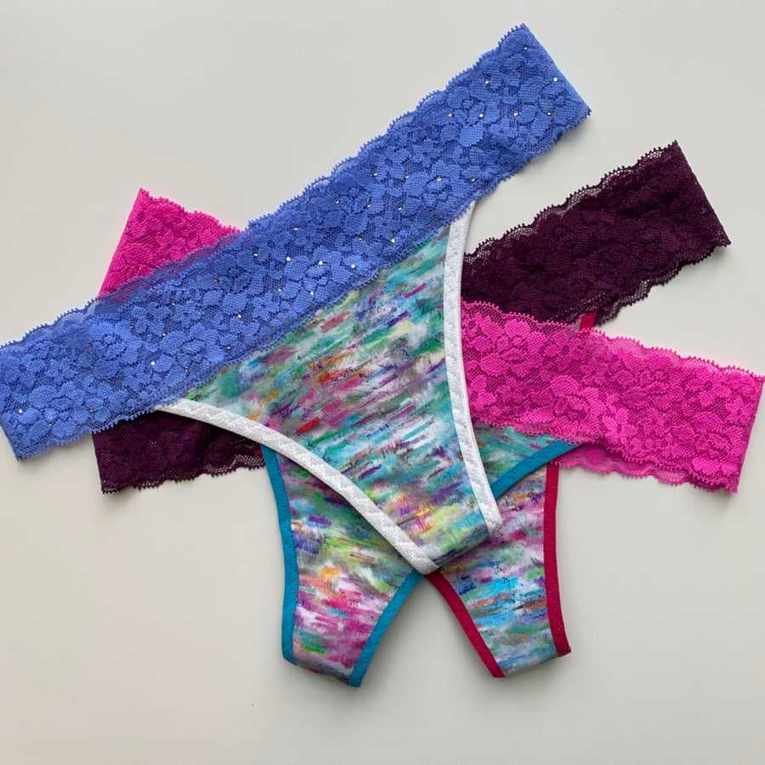
Main Reasons Women Wear Thongs
If you've ever pondered the popularity of thongs among women, the answer is complex. It's not just about being sexy or wearing something uncomfortable. For many, thongs serve practical purposes, while others find them surprisingly comfortable after some adjustment. However, they do have drawbacks, particularly regarding health and comfort for certain body types.
Here are the key reasons for choosing thongs:
- Preventing visible panty lines (VPL) under tight dresses, leggings, and skinny jeans.
- Better fit under certain garments like bodycon skirts, yoga pants, and lightweight materials.
- Boosting confidence and sexiness, even when not on display.
- Comfort after acclimatization, with less bunching and no riding up.
- Ideal for workouts with compression leggings and athletic wear.
- Breathability in hot weather due to minimal fabric against the skin.
- Fashion alignment with athleisure and fitted styles.
Of course, not every woman enjoys wearing thongs. Individual preferences, body shapes, and health histories can greatly influence whether thongs feel freeing or frustrating. If you've tried them and disliked the experience, you're far from alone.
Understanding the Thong
Thong underwear features a standard or slightly reduced front panel with a narrow strip of fabric at the back that runs between the buttocks, leaving most or all of the cheeks exposed. This design aims to eliminate visible panty lines under fitted clothing.
While thongs are worn by all genders, this article focuses on women, as this is often how the question arises. The basic principles apply universally, though styles and sizes can vary.
Common Thong Styles:
- Classic thong – A regular waistband with a narrow back strip; a staple choice.
- G-string – The most minimal option, featuring a tiny front triangle and string-like waistband.
- T-back – Similar to a G-string but with a T-shaped connection at the back.
- Tanga thong – Offers more side coverage and a fuller back; often deemed more beginner-friendly.
- Cheeky thong – Exposes part of the buttocks while providing more coverage than a G-string.
- High-waisted thong – Features a high-rise waistband paired with a thong back for high-waisted styles.
Materials often include cotton, modal, microfiber, lace, mesh, and bamboo blends. Sizes typically range from XS to XXL, with expanded options growing more common since the 2010s.
The choice of cut and fabric significantly influences comfort and visibility under clothing. A seamless microfiber thong can virtually disappear under leggings, while thick lace may hinder the intended purpose.
Comfort: Why Some Prefer Thongs
The belief that thongs are inherently uncomfortable isn't shared by all women. Many find them more comfortable than traditional panties, especially after adjusting to the fit.
The reasoning is straightforward: less material means fewer chances for bunching, shifting, or wedgies beneath tight jeans or leggings. Wearing briefs or boyshorts often results in constant adjustments, while a thong simply settles where it’s needed.
Factors contributing to thong comfort include:
- Correct sizing is crucial; too small leads to discomfort, while sizing up can help.
- Wider sides and a soft, stretchy waistband distribute pressure and prevent hip lines.
- Seamless or bonded edges minimize friction points that can cause irritation.
- Cotton-spandex blends and microfiber feel light against the skin.
Thongs are especially effective under:
- Skinny jeans and jeggings where conventional panties would bunch.
- Yoga pants and fitted workout leggings.
- Pencil skirts and tailored trousers.
- Fitted summer shorts.
Many women require a few wears to adapt to thongs. What feels odd on the first day can become unnoticeable within a week.
When are thongs uncomfortable? Common issues arise from tight elastic, rough lace, mismatched rise, or wearing a size too small. Poor construction often contributes to discomfort.
Addressing Visible Panty Lines (VPL)
Visible panty lines occur when the outline of underwear shows through clothing. For many women, VPL in professional or social settings feels unrefined, making thongs a practical solution short of going commando.
Common scenarios for wearing thongs:
- Under bodycon dresses, pencil skirts, and slip dresses for special occasions.
- With skinny jeans or jeggings, avoiding outlines at the hips and rear.
- Under gym leggings or bike shorts, particularly lighter colors that easily show seams.
- With thin summer fabrics like linen or silk.
- Under white or cream pants where any texture can be visible.
Thongs provide a hygienic barrier without the lines created by full underwear. Some brands offer “no-show” seamless briefs to minimize VPL, but many find thongs more reliable under clingy materials.
For some women, specific outfits necessitate thongs, leading to a mental catalog of which garments require them. It's a practical approach to dressing.
Sexiness, Confidence, and Body Image
Thongs are often linked to sex appeal. Since the late 1990s, marketing and pop culture have positioned them as the go-to “sexy” underwear choice, influencing why many women wear them.
How thongs relate to confidence:
- Many women feel sexy or “put together” in thongs, even when no one else sees them.
- Visible thong straps in early 2000s pop culture made them a style statement.
- Feeling attractive in underwear can enhance confidence in daily life.
- Different styles reflect different moods: sporty cotton, delicate lace, or strappy designs convey varying vibes.
It's essential to recognize that feeling “sexy” doesn't always require an audience. Many women purchase appealing thongs for themselves, fostering confidence from within.
However, sexiness is subjective; some women feel most attractive in full-coverage briefs or boyshorts. The right underwear is whatever makes you feel comfortable.
Thongs and Body Shape
Beyond eliminating VPL, thongs can influence how clothes fit, which matters for those concerned about how outfits look from behind.
Effects of thong cuts on silhouette:
- A thong avoids cutting across the buttocks, allowing the natural shape to be visible.
- Full-coverage briefs might create a visible line mid-cheek, impacting visual appeal.
- High-waisted thongs work well with high-rise fashion, enhancing the “hip cleavage” look.
- Smooth waistbands prevent muffin top effects caused by tight elastic.
- Women with fuller hips may find thongs more flattering than brief-style panties.
Not all women share this view; some prefer boyshorts or high-rise briefs for their fit. Ultimately, it's about personal comfort and style.
Practical Uses: Workouts and Hot Weather
Many women consider thongs practical daily underwear, addressing specific needs.
Why thongs excel during workouts:
- Under compression leggings, they stay in place without shifting.
- For squats and lunges, less fabric means fewer adjustments.
- Seamless athletic thongs are now staples in gym wardrobes.
Some may prefer seamless shorts or boyshorts for workouts to avoid chafing; personal preference plays a significant role.
Why thongs are better in hot weather:
- Minimal coverage reduces heat and moisture retention.
- Breathable materials like cotton wick sweat better than synthetic options.
- In humid conditions, thongs can feel cooler than briefs.
Everyday practicality:
- Many women have a “thong drawer” designated for specific outfits.
- Thongs reduce bulk when packing for travel, handling various outfits with one style.
- Quick-dry fabrics simplify handwashing during trips.
Think about lightweight trousers in summer or fitted dresses for work—these are situations where thongs prove their worth.
When Thongs Aren't Ideal
Despite their advantages, many women dislike thongs, and that's completely valid. Not all bodies or preferences align with minimalistic underwear.
Common complaints from thong skeptics:
- A persistent “wedgie” sensation, especially during initial wears or with overly tight styles.
- Chafing at the waistband or back strip due to rough seams or non-stretchy fabric.
- Digging and red marks from narrow straps after sitting for extended periods.
- Increased sensitivity during long sitting sessions, such as office work or cycling.
- The unease of feeling constantly aware of the underwear.
Often, poor construction is the source of discomfort. Thick seams, rough lace, and improper sizing can turn well-designed thongs into sources of irritation.
Possible solutions for those willing to try:
- Experiment with rises—mid versus high—to find the best fit.
- Opt for styles with wider side panels to distribute pressure evenly.
- Consider sizing up if you're between sizes.
- Switch to seamless briefs or “no-show” hipsters if thongs don't suit you.
Sometimes, the clear answer is that thongs aren't for you, and that’s perfectly acceptable.
Health Considerations
Medical insights about thongs are often more cautious than marketing might suggest. Research from the early 2020s highlights several plausible health risks.
Key observations from health professionals:
- The narrow back strip can potentially transport bacteria from the anal area to the vulva, increasing the risk of infections for some women.
- Non-breathable materials can trap moisture, creating an environment conducive to yeast and bacteria.
- A breathable cotton gusset is recommended for daily wear to reduce moisture buildup.
- Quickly changing out of sweaty thongs post-workout can help prevent irritation.
- Women with recurrent infections should limit thong use or save them for shorter durations.
Hygiene practices to maintain:
- Change underwear daily.
- Wash thongs in hot water after each wear.
- Avoid heavily scented detergents on intimate apparel.
- Select cotton or cotton-gusset styles for everyday use.
For most healthy women, regular thong wear isn't inherently harmful. However, if you notice irritation or infections correlating with wearing thongs, it's wise to take note.
Thongs and Menstruation
Thongs and menstrual pads generally don’t pair well, which is a matter of basic geometry.
Reasons for the incompatibility:
- Pads need a wider surface for adherence; thongs usually lack sufficient gusset area.
- Narrow gussets lead to shifting and potential leaks.
- Increased moisture during periods can heighten irritation risks when combined with minimal coverage.
- Limited fabric can quickly become inadequate during heavier flow days.
Preferred alternatives:
- Switch to briefs, bikinis, or period underwear during menstruation.
- Use tampons or menstrual cups while wearing thongs, best suited for lighter days.
- Reserve full-coverage underwear for the menstrual cycle.
Although specialized “period thongs” are available, most women find it simpler to rotate underwear styles throughout their cycle.
Skin Sensitivity and Clothing
Your underwear touches some of the most sensitive skin on your body. Fabric selection is crucial.
Potential issues with minimal coverage:
- Tight jeans or leggings dyed with strong colors can cause friction and transfer dyes onto skin more directly.
- Those with eczema or sensitive skin may react to certain dyes or elastic materials.
- Full-coverage cotton briefs can provide a protective barrier against rough or heavily dyed clothing.
- Poorly breathable synthetic materials can trap irritants against the skin.
Tips for sensitive skin:
- Opt for undyed or light-colored cotton thongs.
- Wash new underwear prior to wearing to eliminate manufacturing residues.
- Use hypoallergenic, fragrance-free detergent for intimate garments.
- Consider thongs with cotton gussets, even if the outer fabric is synthetic.
While severe reactions to underwear are uncommon, being cautious with sensitive fabrics is wise. Persistent rashes should be evaluated by a dermatologist.
Changing Social Norms
Perceptions of thongs have shifted significantly over the last thirty years, evolving from niche items to everyday essentials.
Evolution of attitudes:
- Late 1990s–early 2000s: Thongs gained mainstream popularity, heavily promoted by lingerie brands, with visible straps becoming trendy.
- Mid-2000s–2010s: Cultural backlash framed visible thongs as “trashy,” leading to stigma among some women.
- 2015 onward: Athleisure's rise and social media reframed thongs as comfortable, everyday items; seamless styles marketed for active wear.
- Current trends: Younger generations often view thongs as basic, while older individuals may still associate them with sexuality.
Some women hesitate to discuss their underwear choices due to lingering stigma, despite thongs being commonplace in lingerie sales. The disparity between actual wearing habits and open discussions varies by social context and generation.
Choosing the Right Thong
If you're interested in trying thongs or revisiting them after a negative experience, here are some practical tips that prioritize comfort.
Getting started:
- Begin with breathable cotton or modal thongs in your usual size; consider sizing up if you're between sizes.
- Experiment with different rises (low, mid, high) and widths to minimize digging.
- For everyday wear, choose seamless, smooth designs; save intricate lace or strappy G-strings for special occasions.
- Take your time; start with a few hours at home before wearing them for a full day.
Listening to your body:
- Pay attention to how you feel over several weeks of intermittent wear.
- Discomfort or irritation indicates that thongs might not suit your body.
- Some women prefer thongs for specific outfits but choose briefs otherwise; mixing styles is perfectly normal.
When to reconsider:
- If you've explored various brands, sizes, and styles without success, it may be best to move on.
- It's perfectly valid to favor boyshorts, briefs, or high-waisted panties instead.
- There's no universally “correct” underwear style; it's about what feels right for your body.
So Why Do Women Wear Thongs?
Women wear thongs for a blend of practical and personal reasons: to avoid visible panty lines, feel sexy and confident, enjoy comfort after acclimatization, and complement specific wardrobes like gym gear and fitted dresses. The motivations often revolve around solving everyday clothing issues and embracing personal comfort.
However, thongs do come with limitations. They aren't ideal during menstruation, can contribute to health concerns for some, and may feel uncomfortable for many regardless of brand or fit.
Final Thoughts
Thongs are just one option in your underwear drawer, not a measure of femininity or attractiveness. Prioritizing comfort, health, and personal preference is vital over trends or external expectations. Rotating between various underwear styles can balance aesthetics, hygiene, and comfort. The “right” underwear is whatever makes you feel good and keeps your body healthy.
Ultimately, many women choose thongs because they suit their bodies, wardrobes, and sense of confidence. If that resonates with you, fantastic. If not, that's perfectly fine too. The only opinion that truly matters about your underwear is yours.



