

As summer approaches, many of us look forward to enjoying our outdoor spaces, whether it's hosting friends or soaking up the sunshine. Unfortunately, this idyllic scene can be disrupted by pesky insects. Enter orange peels.
To keep your patio free from unwanted bugs, orange peels offer a surprisingly simple solution. These citrus remnants not only repel pests but also bring a variety of benefits, making them an excellent choice for gardeners seeking natural pest control.
This patio hack might seem unconventional but is effective for maintaining your outdoor spaces this spring and beyond. Here's how you can utilize orange peels to keep pests at bay.
Why Orange Peels Work Against Pests
"We know that spices can ward off garden pests, but citrus also serves as a common natural repellent for many annoying bugs," explains a pest control expert. "Placing orange peels around your patio can effectively deter insects like flies and mosquitoes from invading your outdoor areas."
A Natural Solution
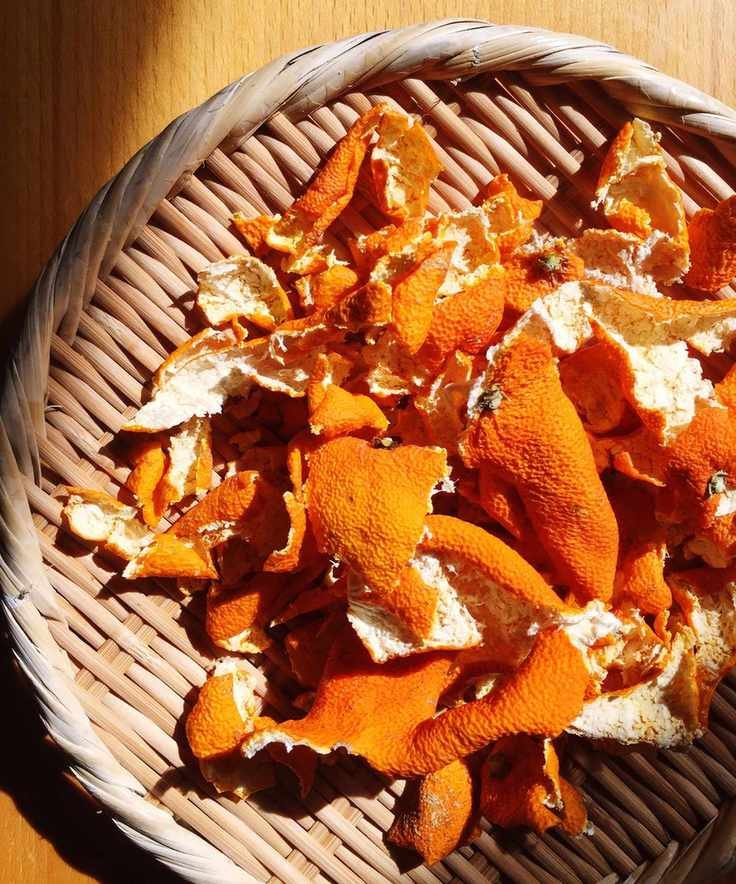
The potent citrus aroma of orange peels is off-putting to numerous common garden pests, such as ants, flies, and mosquitoes. These peels contain limonene, a natural compound toxic to insects but safe for plants and animals. This makes orange peels an effective bug repellant," notes an entomologist.
Additionally, they help mask the scents that attract these pests. Insects rely heavily on their sense of smell to locate food, which can be exploited by using scents they dislike to divert them away from your home.
Benefits of Using Orange Peels
Eco-friendly: "Using orange peels reduces the need for chemical pesticides, promoting a more sustainable approach at home," a pest control expert says. "Chemical repellents can harm both the environment and the health of pets and people. By choosing natural options like orange peels, you support a healthier ecosystem and adhere to organic gardening practices."
Cost-effective and Practical: Orange peels are a cost-efficient and convenient pest control option, especially for those who enjoy eating oranges. Instead of purchasing commercial insect repellents, you can repurpose kitchen scraps. This not only saves money but also minimizes food waste, aligning with eco-conscious choices.
Considerations
Potential to Attract Other Pests: "If not managed properly, orange peels can draw larger pests like wasps or rodents," warns an expert. Regularly replacing the peels and ensuring they are not in excess is vital to avoid unwanted visitors.
Messy Cleanup: "While biodegradable, peels should be removed or replaced once they start to mold to keep your patio and garden clean and healthy," the expert adds.
How to Utilize Orange Peels for Pest Control
According to gardening experts, there are two primary methods to incorporate orange peels into your pest management strategy: using a spray or placing chopped peels around your plants.
1. Make an Orange Peel Spray
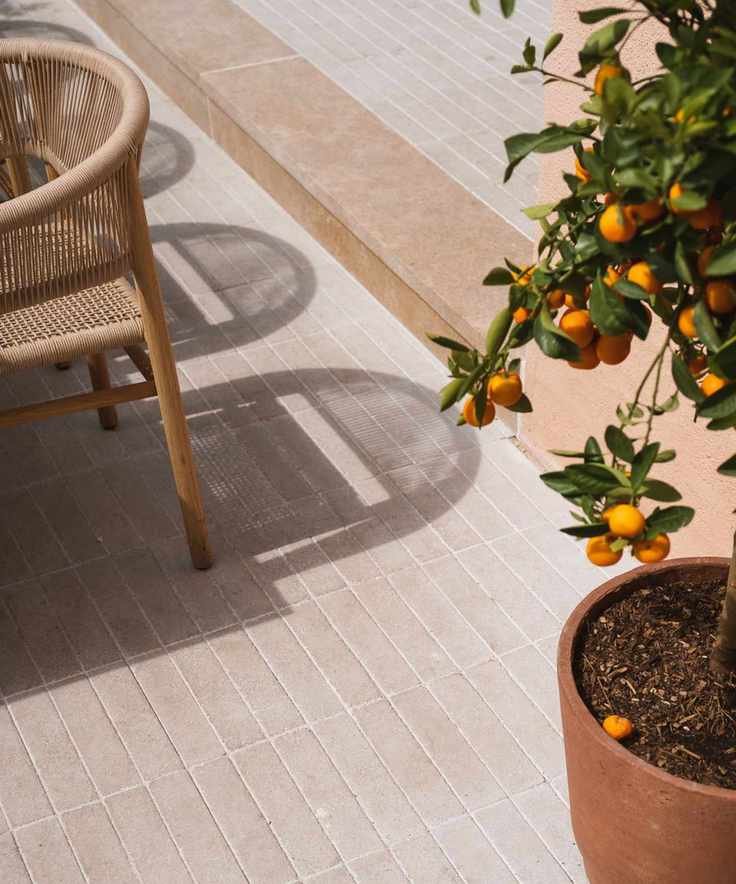
While spreading orange peels around your patio is one method, it can affect the look of your space and require frequent cleaning. A more discreet option is to create a homemade bug spray. Simply boil a few orange peels in a cup of water for ten minutes, then strain the mixture into a spray bottle once cooled.
"Apply this spray every 3-4 days to repel pests like slugs, aphids, ants, and fruit flies," an expert advises. This solution is also effective indoors, protecting your indoor plants as well.
Alternatively, you can grind the peels in a food processor and mix the resulting powder with water in a spray bottle.
For enhanced potency, soaking the peels in white vinegar for one to two weeks can create an even stronger spray, according to another gardening expert.
Hula Home Continuous Spray Bottle | Was $14.99, now $7.99 at Amazon
Use this stylish bottle to store your DIY pest spray.
2. Employ Chopped Orange Peels

Another approach is to chop or grind orange peels into small pieces. Distribute these dried peels strategically around plants, seating areas, and zones where pests are frequently spotted to create a pest-free environment without harsh chemicals.
Remember to replace the peels once they dry out.
Additionally, an expert advises against placing orange flesh along with the peels, as the sugars may attract some unwanted insects.
Can Orange Peels Benefit Your Soil?
Orange peels not only keep pests at bay but also add nutrients to your soil, enhancing plant growth. Experts suggest mixing chopped peels into the soil around your plants or burying them a few inches deep to prevent attracting unwanted pests.
As peels decompose, they release compounds that enrich the soil with essential nutrients like nitrogen, phosphorus, and potassium, improving soil texture and water retention.
This method not only deters pests but also boosts soil health.
Before tossing your orange peels, consider their usefulness. Timing is essential, and other scents, such as herbal or floral aromas, can also interfere with insects' ability to detect food. Embrace natural methods, like planting pest-repelling plants, to keep your garden thriving and peaceful.


