
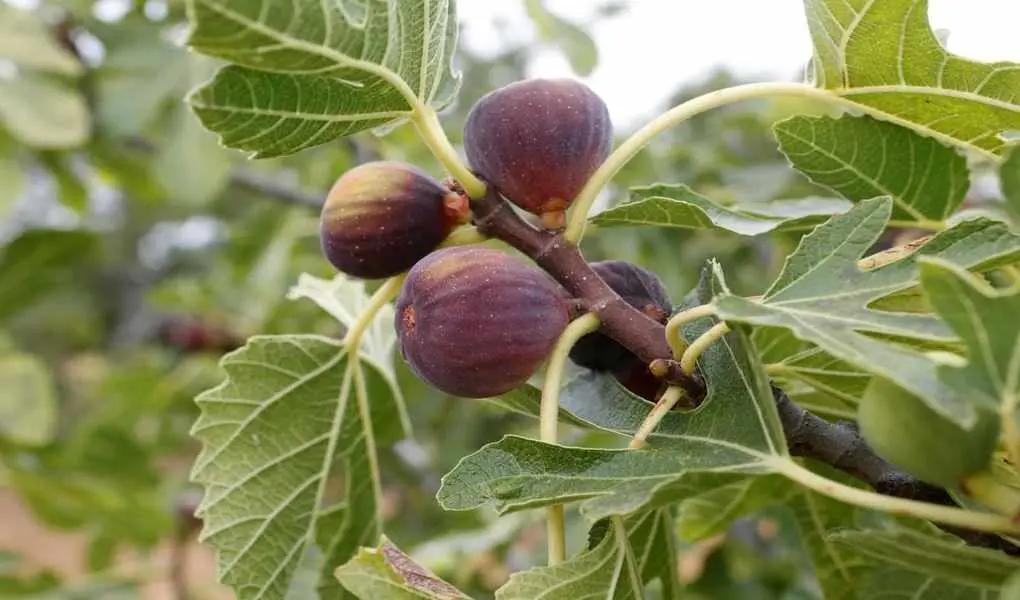
Figs are not only delicious but also a delight to grow. Their soft, sweet interiors make them a favorite, but they thrive best in warm climates. Even so, you can successfully cultivate a fig tree in cooler areas and still enjoy a fruitful harvest.
In Mediterranean regions, fig trees flourish due to stable temperatures. However, in colder hardiness zones, it's necessary to take precautions to protect them during winter.
Why You Should Winterize Fig Trees
If your area experiences freezing temperatures, winterizing your fig tree is essential, whether it's planted in the soil or in a pot. Let's explore the methods for both scenarios.
Mature fig trees can handle temperatures as low as 14°F, but they require protection if the temperature drops beyond that. Start by removing any medium-sized, unripe figs from the branches, as they won't mature and may lead to disease if left.
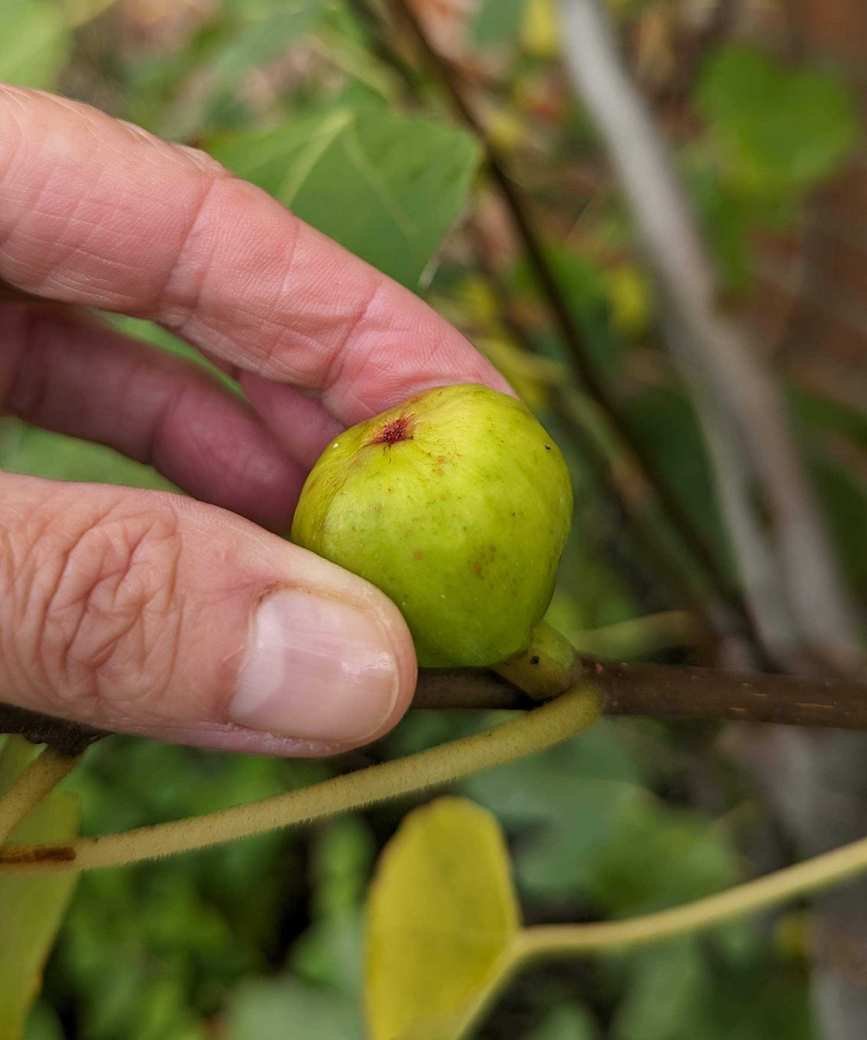
Remove unripe figs in the fall as they won't get any larger next summer
Winterizing Fig Trees in the Ground
Fig trees thrive best when planted in the ground, particularly in sunny locations or against warm walls. After the leaves have fallen in autumn, prune your fig tree if necessary. If possible, bundle the branches upright with sturdy twine like this Rophomor heavy-duty jute twine on Amazon to prevent them from swaying in high winds.
Next, wrap the branches in burlap, frost blankets, or a fleece cover such as Refasten plant covers available on Amazon. Secure the covering before constructing a protective basket around the lower trunk with wood and chicken wire, filling it with leaves or hay, then encasing it in frost insulation fleece or bubble wrap.
Keep this setup until the frost has passed and temperatures consistently exceed 40°F, particularly at night.

Tie the fig's branches together and wrap in burlap, insulating fleece or a fleece cover
Winterizing Potted Fig Trees
Container-grown fig trees are ideal for small gardens, as they typically stay smaller yet still yield delicious fruits. Winterizing a potted fig tree is simpler; once its leaves have fallen, move it to a cool, frost-free location.
Water the tree once a month, and come spring, when new buds appear, you can return it outside to a sheltered area once temperatures are above 40°F.
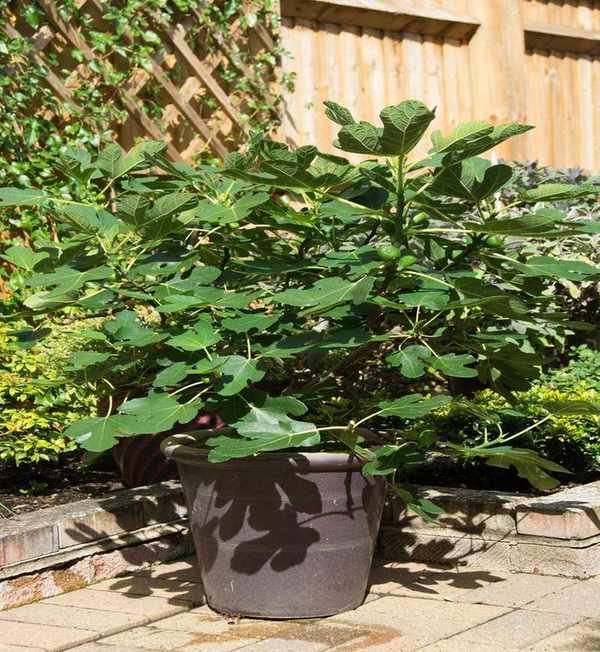
Potted fig trees are relatively easy to winterize
FAQs
Can I Bring My Fig Inside?
It's best to keep your fig tree in a cool, frost-free garage, shed, or greenhouse.
Why Does My Fig Leak White Fluid?
The white fluid seen from pruning cuts is sap or latex. Excessive loss of sap can weaken the tree, which is why pruning is typically done in late fall when the tree is dormant and sap levels are low.
Is Fig Sap Harmful?
Some plants produce sap that can irritate skin and eyes, and figs are among them. The combination of fig sap and sunlight can cause skin irritation, so always wear gloves and long sleeves while pruning.
How Long Do Fig Trees Live?
Figs can live for centuries. A notable fig in Lambeth Palace, London, was planted in 1556 during the reign of Mary I, when London's population was around 100,000.
During that time, Lambeth was a marshy area, far from the bustling heart of today's capital city.
By late summer, you may notice overripe figs that have split. While they may not be suitable for eating, they serve as a vital food source for birds and other wildlife preparing for winter.



