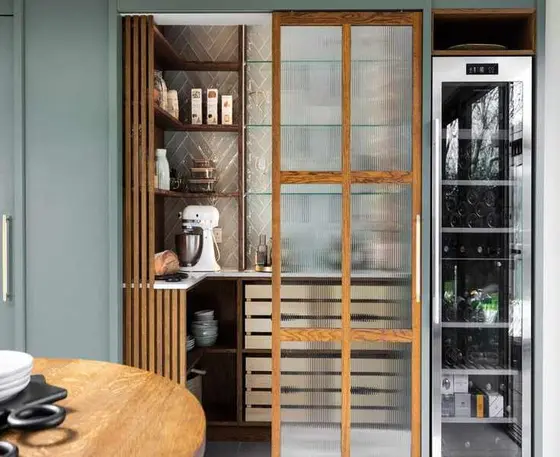
If your kitchen storage feels cluttered, it's time for a fresh approach to organizing plates. A well-arranged space not only looks appealing but also makes cooking and serving meals a pleasure.
Plates tend to accumulate, so sorting them out is essential before you arrange your kitchen cabinets or kitchen drawers. Streamlining your collection makes for simpler access and a smoother cooking process – no one enjoys lukewarm food!
We've consulted experts to compile the best tips for keeping your crockery in check, from storage solutions to decluttering methods.
Organizing Plates in Your Kitchen
Before you dive into organizing your plates, think about their storage location. Efficient cooking involves not only preparation but also how you plate and clean up afterward while arranging your kitchen.
Your everyday dishes and crockery should be prioritized in your kitchen organization strategy. Aim for a spot that's easy to reach, ideally near your sink or dishwasher.
1. Evaluate Your Crockery Collection
To create a tidy kitchen, start by addressing any overcrowded cabinets. Begin by removing any plates that are chipped or cracked. These can harbor germs, making it essential to replace them for both hygiene and organization, as noted by experts.
Assess which dishes you truly utilize – you may realize it's much less than you expect. Ask yourself: Do I need this? If not, consider donating items in good condition.
2. Relocate Unused Plates
Don't waste valuable storage space on rarely used dishes, especially when organizing smaller kitchens.
Reserve dishes for special occasions or sentimental pieces on high shelves or sideboards. Professional organizer Amanda Wiss suggests that if you only use them a few times a year, this is an acceptable strategy.
Murat Yasher, a kitchen planner, also recommends using protective covers for fragile items to prevent chips.
3. Categorize by Type

Grouping plates by type aids in efficient stacking. Keep sets together or categorize by size and style, such as side plates, dinner plates, and serving platters.
4. Factor in Usage Frequency
While sorting, separate the plates you use daily and set them aside. Creating a dedicated space for these will minimize the hassle of searching through stacks and reduce the risk of breakage. Store everyday dishes in easily accessible areas, like mid-height shelves or drawers.
5. Arrange Plates for Your Workflow
When organizing, consider how you typically plate your food. Dishes should be near the dishwasher or serving area for maximum convenience. For instance, if you serve from the stove, store plates accordingly to streamline the process, as advised by organizer Mary Jo Contello.
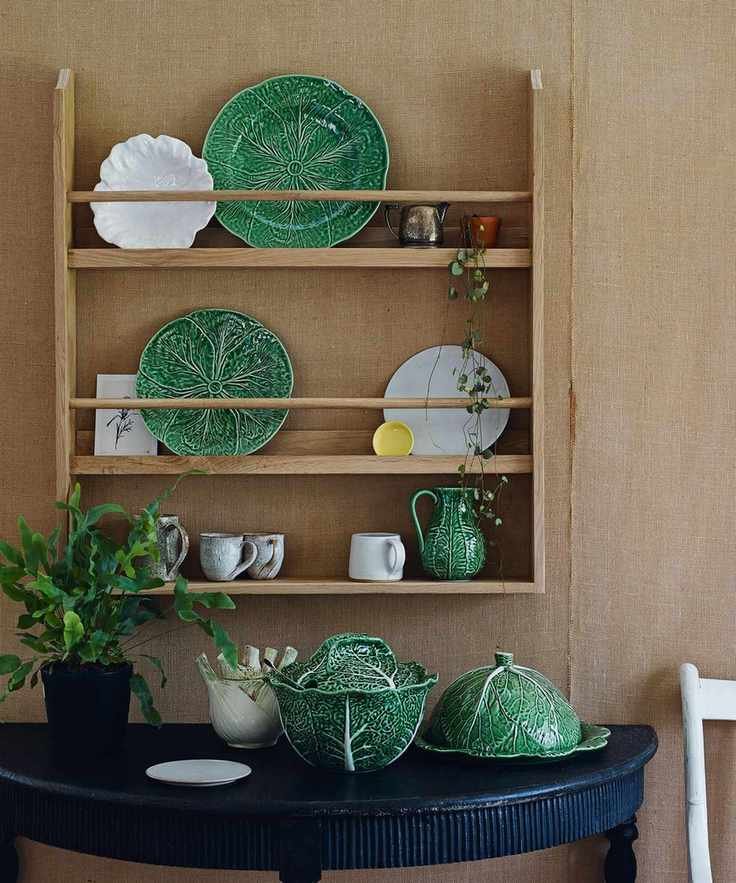
6. Showcase Your Best Plates
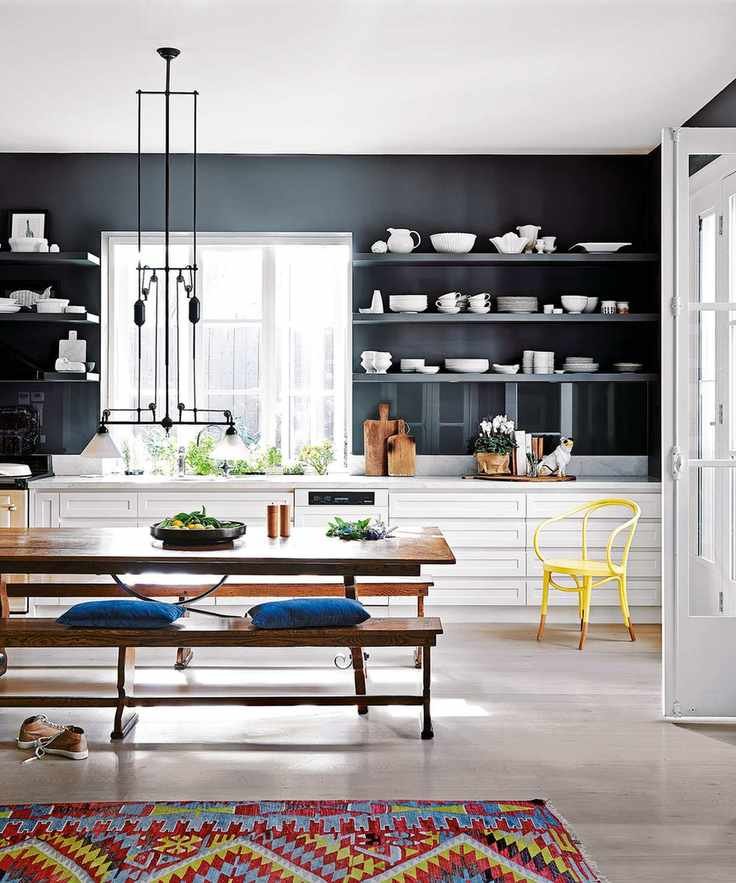
Don't hide away beautiful dishes. Open shelving can add character to your kitchen while keeping plates accessible. Decoratively arrange them by color, size, or design for visual appeal.
Keep in mind that displaying plates requires ongoing maintenance to ensure they remain neat and tidy.
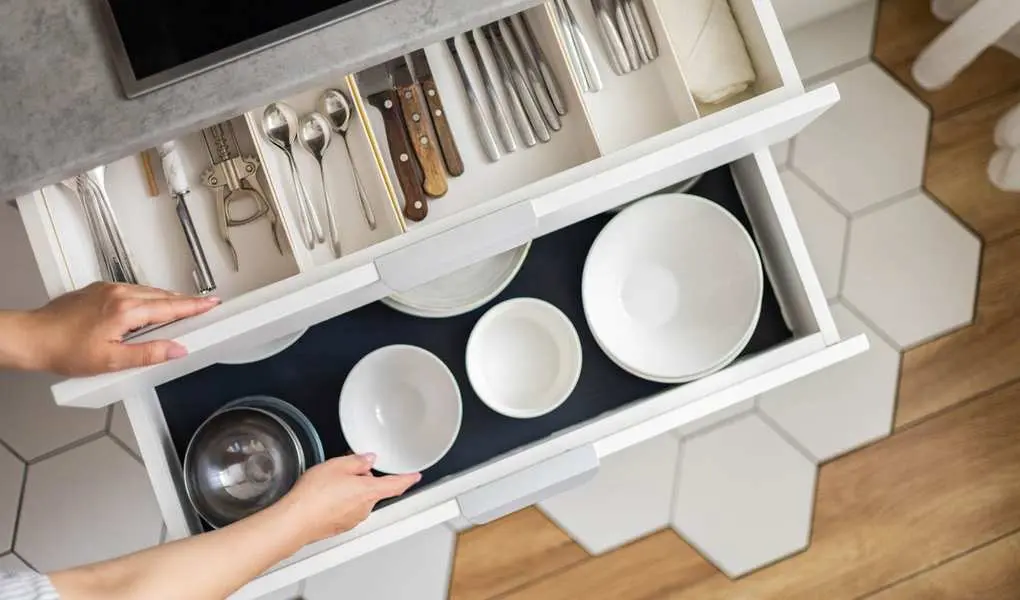
7. Utilize Proper Drawers for Storage
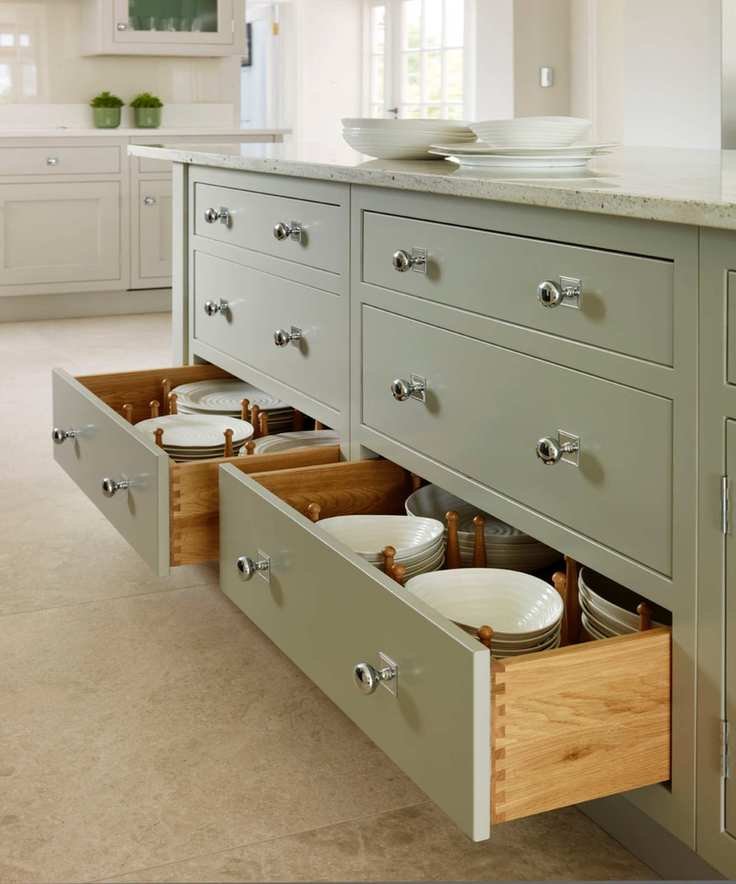
Deep drawers can be excellent for plate storage if organized correctly. Prevent dishes from slipping or chipping by using specialized drawer organizers. These keep plates upright, saving space and making access easier.
Consider using pegboards to separate plate types within your drawers and keep frequently used items at the front for easy access.
8. Optimize Cabinet Space
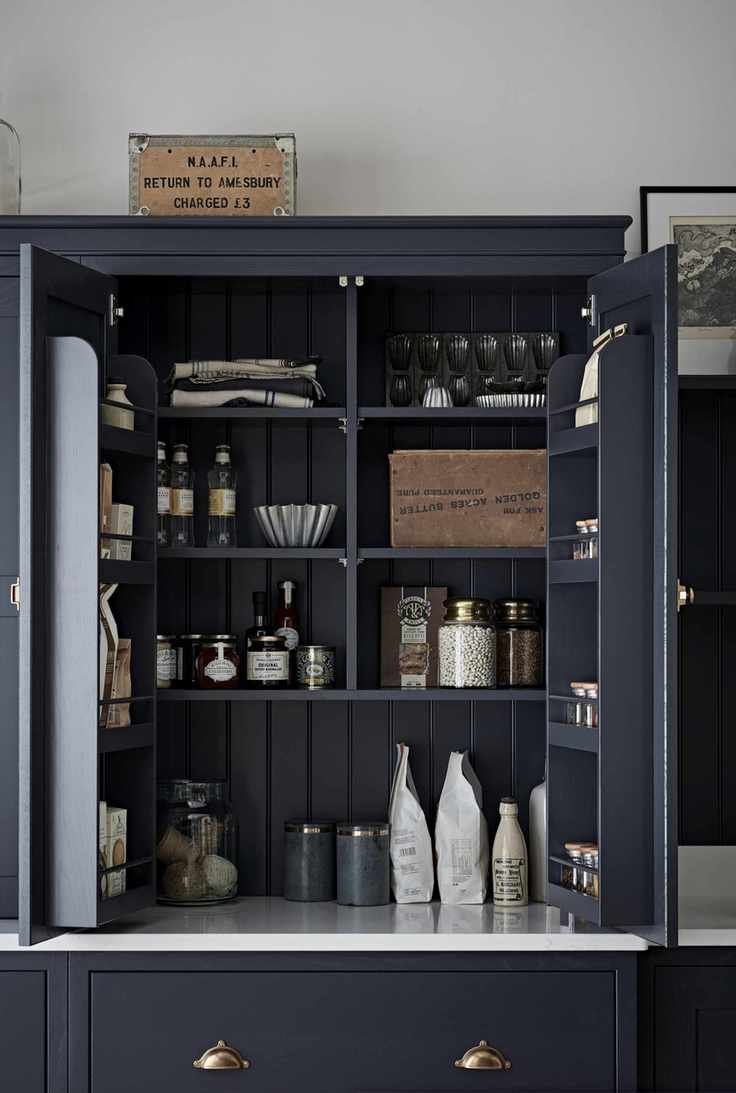
Approach kitchen cabinets with the same care as drawers. Measure your tallest plates and adjust shelf heights accordingly to eliminate wasted space. If shelves are fixed, consider adding plate shelves to maximize vertical storage.
Using dividers or dish racks can also keep sets organized and prevent stacking, which can lead to damage.
9. Stack by Shape and Size
Stacking plates according to their shape and size is a space-efficient method that simplifies finding what you need. Smaller plates can go atop larger ones, but reserve this method for items you seldom use.
Avoid stacking dishes too high, as this makes them unwieldy. Risers can help maintain organization and make the most of vertical space.
10. Consider a Custom Plate Rack
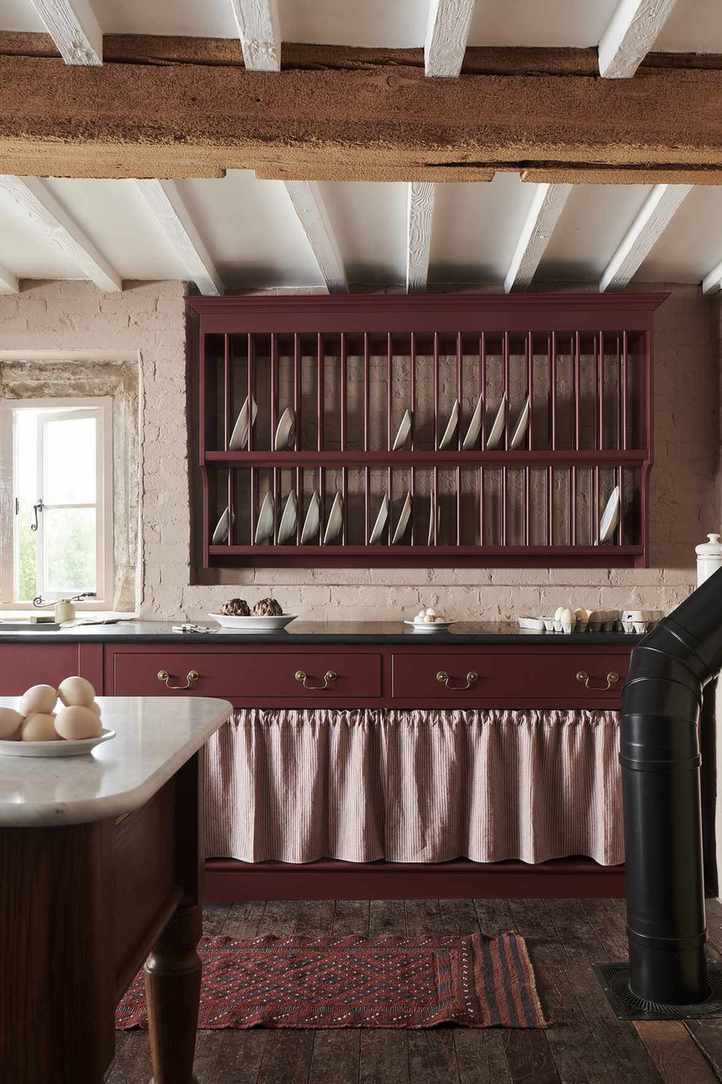
Although more expensive, a custom plate rack can be tailored to your needs, especially in small kitchens. Experts are noticing a trend towards visible plate racks integrated into cabinets or kitchen islands for easy access to everyday crockery.
FAQs
Where's the best place to store plates in the kitchen?
This largely depends on your kitchen layout; ideally, identify a cabinet close to your prep area and the dishwasher. You might find it helpful to visualize unloading the dishwasher to determine the most convenient spot.
What's the best method for storing dinner plates?
Risers are fantastic for organizing plates, whether in drawers or cabinets. They help categorize plates for easier access while maximizing space. Avoid stacking plates too high to minimize the risk of breakage.