
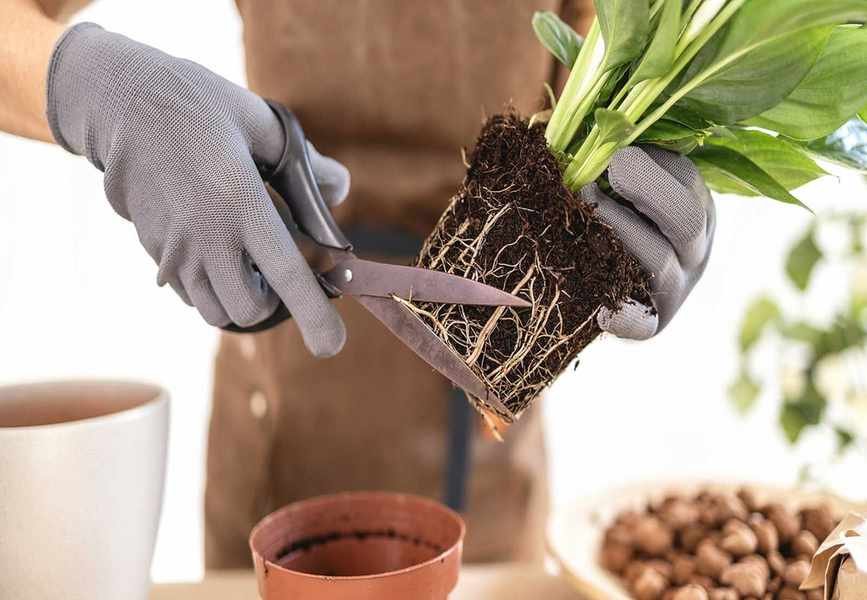
Pruning houseplant roots might seem unusual, but it offers significant advantages. You may need to consider this when plants become root-bound or show signs of root rot.
For older or rapidly growing houseplants, roots can fill their pots entirely, leading to a condition known as being "root bound." This issue can hinder growth and, if left unaddressed, could endanger the plant's life.
One option is to repot the plant into a larger container, which encourages further growth. Alternatively, if you prefer to keep the plant smaller, trimming the roots allows it to thrive in its current pot. Both methods are valid, depending on your goals.
Root rot occurs when soil retains too much water, often from overwatering. In such instances, cutting away damaged roots can help salvage the plant.
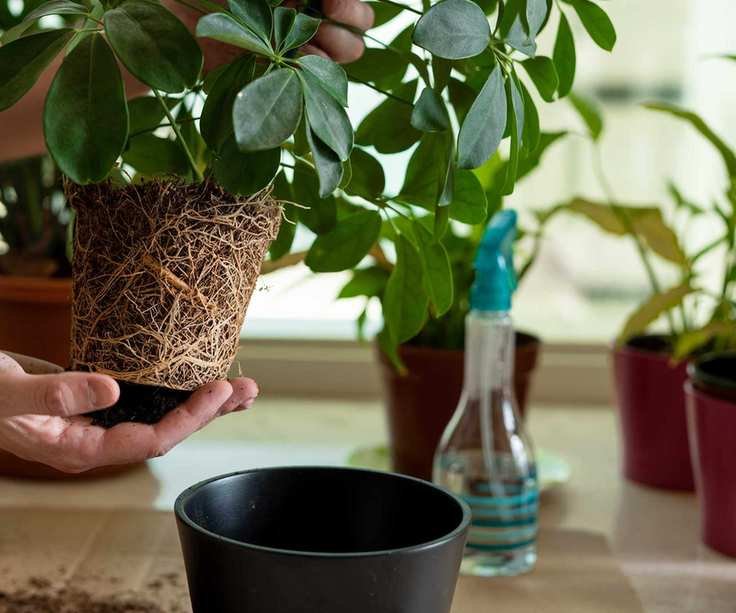
A root-bound schefflera
Pruning Houseplant Roots: A Practical Approach
Here are some expert tips for performing this task effectively on your indoor plants.
Signs That Indicate Pruning is Necessary
Before you start pruning, ensure your plant is indeed root-bound. If not, removing too much of a healthy root system can stress the plant.
A root-bound plant typically exhibits stress signs, such as a dense root ball with minimal loose soil, frequent watering needs, and roots pushing through drainage holes.
If you're dealing with an overwatered plant, look for indicators of root rot: mushy stems, slowed growth, and yellowing leaves. Upon removal from its pot, the rotten roots will feel soft and may emit an unpleasant odor.
Five Steps to Prune Houseplant Roots
Pruning roots is straightforward, but it's best done outside or over a tarp for easy cleanup.
- Carefully remove the entire root ball from its container, including the soil. Instead of pulling from the top, tip the pot and gently wiggle the base to release the roots.
- Dust off the bottom 25% of the root mass with your hands for better visibility of the root system and gently untangle any knots.
- Now it's time to trim. Cut just above branching points, ensuring not to remove more than one-third of the living roots at any time.
- Loosen the remaining root ball to allow roots to spread once repotted.
- After loosening, add fresh potting soil to the container, position the plant, and then top with more soil. Water it well, and new feeder roots will develop from the trimmed ends.
Essential Tools for Root Pruning
For clean cuts, utilize a sharp knife, snips, or a hori hori tool. Pruners, like bypass pruners, are also effective.
To prevent disease, sterilize tools between plants using diluted bleach.
Best Timing for Pruning Roots
The ideal time to prune is early spring, marking the start of the growing season when plants can recover swiftly. However, if your plant is suffering from root rot, take action immediately to prevent further damage.
Plants to Avoid Pruning Roots
Be cautious with cacti, succulents, and plants with shallow root systems. Pruning their roots can easily damage them. If these plants outgrow their pots, consider repotting them instead. If root rot occurs, removing the affected areas is advisable to save your plants.
Regularly pruning roots can be a crucial part of your plant care routine. Always be vigilant for pests, protect your plants from heat sources, and ensure they're adequately watered during your absences.



