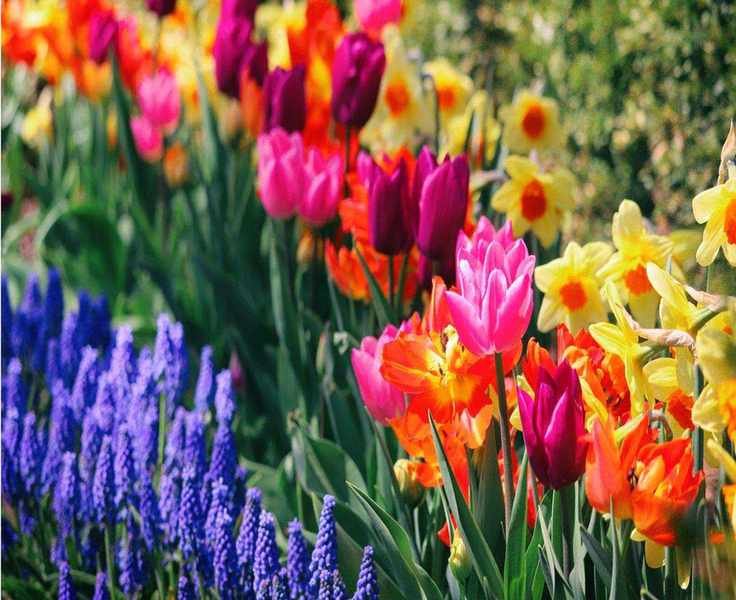
Seeing the first signs of life in spring is a delightful moment for any gardener. Early blooms like snowdrops and winter aconites signal the arrival of warmer days ahead.
If you want a radiant array of spring bulbs next year, now's the time to plant them. Fall is the ideal season to start, ensuring vibrant blooms in your garden come springtime.
To achieve a successful blooming season, it's crucial to plant spring bulbs in fall. For inspiration, we've curated a list of the best spring bulbs to consider for your garden.

Plant bulbs at three times their depth
13 Spring Bulbs to Plant This Fall
Planting bulbs in fall is essential for a timely bloom in spring. With countless wonderful spring flowers available, it can be daunting to choose. Fear not—we've compiled a list of the top spring bulbs to plant this fall so you can get started!
1. Snowdrop
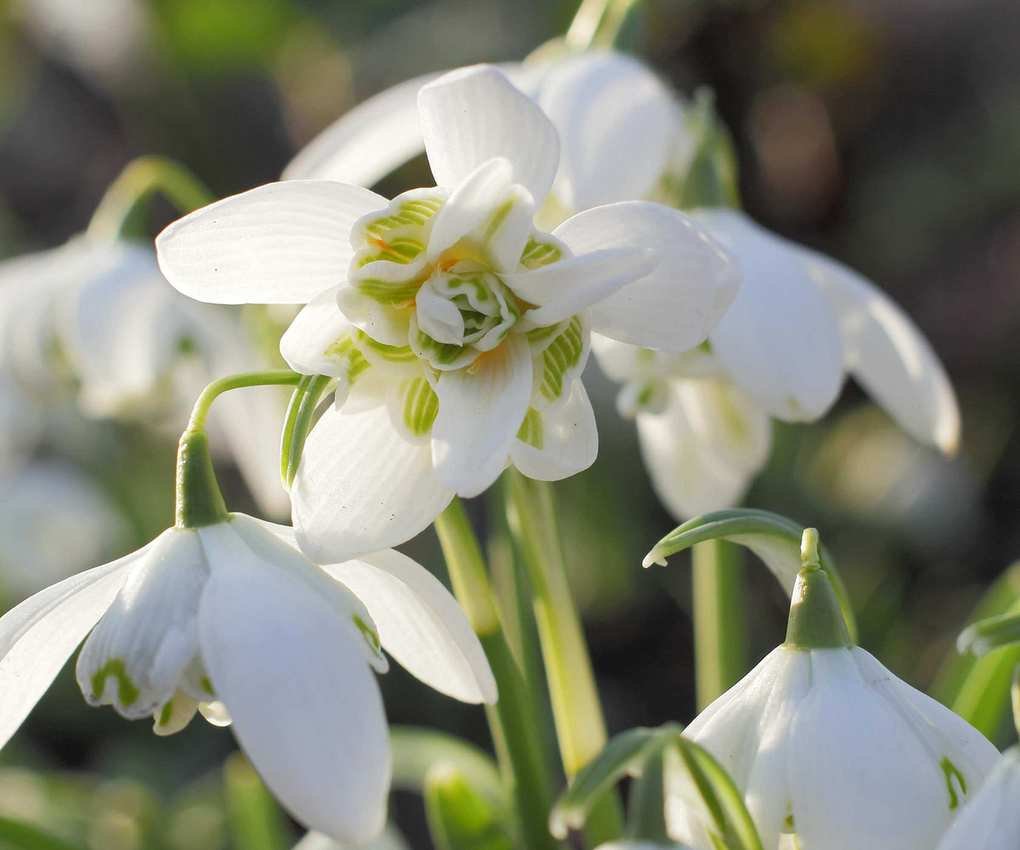
Snowdrops thrive in dappled shade
- US hardiness zones: 3-7
- Planting time: October to November
- Flowering time: Early spring
Snowdrops (Galanthus) are often the first flowers to bloom, showcasing delicate white, bell-shaped blooms. Numerous varieties exist, with some being sought after by collectors.
Snowdrop bulbs should be planted in fall, between October and November. They need moist but well-drained soil and prefer partial shade. Plant them quickly to prevent drying out.
2. Daffodil
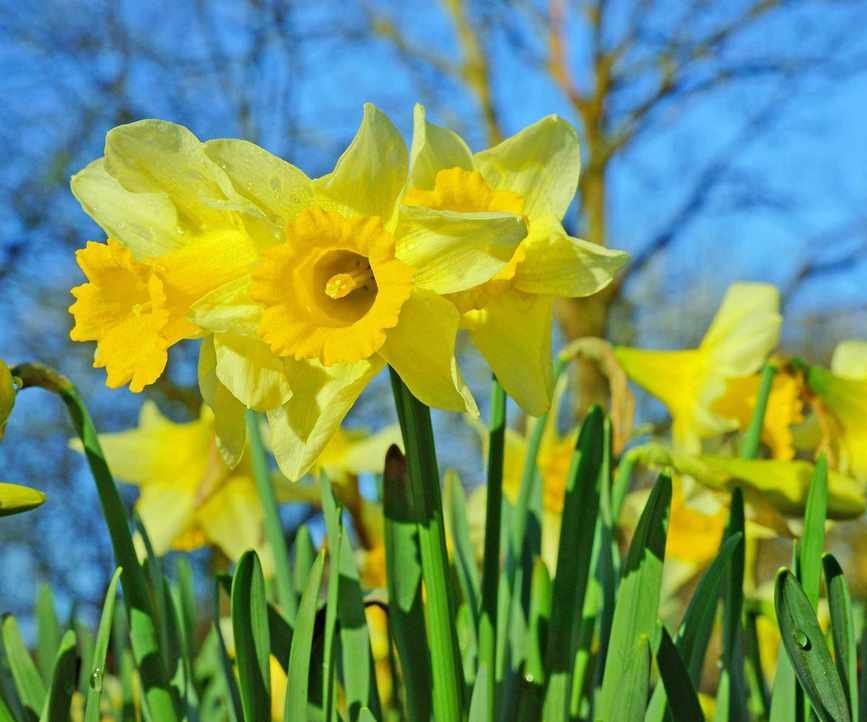
Daffodils feature a trumpet shape with six petals
- US hardiness zones: 3-8
- Planting time: September or October
- Flowering time: Early-to-late spring
Daffodils are beloved for their bright yellow and white blooms that appear from February to May. There are countless varieties beyond the classic yellow.
Plant daffodil bulbs in early fall at a depth of three times their height. They flourish in sunny spots but tolerate partial shade. Water them well until the ground freezes.
3. Scilla
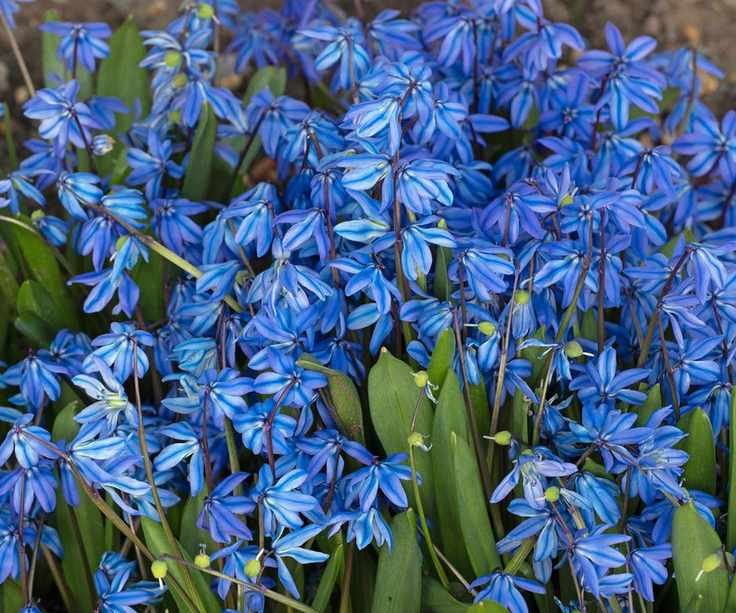
Scilla create a stunning mass display
- US hardiness zones: 4-8
- Planting time: September to November
- Flowering time: Early spring
Scilla, or squill, bloom with star-shaped blue flowers and can be planted densely for a naturalized look. They prefer full sun or partial shade.
4. Iris

Iris reticulata is a popular early-blooming iris
- US hardiness zones: 5-9
- Planting time: September or October
- Flowering time: Early spring
Irises provide a continuous bloom cycle, with varieties like dwarf Iris reticulata flowering in early spring. Plant bulbs six inches deep in well-draining soil.
5. Anemone
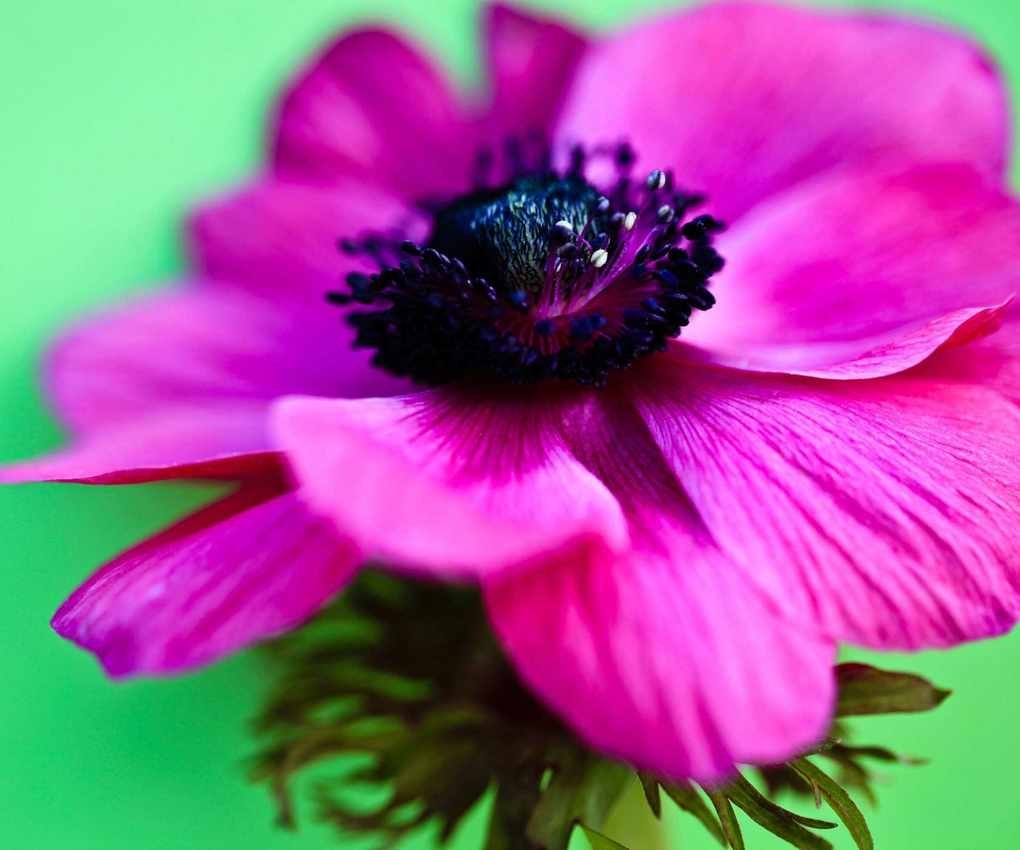
Anemones are favored for cut flowers
- US hardiness zones: 3-8
- Planting time: September or October
- Flowering time: Early to mid-spring
Anemones are vibrant additions to spring gardens, blooming from February to April. They should be soaked before planting about two inches deep.
6. Hyacinths

Hyacinths can be forced in pots for earlier blooms
- US hardiness zones: 4-8
- Planting time: September to November
- Flowering time: Mid-spring
Hyacinths bloom in mid-spring and should be planted six inches deep in groups. They can also be grown in containers for a stunning display.
7. Tulips

Thousands of tulip varieties exist
- US hardiness zones: 3-7
- Planting time: October to November
- Flowering time: Early-to-late spring
Tulips add vibrant color to gardens and come in many varieties. Plant them in mid to late fall, three times their height deep.
8. Muscari
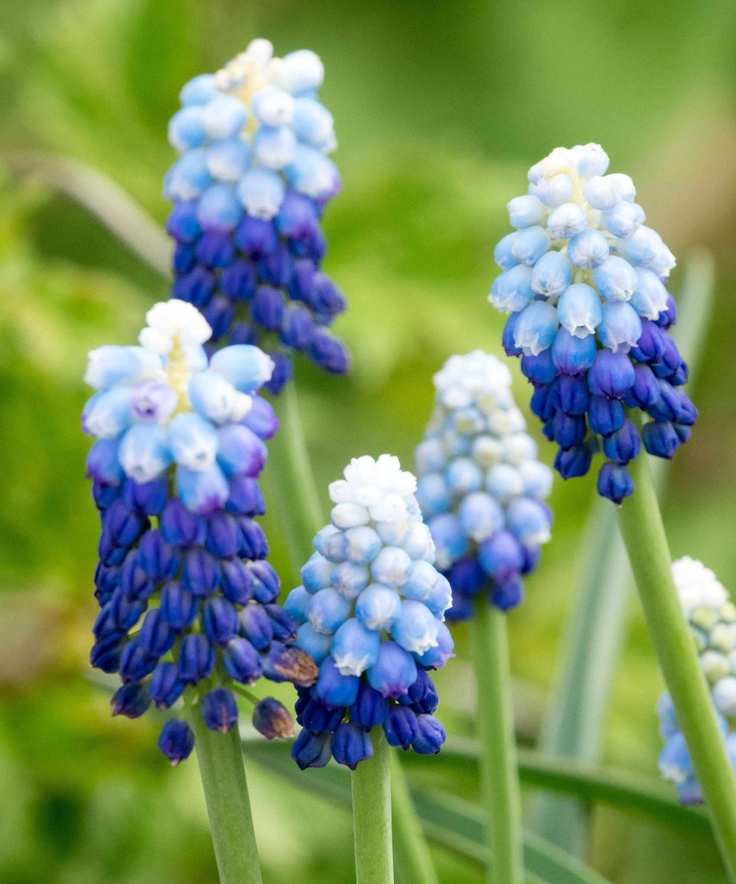
Muscari enhance spring planters beautifully
- US hardiness zones: 4-8
- Planting time: September to November
- Flowering time: Mid-spring
Muscari are small, fragrant bulbs that bloom in blue and are excellent for attracting pollinators. They should be planted four inches deep.
9. Snakeshead fritillary
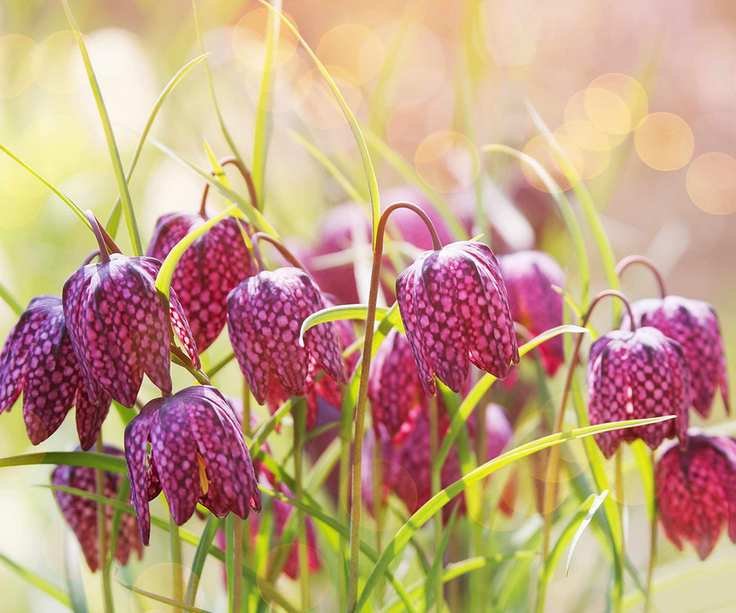
Snakeshead fritillary flourish in moist soil
- US hardiness zone: 5-8
- Planting time: September to October
- Flowering time: Mid-spring
Fritillaries feature unique, bell-shaped flowers and thrive in moist areas. They should be planted about eight inches deep.
10. Crown imperial fritillary

Crown imperial adds height to your spring display
- US hardiness zone: 5-8
- Planting time: September to October
- Flowering time: Mid-spring
This tall fritillary variant boasts striking orange blooms. Plant them deeply, around one foot apart, for an impressive garden statement.
11. Leucojum

Leucojum thrive in clumps
- US hardiness zones: 4-8
- Planting time: September to November
- Flowering time: Late spring
Also known as snowflakes, leucojum are taller than snowdrops and bloom later in spring. Plant them six inches deep in fertile, well-draining soil.
12. Allium
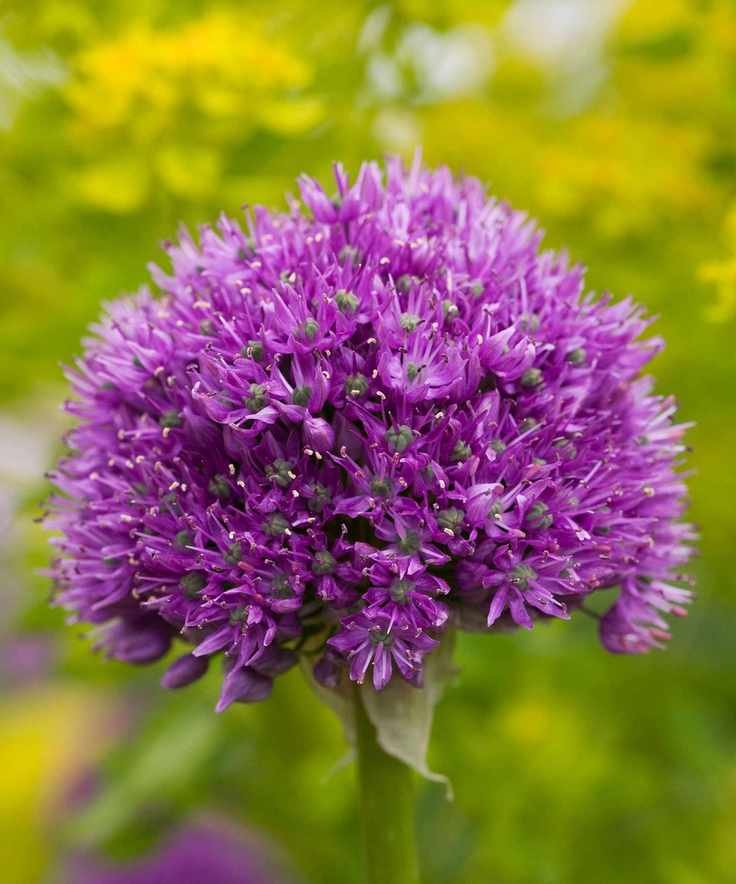
Allium 'Purple Sensation' is a popular choice
- US hardiness zones: 3-9
- Planting time: September to November
- Flowering time: Late spring
Alliums provide dramatic height to gardens, blooming in various colors. Plant bulbs six inches deep. They can also create striking seedheads in fall.
13. Ranunculus
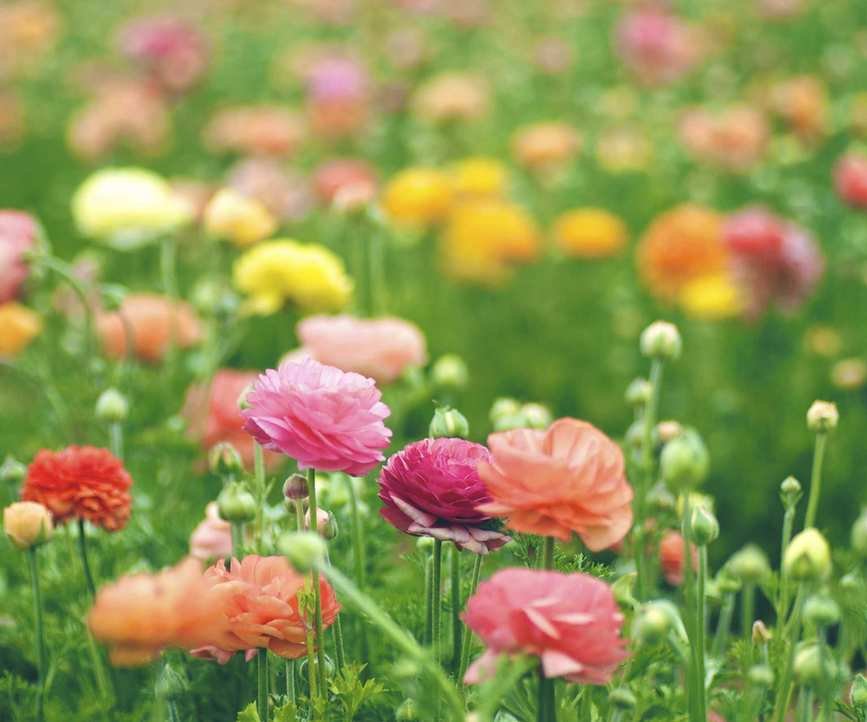
Ranunculus showcase soft colors
- US hardiness zones: 8-10
- Planting time: September to November
- Flowering time: Late spring
Known as 'roses of spring,' ranunculus come in a variety of soft hues. Soak corms before planting to promote growth. Plant them four to six inches deep with ample sunlight.
FAQs
When is it too late to plant spring bulbs?
For optimal blooming, spring bulbs should be planted in fall. Late planting could result in fewer blooms, but some can still be planted until February for spring color. Check specific planting times for your bulbs.
Are there any invasive bulbs?
Yes, certain invasive bulbs, like Spanish bluebells, can spread aggressively and hinder other plants. Avoid these to maintain a healthy garden.
When planting bulbs, ensure the soil is loose and well-draining, ideally enriched with compost. Use a trowel or specialized bulb planting tools for efficiency. Water after planting, and consider mulching to retain moisture and protect from harsh winter conditions.