

Your attic could be a hidden culprit behind rising energy expenses due to inadequate insulation, unnoticed air leaks, and maintenance gaps.
Fortunately, experts indicate that tackling three key attic concerns can notably enhance warmth and decrease energy costs. Here's what you can do.
3 Simple Attic Fixes to Lower Energy Expenses
1. Seal HVAC and Plumbing Installations

Insulate any duct or plumbing work to avoid air leaks.
For maintaining warmth in an inadequately insulated home, every detail counts. Start by sealing small openings around HVAC and plumbing fixtures using high-quality caulk, like the 3M Marine Adhesive Polyurethane Sealant available at Home Depot.
Ben Hubbert, co-owner of an HVAC service, states, 'Even tiny gaps can let hot or cold air in, increasing your energy costs.
'Ensure air ducts are properly sealed and insulated; otherwise, you might be heating your attic instead of your living space.'
2. Examine Current Insulation

Having insulation doesn't guarantee its effectiveness.
The best insulation can degrade over time. Make it a habit to check your insulation during your fall maintenance routine for signs of damage, mold, or shifting.
John Parks, owner of an insulation company, shares, 'Insulation is crucial for energy efficiency and temperature control, regardless of your home's age.
'Roof rafter insulation is the most efficient option. Installing it on the underside of the roof significantly enhances temperature control in the attic, leading to better overall efficiency.'
As a winter check, you can use ice and snow to evaluate attic performance. Don't forget to ventilate your attic, even in winter, to prevent mold and mildew.
3. Insulate Attic Access Doors

An attic fan can help minimize condensation.
To boost heating efficiency, insulate your attic door. This straightforward improvement can effectively block cold air, potentially saving you hundreds annually.
Uri Pearl, an insulation expert, cautions, 'Warm air can escape even from a well-sealed attic if the access door is uninsulated. Without proper covering, it's like leaving a small window open to the attic.'
This is an easy DIY project. Uri recommends using a 2-inch rigid foam board from Home Depot cut to fit over the hatch snugly. Add weatherstripping from Walmart around the edges to achieve an airtight seal, effectively addressing one of the most overlooked leaks.'
In particularly cold winters, consider leaving the attic door open during freezing conditions, especially if it's unheated, to protect your pipes from freezing.
The Govee WiFi Thermometer from Amazon helps you monitor temperatures in your home from your phone, ensuring you're aware of any dangerously low temperatures in your attic before your pipes freeze.
Key Insulation Products for Your Attic
 Easy to apply
This weather stripping creates a tight seal around windows and doors, preventing air leaks for a better-insulated home.
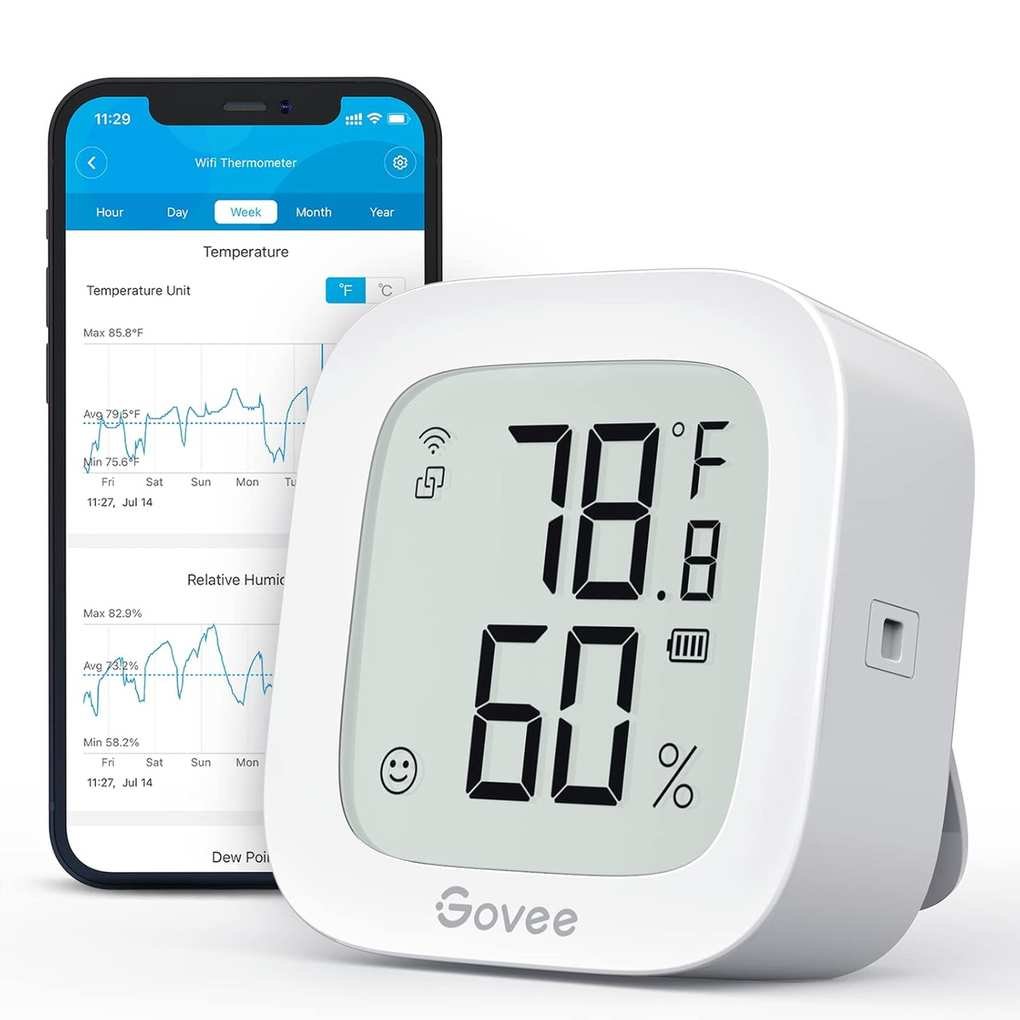 Control from your phone
With Wi-Fi and Bluetooth connectivity via the Govee Home App, monitor temperature and humidity in real-time from anywhere.
 Water resistant
This expanding foam fills gaps up to one inch, preventing air transfer for a cozier home.
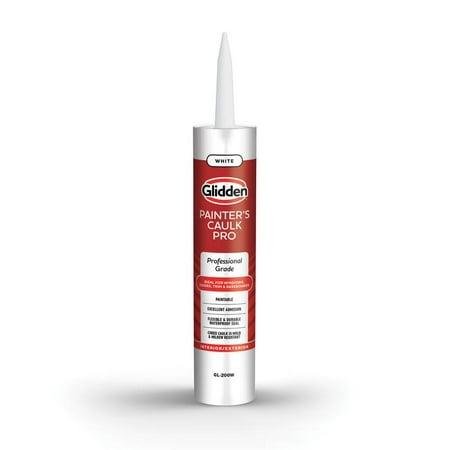 Available in white and clear
This versatile caulk is perfect for windows, doors, and trim, resisting mold and mildew.
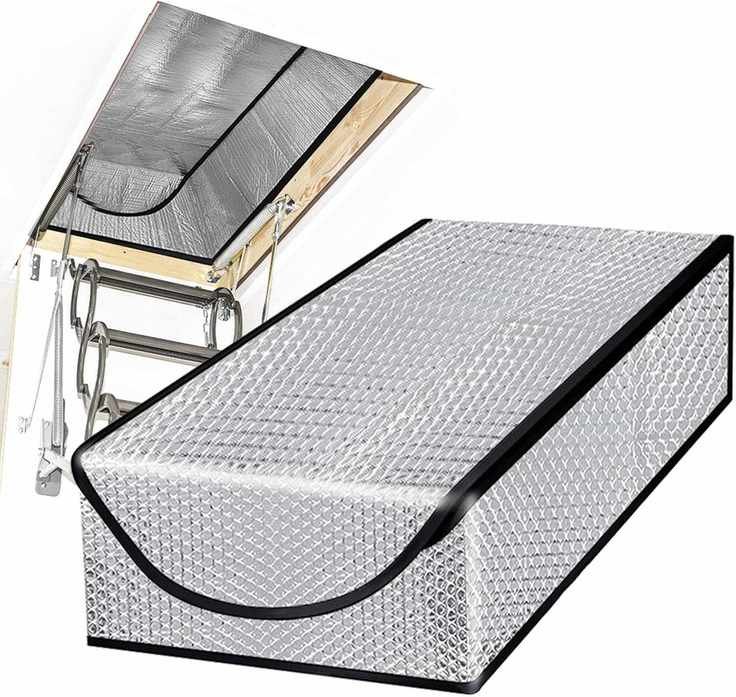 54"L x 25"W
This cover blocks air transfer during winter and keeps dust and pollutants out of your home.
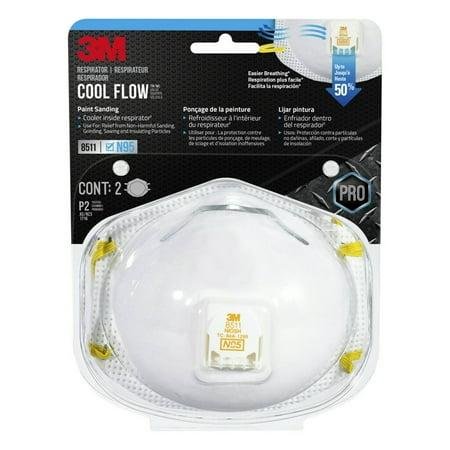 Pack of two
Wear a respirator mask to protect your airways from irritants when handling insulation or foam.
Beyond insulation, there are several costly mistakes that may be inflating your bills and shortening device lifespans.



