The flooring in your home is crucial in establishing its unique character. For instance, elegant checkerboard tiles evoke timeless charm, while replacing authentic flooring in a picturesque French chateau with gray laminate can diminish its allure significantly. No amount of decor can compensate for that loss.
When considering a flooring update, aim for something that not only refreshes but also enhances your space. Certain materials achieve this through their inherent quality or unique installation methods. According to expert designers, three types of flooring consistently make spaces appear more upscale.
1. Clay Tiles

Dallas design firm Erin Sander Design selected hexagonal Hapsburg terracotta tiles from Paris Ceramics for a recent project, bringing warmth and texture throughout the first floor.
Clay tiles, while seemingly simple, are currently among the most sophisticated choices for interior design. With the rise of organic designs, flooring that appears imperfect signals a human touch, which can often convey greater value than overly polished options.
'In addition to traditional hardwood and stone, clay flooring is a fantastic yet often overlooked way to infuse a home with a luxurious and layered feel,' says Jennifer Beget, principal designer at J Beget Designs. 'Clay tiles—be it terracotta, zellige, encaustic, or hand-crafted—instantly exude authenticity and high-end appeal.'
The charm of clay lies in its flexibility; it can be styled in countless arrangements—hexagons, fish scales, Moroccan crosses, or octagon-and-dot patterns. The natural imperfections, such as slight warps and varied tones, add depth that mass-produced materials simply can't match.
Though handmade clay tiles may be pricier and take longer to produce, this investment pays off in uniqueness. Machine-made tiles exist but often lack the character and relaxed aesthetic sought by many renovators.
If you're working with a tighter budget, consider brick flooring as a practical alternative. It avoids the higher costs of terracotta while providing similar warmth and presence. 'Brick flooring conveys a sense of timelessness and confidence,' Jennifer adds. Its long history in construction gives it an air of understated authority.
Choosing the right pattern is essential when opting for brick. Styles like basketweave, soldier course, or offset layouts enhance its charm, and experimenting with colors beyond traditional red can add sophistication.
All ceramic tiles, including brick and terracotta, require some maintenance. 'Proper care is needed,' explains interior designer Camilla Masi from Otto Tiles & Design. Terracotta must be sealed before and after installation and maintained regularly, much like encaustic cement tiles. However, their durability and beauty only increase with age.
2. Herringbone Designs

Herringbone adds elegance to classic interiors but can also enhance modern spaces for a fresh, dynamic look.
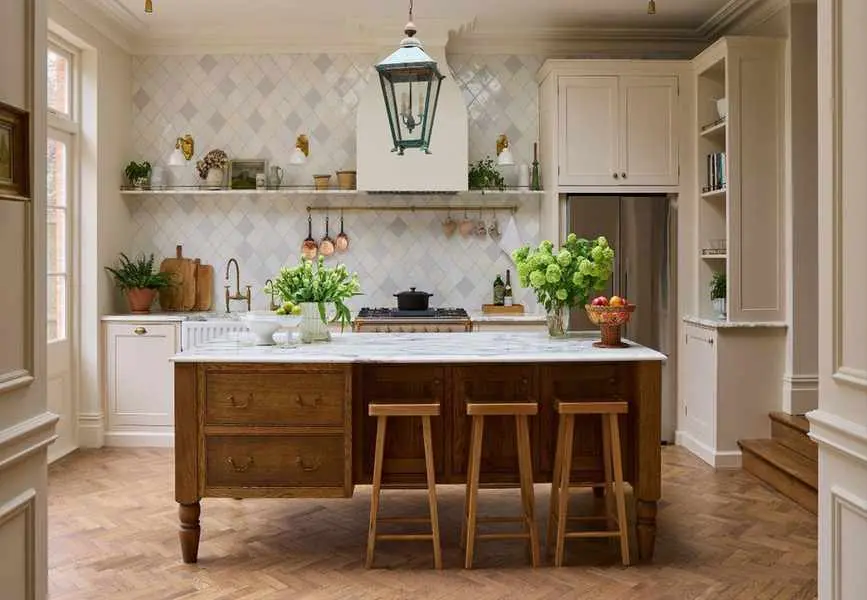
If you've visited Paris or admired European interiors, you've likely seen herringbone flooring. The intricate interlocking patterns are labor-intensive, but their historical prestige is undeniable, making them a desirable choice for any room.
Interior designer Lindsay Thornton, founder of Cornerstone Design Build, likens herringbone to luxury footwear. 'Installing hardwood or bathroom tiles in a herringbone pattern instantly elevates your home's aesthetics, similar to how a designer shoe signifies quality,' she notes. While installation costs about 30% more due to extra labor, this upgrade often increases resale value.
'Herringbone works best with floorboards no wider than 4½ inches and is suited for longer spaces,' Lindsay continues. This makes it ideal for townhouses and brownstones, particularly in areas where historical character commands a premium.
Beyond its dramatic flair, herringbone guides the eye through spaces, making it perfect for entryways leading into larger areas. It's not limited to wood; clay, stone, and cement can all be used effectively.
Rebecca Merritt, principal designer at Merritt Design Co., employs herringbone as a way to enhance visual interest without disrupting flow. 'To add detail in a bathroom or entryway, simply change the layout with the same material,' she suggests. Unexpected placements, like herringbone wood in a laundry room contrasting with straight planks elsewhere, create a custom designer vibe.
The real question is how bold you're willing to be with herringbone.
3. Wide-Plank Wood

Wide planks convey rustic charm and are a hallmark of refined taste.
Not all wood floors are equal. While many homes feature wood flooring, some options convey greater sophistication. Generally, wider planks are more expensive, so aim for at least five inches for a more upscale appearance.
This style is also budget-friendly compared to other luxurious options. 'Wide-plank wood flooring is one of my favorites for creating an expensive feel,' says Elizabeth Vergara, CEO of Vergara Homes. Often engineered for easier maintenance, wide planks avoid the generic look of common vinyl flooring. They add an extra layer of luxury without the usual drawbacks.
Visually, wide planks have fewer seams, resulting in a serene, upscale aesthetic. 'They also highlight the wood grain, which enhances their high-end appeal,' Michelle Accetta, founder of Michelle Accetta HOME, explains.
If you want to achieve an editorial-level luxury, consider reclaimed hardwood. 'I adore wood from old barns, as it carries a unique texture and history,' Rebecca shares. It ages beautifully, and any scratches only add to its character. Guests often inquire about its origin.
In a perfect world, the most luxurious wood may come from humble beginnings—like a barn or factory. Irony, after all, can be the most expensive element of design.
4. Harlequin Rugs

Add depth to floors by layering a harlequin-patterned rug. Styles, like this collaboration between Erin Gates and Momeni, offer the same sophisticated feel as classic European tile.
If you seek a quick solution to make your flooring look more upscale, a well-chosen area rug can work wonders—especially for those in rental spaces. Among patterns that evoke a sense of old-world sophistication, few are as impactful as harlequin, distinct from checkerboard.
Like herringbone, harlequin has deep European roots and is historically linked to classical interiors, once referred to as theatre flooring. Its diamond design introduces a dramatic flair, with the overall effect depending on your color choices.
This design is trending, leading to an influx of stylish options. Classic black and white or cream creates a striking visual, but feel free to experiment with variations such as beige, taupe, or soft blue for added interest.
Choose your rug material carefully, as low-quality options will diminish the intended effect. Opt for natural fibers like wool or jute to provide the necessary weight and elegance this pattern demands.
Remember, these are diamonds, not squares.
While flooring that tells a story—whether inherited from a grand estate, an age-old home, or through traditional craftsmanship—often appears more luxurious than modern alternatives, investing in quality materials can truly transform your space.