
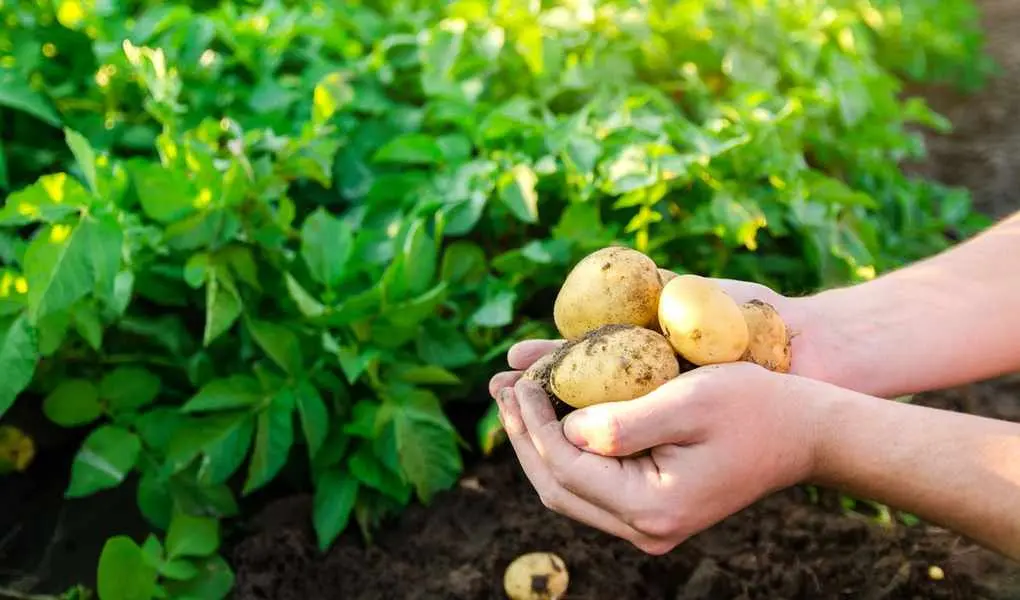
Growing potatoes is straightforward, yet one often overlooked step is hilling. This process involves mounding soil, straw, or other materials around your plants, encouraging additional shoots and tubers to form. While it requires some effort, the rewards during harvest are worth it.
Known variously as earthing, mounding, or hilling, this technique is a vital part of potato cultivation. Neglecting to hill can lead to fewer potatoes and a higher chance of developing inedible green tubers.
Seasoned gardeners regularly practice hilling, while newcomers might question its necessity. However, it's crucial for all potatoes, whether in the ground, raised beds, pots, buckets, or grow bags.
Why Hilling Potatoes is Important
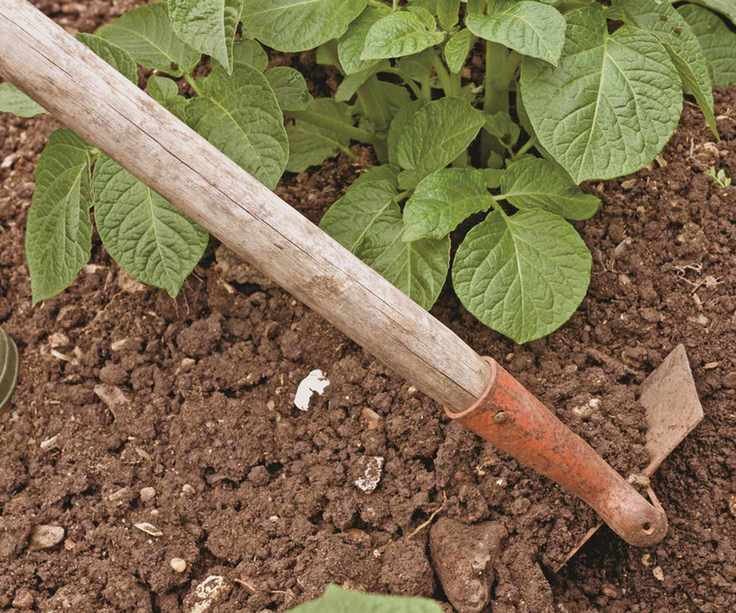
At the start of the growing season, focus on chitting tubers and planting them at the right time in spring. After planting, minimal care is needed until the stems break through the soil, except for watering during dry spells.
Once the stems appear, hilling has multiple benefits for all potato varieties. It allows more side shoots to grow, resulting in a greater tuber yield. By earthing up, you create space for the plant to produce more tubers from buried stem parts, boosting your overall harvest.
As tubers grow, they may push upward and break through the soil, which is not ideal; they should develop in darkness. Exposure to light causes tubers to green and become inedible.
Green potatoes contain harmful toxins and must be discarded. Regular hilling keeps tubers covered as they grow, preventing greening and promoting larger potatoes.
Additionally, hilling protects young shoots from late frosts and suppresses weeds. While potato plants can recover from light frosts, severe frosts can spell disaster. Hilling can mitigate frost damage.
Timing for Hilling Potatoes

Avoid hilling potatoes too early. Just as planting tubers too deep is a mistake, covering them too soon can hinder stem emergence and create a thick layer that young stems struggle to penetrate.
Hilling should begin when plants reach 6 to 8 inches in height. Once I see stems at this height, I know it's time to get out there and start hilling.
Perform this task every few weeks, each time the plants poke through the soil. I usually hill potatoes three times during the season, but some gardeners might do it a fourth time based on growth.
If you notice soil shifting around the plants or tubers surfacing, it's beneficial to mound soil around them to prevent issues.
Steps to Hill Potatoes
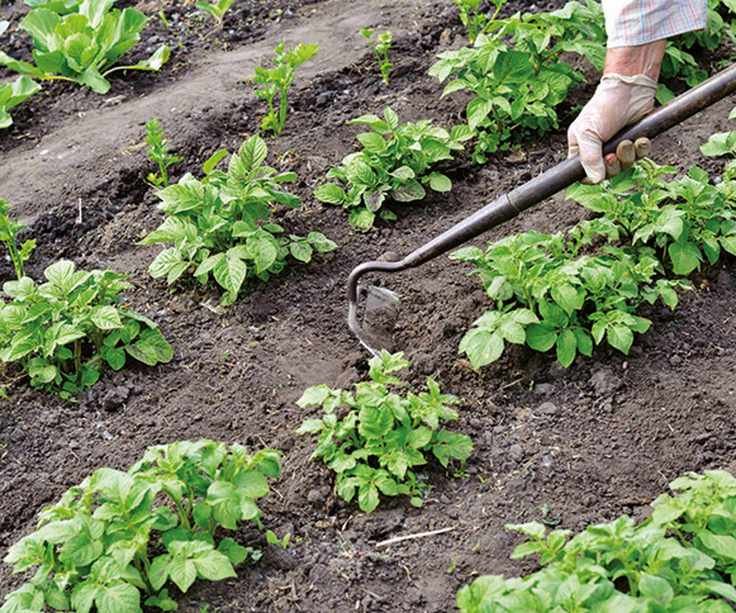
The simplest method for hilling is to use the soil around the plants, dragging it up and piling it around the stems. Create a mound, leaving an inch or two of stems visible at the top, and lightly pack the soil.
The best tool for this task is a garden hoe, especially a draw hoe, which you can find at various retailers. This hoe has a metal head at a right angle to the handle, making it perfect for moving soil around plants.
Alternatively, a garden spade can be useful for scooping soil from between potato rows and moving it around the plants. Just be careful not to disturb too much soil near the plants.
If you lack a hoe or spade, a sturdy metal rake can also work to drag soil into piles.
Best Materials for Hilling Potatoes
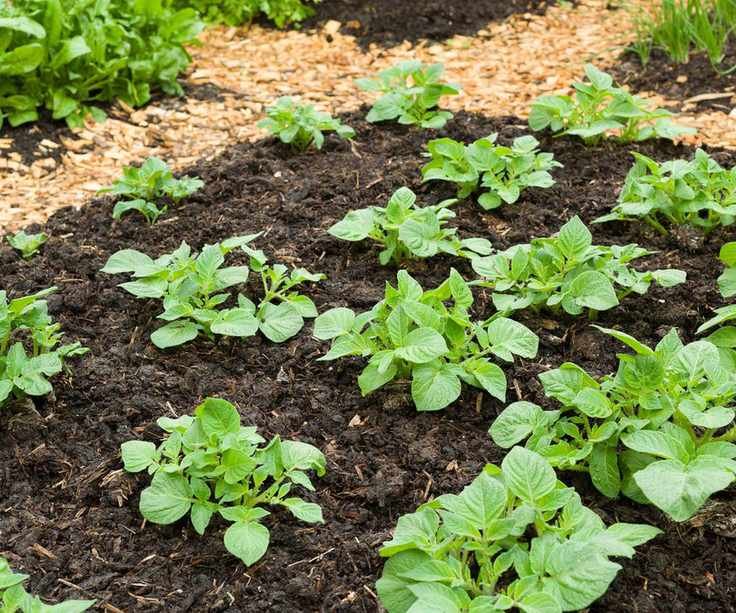
While soil is the most straightforward option for hilling, other materials can also be effective:
- Compost: Using compost, like premium organic types, can be beneficial, particularly for container-grown potatoes, although it may be pricey for large plots.
- Grass clippings: If you have grass clippings from mowing, they can be spread in thin layers after drying for a day or two.
- Straw: This natural material is great for hilling. Be sure to use straw instead of hay to avoid introducing weeds. Wetting the straw helps it adhere, and it makes harvesting easier.
Hilling Potatoes in Containers
If you're growing potatoes in a bucket, pot, or grow bag, begin by covering the planted potatoes with a few inches of soil. As stems grow, continue covering them with more soil until the container is full. Regular hilling in containers maximizes your yields.
Proper hilling and feeding are essential for robust yields. Consider using a slow-release all-purpose fertilizer before planting, and feed with a tomato feed high in phosphorus and potassium every few weeks until a month before harvest.



