
Have you ever tried to flush the toilet only to find it filling with water instead? That sense of panic can be overwhelming, but knowing a few straightforward tricks can help you manage the situation effectively.
Most of these tricks revolve around unclogging the toilet.
According to plumbing experts, a toilet that won't flush is a frequent issue that is usually simple to remedy. Always prioritize safety in home repairs; if you feel uncertain about a task, it's wise to call a professional plumber.
Here are five prevalent reasons why your toilet may not flush and how to resolve the problems.
Common Issues with Toilet Flushing and Solutions
While dealing with a malfunctioning toilet isn't enjoyable, many issues can be fixed without the need for professional assistance. Here's what you should check first.
1. Insufficient Water Level
If the toilet tank lacks adequate water, it won't be able to flush properly. Inspect the back of the tank to see if the water level is about an inch below the top of the overflow tube.
If it's low, locate the float, which resembles a round ball connected to the fill valve. Adjust the float arm upward to increase the water level. If your toilet has an intake assembly, simply move the metal clip upwards to raise the water level.
2. Flapper or Lift Chain Problems
Another common issue that may prevent your toilet from flushing is a malfunctioning flapper or lift chain. The flapper is the rubber component at the bottom of the tank, and the lift chain connects it to the flush handle.
When you press the handle, the metal arm should rise, pulling the chain and flapper upwards. If the chain has broken, the flapper won't lift, blocking water from entering the bowl. If the flapper is damaged, it may result in continuous water filling the bowl, causing the toilet to run. In either case, you'll need to replace the chain and flapper.
To address this, turn off the water supply and flush the toilet to drain the tank. This will allow you to access the flapper and chain easily. Replace the damaged parts with new ones, then test the flush before restoring the water supply.
3. Clogged Toilet
Your toilet may be clogged due to excessive toilet paper, sanitary items, or other foreign objects.
A simple solution is to use a plunger or a toilet brush to clear the blockage. Try plunging three to four times to see if that resolves the issue. If the clog persists, turn off the water, flush, and add warm water to the bowl. Let it sit for a few minutes, then try flushing again.
If that still doesn't work, consider using a drain snake, or you may need to call a plumber who can utilize a closet auger. This tool looks similar to a drain snake and features a rotating cable that can quickly clear the obstruction.
4. Damaged Toilet Handle
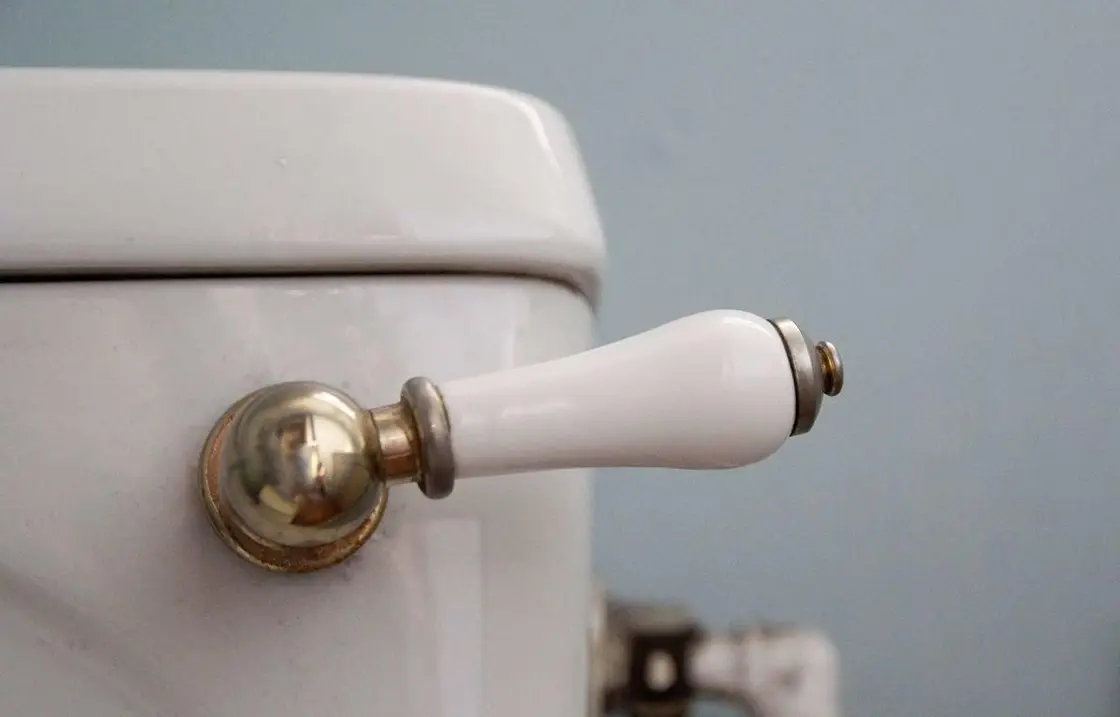
If the toilet handle is broken, identifying the problem should be straightforward. Often, it becomes disconnected, making it easy to fix. Open the tank and check whether the handle is still attached to the arm and chain that lifts the flapper. You might just need to reconnect a few parts, such as fixing a broken link in the chain or tightening a loose nut.
5. Drain Line Issues
If none of the above solutions work, the problem may lie within the drain line. This pipe is responsible for carrying waste to the sewer or septic tank. If other drains in your home, like the kitchen sink or shower, are also experiencing issues, it's likely a drain line problem. A plumber can employ an extra-long auger to clean the line. Additionally, roots from trees can invade drain lines, which may require specialized assistance.
How to Force a Toilet to Flush
If you need an immediate solution, try taking a bucket of water and slowly pouring it into the toilet bowl. Gradually increase the speed of pouring, as the force of the water should help push the waste through the pipes.
What Are Typical Plumber Rates?
If you decide to hire a plumber, their hourly rates typically range from $45 to $200. Minor repairs usually don't require a permit, making it easier to get quick assistance.



