
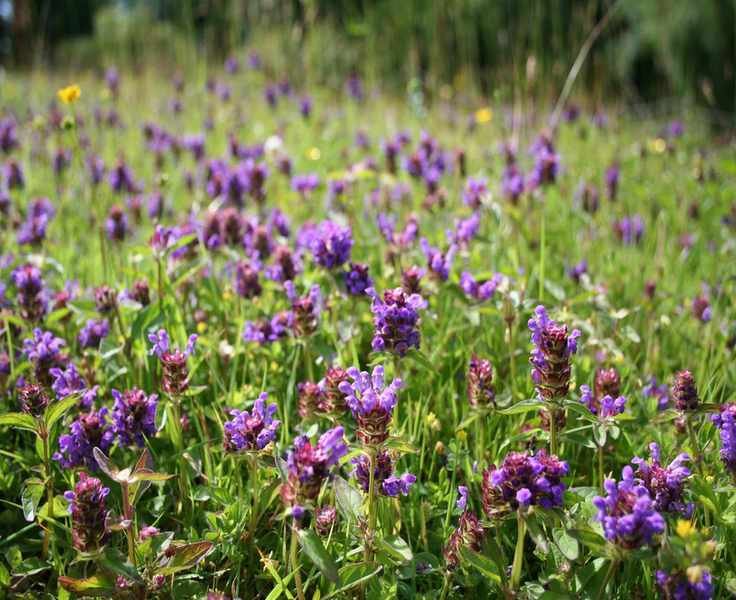
If you're just learning about No Mow May, it's a campaign that promotes leaving your lawn unmowed throughout May, with the goal of mowing less during the summer months. The initiative aims to assist wildflowers and pollinating insects, which are facing significant declines.
Participating in No Mow May could involve not mowing the entire lawn in your backyard or simply leaving a designated area unmowed. The key objective is to allow flowers to flourish, providing essential nectar for pollinators.
Here’s everything you need to know about No Mow May to help you decide if you'd like to join in.
What is No Mow May?
No Mow May was initiated by the British conservation group Plantlife in 2019, and it has gained traction in the United States.
With the ongoing loss of habitats in both North America and Britain, lawns present an opportunity to serve as significant sources of nectar. This initiative encourages people to avoid mowing their lawns in May, allowing plants like clover, dandelions, and self-heal to thrive and provide nectar for pollinators.
How to Get Involved in No Mow May
To take part in No Mow May, simply refrain from mowing your lawn. According to Todd Hardie, a well-known bee expert, "Wildflowers that provide nectar and pollen for honey bees will flourish if we don’t mow them down before they bloom."
He emphasizes that this sustenance is crucial for honey bees and all pollinating insects, as they rely on it to grow their populations early in the season. May is an optimal time to let your grass grow, as it hasn't yet reached its maximum height.
There are numerous ideas to explore during No Mow May.
What to Do After No Mow May
Once May concludes, Plantlife suggests resuming lawn mowing, but recommends a “Mowhican” approach, where certain areas are mowed once a month while others remain long and uncut. This method allows short-grass plants like daisies and white clover to bloom abundantly, greatly enhancing nectar production. Longer unmown areas complement shorter grass, inviting a wider variety of flowers.
If you're wondering how often to mow your lawn, keep in mind that you'll need to adjust your mowing routine post-May. Granger McCollough, CEO of Elite Patio Direct, advises, "Grass should not be cut more than a third of its length, as cutting it too short can damage the grass."
Considerations Regarding Local Regulations
Local laws or Homeowners Association rules may complicate participation in No Mow May. It’s wise to communicate with your city council or health department, as suggested by Bee City USA, a project of the Xerces Society for Invertebrate Conservation. Share your plans and discuss how they can support natural landscapes in your area.
However, some regions may encourage non-mowing. Michele Chambliss, a certified horticulturist in Las Vegas, NV, notes that "no mow" is promoted year-round there. Due to severe drought, the Southern Nevada Water District incentivizes homeowners to replace turf grass with landscape plants, providing a $3 rebate per square foot for those who participate.
Is Permanent No Mow a Good Idea?
No Mow May can inspire you to implement wildlife gardening ideas. Michele Chambliss views this initiative as a chance to enhance your garden. "This is a great opportunity to create a more dynamic space," she shares.
By replacing traditional lawns with flowering shrubs and perennials, you can develop a vibrant habitat for pollinators and wildlife while conserving water. In areas without HOA restrictions, many choose to plant vegetable gardens instead of lawns, yielding fresh organic produce and herbs.
Consider how much of your lawn is genuinely utilized. Families with children may value a grassy area for play, but in many cases, lawns primarily serve decorative purposes, especially in front yards. Reducing lawn space can free up room for planting beds, attracting hummingbirds, butterflies, and beneficial insects, which a standard lawn may not entice.
Incorporating clover in your lawn can also be beneficial. Todd Hardie mentions that when establishing a turf grass lawn, he often mixes in perennial legumes, like white clover, to enhance its beauty.
Can I Skip Mowing in May?
Refraining from mowing your lawn in May can significantly benefit native flowers and pollinators. However, be mindful of any local regulations. Bee City USA recommends engaging with local authorities and educating neighbors to ensure compliance with regulations.
Not mowing can also promote drought resistance in your lawn and conserve water, according to Bee City USA.
Benefits of No Mow May
No Mow May offers numerous advantages, allowing flowers to bloom and supporting pollinators.
Felicity Harris, head of participation at Plantlife, states, "Not only do plants and pollinators benefit — we do too. Spending less time mowing allows garden enthusiasts to relax and reconnect with nature. The hours saved can be redirected toward building a wildlife pond, a bug hotel, or a habitat for reptiles."



