
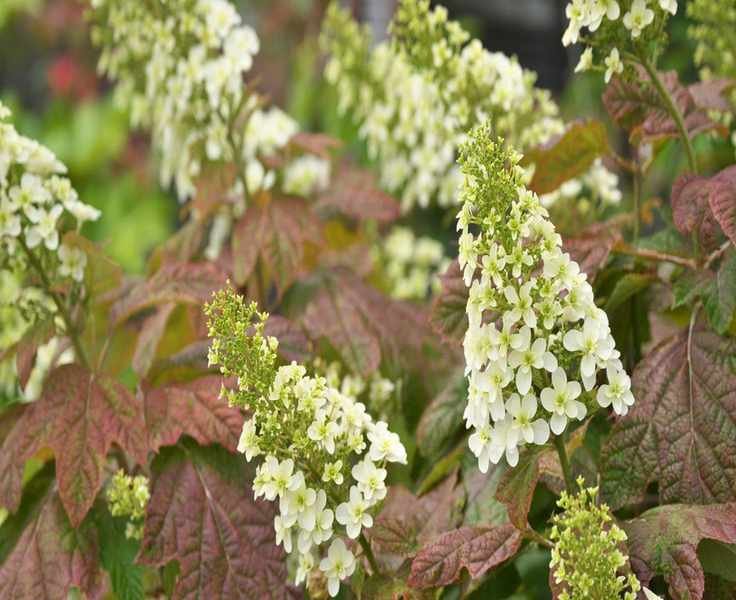
Hydrangeas are beloved garden shrubs, celebrated for their impressive flower heads, also known as panicles, which bloom vibrantly and last long. They can enhance any space, whether planted in containers or garden borders, and are regarded as some of the most dependable and versatile shrubs globally.
With over 80 recognized species, hydrangeas originate from Asia and the Americas, ensuring there's a suitable variety for nearly every gardening scenario. For example, if you seek flowering shrubs that thrive in full sun, Hydrangea macrophylla is a dependable and heat-resistant species found in many backyards. If your garden is small and shaded, consider the climbing hydrangea, Hydrangea anomala, which grows vertically and beautifully. No matter your garden's conditions, there's a hydrangea suitable for you.
Having worked as a professional gardener for several years, I've had the pleasure of cultivating numerous top hydrangea varieties. While in Tuscany, one species truly impressed me with its ability to withstand intense summer heat. Native to the United States, the oakleaf hydrangea, Hydrangea quercifolia, is the most robust variety I have encountered. Here, I'll share everything I've learned about this remarkable shrub.
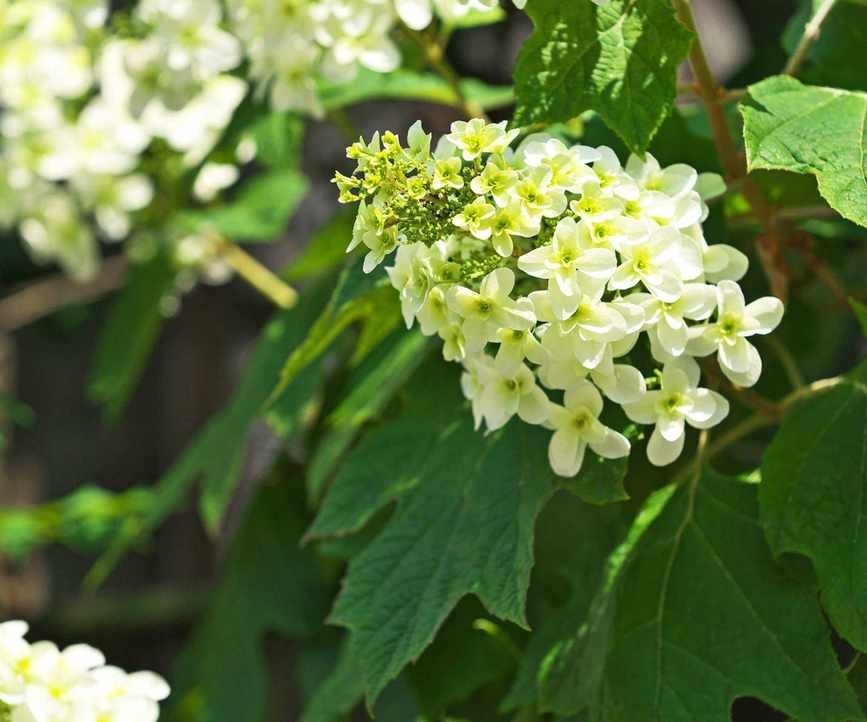
Oakleaf Hydrangeas Thrive in Hot Summers
In a world of changing climates and unpredictable weather patterns, selecting resilient plants is crucial. Among various native plants, the oakleaf hydrangea excels in hot summer conditions with minimal maintenance. You can even find oakleaf hydrangeas available on Amazon.
Adaptable in Sun and Shade
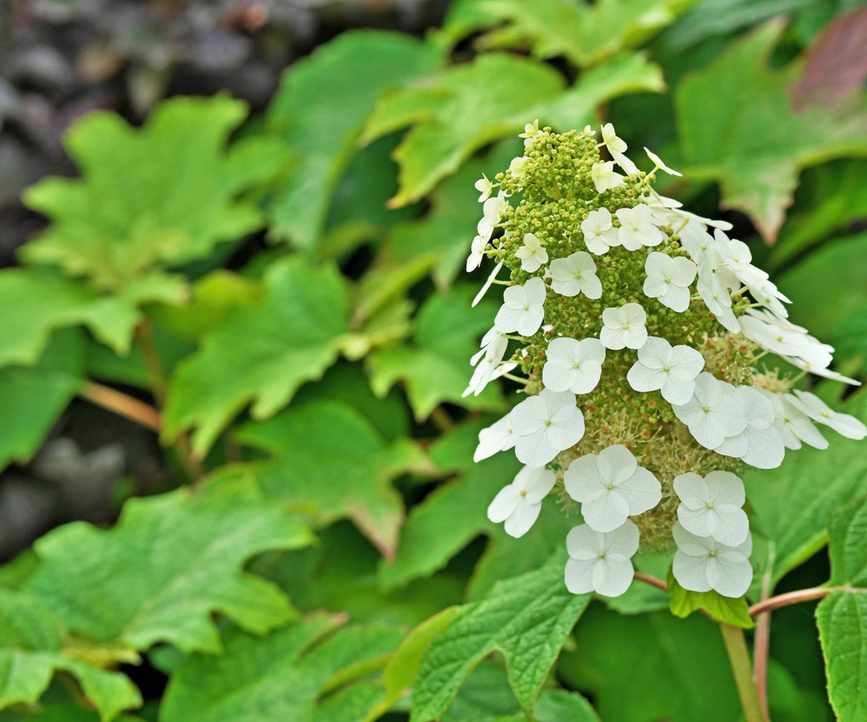
Thriving best in U.S. hardiness zones 5 through 10, the oakleaf hydrangea is naturally found in southern states such as Florida, Georgia, and Louisiana. It typically grows along riverbanks or at woodland edges.
This adaptable shrub can flourish in both sunny and shady spots, enduring a variety of conditions. I've witnessed the oakleaf hydrangea bloom beautifully in a dimly lit border, its white panicles sparkling in a woodland setting. I've also cultivated this species in a sun-soaked garden in central Italy, where it thrived under the summer sun, producing an abundance of gorgeous blooms despite the harsh conditions. Regardless of the weather, this hydrangea proves its adaptability.
While many gardening resources suggest planting oakleaf hydrangeas in partial shade, this shrub can endure heat due to its thick, oak-shaped leaves that retain moisture. This evolutionary trait has allowed the plant to flourish in its native habitat across the U.S.
For gardeners curious about drought tolerance, the oakleaf hydrangea is significantly more resilient in dry spells than many other varieties. During particularly hot summers, these hydrangeas will benefit from infrequent but deep watering. It's better to thoroughly water the base of the plant with several cans once a week rather than watering daily with small amounts that evaporate quickly.
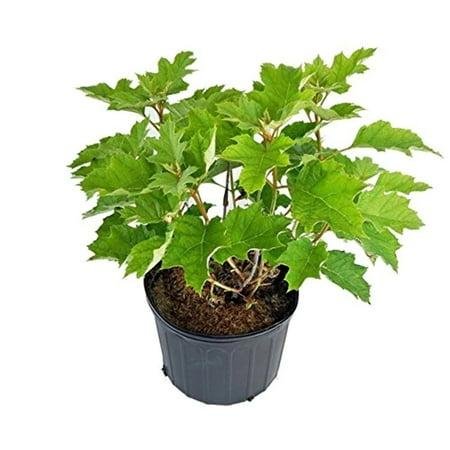
This fully established plant will grow rapidly when placed in a sunny location, reaching a height of 6 feet and producing a wealth of white flowers.
Varieties of Oakleaf Hydrangeas
One of my personal favorite oakleaf hydrangea varieties is Hydrangea quercifolia 'Snow Queen', available from Nature Hills. If you're looking into landscaping with hydrangeas, 'Snow Queen' is a fantastic choice, providing both height and structure at the back of borders or when used as a hedge. The panicles are stunning, blooming until late summer before turning brown. Be sure not to trim these faded blooms, as the brown flowers add visual interest and structure to the fall and winter garden.
This weather-resistant variety features brilliant white flowers and can thrive in full sun or deep shade. I've cultivated this variety across three different gardens and found it most suitable for the back or middle of garden borders, eventually reaching 6 or 7 feet tall.
For smaller gardens or as a front border shrub, consider growing either 'Munchkin' or 'Pee Wee', available online. Both of these dwarf varieties are ideal for compact spaces, growing to only 3 or 4 feet tall. Like other oakleaf hydrangeas, these smaller varieties can withstand summer heat and direct sunlight.
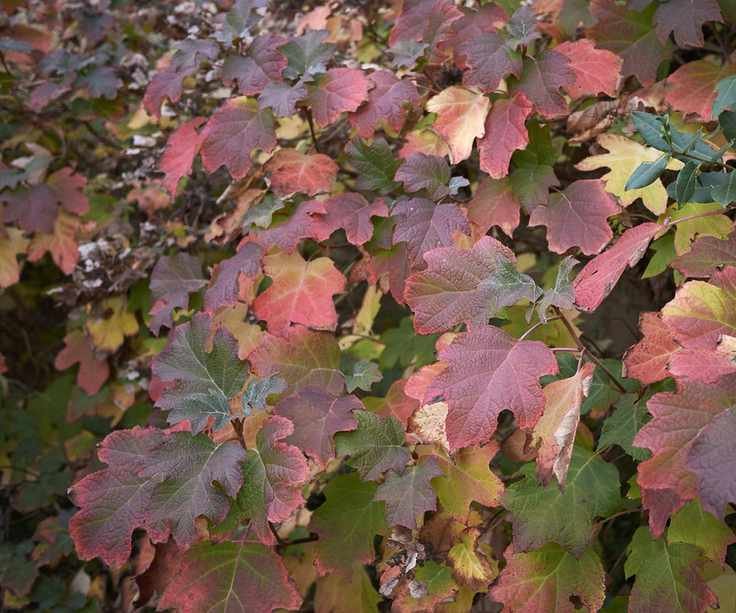
If you need extra motivation to plant this shrub, consider the fall foliage color. In October and November, the oak-shaped leaves transform into shades of purple, orange, or red, bringing vibrant autumn hues to your garden.
FAQs
Can Oakleaf Hydrangeas Be Grown in Pots?
While oakleaf hydrangeas generally struggle in pots, they thrive better in garden borders where their roots can spread. Though it's not impossible to grow them in containers, it presents more challenges. For potted displays, consider a different hydrangea better suited for container growth, such as the popular Hydrangea paniculata 'Limelight', which produces beautiful green-white flowers.
Oakleaf hydrangeas are resilient and hardy plants perfect for any garden. Whether your plot is sunny or shady, these versatile shrubs will add color and presence. For further oakleaf hydrangea insights, refer to our guide on when to prune oakleaf hydrangeas to keep your plants healthy this year.



