
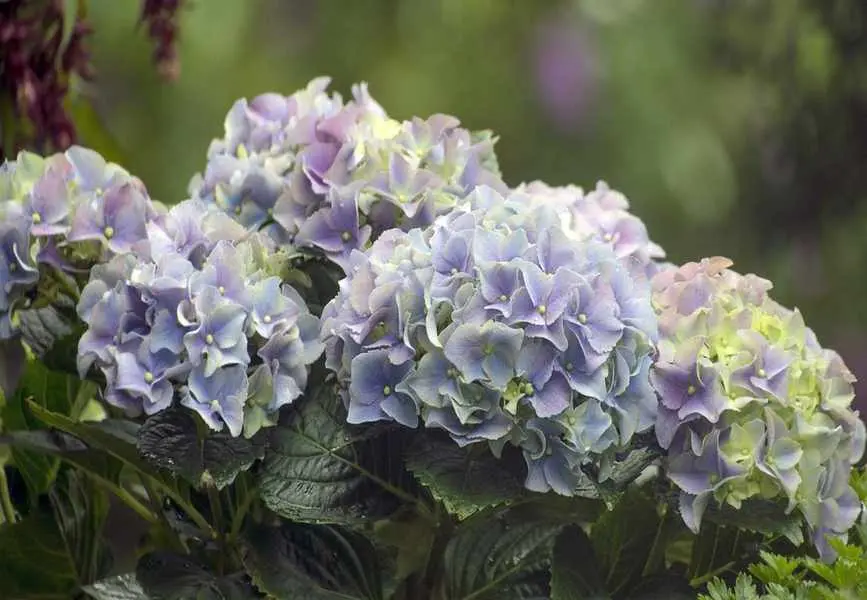
Hydrangeas are stunning additions to any garden, yet they thrive best when planted in ideal conditions. These beautiful shrubs prefer dappled shade and moist, well-drained soil.
While certain hydrangea varieties exhibit better drought resistance, all types require regular watering, particularly in hot, dry weather when they may start to wilt.
When cultivating hydrangeas, it's essential to water them at least weekly or more often during extreme heat, especially if they're potted. Even drought-resilient varieties need consistent observation for signs of heat stress and adequate watering.
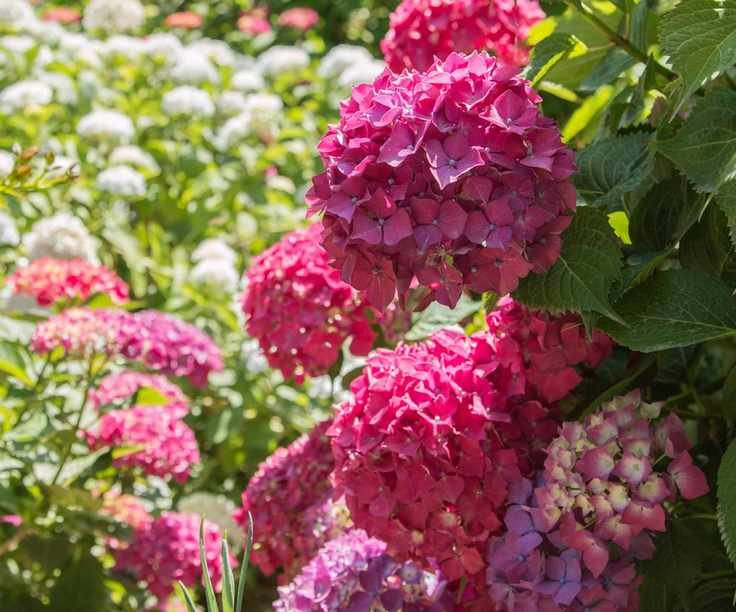
Hydrangeas require sun for blooming but prefer a semi-shaded environment.
Do Hydrangeas Tolerate Drought Well?
Generally, hydrangeas are not classified as drought-tolerant plants. They thrive on moisture and can easily suffer in prolonged dry spells. The extent of their drought resistance varies among different species.
Signs of water stress include wilting leaves and flowers, which can lead to defoliation in severe cases. These plants prefer cooler temperatures and semi-shade, though some sunlight is necessary for blooming.
During dry spells, ensure you water your hydrangeas at least once a week, or every few days if conditions are particularly arid. Gardening expert Tony O'Neill advises that during dry periods, hydrangeas should receive about an inch of water weekly.
He notes that this is merely a baseline; many hydrangeas will need more frequent watering, especially in regions with hot summers. Monitoring for signs of wilting is vital for their health.
Established hydrangeas develop stronger root systems, making them more drought resilient. Therefore, if you're planting hydrangeas or transplanting them, they will require more frequent watering during their first year in the ground. For potted hydrangeas, check daily for moisture, especially on hot days.

Tony O'Neill is a dedicated gardener and author of Composting Masterclass, available on Amazon. He runs a website and popular YouTube channel focused on gardening tips.
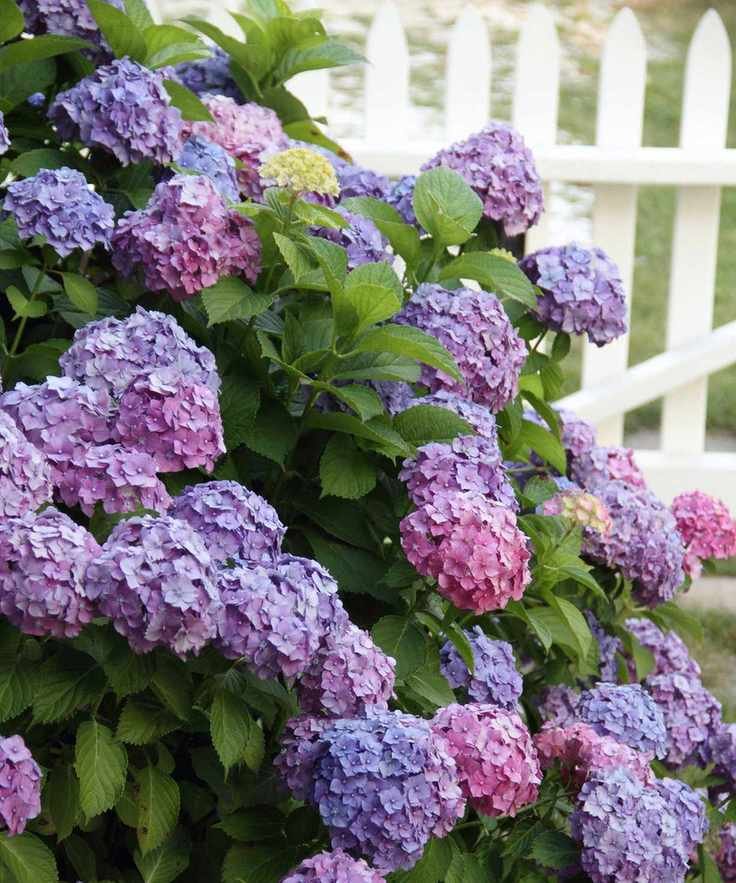
Regular watering is crucial for hydrangeas during dry spells.
Which Hydrangeas are Most Drought-Resistant?
Not all hydrangeas are equal in their drought tolerance. It's wise to research varieties if you're seeking hydrangeas that can endure dry conditions.
Many hydrangea species feature various flower shapes, from the round mophead to conical blooms. While some are among the best shrubs for shady areas, certain types can better withstand dry spells.
Stephen Sullivan, an expert at Plant Native, mentions that Oakleaf (Hydrangea quercifolia) and Panicle hydrangeas (Hydrangea paniculata) are generally more drought-tolerant compared to Bigleaf hydrangeas (Hydrangea macrophylla).
Specifically, the Oakleaf variety features thicker leaves that minimize water loss during dry periods.
Some cultivars of Hydrangea paniculata are recognized for their drought resilience, notably the 'Little Quick Fire' variety.
Little Quick Fire Hydrangea paniculata | Available at Nature Hills
This variety is known for its drought tolerance and produces 8-inch long panicles that shift from white to pink.
Common Questions
Can Hydrangeas Survive Drought?
Hydrangeas can endure drought, but they need regular watering. In extreme heat, you might need to water them daily.
Young plants and those in pots are at the highest risk during drought, but all hydrangeas can struggle.
Hydrangeas may exhibit signs of water stress, such as wilting leaves. However, Annette Hird from Easy Urban Gardens assures that prompt action can reverse these symptoms.
She suggests: 'During hot, dry spells, hydrangeas require consistent watering. They will droop when thirsty but usually recover once given water.'
Why are My Hydrangeas Wilting in the Heat?
Wilting hydrangeas can often indicate too much sun and insufficient water. Check the soil moisture with your fingers or a meter; if dry a few inches down, give them a deep watering.
It's possible that your hydrangea is situated in full sun rather than the partial shade it prefers. Excessive heat can quickly deplete their water supply, leading to wilting.
Diseases can also cause wilting, such as bacterial wilt, which manifests as drooping leaves and flowers. Unfortunately, there's no cure for this condition, and affected plants should be removed and destroyed.
If you're seeking drought-tolerant planting options or inspiration for designing a dry garden, hydrangeas may not be the best fit. They require regular watering and there are many other drought-tolerant shrubs that are easier to maintain in dry conditions.



