
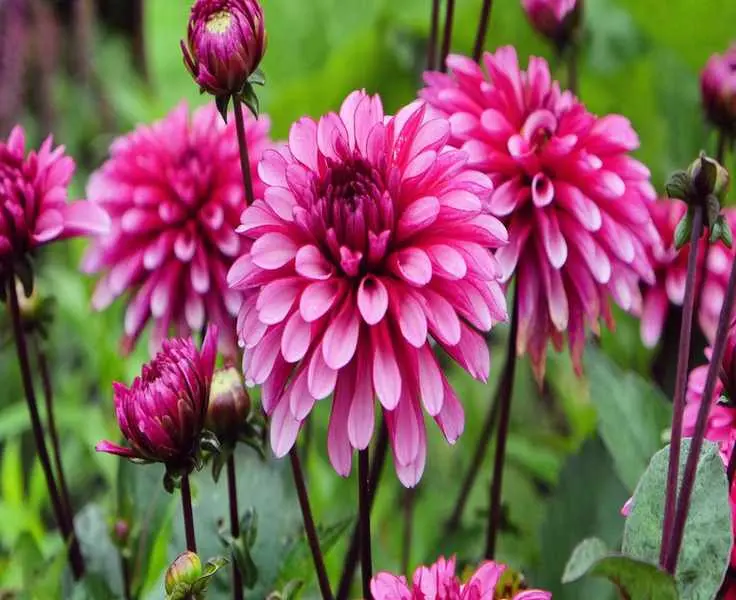
Dahlias are a gardener's delight, offering stunning blooms in various colors and sizes. However, purchasing tubers can be pricey. Fortunately, you can easily expand your dahlia collection by forcing existing tubers and taking cuttings, making it both fun and cost-effective.
Forcing tubers involves encouraging dahlias to sprout outside their typical growing season. When you dig up and store dahlias indoors during cold months, they can't return outdoors until the weather warms up in late spring.
By planting dahlias indoors in February or March, you stimulate earlier growth. This method rewards you with a longer blooming season and allows you to take cuttings for free new plants. These cuttings can take root quickly and may bloom by the end of the first season. This guide explains how straightforward it is to propagate your favorite dahlias.
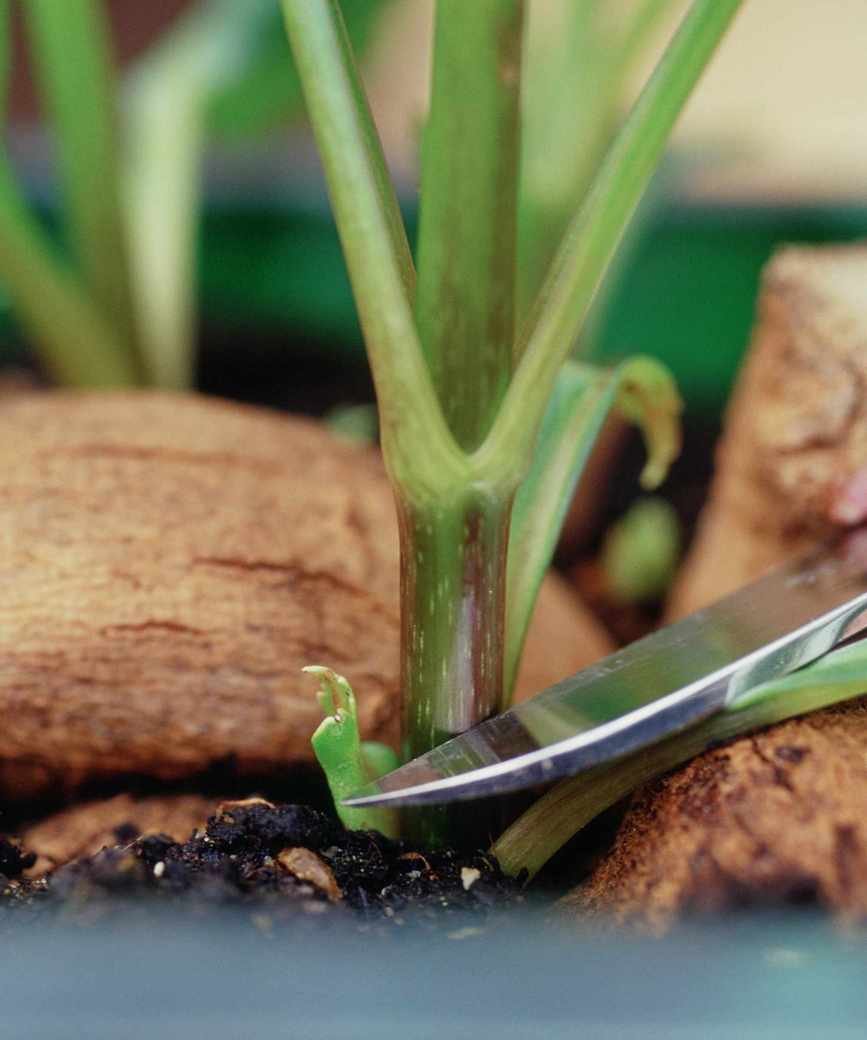
Steps for Forcing Tubers and Taking Dahlia Cuttings
Starting your dahlias indoors is simple and can kick off in February. This gardening task applies to all dahlia types. Whether you fancy single, cactus, or pompon dahlias, forcing tubers in late winter leads to a vibrant blooming period and the chance to create new plants through cuttings.
Why and How to Force Dahlia Tubers
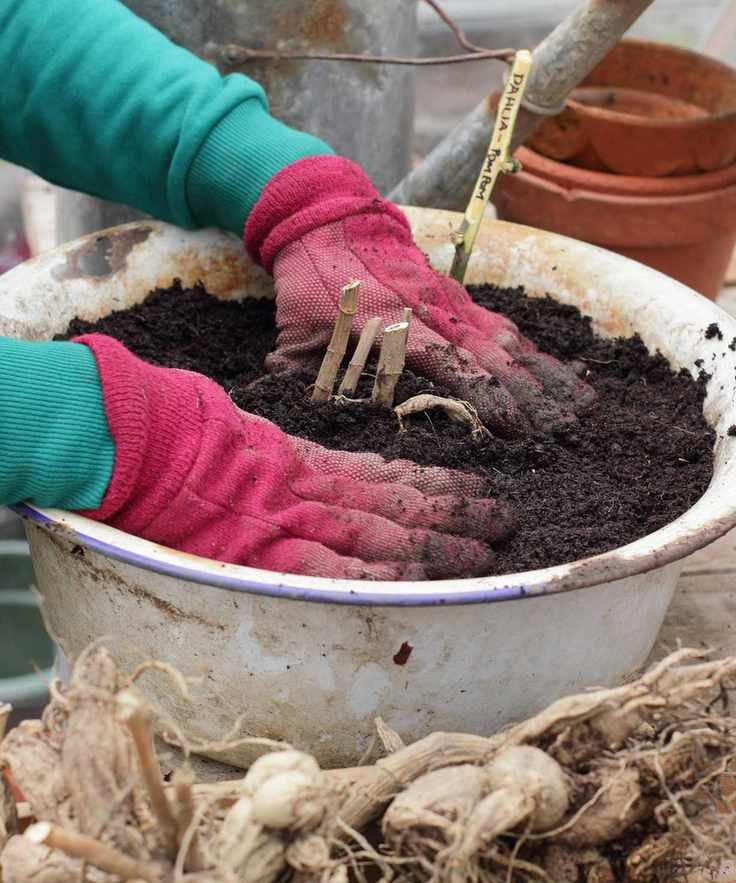
As a former professional gardener, forcing dahlias and taking cuttings was a late winter routine. It helped us achieve extended flowering and build an impressive dahlia collection affordably.
In one historic public garden, we created stunning dahlia displays that attracted many visitors. Thus, keeping them blooming was essential. Additionally, taking cuttings enabled us to maintain a large stock of popular dahlia varieties.
To force dahlias, pot the tubers in a quality potting mix during February or March. Keep them warm, either in a heated greenhouse, on a heat mat, or in a sunny spot. Ensure they receive heat, light, and moisture, and you'll see shoots developing in no time.
Simple Steps to Take Dahlia Cuttings
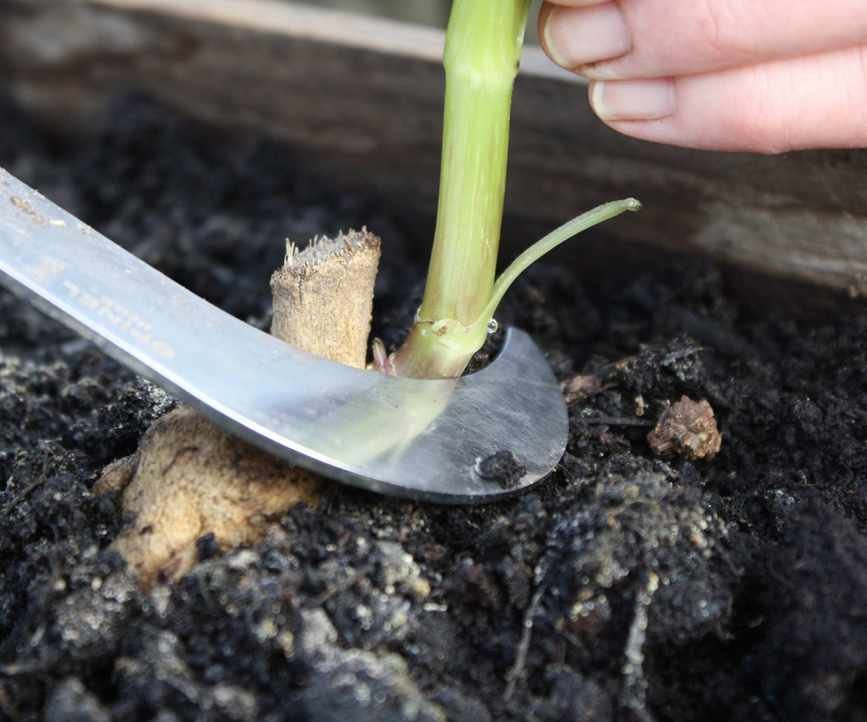
After about three weeks, the new shoots should reach 2-3 inches, making them ready for cuttings. Follow these 7 steps to root dahlia cuttings:
- Prepare small pots filled with a seedling or cutting-friendly potting mix, making a hole in the center.
- With a clean, sharp knife, cut the shoot, including a small piece of the tuber.
- Remove the bottom leaves and dip the cutting end in rooting hormone.
- Insert the cutting into the hole and press the soil around it to eliminate air pockets.
- Place the pot in a propagator or cover it with a clear plastic bag to maintain humidity. Aim for a soil and air temperature of 65-75°F.
- Keep the soil moist but not soggy. Roots should form within 2-4 weeks, followed by fresh leaves.
- Once frosts have passed and temperatures rise, transplant the new dahlias outside after hardening them off.
Organic Potting Soil Mix: High-quality organic mix ideal for seedlings and cuttings, made from natural ingredients for robust root development.
Folding Garden Knife: A compact garden knife with a sharp, stainless steel blade, perfect for cutting stems, featuring a secure push-button lock.
Rooting Powder: A rooting hormone powder containing Indole-3-butyric acid, effective for rooting various plant cuttings.
FAQs
Can Dahlia Cuttings Root in Water?
You can root dahlia cuttings in water by partially submerging them in a container on a bright windowsill with indirect sunlight. Change the water every few days; roots typically develop in 2-4 weeks. However, for stronger roots, rooting in potting mix is preferred.
Another cost-effective method to expand your collection is by collecting dahlia seeds and growing new plants. Sowing seeds indoors about 6-8 weeks before the last frost can yield healthy seedlings ready for spring planting.
Keep in mind that seeds may not produce clones of the parent plant. For that, taking cuttings or dividing tubers are the best methods.



