

While your garden may seem dormant in the winter chill, it still requires attention. Failing to manage winter pests could lead to significant issues in the upcoming growing season.
Many garden pests remain active during winter months, threatening the spring bulbs you planted in the fall and the vibrant foliage of evergreens. Ignoring them could mean seeing your dream garden suffer as temperatures rise, potentially forcing you to restart your planting efforts.
But don't fret! There are solutions to either deter or eliminate these winter pests, ensuring your yard and garden remain secure. Below, pest control professionals reveal five prevalent winter garden pests and offer advice on how to deal with them.
5 Common Winter Garden Pests to Watch For
The types of pests you encounter during the winter can differ significantly by region. Factors such as the severity of winter temperatures also play a role in pest activity. Nonetheless, experts highlight five winter garden pests to keep an eye on, along with steps to manage them effectively.
1. Rodents: Rats and Mice
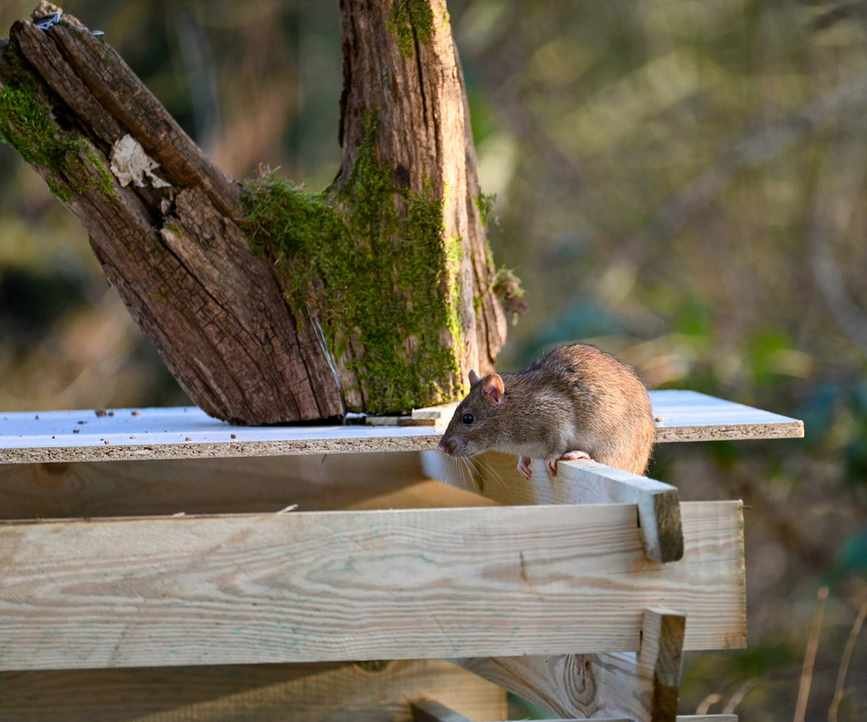
While some animals hibernate or migrate, others, such as rats and mice, adapt to the cold and stay active throughout the winter. These creatures often become more noticeable as they search for food and shelter in gardens and homes.
To keep rats at bay, it's essential to maintain cleanliness in outdoor cooking areas and grills, as these attract rodents. According to pest control expert, Scot Hodges, it's crucial to remove food sources from your yard and eliminate potential shelters, like wood piles.
Additionally, securing your home is vital. Expert Blair Calder advises that rats and mice can squeeze through surprisingly small openings. Be sure to inspect your property for cracks and holes, filling any you find.
For added protection, consider using this rodent repellent from Amazon, which features essential oils that deter rats and mice. Apply it to entry points around your home and yard.

Scot Hodges is a pest control expert and VP of Professional Development and Technical Services at Arrow Exterminators. He provides guidance on various common home and yard pests.

Blair Calder is the Founder & CEO of Automatic Trap Company based in Sonoma, CA. The company specializes in humane solutions for rodent and pest issues and has served consumers and businesses nationwide since 2016.
2. Squirrels
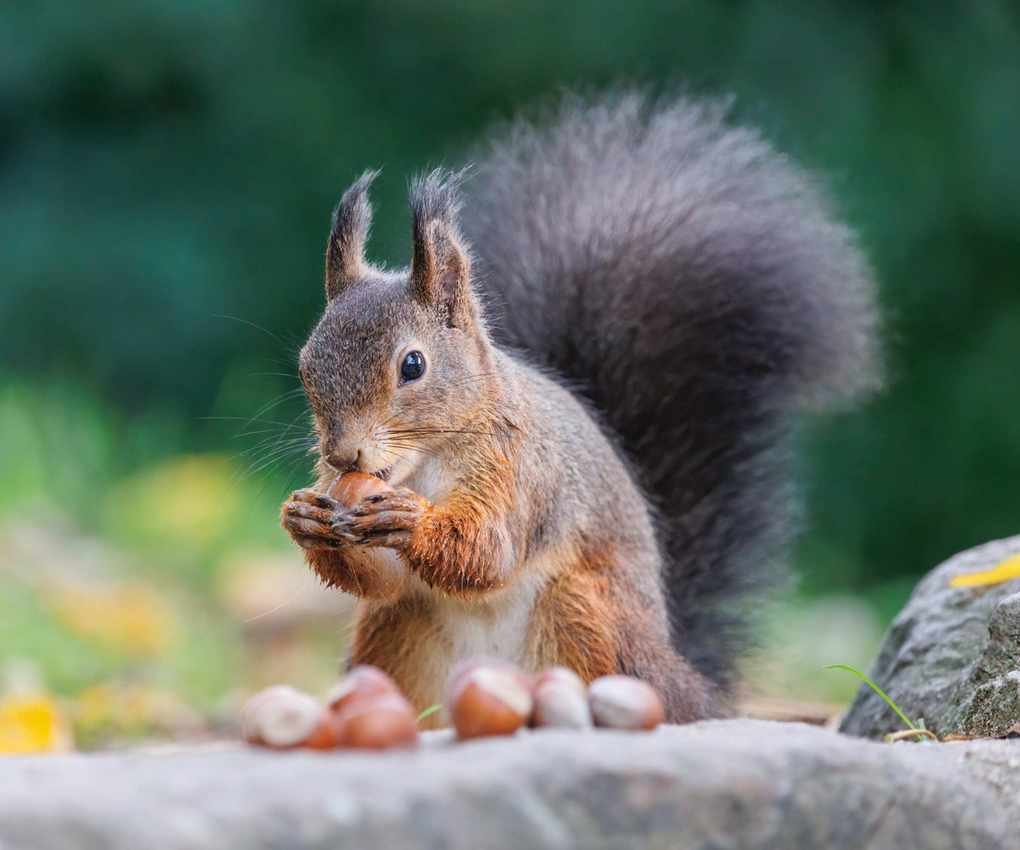
Squirrels, much like rats and mice, do not hibernate. They remain active throughout winter, often seeking food and shelter in tree cavities.
Getting rid of squirrels is essential, particularly to prevent them from digging up your bulbs. Scot explains, 'During winter, gray and flying squirrels often look for shelter in homes, using insulation as nesting material. You may find them in attics, walls, or between floors.' Their nesting habits can damage your home and introduce fleas and other pests.
To make your yard less inviting to squirrels, remove food and shelter sources like bird feeders. Scot recommends moving bird feeders away from the house and using squirrel guards (available on Amazon) to deter them.
3. Slugs
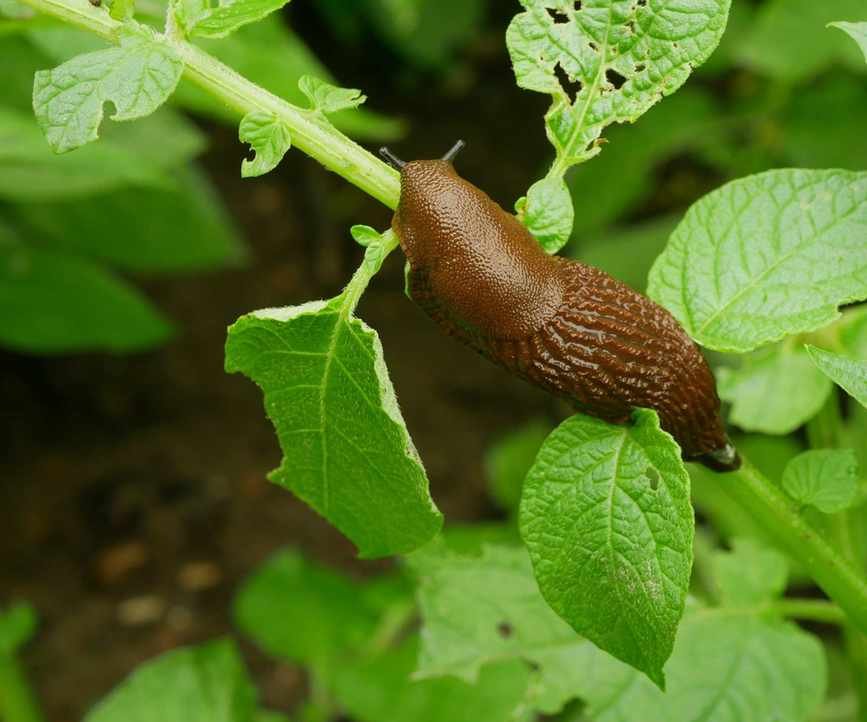
Slugs pose a risk to winter gardens as they can still cause significant damage. Unlike snails that may go dormant, slugs remain active during mild winter days.
These pests may feast on seedlings, sown seeds, and leafy winter crops, such as cabbage. They can even invade greenhouses, wreaking havoc on indoor crops. Taking precautions to protect your plants from slugs is crucial during winter.
Effective methods to eliminate slugs include creating barriers around vulnerable plants using grit or crushed eggshells. Additionally, using copper tape (from Amazon) around containers will deter slugs by causing discomfort as they attempt to cross.
4. Aphids
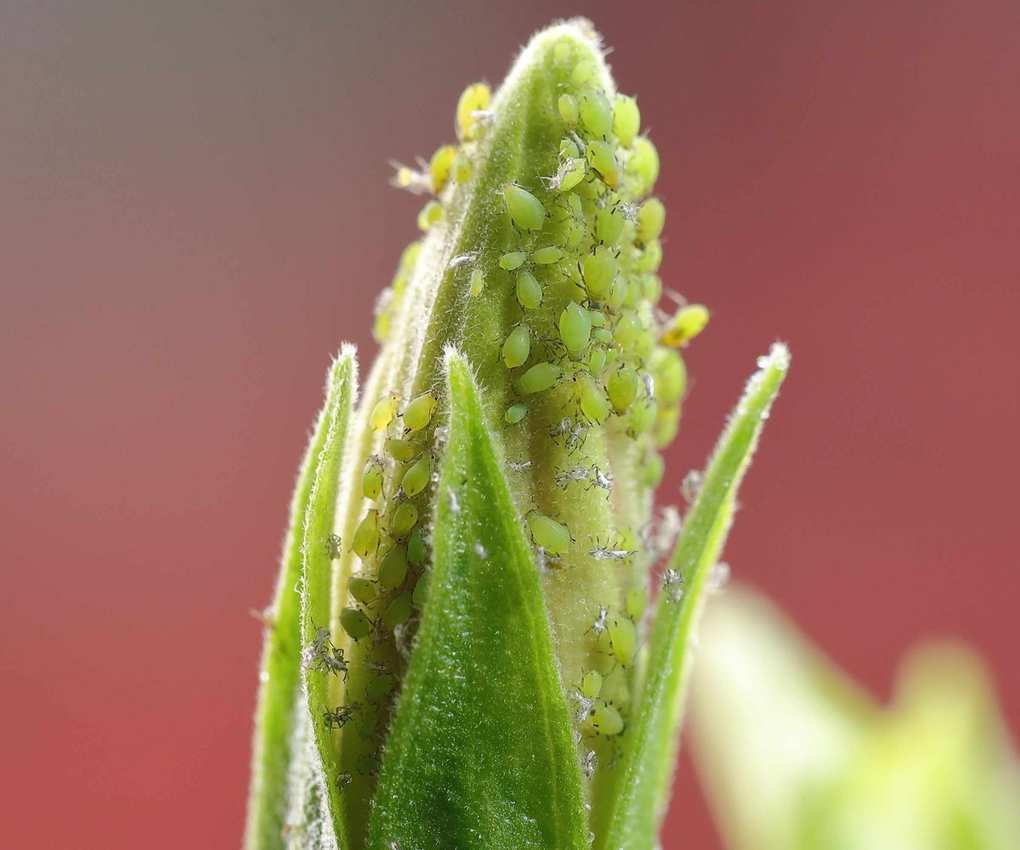
Aphids can be a problem during the winter, particularly in milder conditions. They are also common pests for indoor plants during this season.
These pests can cause serious damage, feeding on plant foliage and leading to discolored, curling leaves and stunted growth. If not addressed quickly, aphids can compromise your plants' health.
Gardening expert Valeria Nyman suggests that a strong blast of water can dislodge aphids. For persistent infestations, mix a homemade bug spray using water, a few drops of dish soap, and a touch of cayenne pepper.
When applying bug sprays, whether homemade or this insect control spray from Amazon, ensure you spray the undersides of leaves, where aphids often hide.

Valeria serves as the Chief Product Officer at Taim.io, an innovative platform offering personalized gardening advice tailored to users' needs. As a strategic leader, she focuses on creating user-centered experiences.
5. Vine Weevil Grubs

While adult vine weevils are typically active in spring and summer, their larvae, known as vine weevil grubs, can survive through winter.
These small, white worm-like larvae thrive below the soil, feeding on plant roots. Their feeding can lead to discolored leaves and wilting, and in severe cases, can kill plants.
Allan Bossel, a pest control specialist at BBE Bed Bug Exterminator, notes that vine weevil grubs often attack potted plants where root systems are more compact and easier for them to infest.
Fortunately, it's possible to eliminate vine weevil grubs. This requires lifting the affected plant, pruning damaged roots with the right tools—such as these pruning shears from Amazon—and cleaning the root system. Afterward, replant using fresh soil.
Valeria adds that beneficial nematodes can assist in this process. These microscopic organisms target grubs without harming other beneficial insects.
Beneficial nematodes can be purchased on Amazon and are effective against a variety of pests when mixed with water.

Allan Bossel is an Operations Expert at BBE Bed Bug Exterminator, where he leverages his extensive experience to maximize service effectiveness. He previously founded a pest control business in Michigan, contributing to over a decade of pest management experience.
FAQs
Are indoor plant pests active during winter?
Absolutely, winter is often when many indoor pests are most active. Factors like indoor heating create conditions for pests to thrive and reproduce. Common indoor plant pests during winter include spider mites, aphids, and scale insects. Regularly cleaning houseplant leaves can help keep these pests at bay.
Maintaining a clean yard, securing your property, and removing food and shelter sources are vital steps to deter a variety of pests. However, it's equally important to research specific pest control methods tailored to the pests you face. Regardless of the winter pests you encounter this season, avoid common pest control mistakes that could exacerbate the problem.



