
It often feels like no matter how many outlets are in your home, they're never conveniently located when you need them. This is where extension cords come in handy. While they're great for quickly charging devices or plugging in lamps, electricians caution against using them for certain appliances. Here are five home appliances that should always be plugged directly into a wall outlet for safety reasons.
Home Appliances That Should Avoid Extension Cords
Regardless of whether you're trying to conceal cords on kitchen counters or manage cables for a tidy living space, these five appliances pose risks when plugged into extension cords.
1. Washing Machines and Refrigerators

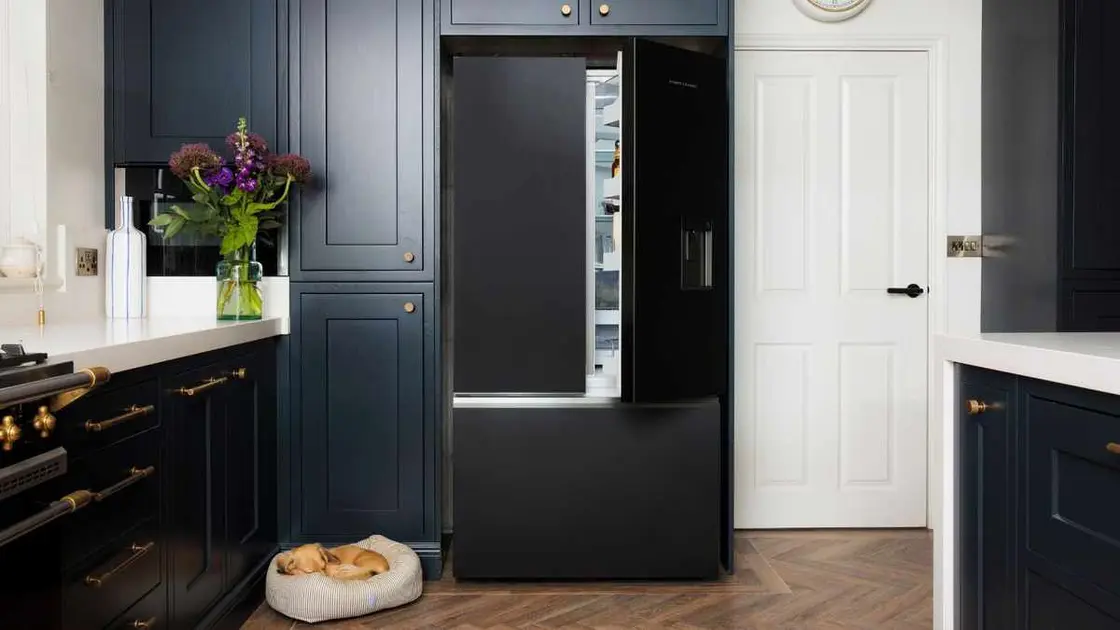
A good rule of thumb is that larger appliances typically require a direct connection to a wall outlet. This includes items like washing machines and refrigerators. Adam Nelson, a master electrician, emphasizes, 'These should be on dedicated outlets controlled by the circuit breakers in your main panel.' Extension cords lack circuit breakers, making it easy for larger appliances to overload, which can lead to fires. While it might limit your kitchen design options initially, it's far better to keep your home safe.
2. Stoves

'Never plug kitchen appliances, especially stoves, into extension cords,' warns Josh Rudin, owner of ASAP Restoration. These essential kitchen appliances require much more power than typical extension cords can provide, leading to overload and potential fires. 'This isn't what extension cords are designed for, nor is it how major household appliances should operate.' If relocating your stove is necessary, it's best to wait and have a professional electrician handle the wiring during a kitchen remodel.
3. Space Heaters
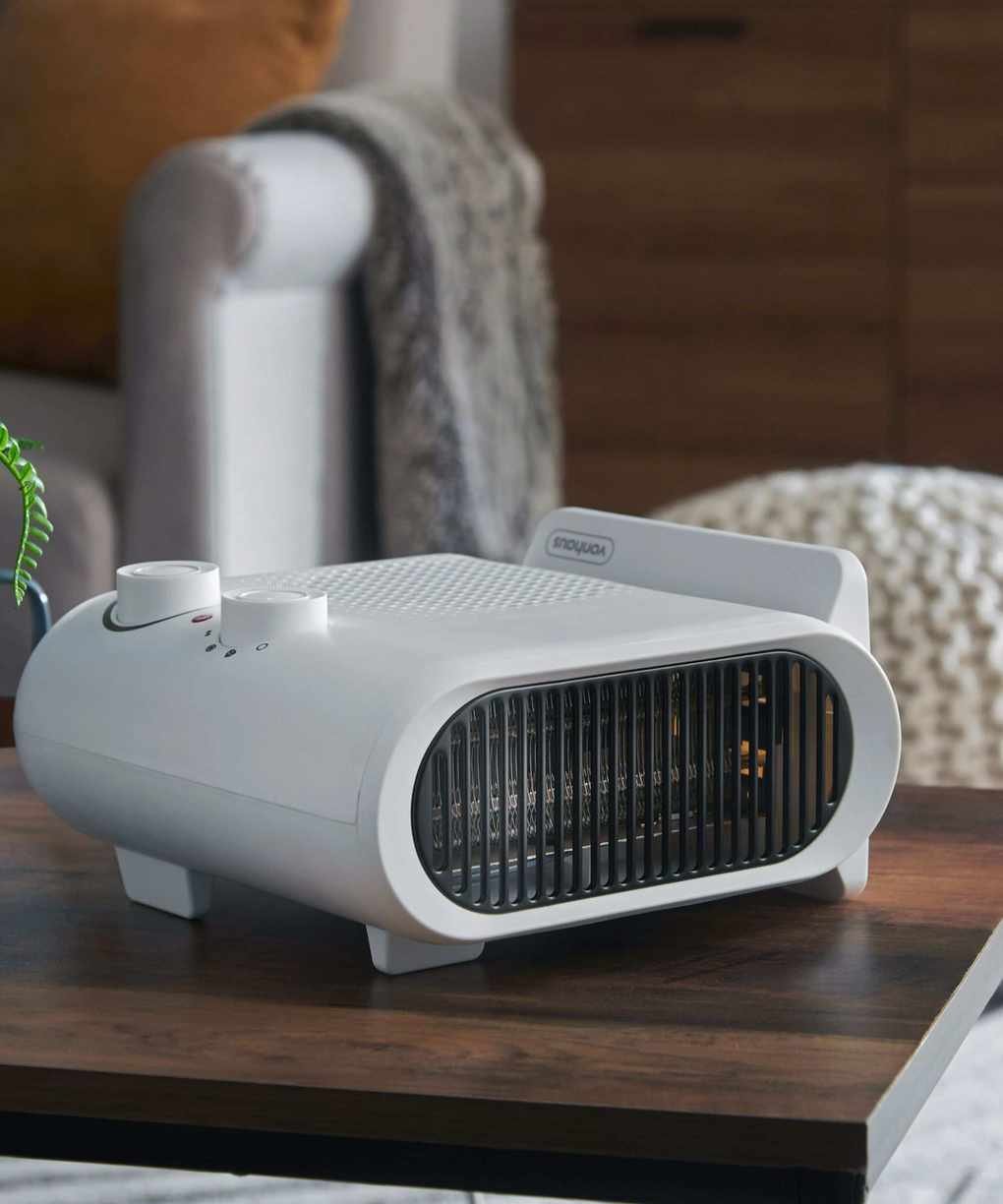
Space heaters are designed to be mobile for effective heating. However, Adam Nelson cautions against plugging them into extension cords: 'Space heaters should always be plugged directly into a wall outlet. These appliances are a natural fire hazard and should be connected to outlets secured to circuit breakers to prevent overloads.'
4. Other Extension Cords
While extension cords are meant to extend the distance between your outlet and devices, Al Fouz, an electrician at Abaco, warns against daisy-chaining multiple cords together. This practice significantly increases the risk of overload by exceeding the maximum wattage rating, which can lead to a fire. Instead, opt for a longer extension cord or simply move closer to an outlet. It may not be the most aesthetically pleasing solution, but your safety is worth it.
5. Small Kitchen Appliances
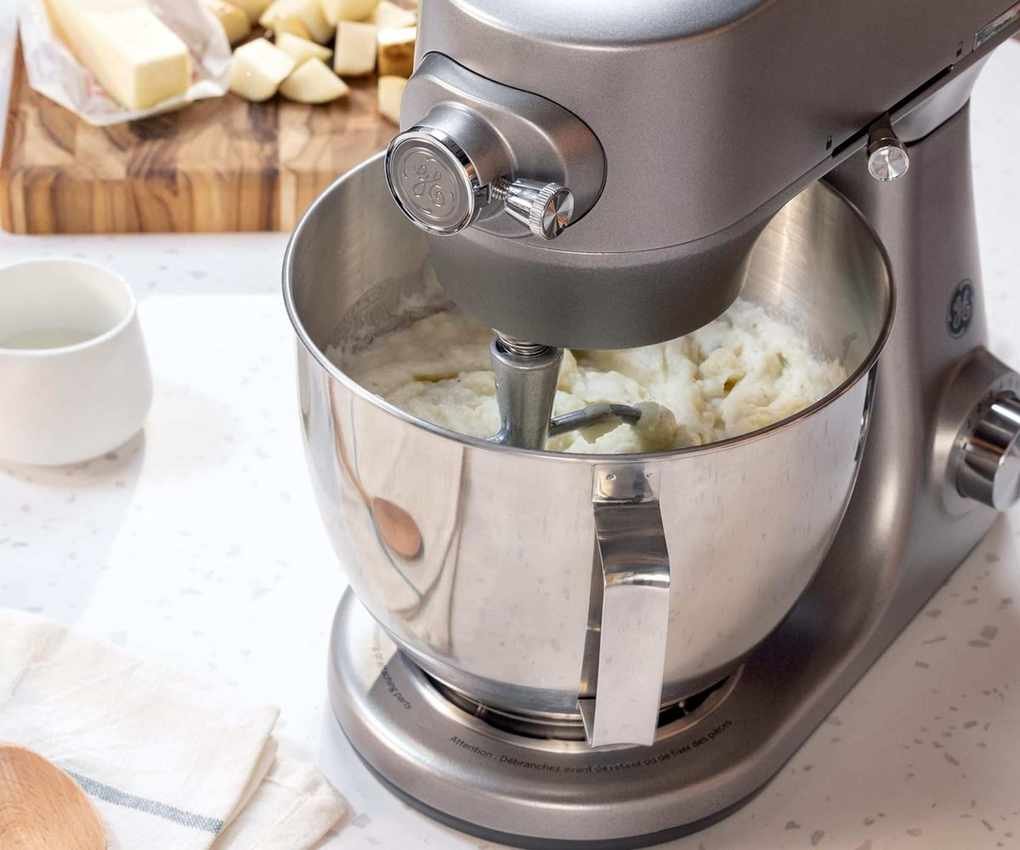
It's not just larger appliances that should avoid extension cords; smaller kitchen devices like air fryers, stand mixers, and microwaves should also be plugged directly into wall outlets. Though they're smaller, these powerful cooking tools often require significant wattage, making them unsuitable for extension cords. Even if you're only using them briefly, it's safer to connect them directly to a wall outlet, even in a small kitchen where space might be limited. If counter space is a concern, consider storing appliances like toasters and mixers in cabinets to keep outlets free for necessary items.
FAQs
Are Extension Cords Dangerous?
Extension cords are generally safe when used properly and monitored for wear and tear. They become hazardous only when used for large appliances, left plugged in for extended periods, or if the cord is damaged.
Why Does My Extension Cord Spark When I Plug Something In?
If your extension cord sparks when you insert a plug, it's likely due to the current jumping from the outlet to the plug. To prevent this, consider turning off the extension cord before plugging in your device, then switch it back on once the plug is secured. You might also want to have the cord checked for any damage causing the spark.
That said, extension cords can be incredibly useful for powering small devices like laptops and phones or relocating lamps. Use them wisely!



