
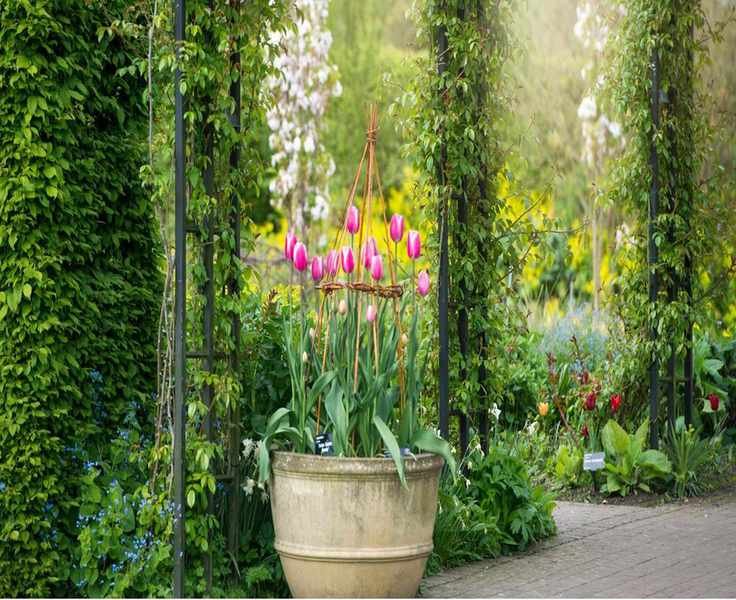
As a passionate container gardener, I enjoy the aesthetics of large planters brightening up my space. However, filling them with potting soil can be pricey, prompting me to seek alternative options.
While there are various items you can use to fill large planters for drainage, some materials can actually hurt your plants. Using the wrong fillers can block drainage, decompose too rapidly, and expose your plants to rot and fungal diseases.
It's crucial to know which materials to avoid when filling your containers. Below are five things to steer clear of and the reasons they can impede your container gardening success.
5 Materials to Avoid in Large Planters
Making the wrong choice for the bottom of a large planter can negatively affect root health and moisture management. Thus, careful consideration is essential. Here are five items that should not be used:
1. Non-porous Materials

My research on filling large planters clearly indicated that non-porous materials belong on the ban list.
Container plants require adequate drainage to thrive. If a solid material blocks moisture from escaping, it can trap excess water in the pot, leading to issues like root rot, fungal problems, and potentially the death of your plants.
Avoid the following items:
- Plastic sheeting
- Solid glass or ceramic pieces
- Concrete blocks
Instead, consider porous materials likecontainer garden pebbles available on Amazon or wood chips.
For effective watering, you might also want to utilize asoil moisture meter (from Amazon) to check moisture levels.
2. Untreated Wood

While wood chips can help with drainage and provide necessary nutrients as they decompose, untreated lumber can be detrimental.
This material rots quickly with moisture exposure, risking the health of your plant roots and potentially attracting pests.
Untreated wood also breaks down faster than expected, leading to the need for more soil sooner than planned, which defeats the purpose of saving money.
Consider using rot-resistant alternatives like composite lumber or cedar.
3. Garden Soil
Using garden soil for filling planters can be tempting due to its low cost and accessibility. However, it's often too dense for container gardening.
Garden soil is prone to waterlogging, increasing the risk of rot and fungal diseases. Instead, opt for a lighter mix that promotes drainage. Commercial potting soil, likethis organic potting mix from Amazon, is often formulated to provide essential nutrients for container plants.
4. Plastic Liners
In my search for eco-friendly gardening options, plastic liners certainly don't make the cut.
Plastic liners can release microplastics into the soil, contaminating your plants, particularly harmful in kitchen gardens.
Additionally, plastic liners without drainage holes can suffocate roots and foster algae and mold growth. They can heat up too quickly in the sun, damaging plant roots.
Instead, opt for a breathablecoco coir liner (from Amazon).
5. Grass Clippings and Weeds
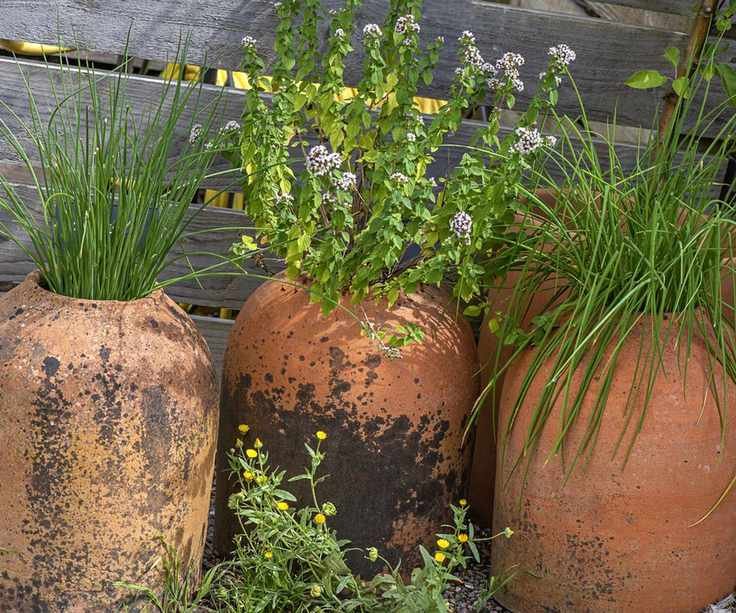
Both grass clippings and weeds are significant items to avoid for different reasons:
While grass clippings can enrich compost, using them directly in planters can lead to rapid decomposition, requiring frequent soil replenishment.
Weeds, on the other hand, can sprout in your planters, competing with your plants for nutrients, especially if they carry seeds.
It's wiser to compost garden waste and manage weeds in a way that prevents their return.
FAQs
Can I use cardboard in the bottom of my planter?
Yes, cardboard can be a great filler for the bottom of large planters. It can help save money on potting soil and smother weeds. Just ensure it's plain cardboard without ink or plastic stickers so it can decompose over time.
I'll be mindful of these materials when adding to my collection of large planters. They should also be avoided whenrepurposing household items as unique planters. Instead, chooseitems that improve drainage, such as gravel and even crushed cans.



