
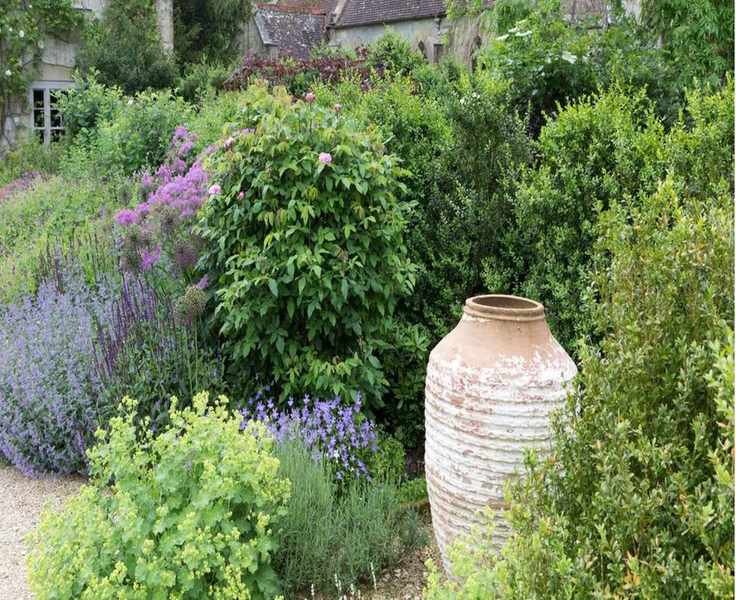
Using lightweight, affordable materials to fill the bottom of a large planter can help you save on compost while keeping your plants healthy. Instead of filling the entire container with potting soil, consider layering the base with alternative fillers. This can make planting simpler and less labor-intensive.
Large planters can create stunning visual appeal, whether they frame your entrance or serve as garden centerpieces. However, they often require a lot of compost and can become quite heavy when filled.
The great news is that you don't have to fill the whole container with soil. Most plants thrive without it, so using various materials in the base can cut down on compost needs and sometimes make the planter easier to relocate. Ensure your planter has proper drainage holes; good drainage is crucial. The materials you choose to fill the bottom matter. This guide discusses practical, cost-effective options for achieving this.
Lightweight Materials for Large Planters
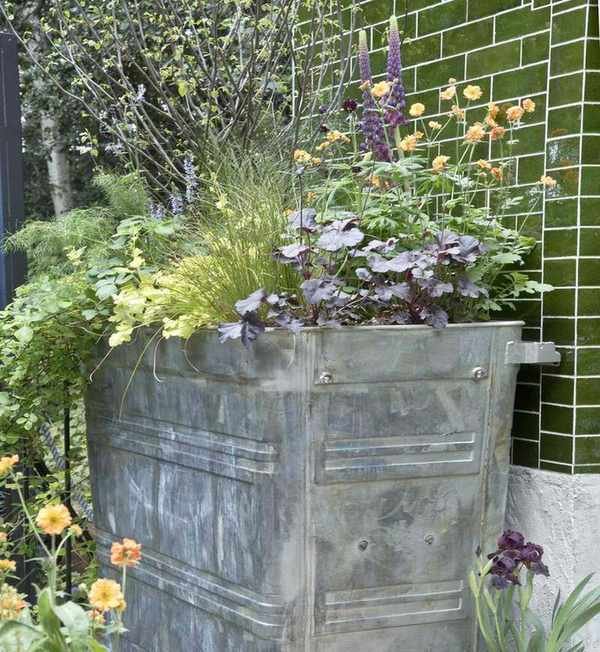
If you want to move your large planters around, using lighter materials is beneficial. Whether relocating indoors during winter or finding the sunniest spot in your yard, reducing weight simplifies the process.
Consider these excellent lightweight fillers for large planters:
- Pine cones
- Twigs
- Plastic pots
- Styrofoam or packing peanuts
- Plastic bottles or milk jugs
- Wood chips
- Bubble wrap
- Cardboard
Heavy Materials for Large Planters
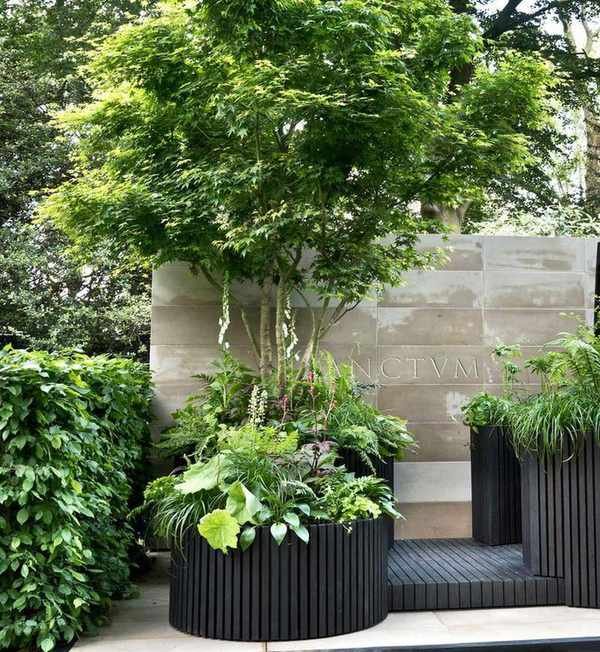
There may be times when you prefer to keep your planter heavy without overspending on potting soil. Filling a large planter completely with soil can increase the risk of waterlogging, leading to potential root rot.
For instance, when using large decorative pots for tall plants, extra weight at the bottom can help prevent tipping during windy conditions. If your large planters are stationary in your yard, consider filling them with these heavier materials:
- Logs
- Broken pottery
- Stones
- Bricks
- Gravel
Filling the Bottom of Your Planter
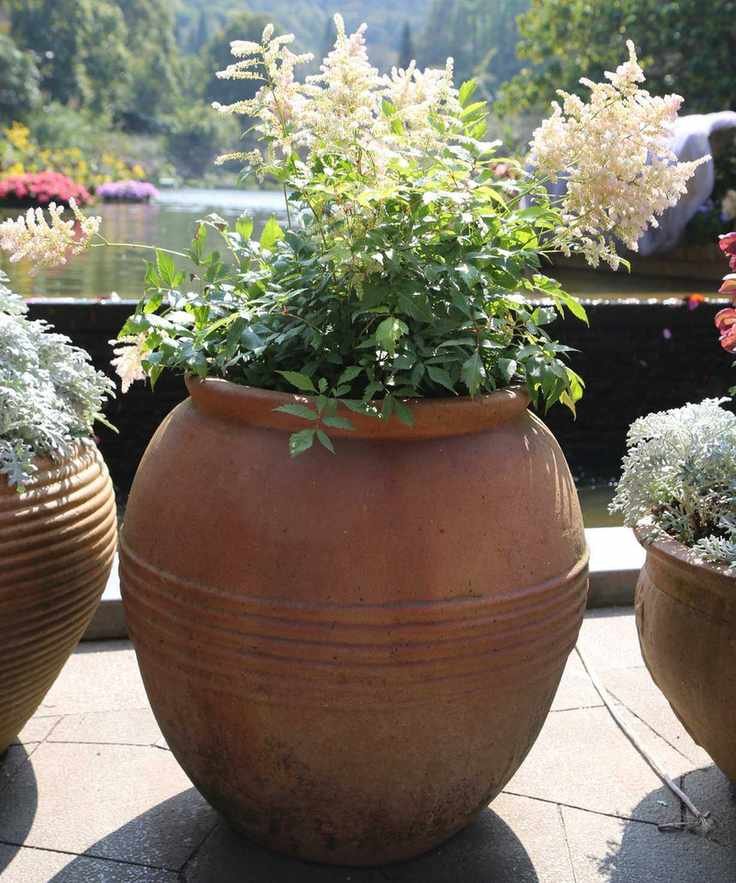
When filling your planter, be careful not to obstruct the drainage holes. Proper drainage is vital for healthy roots, so avoid placing heavy materials like stones or bricks directly over these holes, as they can block excess water.
This mistake can lead to waterlogged soil and rotten roots. Instead, use lighter, more porous materials that allow water to flow through easily. If using plastic items, creating holes will enhance drainage and help prevent water pooling.
When layering, aim to fill about one-third of the bottom with your chosen materials. While you don't need to fill the entire container with soil, ensure that plants have enough depth for their roots.
Leave several inches of compost beneath the root ball to support growth and moisture distribution. Raising the water table too high can hinder airflow around the roots and elevate the risk of rot.
Consider adding a liner, like landscape fabric from Target or old compost bags, over the filler layer to separate the soil. This isn't required but can prevent compost from sifting down over time.
If you do use a liner, ensure it's permeable to allow water to drain freely.
Also, there are some materials you should avoid as they can cause more harm than good.
Essential Planting Tools
Comfort Grip Trowel: This trowel simplifies planting in large containers, featuring ridges on its red handle for enhanced grip and stability.
Copper Watering Can: This one-gallon copper watering can, made from high-quality galvanized steel, offers a stylish way to water your large planters without rust concerns.
Floral Gardening Gloves: These fashionable leather gloves provide excellent grip when handling tools and protect against plant scratches and cuts.
While many focus on annual flowers for quick summer color, consider evergreen plants that provide year-round interest in pots.
Our guide on the best year-round pot plants includes evergreen shrubs, small trees, and perennials that can create stunning displays in large planters throughout the year.



