Inviting wildlife into your garden is one of the joys of cultivating a vibrant outdoor space filled with plants that support various animals. Among the most delightful visitors are garden birds, including cardinals, goldfinches, and robins, with the US hosting an array of fascinating species.
If you're keen on aiding garden birds during warmer months or during winter, understanding how to provide food for them is crucial. While a well-stocked bird feeder is a good start, experts suggest numerous ways to enhance the food sources available to birds in your yard.
From selecting the right plants to positioning feeders effectively, there are many factors to consider when learning about bird feeding. Here are the top five expert tips for feeding your feathered friends throughout the seasons.

5 Expert Strategies for Feeding Garden Birds
Besides knowing what to feed birds, it's essential to avoid certain foods. Human snacks, alliums, and fruit seeds can harm birds. Instead, try these five methods to supply vital nutrients to your local birds:
1. Plant Native Flora

Opting for native plants in your garden is an excellent alternative to traditional feeders, offering ample foraging food. Nectar-rich flowers and berry-bearing hedges are particularly attractive to birds.
Expert ornithologist Maren Gimpel emphasizes, "Using native plants provides a natural food source for birds. Whether it's viburnum berries for thrushes or echinacea seeds for finches, your plant choices can significantly enhance their lives. Consult local gardening resources to find the best species for your area."
Check out Nature Hills for a variety of native plants suited for different US regions.

Maren Gimpel serves as Associate Director at Washington College's Foreman's Branch Bird Observatory, where she has been banding birds since 2002.
2. Feed Birds Year-Round

Just because the garden activity slows in fall and winter doesn't mean you should stop feeding birds. Many species remain active during the cold months, making it vital to continue providing food.
Bird blogger Dan DeBaun states, "Winter feeding is especially beneficial, as natural food supplies dwindle. Also, feeding throughout the year supports migrating birds in spring and autumn."
Ensure you're aware of local regulations regarding bird feeding, as some areas have restrictions during bear season. Offering cooked potatoes occasionally is a great idea during colder months for a carbohydrate boost. Just remember not to make it a staple of their diet—sweet potatoes (available at Walmart) are an excellent choice.

Dan is a passionate bird feeding expert who began his hobby during the pandemic and now enjoys attracting a variety of birds in his Minnesota garden.
3. Opt for Black Oil Sunflower Seeds

Choosing the right bird feed can be overwhelming, but one stands out: black oil sunflower seeds (from Amazon).
According to Maria Kincaid, an ornithologist, "Black oil sunflower seeds are affordable and loved by many bird species."
These seeds are high in oil content, making them an excellent energy source. Their thin shells are easy for birds to crack open, appealing to titmice, chickadees, finches, and more.
There are plenty of ways to offer these seeds—use them in traditional feeders (from Amazon), scatter them in gardens, or use a feeder with a camera, like this FeatherSnap feeder (from Amazon), to observe their feeding habits.
Additionally, offering a variety of foods ensures a balanced diet for the birds.
Maria adds, "In colder months, I also include a suet block (from Amazon) to provide necessary fats for local birds."

Maria Kincaid is known as FeatherSnap's "bird nerd" and has a deep-rooted fascination with wildlife and birdwatching.
4. Select a Hopper Feeder
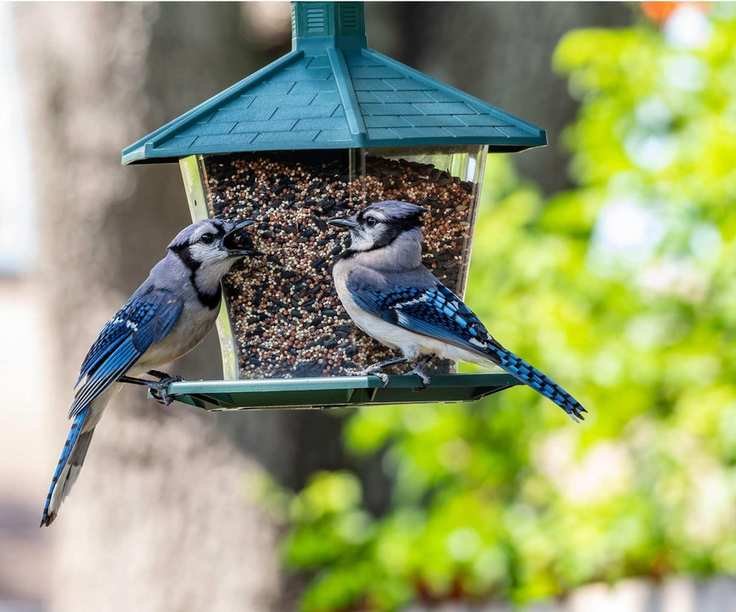
Selecting the right feeder can be just as daunting as choosing bird feeds. Between window feeders, tray feeders, and DIY options, it can be hard to find one that suits your needs.
Experts agree that hopper feeders are the most versatile. "Hopper feeders allow seeds to flow down to a tray as they're eaten, making them accessible for various bird sizes," Maria explains.
These feeders are often house-shaped and spacious enough for many birds to perch. Unlike smaller feeders, they accommodate a range of seed mixes and larger birds too.
5. Keep Squirrels Away from Feeders

While welcoming squirrels can be part of your garden's charm, they often raid bird feeders, which can be problematic. To deter them, consider providing alternative food sources like nuts and fruits in a different area.
"Squirrels are clever and agile, so it might take more than one method to deter them. Position your feeder about 10 feet from tree branches to minimize their access," Maria suggests.
Installing a baffle (available at Walmart) can make it more challenging for squirrels to access the feeder.
Using spicy bird feed can also help. Birds don't sense capsaicin, the compound that creates the heat in chili peppers, but squirrels do. You can find spicy seed mixes (from Amazon) or add cayenne pepper to your existing seeds to deter them, though some squirrels can be quite resilient to this tactic.
FAQs
What's the best way to provide water for garden birds?
It's essential for birds to have fresh water for drinking and bathing. Consider installing a bird bath, ensuring you clean it regularly. Alternatively, a hanging water tray (from Amazon) can also work well.
Make sure to refresh the water frequently to keep it clean. A water pump (from Amazon) can help maintain cleanliness. Don't forget to take steps to prevent freezing in winter, ensuring birds have access to fresh water even in cold weather.
These are just a few expert-recommended strategies for feeding birds. There are countless options to explore, including offering rice in feeders as an occasional treat. When starting out, consider choosing a bird feeder that minimizes the risk of infection.
Shop Bird Feeding Essentials
Wild Bird Basic Seed
This seed blend is perfect for attracting a variety of wild birds.
Hanging Hopper Bird Feeder
This versatile hopper feeder expands to hold more bird food.
Suet Balls
These provide essential fats and energy for birds.