
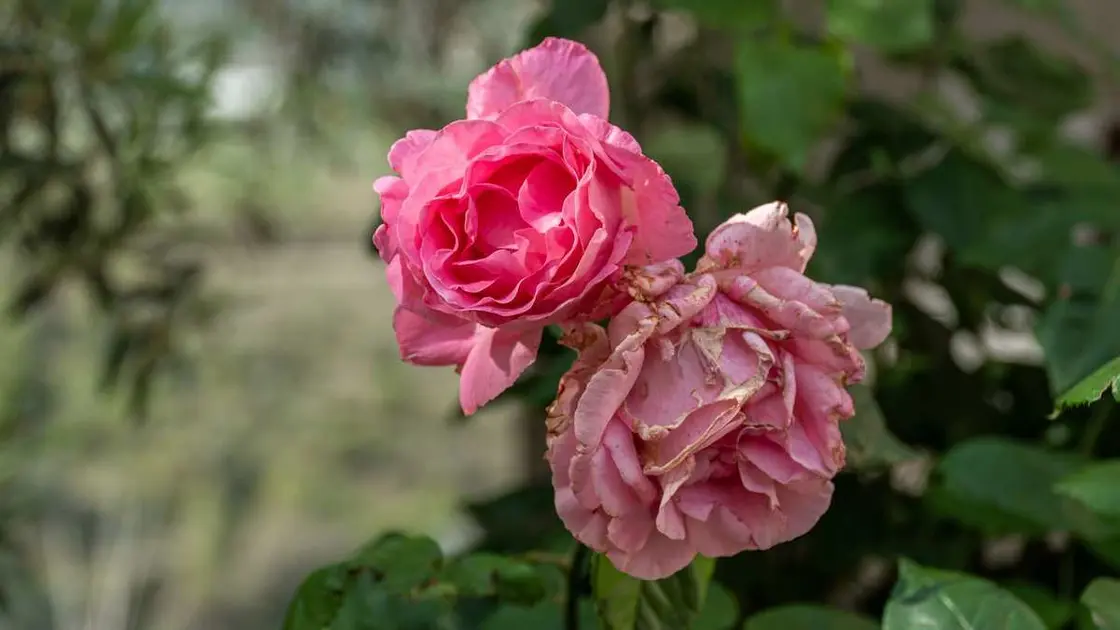
As summer's heat intensifies across the US, our plants may face challenges. While sunlight is generally beneficial, too much heat can lead to stress, adversely affecting their health and growth.
It's crucial to shield both outdoor and indoor plants from excessive heat. Many plants aren't acclimated to extreme temperatures, especially those not native to warmer regions.
If you notice your plants drooping or not flourishing as they should, they could be suffering from heat stress. Here are five signs to look out for and expert recommendations to help manage the situation.
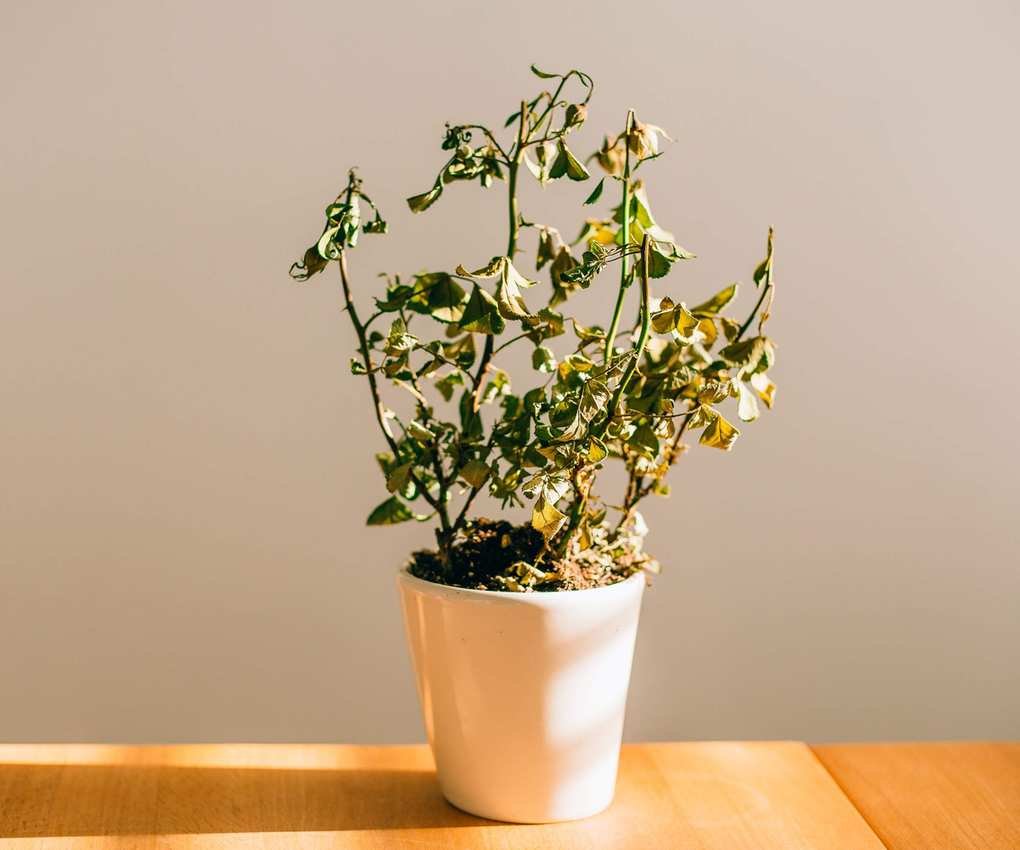
5 Signs Your Plants Are Facing Heat Stress
Heat stress occurs when plants endure extreme temperatures, leading to compromised growth and aesthetics. Your plants will show distress signals long before significant damage occurs. Here are five common indicators of heat stress.
1. Wilting Blooms
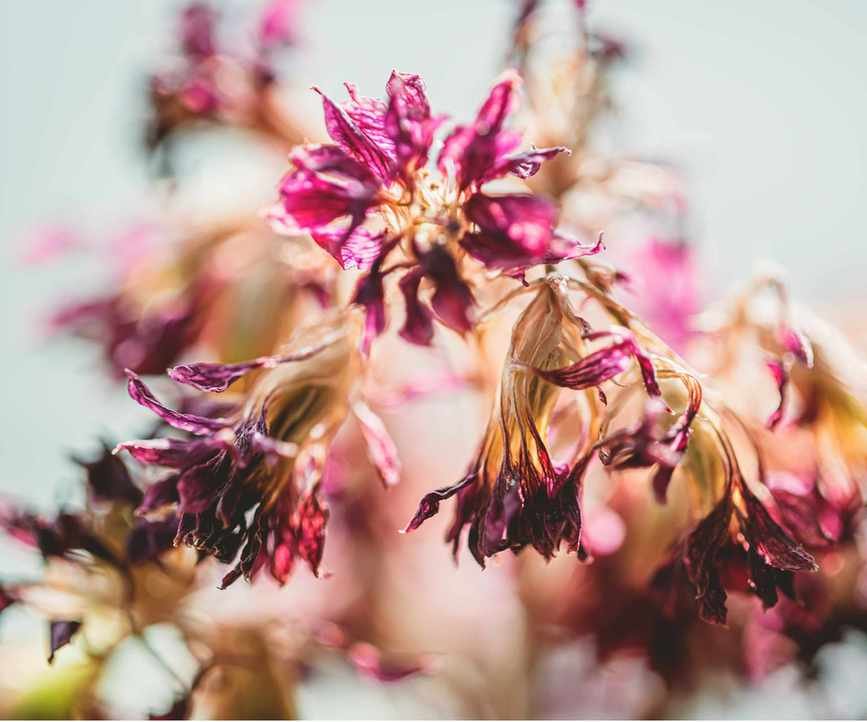
Just like us, plants can become dehydrated in high heat. For flowering species, this often results in wilting.
"Wilting occurs when a plant's moisture levels drop too low," explains a plant expert. "In high temperatures, moisture evaporates quickly, hindering the plant's ability to absorb enough water for its blooms."
Healthy flowering plants generally recover once temperatures cool. However, wilting is a clear sign that your plant needs attention. Consider watering your plants to help them bounce back.
If you notice your hydrangeas or other blooms wilting under the summer sun, ensure they stay adequately watered without overdoing it. A moisture meter from Amazon can help you monitor your soil's moisture levels.
2. Yellowing Leaves

Whether indoors or outside, all plants face the risk of yellowing leaves due to heat stress. Like wilting, discolored leaves signify insufficient moisture.
"When plants lack hydration, they struggle to absorb water through their roots, affecting their foliage health," the expert notes.
Healthy growth relies on nutrient-rich soil. Proper watering helps draw nutrients from the soil, keeping foliage vibrant. As heat accelerates drying, roots can't pull enough water, making effective summer watering essential.
Consider using a soil test kit from Amazon to assess nutrient levels in your soil, addressing any deficiencies that could cause yellowing leaves.
3. Scorched Foliage
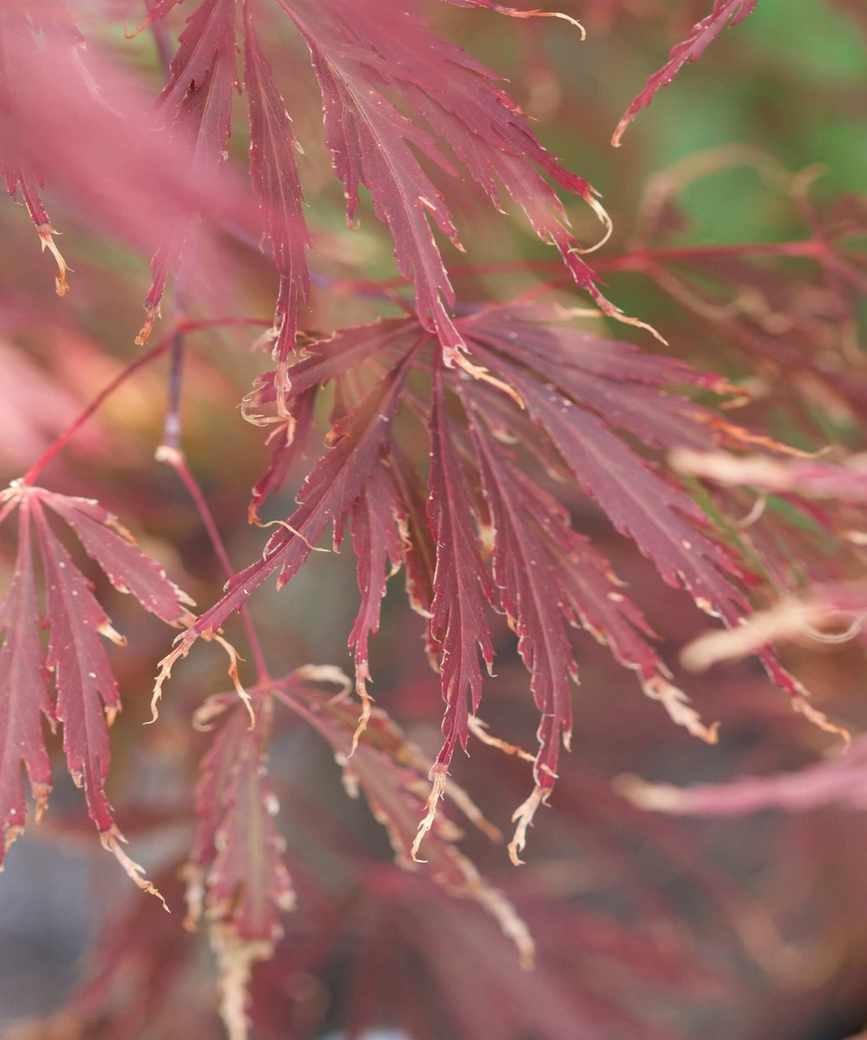
Intense sunlight, combined with extreme heat, can lead to scorched leaves. While houseplants may have some protection from windows, outdoor plants are particularly vulnerable.
"Scorched leaves typically show crispy edges, similar to burnt pizza. In severe cases, leaves can turn completely brown and die," explains a plant expert.
Heat stress not only causes leaf scorch from excessive sun but also from improper watering. Avoid wetting foliage in extreme heat to prevent further damage. Additionally, prolonged sun exposure can leave white spots on leaves, a sign of sunburn.
4. Dropping Blossoms and Fruits

If you have fruit trees, heat stress might lead to premature dropping of blossoms and fruit. This happens when plants shed their flowers and fruit too early.
"When under heat stress, plants prioritize survival over reproduction, resulting in early drop of blooms and fruits," a gardening expert shares.
During hot weather, plants may redirect their energy and water to stay alive, hindering fruit and flower production. This also applies to those growing in greenhouses; ensuring proper ventilation can help maintain optimal temperatures for fruiting.
5. Stagnant Growth
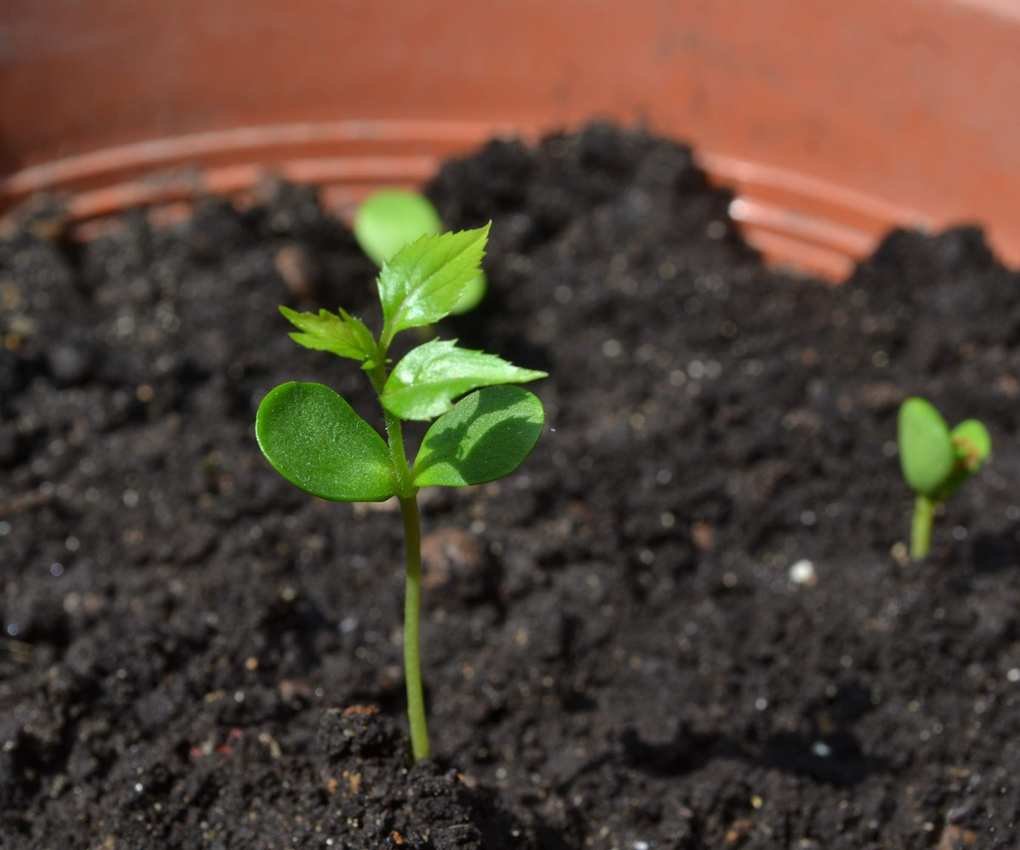
Excessive heat can stifle plant growth. If your plants halt growth during the active summer season, it signals they're struggling with the heat.
"Heat stress forces plants into survival mode, diverting resources away from new growth," notes another gardening expert. You may notice fewer new shoots and leaves than usual.
Other summer gardening missteps, like over-fertilization, may also contribute to stunted growth.
Reviving Heat-Damaged Plants
If your plants exhibit signs of heat stress, don't lose hope. There are several strategies to help them recover.
"To aid recovery, consider relocating your plants to a shaded area," advises an expert. For container plants, finding a shadier spot in your garden can alleviate heat stress. Additionally, using a patio umbrella from Amazon can provide shade.
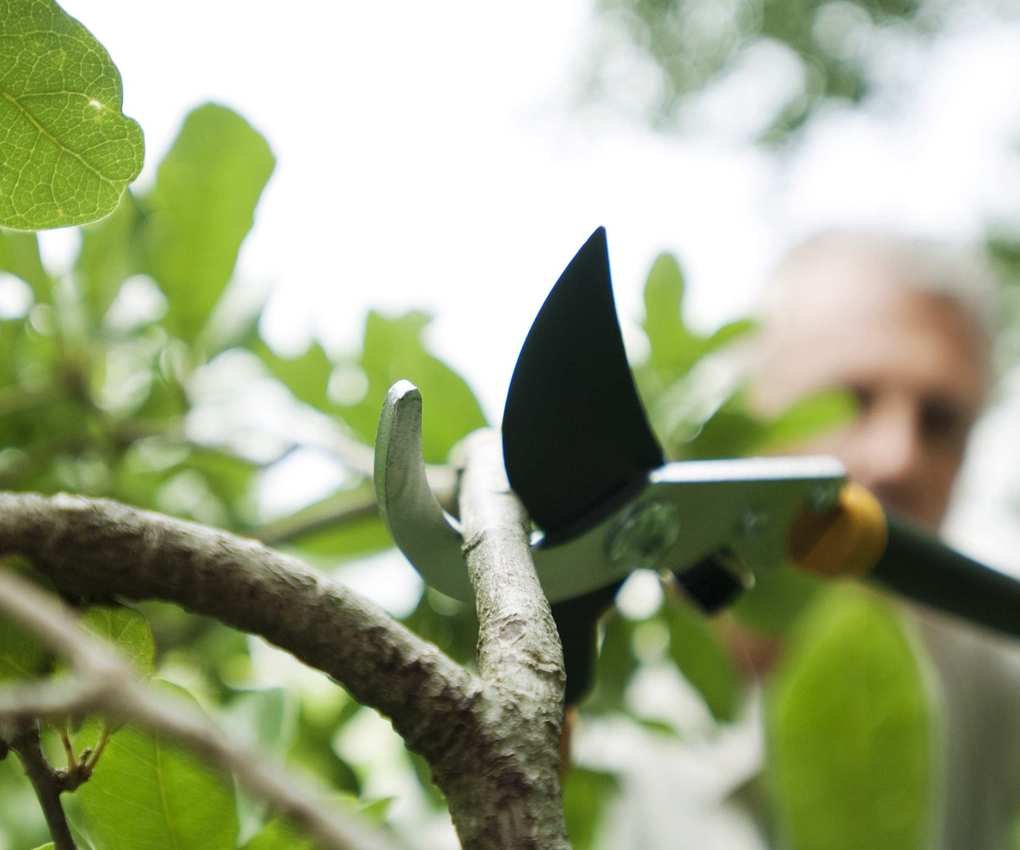
Deeply watering your plants is crucial to ensure roots receive enough hydration. Additionally, trim off any scorched or dead leaves and stems to lessen the plant's stress and promote new growth.
By removing damaged parts, the plant can reallocate energy to new growth. Use essential gardening tools like Fiskars pruning shears from Amazon for effective trimming.
What Temperature Is Too Hot for Plants?
The temperature tolerance of plants varies greatly. Mediterranean varieties thrive in warmer weather compared to those from cooler climates. Understanding your local hardiness zone is vital for selecting plants suited to your area. If you experience extreme temperatures, take proactive measures to protect your plants from heat stress.
Caring for your plants during the summer heat is essential. Recognizing the signs of heat stress allows you to provide the necessary support and maintain their health throughout the season.



