
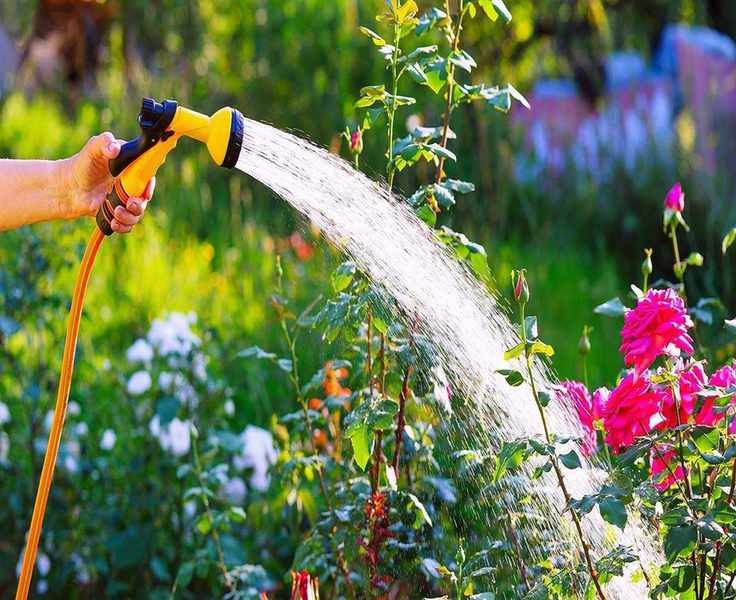
High temperatures and clear skies can stress backyard plants, leading to wilting or worse. Proper hydration is essential for helping them withstand the heat, but you might be unsure of the best approach.
Start by remembering some key guidelines for watering plants in hot conditions. The timing and methods you use can make a significant difference in outcomes, especially during hosepipe restrictions.
To gather insights, I consulted gardening specialists. Their guidance can help safeguard your plants during a heatwave, ensuring your outdoor area stays vibrant rather than droopy.

Water is vital when temperatures soar
3 Key Tips for Watering Plants in a Heatwave
Plants require hydration year-round, but extreme heat intensifies this need.
1. Water Generously and Regularly
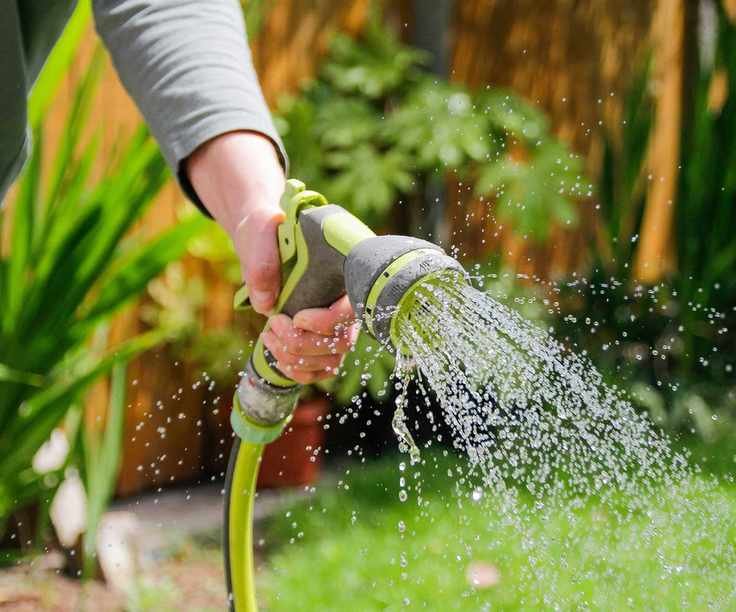
Frequent watering is essential during a heatwave
According to Anna Ohler of Bright Lane Gardens, daily watering is often necessary in a heatwave. Check the top one or two inches of soil—if they're dry, it's time to water.
'Make sure to water thoroughly so that the moisture penetrates down to the roots,' she advises. Summer Thompson from Love, Plants echoes this: 'Deep watering encourages roots to grow deeper and enhances plant resilience.'
If the soil is extremely dry, water container plants slowly to prevent runoff. 'Using ice cubes can help gradually moisten the top layer, allowing for better moisture retention next time,' Anna suggests.
Pro Tip: Laura Janney, founder of The Inspired Garden, recommends relocating planters to shaded areas when possible.

2. Focus on the Most Needy Plants

Vegetables often have high water requirements
While drought-resistant plants can manage dry spells, others need extra care.
Younger plants and seedlings require more attention due to their less developed root systems, as noted by Marek Bowers of Bolder Green. 'They need consistent moisture,' he explains. Newly planted trees and shrubs also require additional care to establish their roots.
Container plants tend to dry out faster than those in the ground, and don't overlook your vegetable garden: 'Many vegetables, particularly those bearing fruit, need regular watering,' he emphasizes.
Anna highlights that sensitive plants like ferns and hydrangeas also demand more moisture.

3. Embrace Sustainable Practices
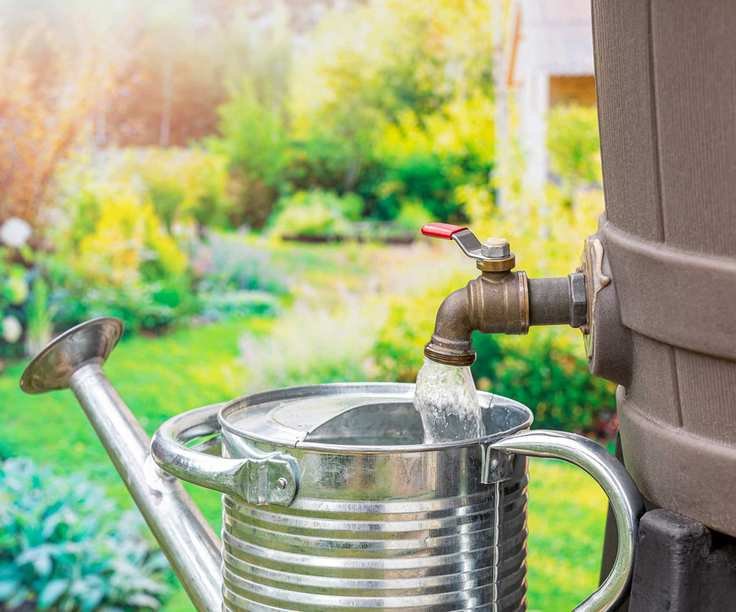
Rain barrels offer an eco-friendly watering solution
While watering during a heatwave is crucial, it should be done thoughtfully.
Collecting rainwater with a barrel is an excellent way to support sustainable gardening. Adding a mesh cover from Amazon can keep water clean and prevent mosquito breeding.
Consider mulching to help maintain soil moisture and limit evaporation, as Marek advises.
For targeted watering, Anna suggests using a handheld hose or watering can with a spray nozzle, focusing on the plants rather than the surrounding ground.
Marek recommends installing a drip irrigation system for efficient water delivery to the soil and roots. However, Laura cautions against relying solely on these systems. 'Keep an eye on your plants to ensure they're getting adequate water, as systems can sometimes overlook specific areas or overwater others. If a plant looks droopy, take the time to water it slowly and thoroughly,' she advises.
Best Times to Water Plants in a Heatwave
Laura Janney suggests that early mornings are the ideal time for watering plants during a heatwave. If that's not feasible, late afternoons or early evenings are the next best options.
Avoid late evening watering, as this can lead to mildew and mold due to insufficient drying. Also, refrain from watering during peak heat hours, as too much water evaporates before reaching the roots.
Caring for Houseplants in High Temperatures
Indoor plants can also struggle during heatwaves. Move them to cooler areas away from direct sunlight, and increase humidity around them. Use curtains or shades to shield them from harsh rays and ensure proper ventilation with fans if necessary.
For watering, Laura Janney recommends soil moisture meters to check hydration levels. You can find moisture meters from The Sill, which also gauge pH and light levels.
If you're planning to be away, keep one room air-conditioned and relocate your plants there for cooling and protection. You might also consider adding watering globes to their pots.
Want more tips to keep your garden thriving this summer? Explore our guides on mowing grass in hot weather and common gardening mistakes during heatwaves.



