
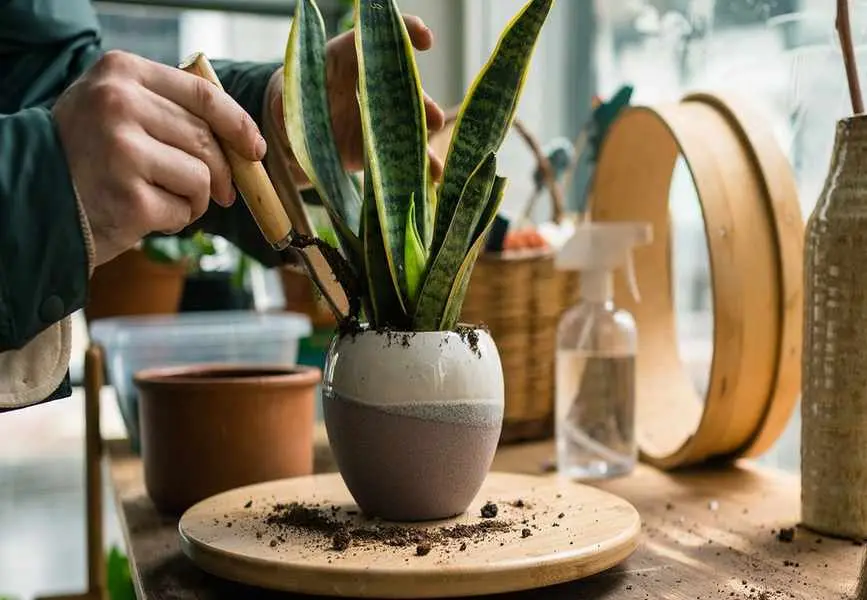
Known for their low maintenance, snake plants, or sansevierias, thrive with minimal care. Understanding when and how to repot them can enhance their growth and longevity.
These hardy plants make excellent indoor choices due to their adaptability to low light. Regular repotting is crucial to ensure your snake plant remains healthy and vibrant.
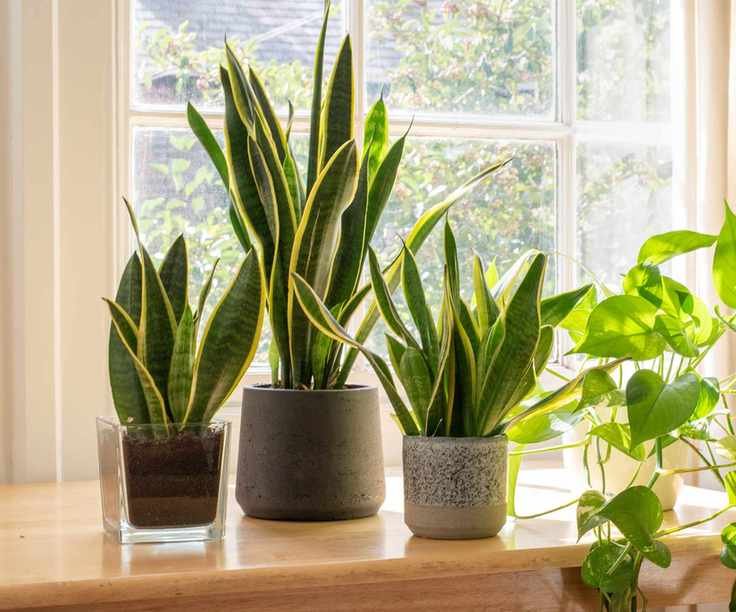
Recognizing the signs that your snake plant needs repotting
It's generally straightforward to determine when to repot your indoor plant. If you notice these signs, it's time to give your snake plant a new home. According to horticulturist Brody Hall, here are the key indicators:
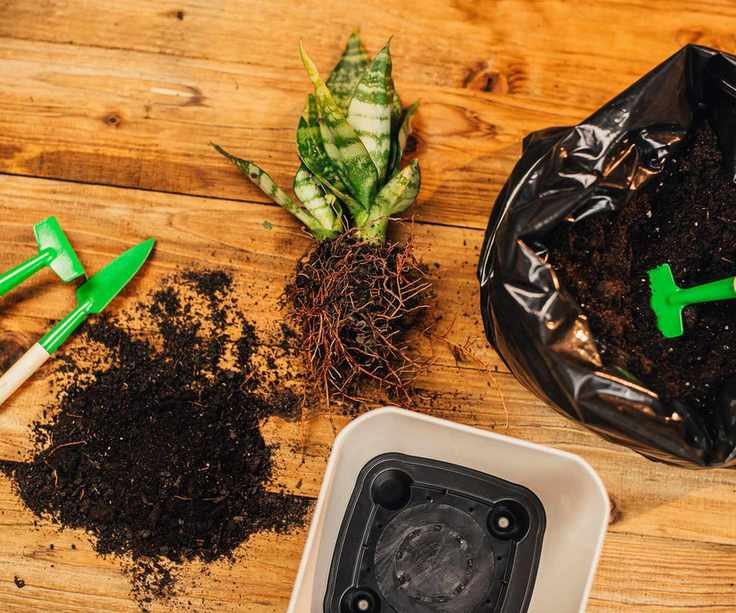
Repotting is essential once your snake plant outgrows its pot for continued healthy growth.
- Roots emerging from drainage holes: This typically indicates that your plant is rootbound and requires repotting immediately.
- Soil drains too quickly: If water collects in the tray beneath the pot, your snake plant might be struggling to absorb moisture, signaling it's time for a larger pot.
- Stagnant or slow growth: A well-cared-for snake plant can grow over 10 inches annually. If growth has slowed significantly, it may need more space.
- Cracked or distorted pot: Severe rootbound conditions can lead to pot damage as the roots push against the sides.
- Flowering: Flowering indicates stress, suggesting your plant might be outgrowing its current container.
Steps to successfully repot your snake plant
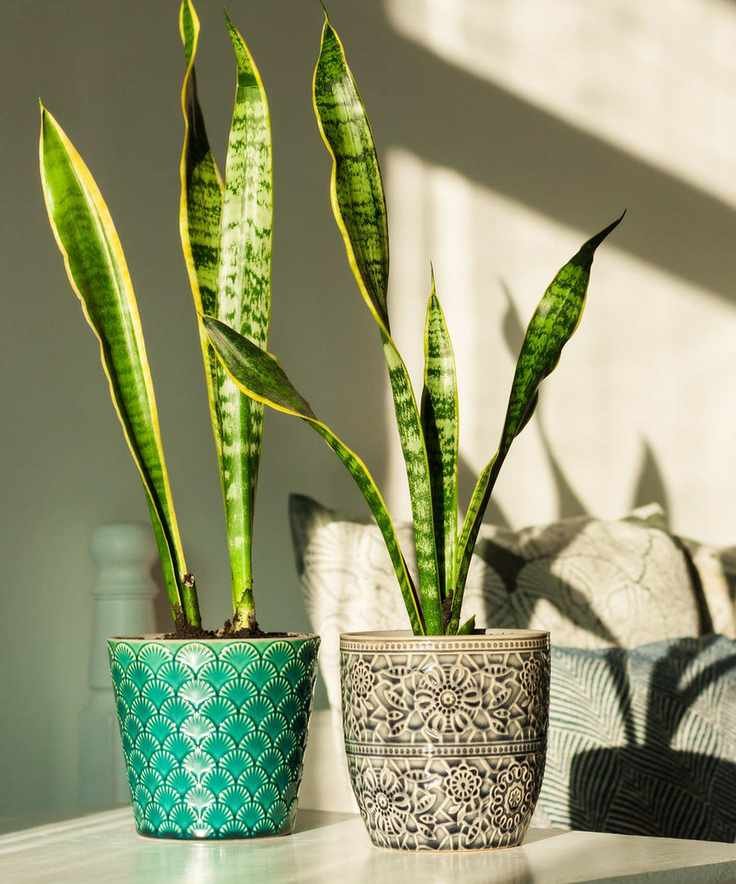
Repotting your snake plant every 3-5 years is vital for its health. Follow these expert steps provided by Aaditya Bhatta, a seasoned horticulturist:
- Select a new pot: Choose a pot that's about 2 inches larger in diameter than the current one. Sterilize all tools and pots to prevent infections.
- Water before repotting: Hydrate your plant an hour before starting to minimize wilting and shock during the process.
- Gently remove the plant: Lay the pot on its side to carefully release the snake plant without damaging its leaves or roots.
- Trim the roots if necessary: Healthy roots are white or off-white and firm. Remove any unhealthy sections and untangle any root webbing to encourage new growth.
- Divide the plant: Separate any pups for a tidier look and to propagate more snake plants for your space or to share with friends.
- Prepare the pot: To prevent soil leakage, place a coffee filter or coir liner at the base. Avoid using gravel, as it can hinder drainage.
- Plant at the same depth: Ensure your snake plant is positioned at the same depth as before, leaving about an inch of space from the top of the pot. Water and place it in bright, indirect light.
Common questions
What pot type is best for a snake plant?
According to professional gardener Miguel Palma, terracotta pots are ideal for snake plants as they facilitate faster drainage compared to plastic options. A pot that's too large can hinder growth, so choose wisely during repotting.
What soil mix should I use for a snake plant?
Snake plants thrive in light, well-draining soil. Aaditya Bhatta suggests a mix of two parts perlite or pumice, one part pine bark, and one part peat moss or coconut coir. This combination supports drainage while providing essential nutrients. You can also opt for commercial cactus potting mixes with enhanced drainage properties.
Maintaining a nutrient-rich soil mix will promote healthy growth. Fertilize monthly with a liquid fertilizer or slow-release pellets to nourish your snake plant.
Snake plants offer a rewarding, low-maintenance addition to your indoor garden. For more easy-care plants that bring height and a tropical feel to your home, consider exploring kentia palms.



