

After a lengthy winter, those warm rays can be inviting. But hold off on gardening! Experts caution that this warm spell is a false spring, and colder temperatures are on the horizon.
False spring occurs in late winter or early spring when unseasonably warm weather prompts plants to bloom and grow prematurely. Unfortunately, this warmth tends to be fleeting, often giving way to frost, which can harm your garden.
While it may seem like a productive time to prune or fertilize, these actions can expose your plants to frost damage, potentially ruining your spring garden before the actual growing season starts. Here are five mistakes to avoid during this tricky time to keep your plants healthy.
Understanding False Spring

Many plants respond to the sudden warmth with rapid growth.
False spring marks a time when temperatures rise unexpectedly, prompting some plants to grow and bloom early. However, this warm period is often short-lived, making it critical to proceed with caution.
'False spring can feel like a signal to start planting. Days are warmer, soil softens, and winter seems to be over,' explains Siobhan Shaw, a sustainable gardening expert.
'But a sudden drop in temperature can have devastating effects, and the damage can't be easily repaired,' she warns.
To protect your garden, avoid these five common pitfalls during false spring.
Five Common Mistakes to Avoid During False Spring
Stay informed by checking the weather forecast for your US hardiness zone, tracking frost dates, and determining when the last frost typically occurs.
This knowledge will help you know when it's safe to trim, plant, and fertilize without risking your garden.
1. Protect Delicate Fruit Blossoms
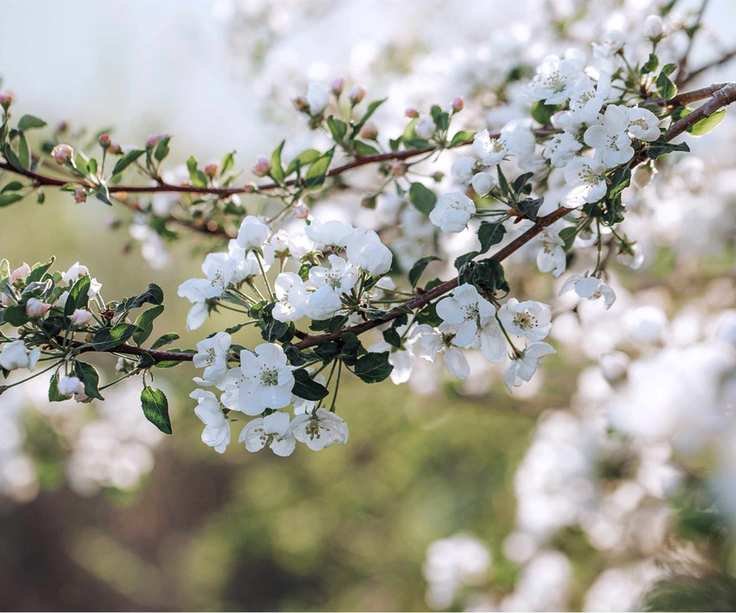
Frost can cause blossoms to turn black or brown and drop off.
Some fruit trees may bloom during this warm spell, but don't let that warm weather fool you—these fragile buds need protection to ensure fruit later in the year.
Siobhan notes, 'I've witnessed entire crops of peaches and apricots lost after trees bloomed in January, only to be killed by returning frost.'
To shield the best trees for spring blossoms, consider using a frost cloth (like this one from Amazon). Just be sure to remove it during the day for pollination before replacing it at night.
Only take off the frost cloth once the threat of frost has fully passed.
2. Avoid Directly Sowing Seeds
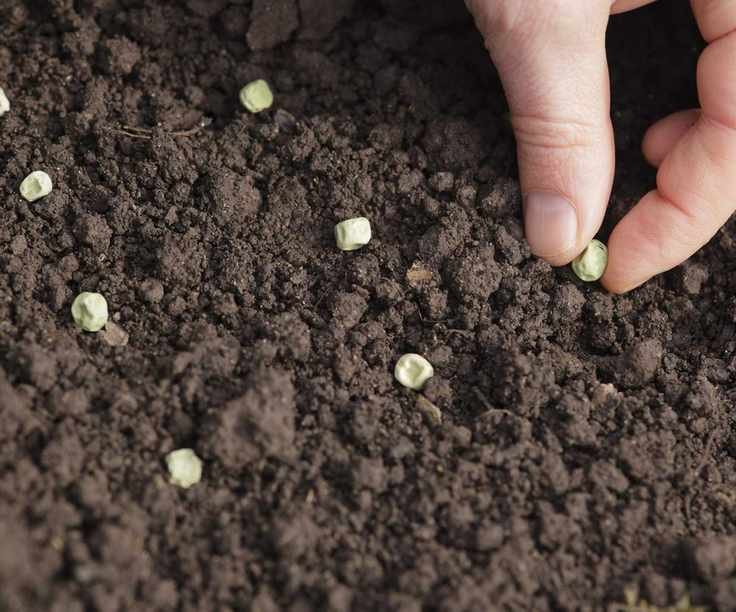
Temperatures during false spring aren't stable enough for seed germination.
With warmer soil and longer daylight, it might seem like the perfect time to sow seeds outdoors. However, false spring's brief warmth may not adequately support seed germination, leading to poor yields.
'I was thrilled when the warm weather hit and decided to plant peas, only to find nothing sprouted weeks later,' Siobhan recalls.
In cold, heavy soil, seeds can rot before they ever germinate. It's crucial to monitor frost dates and wait to sow warm-season crops later or start seeds indoors in a controlled environment.
Consider these seed trays with humidity domes from Amazon for your March vegetable planting.
3. Refrain from Planting Seedlings Too Soon

Returning frosts can severely damage seedlings.
Similar to sowing seeds, the conditions during false spring don't support a smooth transition for seedlings and starter plants.
'Don't rush to plant outdoors when false spring hits,' advises gardening expert Annette Hird.
'Tender plants are likely to suffer, and even if they survive, they won't thrive as expected when the real warmth comes,' she adds.
Seedlings, starter plants, and those that overwinter should stay sheltered until all frost risks are gone.
If space is a concern, consider a portable greenhouse (like this from Amazon) or a cold frame.
4. Postpone Pruning
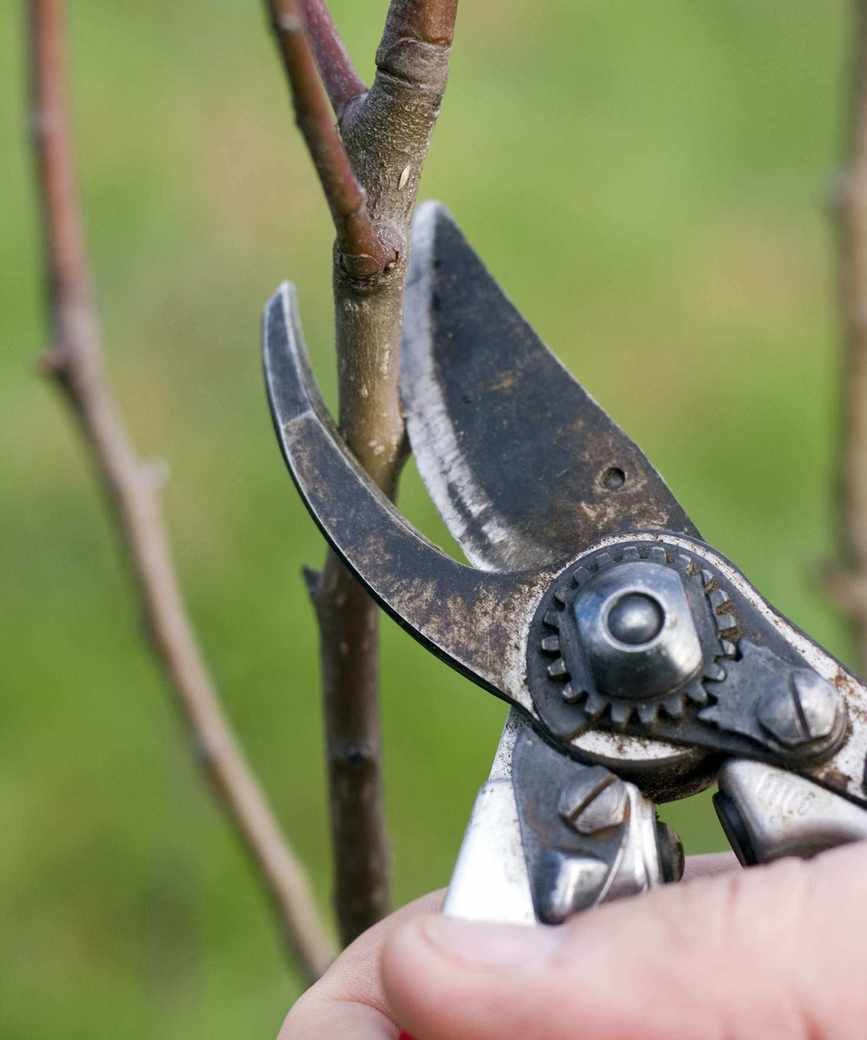
Pruning too early can lead to growth that may not survive.
If you're eager to tidy up your garden after winter, hold off on pruning during false spring.
'Pruning now can injure the plant, and if temperatures drop, the plant won't heal,' warns Lindsay Chastain, gardening expert.
When a plant can't recover from pruning before frost returns, it can weaken significantly. This is especially true if pruning encourages new growth that frost will destroy.
Instead, focus on light maintenance, removing only damaged parts without encouraging new growth. For more tips, check our list of plants to prune in March.
If you must prune, ensure your shears are sharp and clean (like these Fiskars bypass pruning shears available on Amazon).
5. Skip Fertilizing for Now

Ensure plants are in true active growth before fertilizing.
While some plants appreciate early feeding, doing so prematurely can lead to setbacks once the frost returns.
'Early fertilization promotes new growth that won't withstand a freeze. Wait until after the last predicted frost,' Annette advises.
Fertilizing before plants are actively growing can also result in fertilizer burn, leading to fading and dieback.
Slow-release fertilizers are often safer, providing a gradual nutrient source. For example, you might fertilize your rose with this slow-release rose feed from Amazon in spring.
What is False Spring?
False spring, or fool's spring, refers to that initial warm period in late winter or early spring, often followed by a return to cold weather, including frosts or snow.
Be aware that false spring isn't the only season to watch for; there's also a false fall. Stay informed with our guides to navigate these seasonal challenges.
Gardening Essentials
Canvas Garden Apron
This stylish canvas garden apron features multiple pockets for your tools and has a comfortable neck and waist tie.
Floral Gardening Gloves
These long-sleeved gloves, adorned with a lovely floral print, protect your hands and arms while gardening.
Metal Watering Can
This stunning floral watering can, featuring a wooden handle, is made from durable, rust-resistant metal.



