
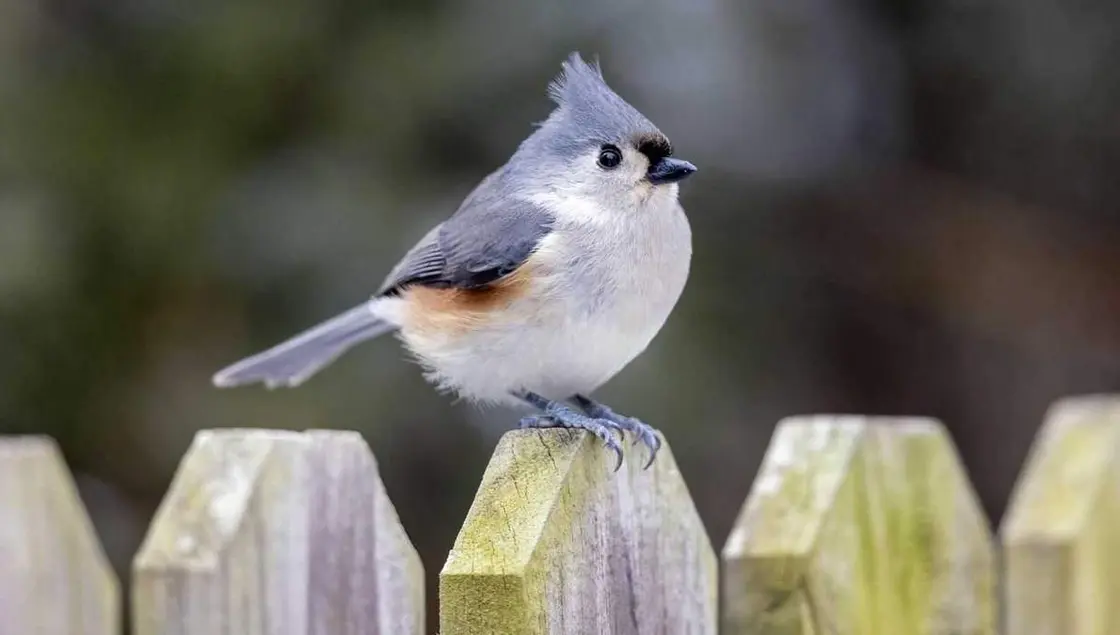
Observing the lively antics of tufted titmice is delightful, whether they're hanging upside down or flitting about in search of food. These charming birds have been gradually expanding their range northward, with more sightings in places like Toronto compared to Tampa.
While Florida may see fewer of these birds, residents in the eastern U.S. and southwestern regions during winter can expect to spot them foraging for food or gathering nesting materials in their yards.
To increase your chances of spotting these playful birds, consider implementing some simple wildlife garden strategies. We consulted birding experts to gather their best tips for attracting tufted titmice to your property.
1. Plant Tall Native Trees for Shelter
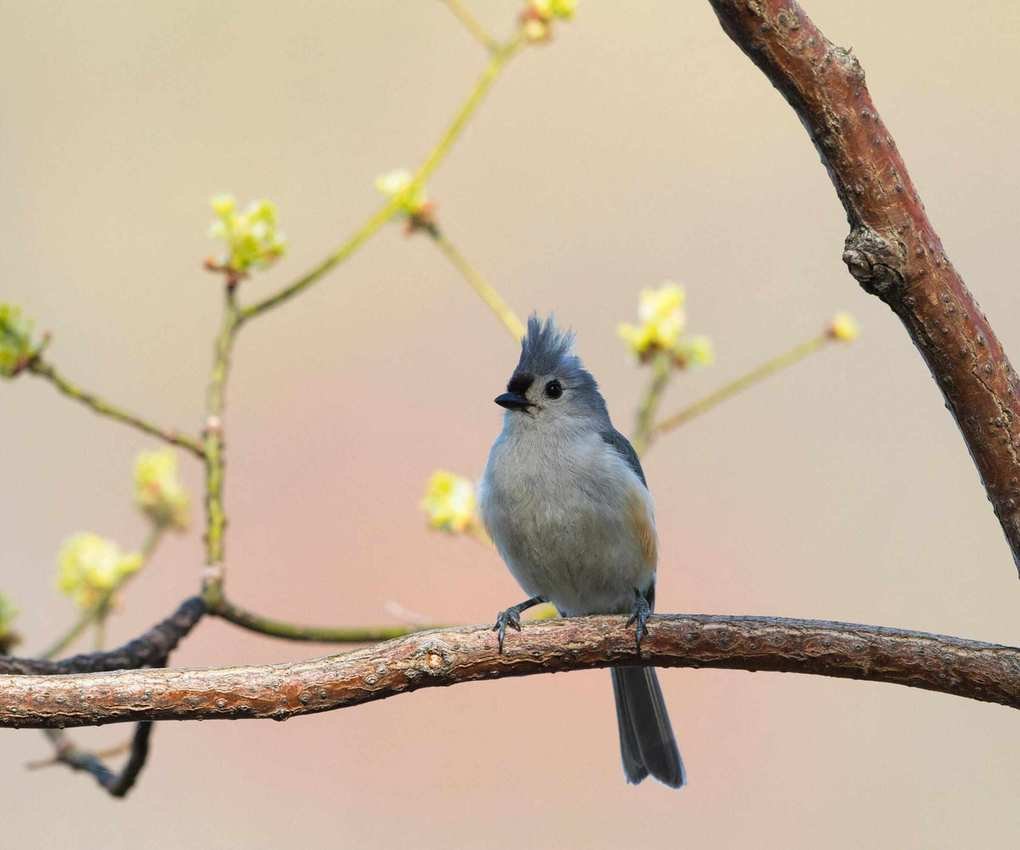
Small birds, including tufted titmice, prefer tall, dense deciduous trees for perching and nesting. These environments provide ample insects and safe resting spots.
"Titmice thrive in wooded areas with plenty of trees and understory shrubs," explains a horticulture expert. "Planting oak trees is particularly beneficial, as they host numerous caterpillar species that are essential for feeding both titmice and their young."
"Oaks offer acorns and attract many invertebrates like spiders and beetles, which are key components of their diet," adds another expert. "Birches also attract titmice, as they host caterpillars and often have cavities suitable for nesting. Other good options include hickories and sweetgum trees."
Tufted titmice are secondary cavity nesters, meaning they rely on existing holes made by woodpeckers to nest. Trees like American elms, maples, and beeches are also favored for nesting.
If you're considering planting, now is the perfect time. Opt for saplings like this native white oak tree from Nature Hill's. It thrives in zones 3-9 and can grow 50-80 feet tall.
2. Supply Natural Nesting Materials
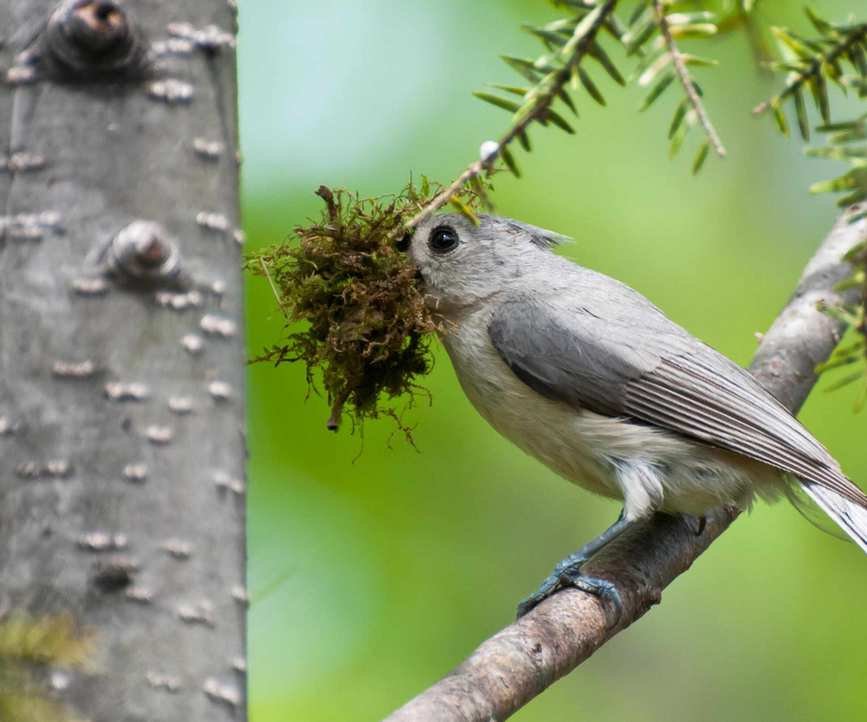
In addition to providing food, native trees and garden debris can offer valuable nesting materials for tufted titmice. A naturally rich yard will encourage these birds to nest and raise their young.
"Titmice build their nests using dry grass, leaves, and moss, lining them with soft materials like fur," one expert notes. "During the breeding season, typically from April to mid-July, ensure your yard has the resources they need for nesting."
While it can be endearing to see titmice grab fur from pets, be cautious if pets have been treated with insecticides, as these can be toxic to birds. A study found contaminated fur in 100% of nests surveyed, leading to chick mortality.
Experts recommend brushing pets indoors and disposing of loose fur to avoid attracting birds. Alternatively, you can leave moss and natural debris for titmice to use in their nests.
This sugar maple from Nature Hill's boasts stunning fall foliage and supports butterflies, thriving in zones 3-8 while providing food and nesting materials for birds.
3. Install a Nest Box
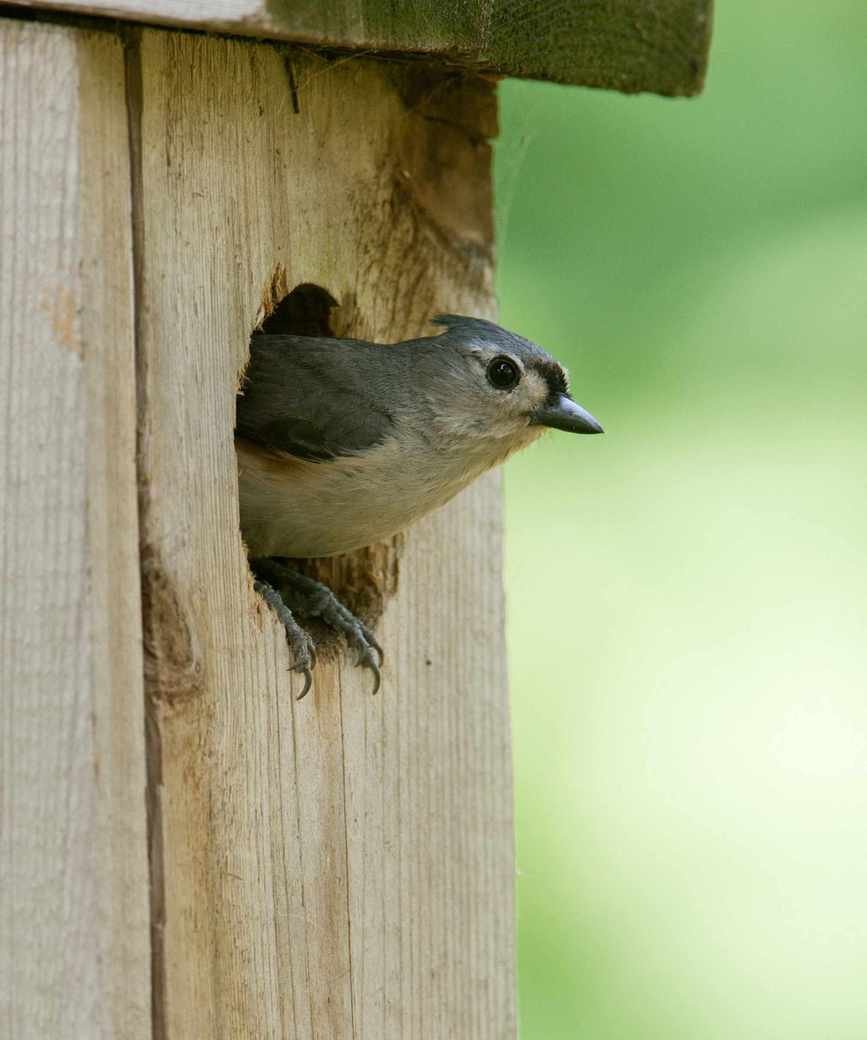
As cavity nesters, tufted titmice cannot create their own nesting holes. If suitable spaces are lacking, they will use bird boxes instead.
To encourage nesting in your yard, set up birdhouses before the breeding season (April to July) since these birds like to explore potential nesting sites.
"Place the box 5-15 feet off the ground in a mature tree, facing away from prevailing winds," advises an expert. "Ensure the entrance hole is 1 ¼ inches wide to deter predators. For DIY enthusiasts, NestWatch provides plans with specific dimensions for building your own nest box."
This cottage-style bird box from Lowe's features the appropriate 1.25" entrance size to keep your feathered friends safe.
4. Hang Feeders
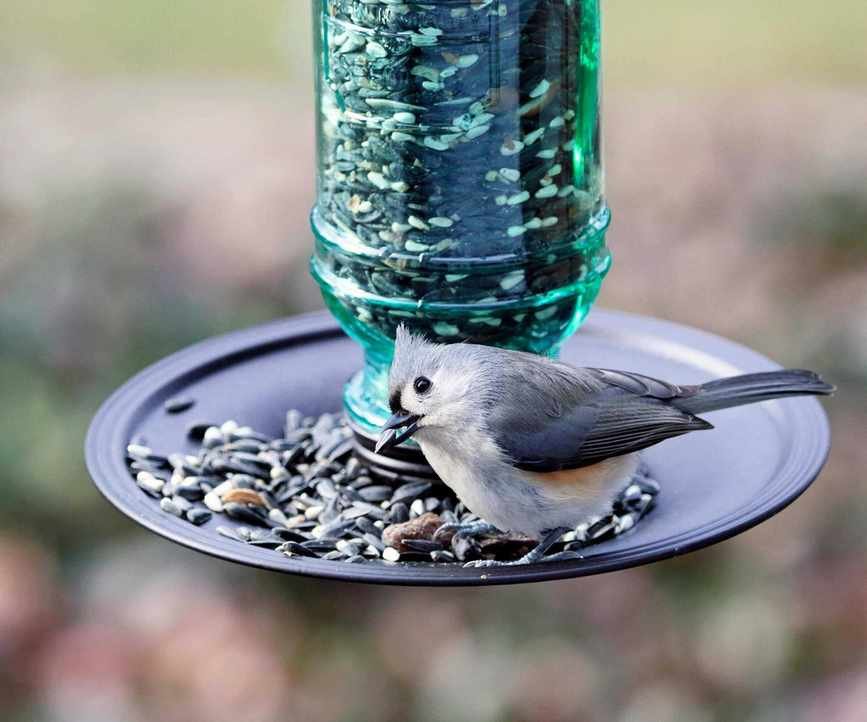
Alongside their natural diet of bugs and invertebrates, tufted titmice enjoy seeds, nuts, and suet, making them perfect candidates for bird feeders. In winter, they will stash seeds for later use.
"In colder months, titmice, along with many other birds, depend on high-fat foods," one expert explains. "Black oil sunflower seeds, peanuts, and suet are excellent choices for feeders."
"Titmice visit various feeder types, from small tube feeders to platform feeders," continues another expert. "Cleaning feeders regularly is crucial to prevent disease."
This tube feeder from Ace Hardware features a metal cage to keep larger birds and predators at bay while allowing smaller songbirds like titmice access. Fill it with black oil sunflower seeds from Ace Hardware, a favorite among many birds.
5. Cultivate Your Own Bird Food
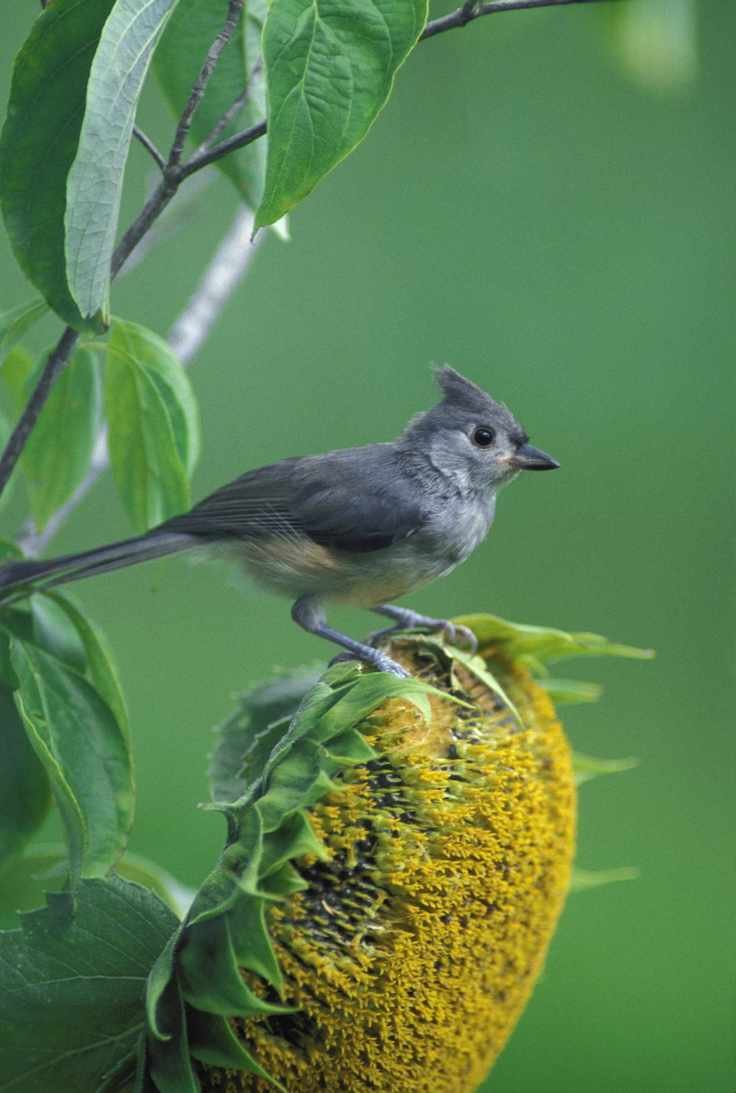
While bird feeders are great for supplementing food sources, nothing beats a natural diet for tufted titmice. Growing native flowers that produce seeds or attract insects can help draw these delightful birds into your garden.
If sunflowers aren't suitable for your area, consider other plants that yield seeds, berries, or attract insects.
"Planting seed-producing perennials can effectively attract tufted titmice," suggests an expert. "New England asters and coneflowers are excellent choices."
Additionally, plants like milkweed support Monarch butterflies, which provide caterpillars that titmice feed their young.
"Insects form a large part of a titmouse's diet," one expert notes. "During summer, caterpillars are vital, but they also consume wasps, beetles, and seeds, especially in winter."
If this showy milkweed from Burpee is native to your region, it will attract Monarchs, providing food for titmice and butterflies.
Birds and butterflies will also be drawn to this purple dome aster from Burpee.
6. Install a Shallow Bird Bath
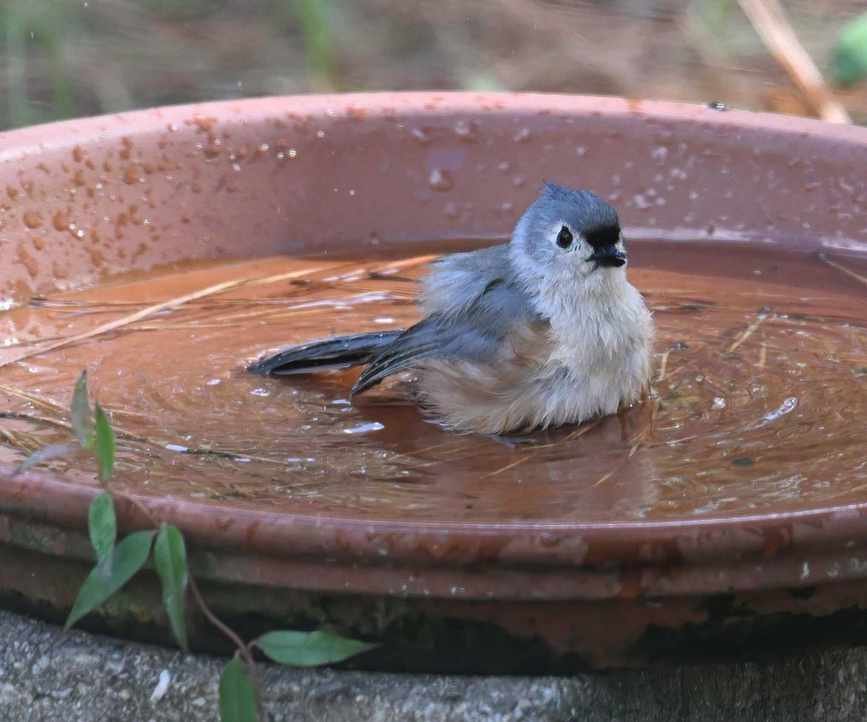
Bird baths are essential for attracting birds. Water is crucial for all wildlife, and it can be hard to find in urban areas. Installing one or two bird baths can be a lifesaver for tufted titmice.
"Shallow bird baths are popular with titmice," an expert says. "In cold climates, heated baths that prevent freezing are ideal. Avoid adding antifreeze, as it's toxic to birds."
"When placing feeders and baths, ensure nearby shrubs or trees provide cover from predators for the birds," they add.
This ceramic bird bath from Lowe's features a weather-resistant mineral glaze and a shallow bowl perfect for tufted titmice and other small birds.
If you're still dealing with snow, check out this bird bath warmer from Ace Hardware to keep the water thawed.
7. Maintain a Pesticide-Free Environment
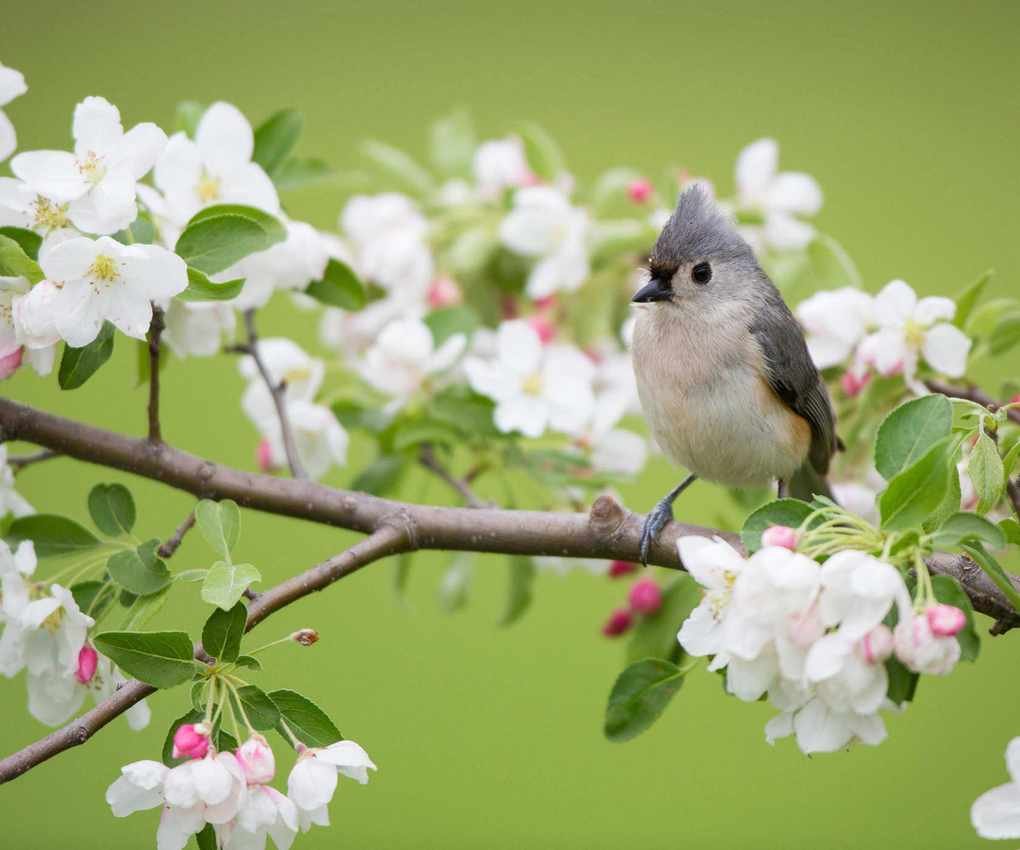
Planting titmice's preferred flowers, providing mature trees, hanging feeders, and adding bird baths will help bring these agile birds to your yard. However, using pesticides can easily negate these efforts and harm wildlife.
"Pesticides eliminate not just unwanted insects but also beneficial ones, reducing food availability for songbirds," warns an expert in bird-friendly gardening. "Spraying gardens for mosquitoes can inadvertently harm other insects, including caterpillars that become butterflies."
"Pesticides don't discriminate and can kill all types of larvae and insects," they add.
Encouraging titmice and other insectivorous birds can help manage pests like slugs. Consider companion planting and other natural pest control strategies.
Conclusion
With their big eyes and playful behavior, tufted titmice are a delightful addition to any garden. The wildlife-friendly changes you make will not only attract them but also support other songbirds, butterflies, and beneficial insects, creating a vibrant ecosystem.



