

In the heart of winter, furnace breakdowns can disrupt warmth and comfort. With severe weather affecting many regions, heating systems face increased strain, leading to outages from wear, maintenance issues, or power loss.
Whatever the reason, ensuring your home stays warm is crucial while waiting for a technician.
These tips emphasize quick heating solutions and easy heat-retention methods to help maintain warmth during cold spells. Experts suggest these seven strategies for keeping your house cozy when your furnace is out of commission.
Keeping Your Home Warm When the Furnace Fails
Rinkesh Kukreja, founder of Conserve Energy Future, states, "While a furnace failure is inconvenient, alternative heating sources can help alleviate the chill until a repair or replacement is made, along with behavioral changes to conserve heat."">
Having dealt with my own boiler issue, I know it's possible to stay warm without cranking up the heat.
1. Explore Alternative Heating Options
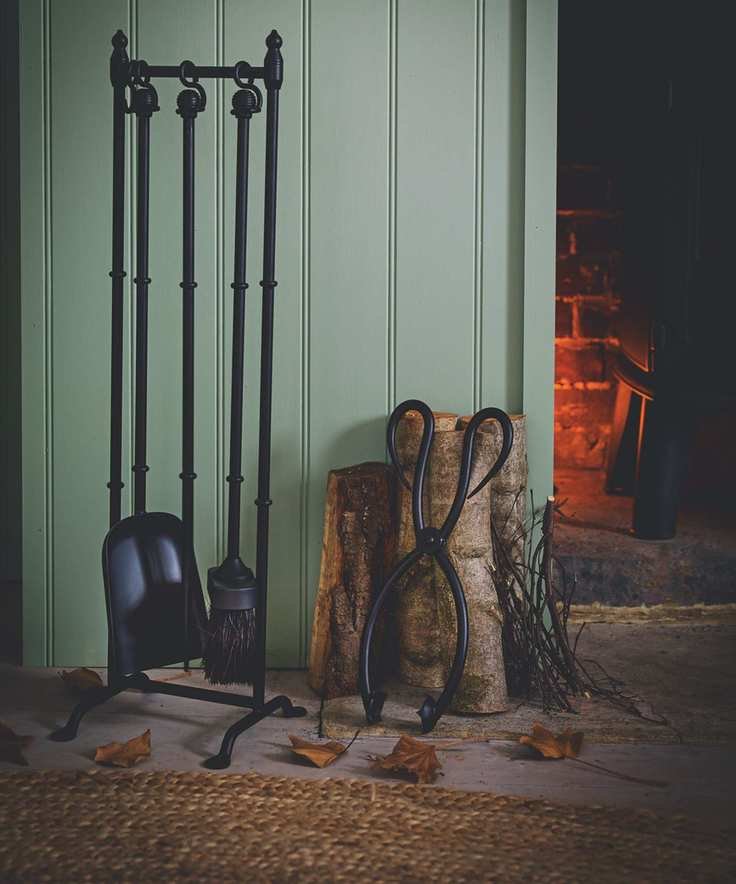
If you have a fireplace, light it now. Keep the door closed to maintain heat in a smaller area that's easier to warm.
With harsh snow and freezing temperatures across much of the US, localized heating allows comfort in frequently used spaces.
Focus on warming well-insulated, smaller areas and keep doors shut to retain heat where needed. This is particularly useful during extended cold periods. You might also consider using draft stoppers under doors to keep the cold out and warmth in.
Using a generator can provide temporary power for electric heaters during outages, helping to prepare for extreme weather.
Shlomo Cherniak from Cherniak Handyman Services cautions, "Portable generators are not meant to replace your home's wiring. They should only power individual appliances."">
If electricity is available, consider using affordable and stylish space heaters, like the Dreo 1500W model on Amazon, which can provide targeted warmth in specific areas. Fireplaces can also serve as dependable heat sources during winter storms.
Prioritize safety when using alternative heating. Keep heaters away from flammable items, avoid leaving them unattended, ensure proper ventilation, and check that all devices are functioning correctly. If using an extension cord, ensure it can handle the heater's power requirements to avoid fire risks.
Keith Wortsmith from DASH Heating & Cooling reminds us that these heaters can consume significant energy when used solely.
2. Use Decor for Insulation

Layering window treatments helps trap warm air and block cold air from entering the room.
Simple changes inside your home can enhance warmth retention during frigid nights.
Traci Fournier, VP of One Hour Heating & Air, suggests using furnishings to insulate your space. Consider placing area rugs on wood floors to reduce drafts and heavier drapes to keep warmth in.
Consider hanging fabric or decorative rugs on walls and positioning bookshelves against them for added insulation.
Rearranging furniture to sit near interior walls rather than exterior ones can also enhance warmth and create a cozier atmosphere.
3. Harness Daylight for Warmth
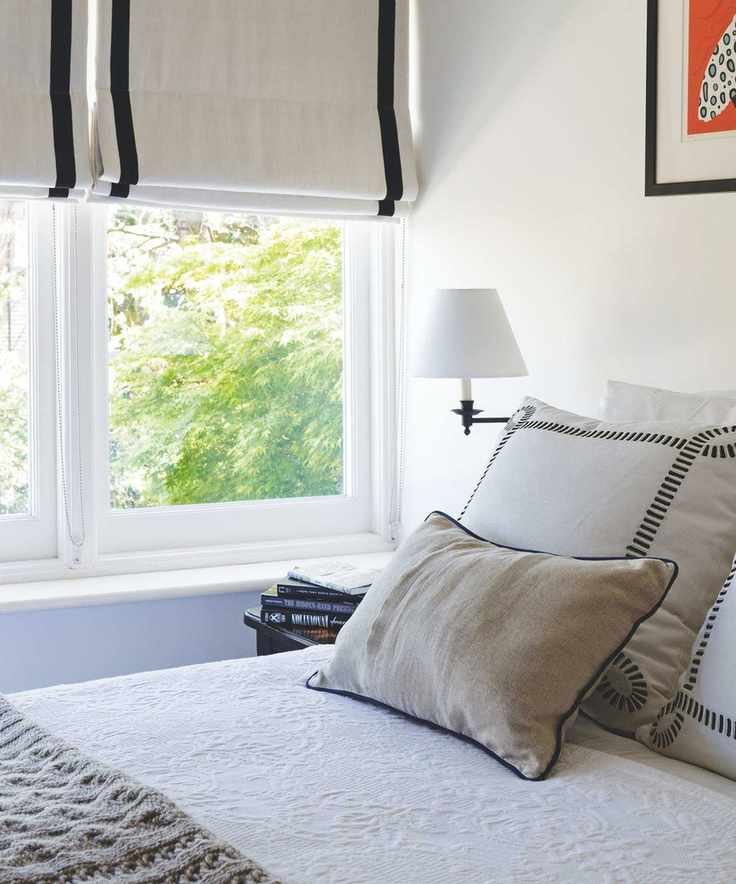
Keep curtains and shutters open to allow sunlight to warm the space naturally.
On snowy days and bright, cold mornings, leverage natural sunlight for warmth.
Increase warmth by maximizing natural light. Open curtains during the day to let sunlight in and incorporate reflective surfaces into your decor.
Rearranging small furniture pieces, like armchairs, to soak in sunlight can help keep you warm. Just remember to close curtains in the evening to trap heat inside as temperatures drop.
4. Safely Utilize Appliance Heat
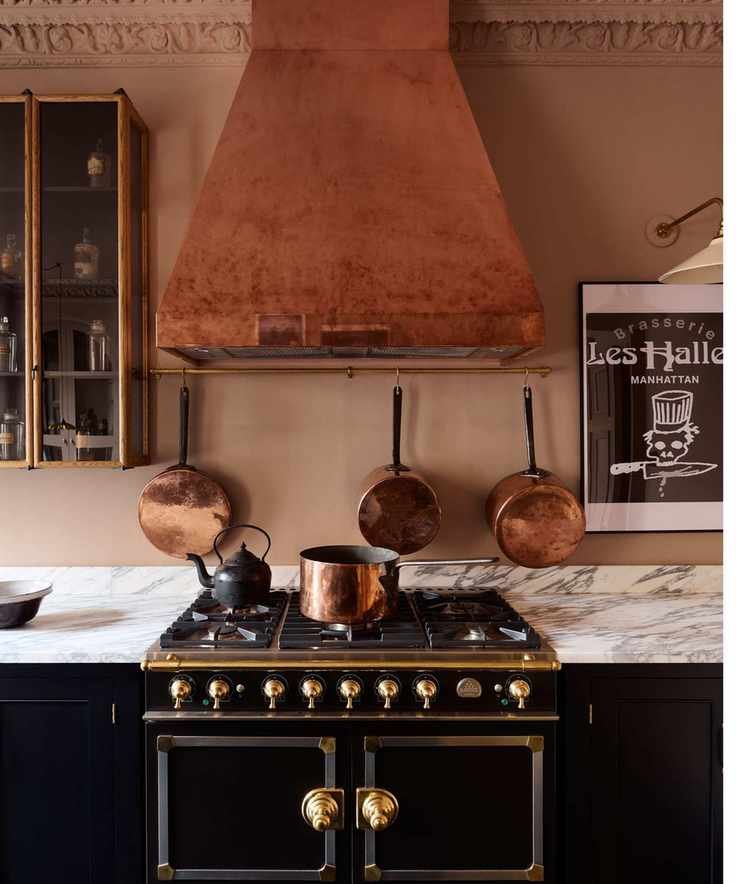
Never leave your oven door open while it's running. Use its heat by leaving the door ajar after turning it off.
Everyday household activities can generate warmth during furnace failures.
Keith Wortsmith emphasizes, "Cooking can produce significant warmth. Using your oven and stove to prepare meals can elevate the temperature in your kitchen and nearby areas."">
Baking seasonal treats and hearty meals, like winter pies, can warm both your home and spirits during prolonged cold spells. Always prioritize safety: never leave cooking appliances unattended, and keep flammable items away. Only open the oven door after turning it off to enjoy the residual heat, as leaving it open while on poses carbon monoxide and fire risks.
Your clothes dryer can also contribute warmth. Tackle laundry while waiting for heating repairs. It generates heat that can help raise your home's temperature.
Ensure the dryer vent is clear and free of lint to avoid fire hazards, especially when used frequently in winter. If you have a heated drying rack or towel warmer from Amazon, it can add comfort while your furnace is out.
5. Seal Drafts and Insulate
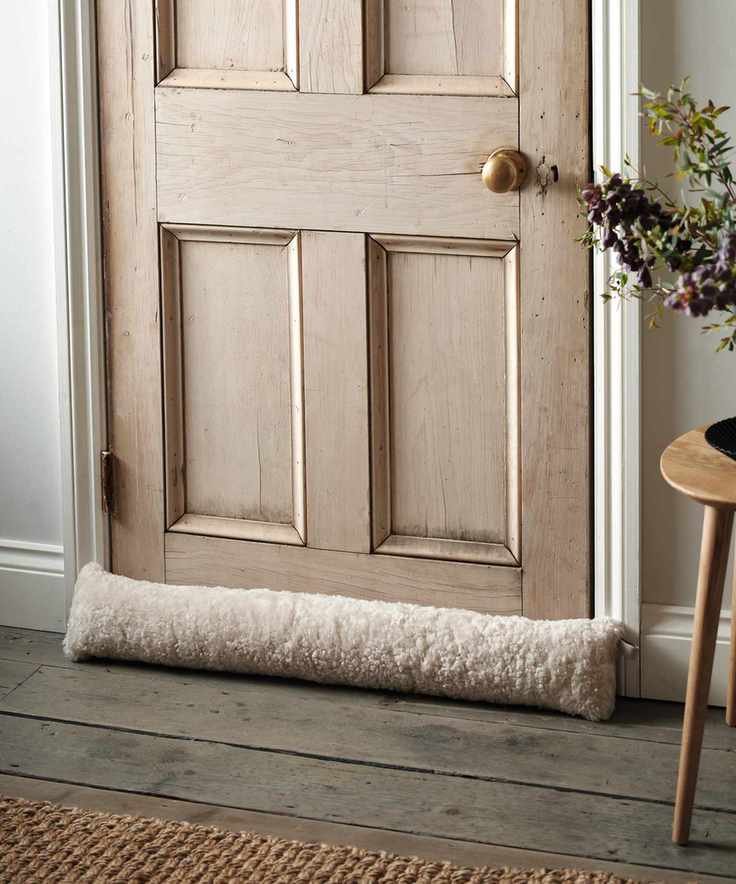
Blocking drafts is essential to keep your home warm while the furnace is down.
Insulating your home is crucial for heat retention. Consider weatherproofing windows and insulating attics and walls if needed.
Additionally, DIY draft-proofing is quick and effective for preventing heat loss and blocking cold air.
Shlomo Cherniak advises, "Apply weatherstripping, draft stoppers, or plastic window insulation kits to seal gaps around windows and doors. These measures can stop cold air from entering and warm air from escaping, enhancing heating efficiency."">
I installed adhesive foam roller draft stoppers at my entryway and living room doors to combat the cold effectively.
If purchasing a draft stopper isn't feasible, you can create your own using household items. Keith Wortsmith suggests using rolled towels under doors or on window sills to block drafts. Padded winter jackets and down duvets can also help.
Using heavy-duty aluminum foil on windows, reflective side out, can also help retain heat. You might also consider the Frost King window insulation kit to minimize heat loss by up to 35% while still allowing light into the room.
6. Close Off Unused Rooms

Gather in one room to focus your heating efforts.
During extreme winter weather, efficiently keeping your home warm is vital when a furnace is out of service.
Shlomo Cherniak recommends, "Close doors to unused rooms to keep heat from escaping and focus warmth in occupied areas."">
This is especially crucial for rooms with unused chimneys, as they can draw warm air out and lower temperatures in adjacent spaces.
Encourage everyone to stay in one or two well-insulated rooms, closing doors to concentrate warmth where it's most needed. You can also use draft stoppers at door bottoms to minimize heat loss.
Layering clothing and wearing natural insulators like wool will also help. A long, fleece-lined hoody blanket from Amazon was my saving grace for comfort this month.
7. Reverse Your Ceiling Fan

Reverse your ceiling fan for winter use.
"If your ceiling fan has a reverse switch, use it," advises Keith Wortsmith. "Reversing the blades to a clockwise direction pushes warm air trapped at the ceiling down into the room."
Open cabinet doors beneath sinks to prevent pipes from freezing in unheated areas. Extreme cold conditions can cause leaks, so dripping faucets and insulating pipes are essential home maintenance to avoid costly repairs.
Shopping Recommendations
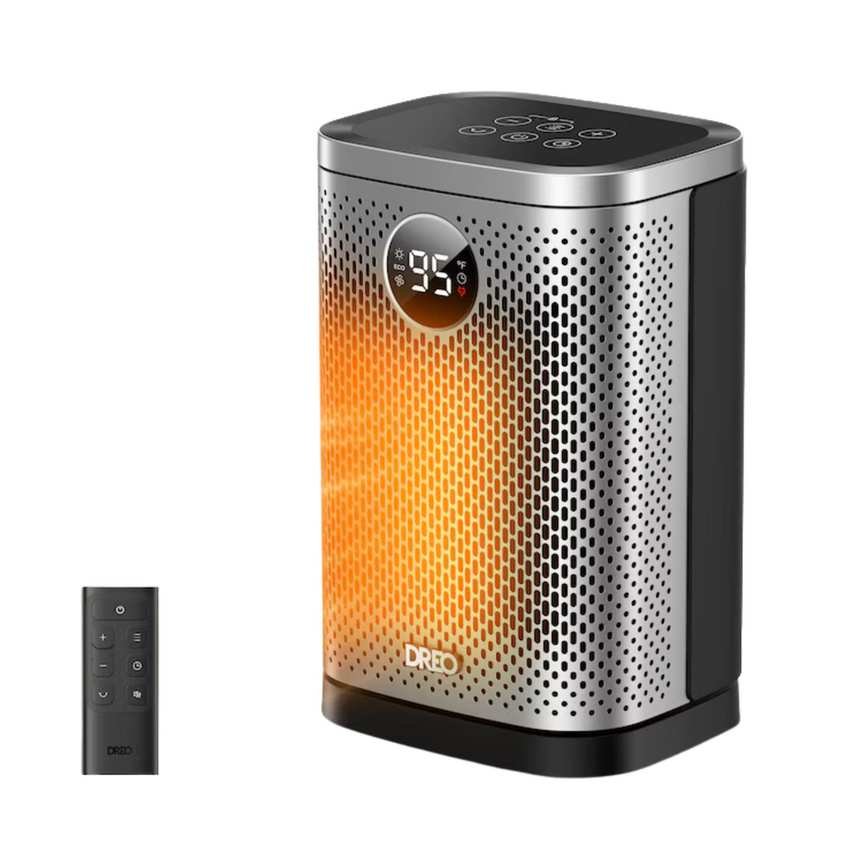 Compact
Dreo's 1500-watt ceramic heater warms quickly and features a remote control. With an eight-layer safety system, it operates quietly. Ensure it's placed on a flat surface, never left unattended, and away from flammable materials.
 Six timer settings
This heating pad is a year-round staple in my home for soothing chronic pain, making it perfect for warming up during chilly days.
 Gaps up to 3-inches
This draft stopper fits gaps up to three inches and features a washable cover, effectively blocking cold air from sneaking in.
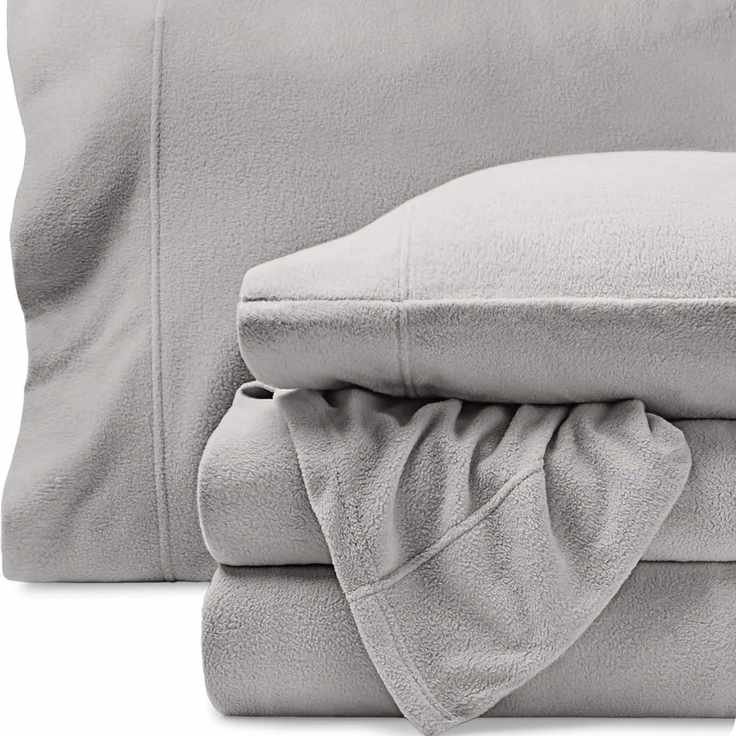 No pilling
Available in 15 colors and nine sizes, this soft fleece sheet set is cozy and machine washable, ensuring a perfect match for your bedroom decor.
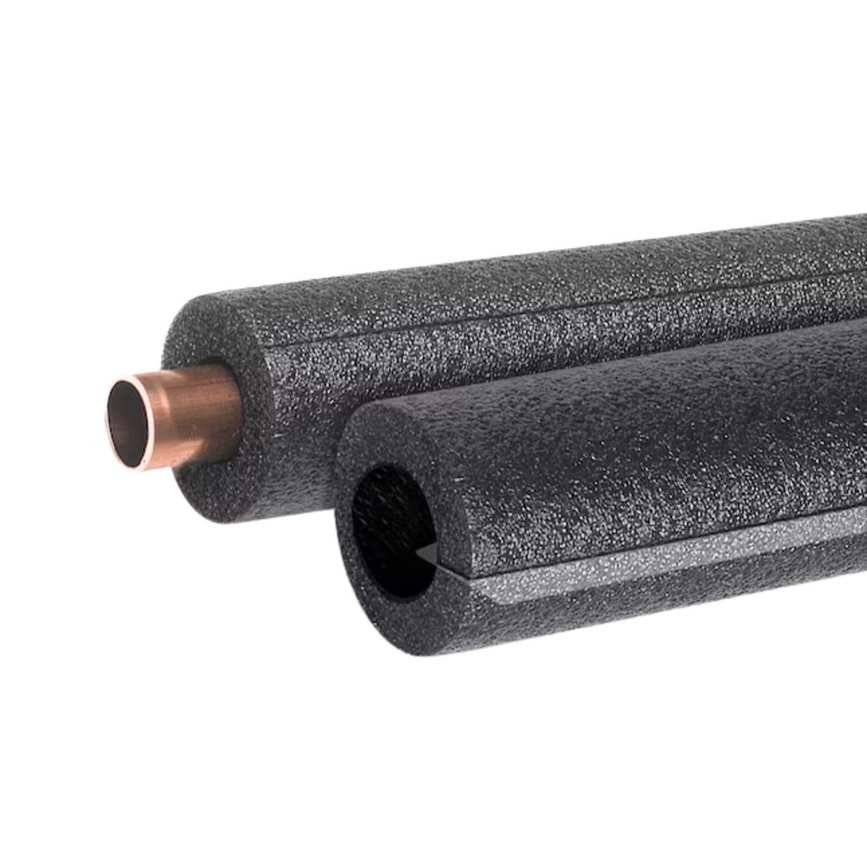 Protect your pipes
Protect exposed pipes indoors and outdoors to prevent freezing and leaks. These self-sealing foam insulations fit 3/4-inch pipes and are easy to install.
 Large
Large
This heated throw blanket is available in seven colors, ideal for snuggling on the couch or adding warmth to your bedding. It features an auto-shutoff function after three hours for safety.
Remember, these strategies are short-term solutions. Regular maintenance and prompt repairs of your furnace are critical for ensuring the long-term comfort and safety of your home.
For those facing extreme weather challenges, learn how to stay warm in case of a power outage.



