

Understanding when to let faucets drip is key to avoiding plumbing issues during the cold months. Taking timely action can save you from leaks and costly repairs.
When temperatures fall below freezing, it's vital to know if your pipes need protection or if you can afford to wait.
We consulted plumbing specialists for essential tips on winterizing your plumbing system effectively and avoiding common mistakes.
Recognizing the Risk of Frozen Pipes
Like covering outdoor faucets, knowing when to drip indoor taps depends on the weather and household activities.
Letting faucets drip helps protect against freezing and reduces pressure buildup. This precaution can prevent expensive damages later.
1. When Temperatures Drop
As plumbing expert Jake Romano emphasizes, pipes become vulnerable when temperatures hit 20°F (-6.6°C) or lower.
When exposed to freezing cold, water can freeze inside the pipes. As it freezes, water expands, which can lead to pipes bursting without warning.
2. If You Notice Condensation
Visible condensation on pipes indicates trouble may be brewing.
Josh Rudin, CEO of a restoration service, suggests inspecting for hairline fractures caused by freezing water. While not a burst pipe, these cracks can lead to water damage if ignored. Small leaks often become the first signs of a burst during subsequent freezes.
Justin Cornforth, owner of a home service company, notes that frost on pipes means freezing has begun. To warm up frigid pipes, consider using a small space heater, like the Mainstays 1500W Ceramic Heater from Walmart, set to low.
Investing in pipe insulation, such as Duck Brand Foam Pipe Covers available on Amazon, is also wise. Alternatively, wrapping pipes with insulation tape, like the Redford Supply Co. Pipe Insulation Tape on Amazon can help.
Be sure to focus on unheated spaces like basements and attics.
In an emergency, bubble wrap and duct tape can serve as quick fixes, though avoid using a hairdryer, as rapid heating can create bigger issues.
3. When Traveling
Pipes can freeze overnight or when a home is unoccupied for a while.
According to Andy Kerr, founder of a heating service, if you leave home in winter, ensure you prepare your pipes to prevent freezing, which can lead to serious damage.
Aftermath repairs can be costly, so taking preventive measures before leaving is crucial.
Kerr recommends keeping the thermostat set at a minimum of 50°F while away. If you have a smart thermostat, like the Amazon Smart Thermostat from Amazon, you can adjust the temperature remotely.
If you'll be gone for an extended time, consider turning off the main water supply and opening the lowest sink or bath tap to relieve pressure. Close the taps after and leave the main stop tap off to avoid freezing and leaks.
When away for long periods, ask a trusted neighbor to monitor your home and heating system. This way, they can also check for any signs of leaks.
4. Hearing Unusual Sounds or Smells
Gurgling or whistling noises when using the sink or flushing the toilet could indicate ice blockage in pipes. Pay attention to bad odors from faucets or drains.
Caleb John, a plumbing director, notes that strange sounds may suggest ice buildup. Similarly, odd smells could indicate a blocked pipe releasing trapped air.
If you observe these signs, it's wise to contact a professional for assistance.
Additionally, Matt Kunz, president of a plumbing company, suggests installing smart water leak detectors like the Govee WiFi Water Sensor available on Amazon to monitor for leaks.
Which Faucets to Drip in Winter?
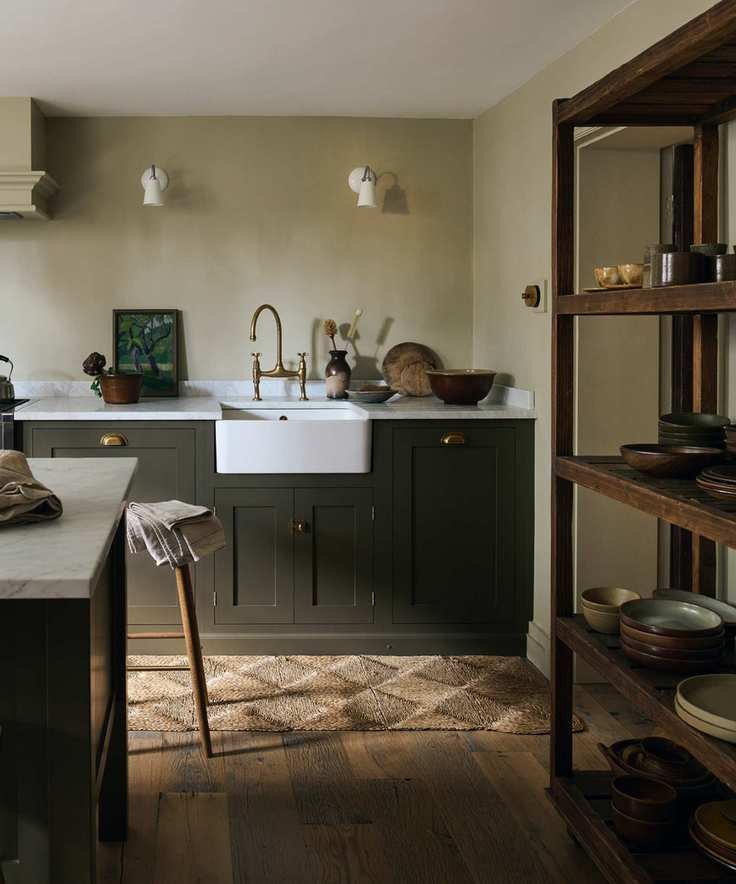
Choosing the right faucets is key for effective freezing prevention.
To prevent freezing, assess your plumbing layout and identify areas most susceptible to the cold. Dripping faucets can help safeguard pipes.
Aaron Adams, master plumber, states that it's vital to let faucets fed by pipes along exterior walls drip, as these are the most exposed to harsh temperatures. Don't overlook faucets linked to unheated spaces like attics or basements.
Ideally, let at least one faucet drip in each section of your home, especially in multi-story houses or extensions.
Where possible, select faucets that allow hot and cold water control and let both drip slightly to protect both lines.
How to Drip Faucets Properly
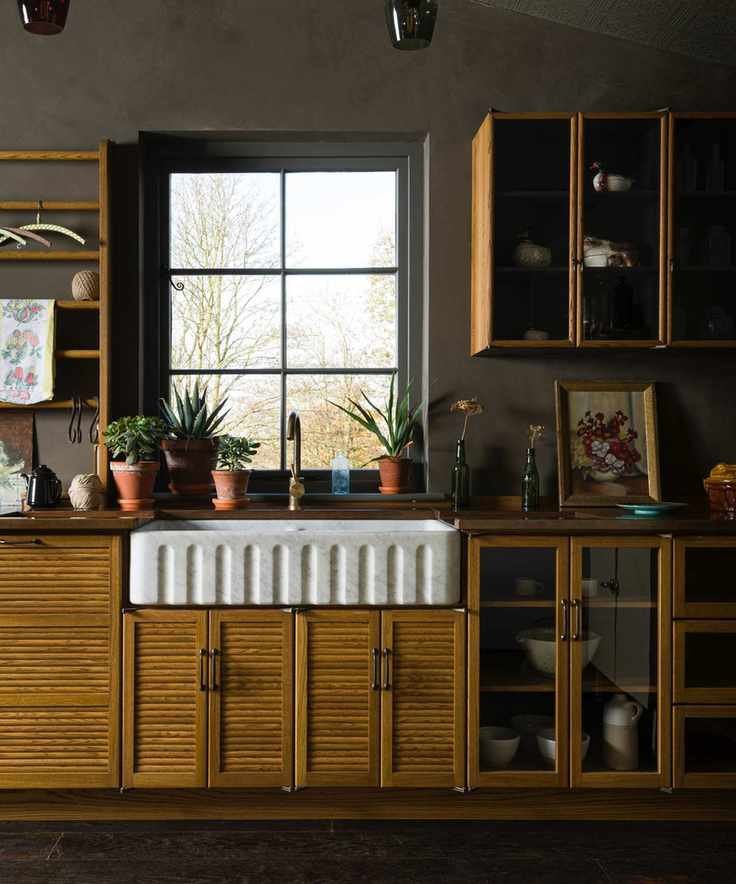
Avoid costly mistakes when dripping faucets.
Dripping faucets is straightforward, but there are key tips to ensure effective protection without inflating water bills.
Aaron advises turning on taps just enough to get a slow drip and keeping them dripping until temperatures consistently remain above freezing, typically when forecasts predict above 32°F (0°C).
For outdoor faucets, Allison Harrison, co-owner of a plumbing service, recommends shutting off and draining these faucets instead of letting them drip.
At the start of the cold season, cut off their water supply and drain them to prevent freezing.
Insulate outdoor faucets with items like the Home Intuition Outdoor Faucet Covers on Amazon. Any insulated cover will help retain warmth from your home.
For warmer climates that don't freeze nightly, these covers are preferable to draining faucets.
All prices are accurate at the time of the update.
Common Faucet Dripping Mistakes

A few simple errors can negate your pipe protection efforts.
Enoch Heise from a plumbing company cautions against the common mistake of forgetting to drip both hot and cold water. This oversight can leave some pipes vulnerable.
Chris Palmer, a plumbing owner, advises ensuring both hot and cold handles drip to provide adequate protection. For single-handle faucets, position the handle to allow both water lines to flow slightly.
Look for about one to two drips per second, roughly the width of a pencil lead.
Additionally, consider insulating your pipes ahead of cold weather using heated cables or foam insulation.
Products to Consider
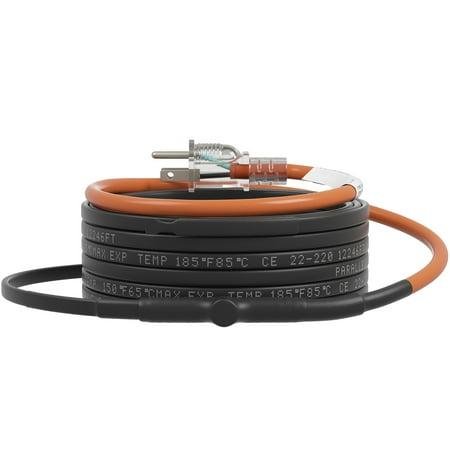 Rapid heating
This heating cable effectively protects pipes in extreme temperatures, featuring a built-in thermostat and auto-on function.
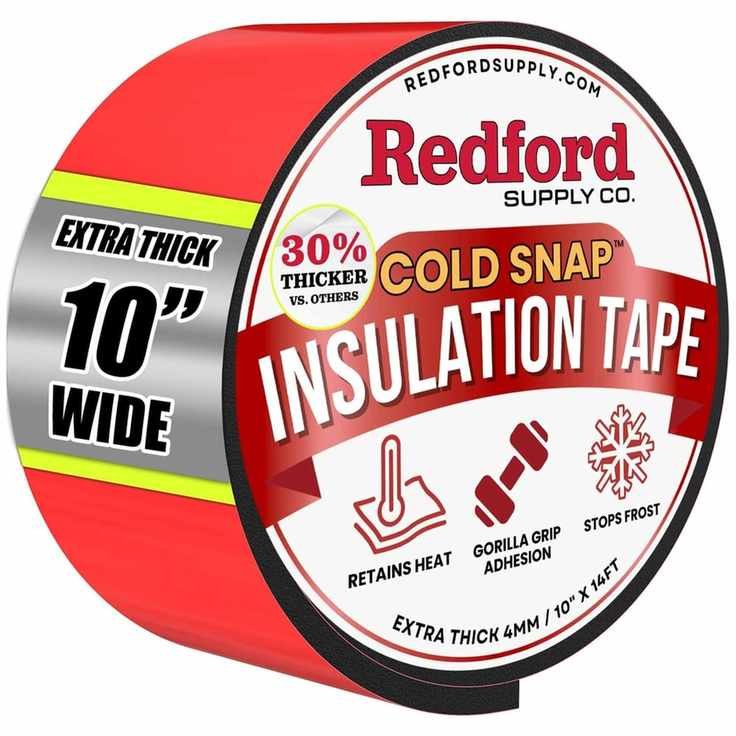 Lasts 25 years
This insulation tape is designed for durability and provides effective freeze-proof, waterproof protection for your pipes.
 Non-slip
This foam insulation is soft yet durable, making it easy to shape and resistant to aging and weather.
FAQs
Can pipes freeze overnight?
HVAC expert Josh Rudin confirms that water pipes can freeze and burst in one night, especially if temperatures drop significantly.
It's a common misconception that the entire pipe must freeze; even a small section freezing can lead to major issues.
Can you flush a toilet with frozen pipes?
Frozen pipes can prevent flushing, potentially damaging your toilet. It's crucial to act quickly and seek professional help.
Does shutting off water prevent freezing?
Turning off the main water supply is a good preventative measure against freezing, especially if you plan to be away during cold weather.
After shutting off the water, open faucets to drain any remaining water, reducing the chance of a burst.
What temperature should I keep my home to prevent freezing pipes?
Keeping your home around 55°F is ideal to prevent freezing pipes, particularly in unheated areas like basements or attics. This temperature helps reduce the risk of freezing throughout the winter season.
Meet the Experts

Co-owner of a plumbing company serving the greater New Orleans area.

Service technician at one of DFW's top-rated plumbing companies, specializing in various plumbing services.

An experienced entrepreneur in the plumbing industry, he leads one of Ottawa's prominent plumbing firms.

Owner of a restoration service and a certified restorer.
Keeping an eye on your plumbing is crucial during cold weather to prevent freezing and other issues.
Implementing draft-proofing measures can also help maintain a warm environment and minimize plumbing problems.



