As the costs of everyday household items continue to climb, now is the perfect time to consider some sustainable household swaps. Making eco-friendly choices can be both beneficial for the planet and your finances.
While some sustainable options may appear to have a higher initial cost, they often lead to long-term savings. From switching to reusable items instead of single-use plastics to investing in energy-efficient appliances, there are many ways to save money over time.
In this guide, we've gathered insights from sustainability experts on the top seven sustainable household swaps and home improvements that contribute to a healthier planet and a more robust budget.
Top Sustainable Household Swaps
Some people might hesitate to adopt sustainable swaps due to their potentially higher upfront costs compared to disposable alternatives. For instance, washable cleaning sponges typically cost more than their single-use plastic counterparts.
However, reusable household items, crafted from durable materials, tend to last much longer than disposables, leading to fewer replacements and greater savings in the long haul. Here are the swaps worth considering, according to experts.
1. Reusable Silicone Food Storage Bags
Many of us promise to rinse and reuse plastic food storage bags, but it's often easier to toss them out. To avoid this temptation and choose a more sustainable option, Verena Polowy, a sustainability advocate and founder of My Green Closet, recommends switching to silicone bags for food storage.
'These reusable silicone bags (my favorite brand is Stasher) are perfect for snacks, lunches, food storage, and travel. They're dishwasher safe, and especially when packing snacks for kids, they've helped us reduce plastic waste,' she shares.
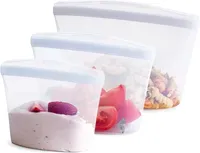
Stasher Reusable Silicone Storage Bags | View at Amazon
These food-grade silicone bags help keep food fresh longer and are incredibly easy to clean and reuse.
2. Wool Dryer Balls

While dryer sheets can enhance the scent of your laundry and reduce static cling, they are costly and single-use. For a more sustainable choice, Kat Scarlett, founder of Glotanicals, advises investing in wool dryer balls:
'Wool dryer balls are completely natural, compostable, and you can add essential oils for fragrance,' she explains.

XL Wool Dryer Balls | View at Amazon
Using wool dryer balls saves energy, time, and money during your laundry cycle. Use three for small/medium loads, and five to six for larger ones.
3. Solid Soap Instead of Pump Bottles
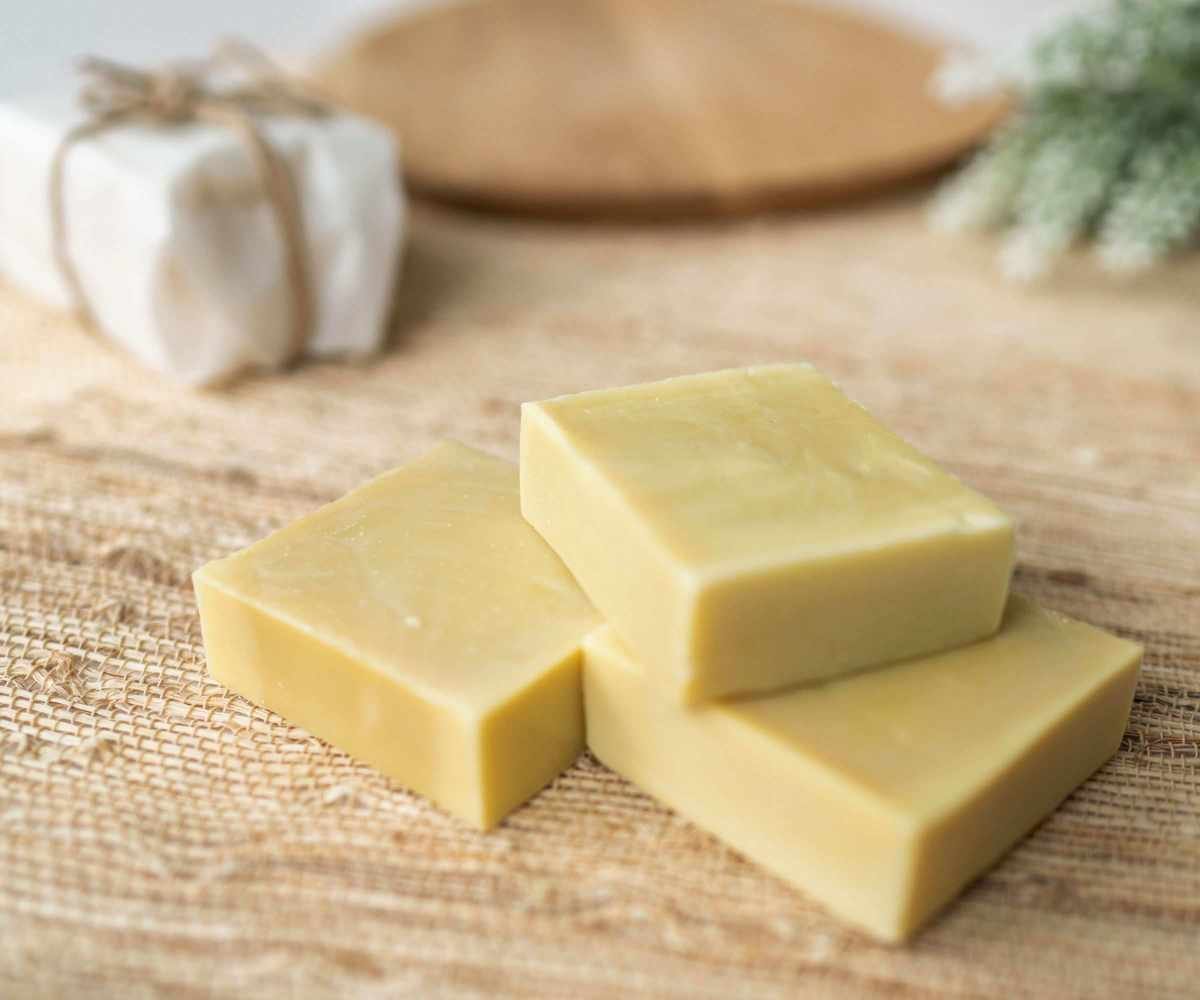
Plastic pump bottles for soap and other personal care products contribute significantly to pollution. Not only are they made of plastic, but the pumps are often non-recyclable. Verena Polowy recommends opting for solid soap alternatives:
'There are effective solid options available for hand soap, shampoo, conditioner, body wash, laundry detergent, and even dish soap. While it might not seem significant, the number of plastic soap bottles adds up over time. In fact, solid soaps often provide more washes than liquid ones, making them comparable in price or even more economical,' she notes.
For those who prefer the convenience of pump bottles, Ditte Vind, a sustainability expert and founder of The Circular Way, suggests using refillable options for soap, shampoo, and detergents to cut down on plastic waste.
4. Air-Drying Laundry
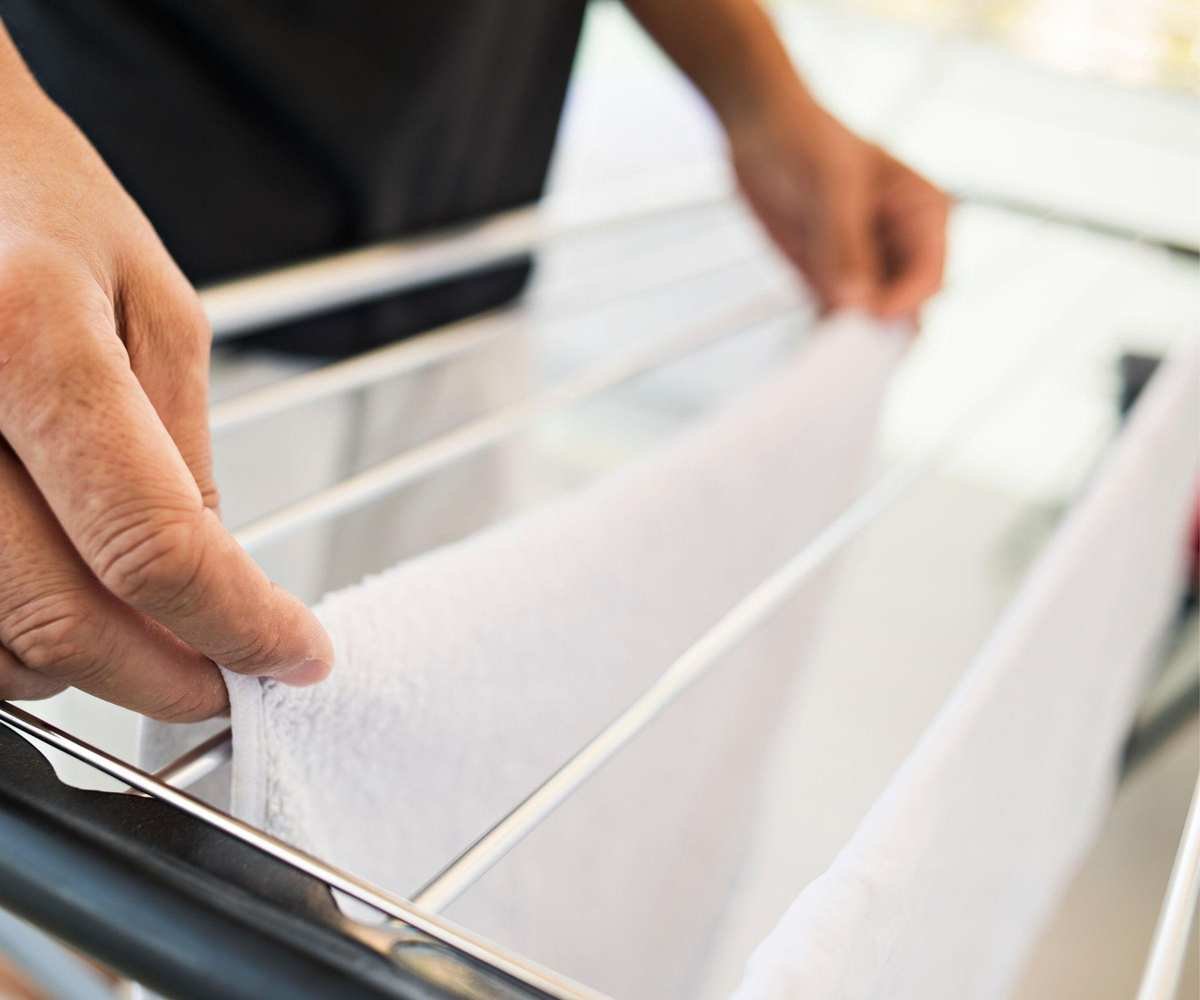
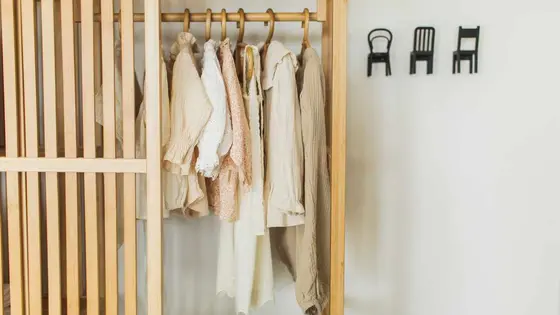
While tumble dryers can quickly dry clothes, they are expensive to operate and harmful to the environment. Switching to air-drying is free and can leave your laundry smelling fresher, according to Ditte Vind. Additionally, air drying extends the lifespan of your garments.
Though line-drying laundry outside is ideal, you can also hang clothes on a drying rack near a heat source or use a dehumidifier for similar results.
5. Smart Thermostats
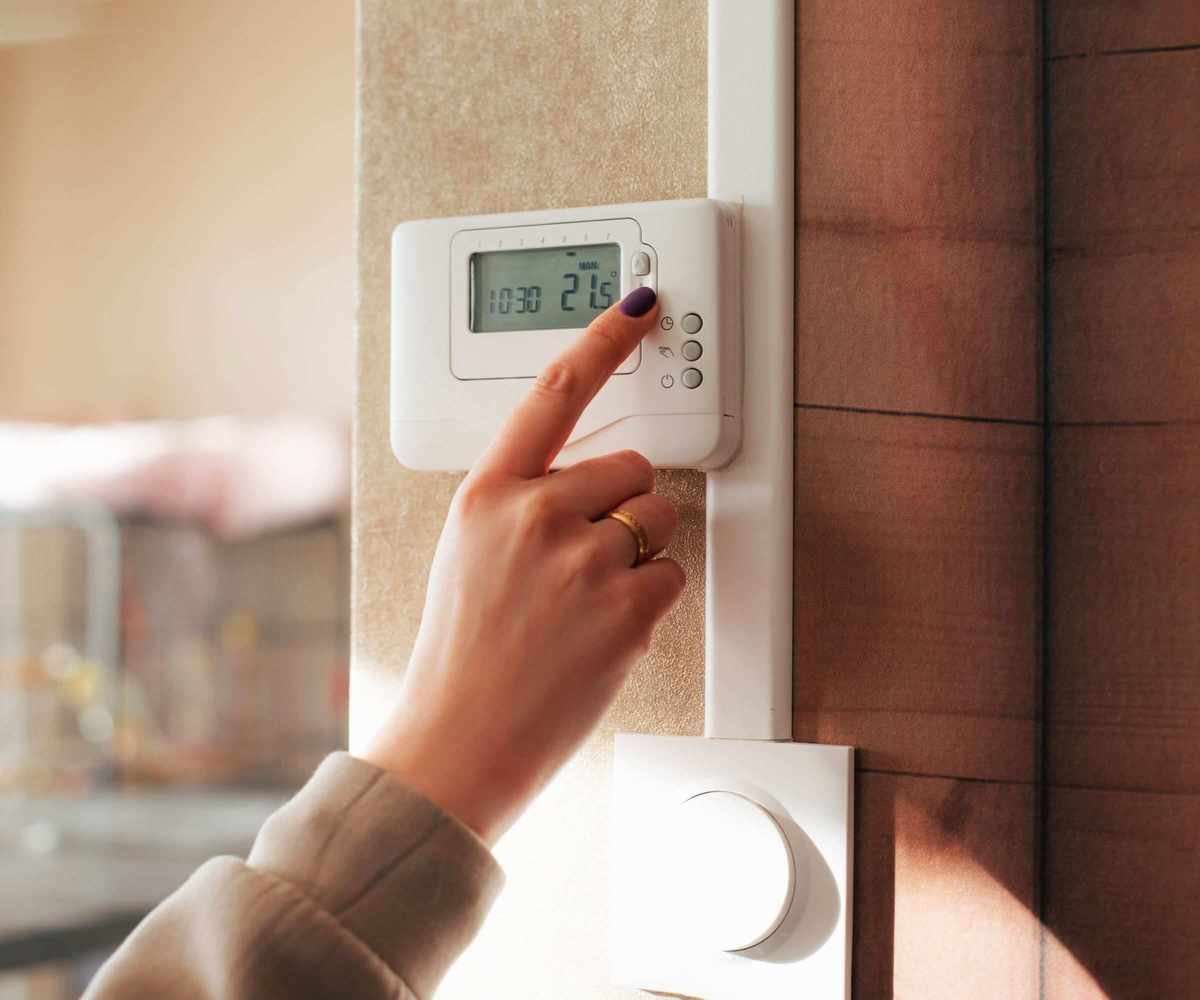
Not all sustainable swaps involve physical products for cleaning. Options like smart thermostats help manage heating and cooling, reducing energy bills while benefiting the environment, shares Verena Polowy.
'Minimizing heat and air conditioning usage can significantly lower energy consumption. It's wasteful to heat or cool an empty house. A smart thermostat allows you to set temperature schedules and can use sensors to adjust the temperature when no one is home,' she explains.
6. Fabric Tableware Over Disposable Paper
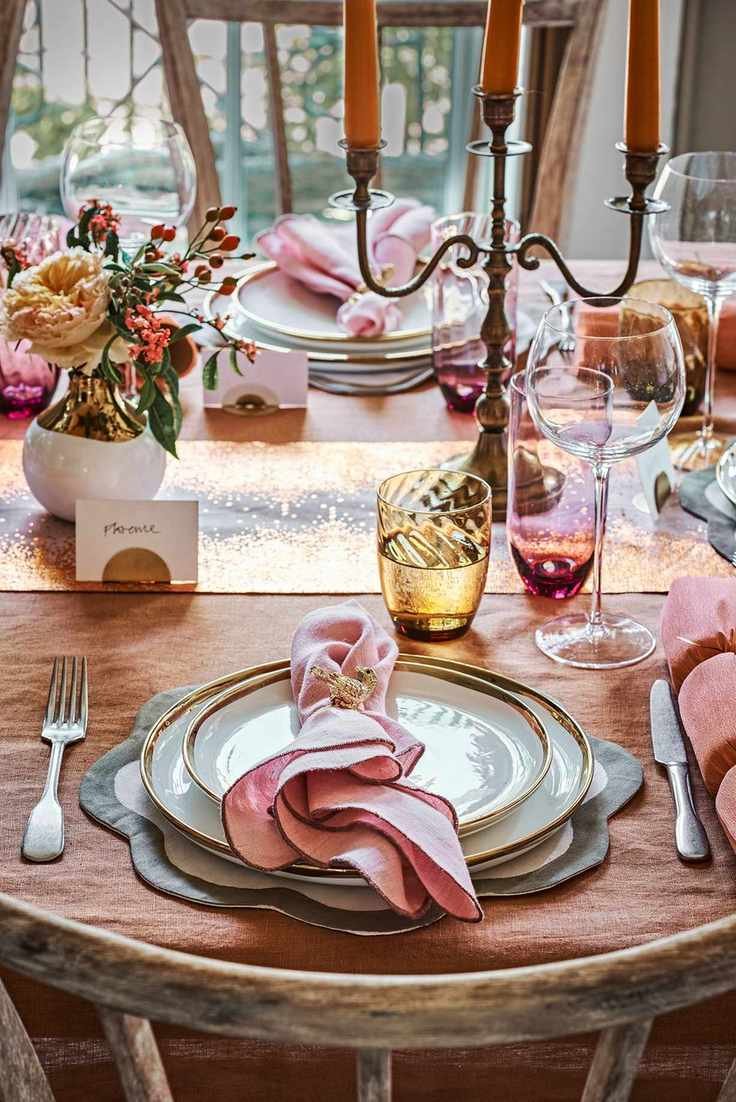
Whether enjoying a casual dinner or hosting a large gathering, choosing washable fabric tableware is more eco-friendly and economical than disposable paper options, says Ditte Vind.
'Opt for fabric napkins instead of single-use options to cut down on waste and enhance the dining experience for guests.
'Look for high-quality items that you'll cherish and might even pass down to future generations. Investing in quality benefits not just the environment but also your finances and overall well-being.'
7. Energy-Efficient Appliances
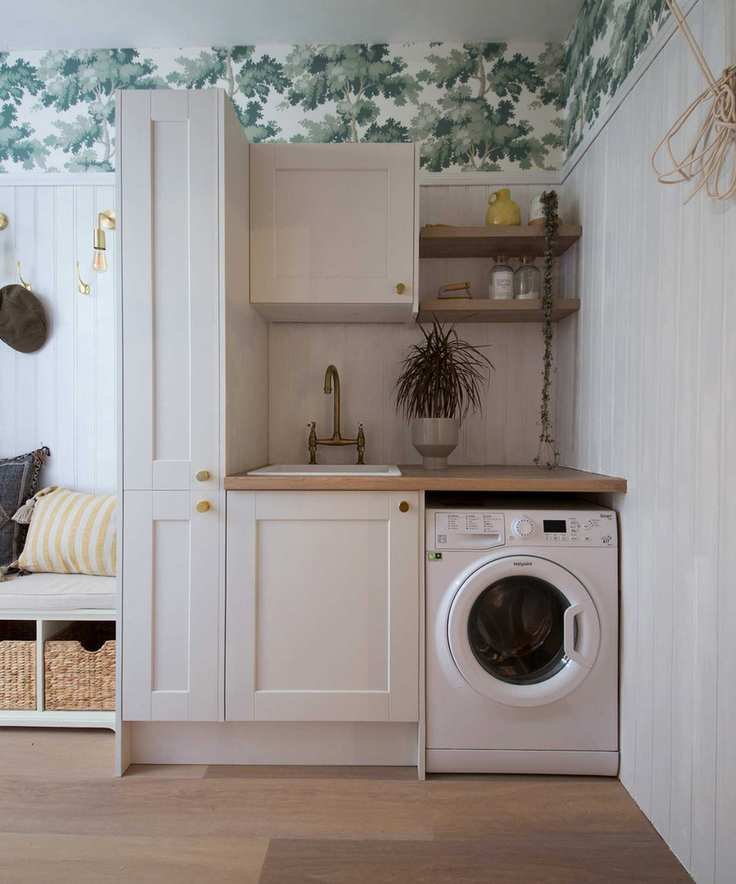
Similar to how smart thermostats work, choosing energy-efficient appliances when your current ones reach the end of their lifecycle can save money and benefit the environment, explains Gabriella Dyson, Head of Solved.
'Regular maintenance is key to reducing energy bills for both new and existing appliances,' she adds. 'An energy-efficient appliance only works effectively if it's well-maintained; so clean and clear vents and filters regularly, ideally on a monthly basis.'
FAQs
How can you create a plastic-free home?
To minimize plastic use, start with your kitchen and bathroom. Reduce the number of plastic containers and bags you buy, and try to select food not wrapped in plastic. Shopping at local farmers' markets can help with this. When purchasing personal care products, choose bar or refillable options, or consider bamboo alternatives like toothbrushes.
What is a sustainable swap?
A sustainable swap refers to replacing disposable items with more durable alternatives. These options are typically designed to last longer, be easier to dispose of sustainably (through recycling or composting), and/or be produced in more environmentally friendly ways.
Keep in mind that you don't need to make all these changes at once. Sustainability is about gradual improvement, not perfection, so implement smaller changes regularly for noticeable results.