In today's world, it's all too easy to fall into the cycle of overspending and accumulating unnecessary items, leading to clutter and stress.
However, minimalists have discovered a way to live intentionally, cultivating a lifestyle that promotes conscious consumerism. This not only reduces clutter but also alleviates stress.
So, how do they achieve this? Aside from implementing effective decluttering methods, minimalists follow strict spending guidelines. Here are items they typically avoid for a simpler life.
8 Items Minimalists Never Purchase
These eight items tend to take up space that could be better utilized. Here's how adopting minimalist spending habits can transform your home, according to professional organizers.
1. Physical Subscriptions
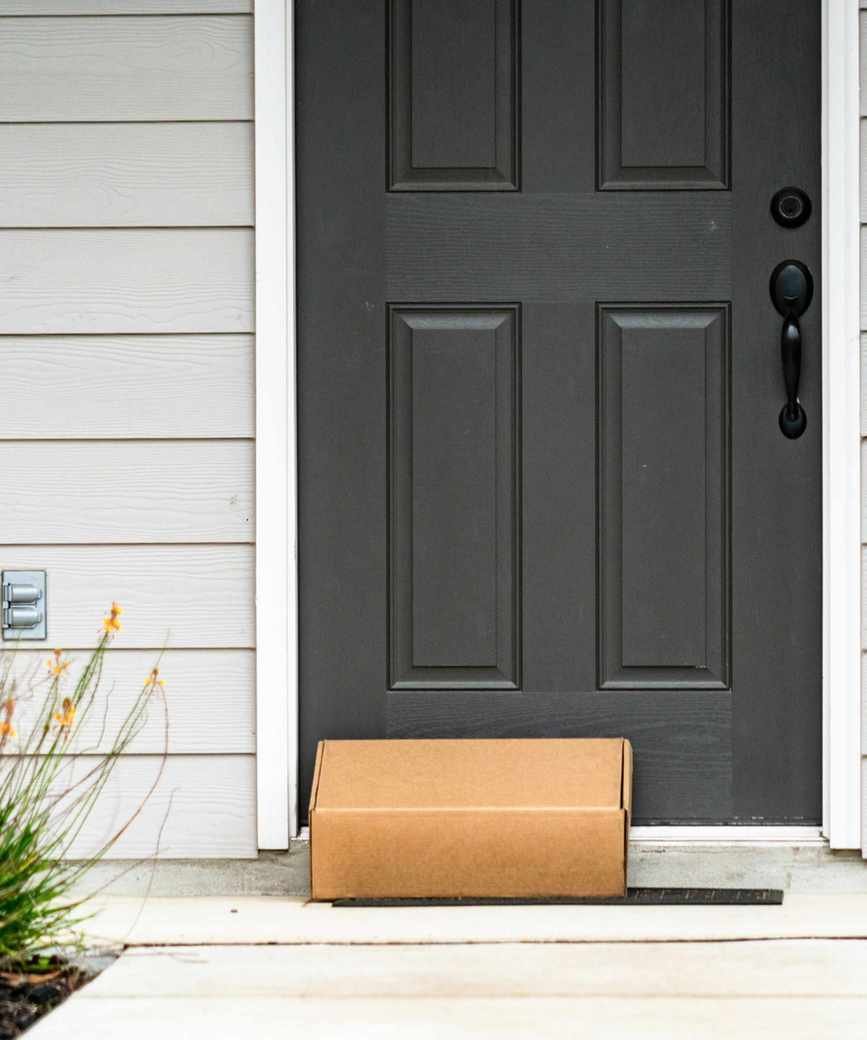
In a subscription-driven world, from streaming services to meal kits, convenience sometimes comes at a cost. Physical subscriptions can lead to clutter, especially with home decor or beauty products. Professional declutterer Katy Wells explains:
'Minimalists shy away from subscriptions that deliver regular items. These can create a buildup of unnecessary goods, cluttering both space and mind as you manage incoming items.'
'They prefer to be selective about what enters their home, ensuring each item has a purpose or brings joy, which is a smart strategy for maintaining order.
2. Duplicates
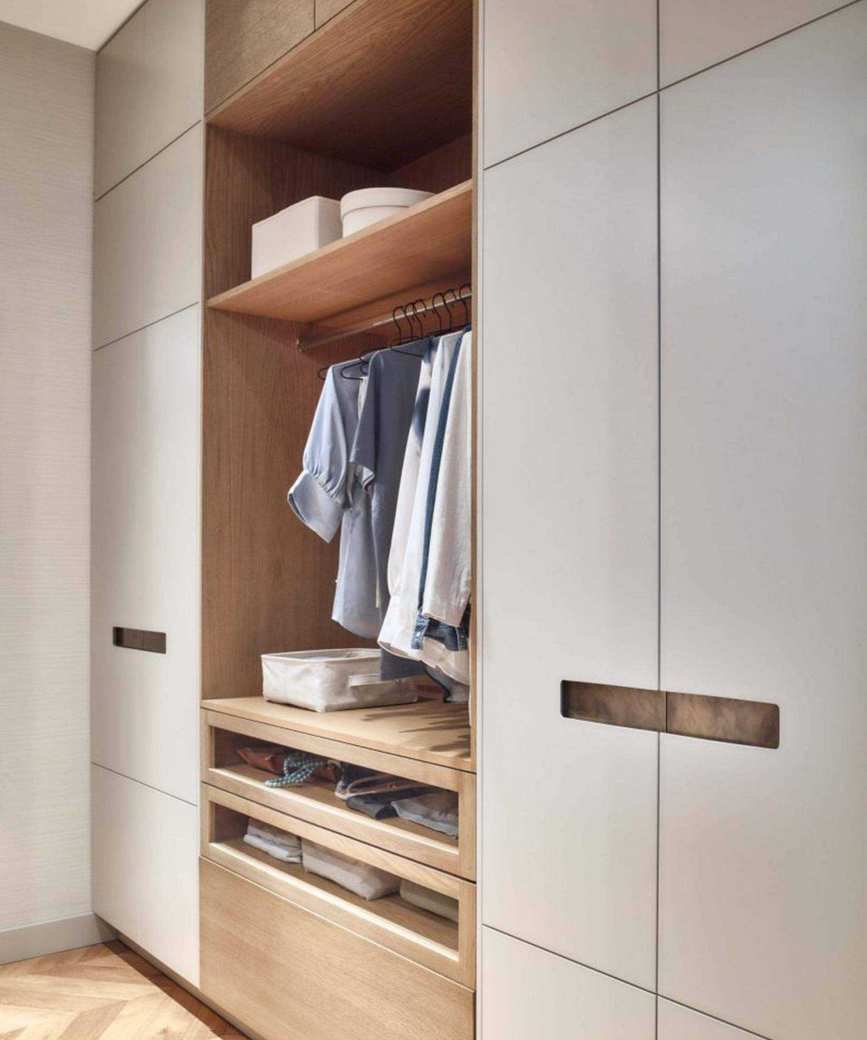
Whether in the living room or kitchen, minimalists avoid duplicates at all costs.
'Many clients discover they have multiple irons, graters, or even duplicate books. This happens because clutter can obscure what we own, leading to unnecessary purchases,' says Julie Leonard, a decluttering coach. 'Minimalists keep fewer items and ensure each has a designated place, preventing duplicate buys that only add to the mess and expense.'
3. Sale Items
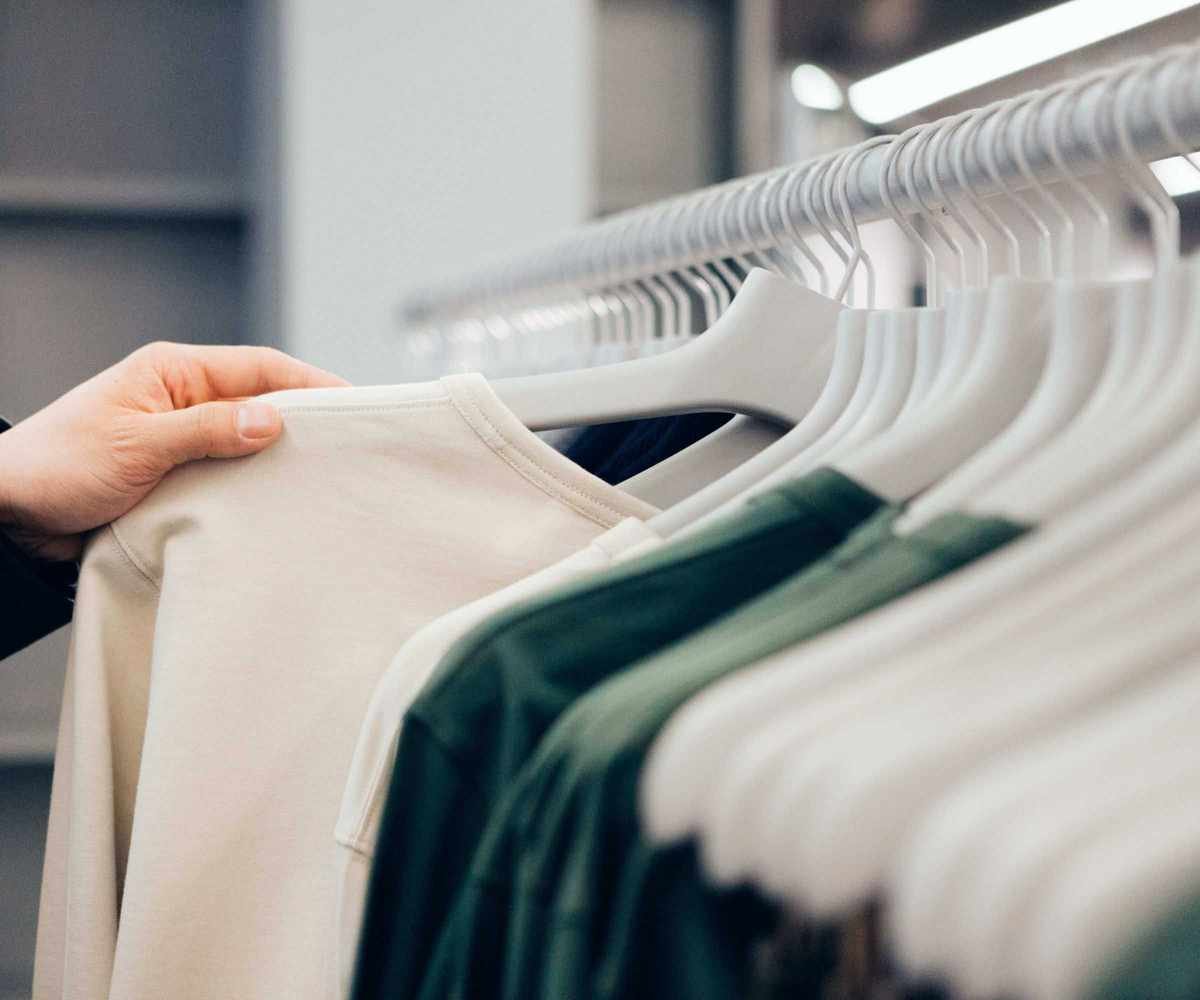
Steering clear of the sale aisle requires discipline, but it's key to minimizing clutter. Katy Wells shares:
'Being drawn to discounted items is common, yet minimalists avoid buying merely because something is on sale. The allure of bargains can lead to accumulating things that don't align with their needs or values, helping them focus on meaningful purchases.'
4. Impulse Buys
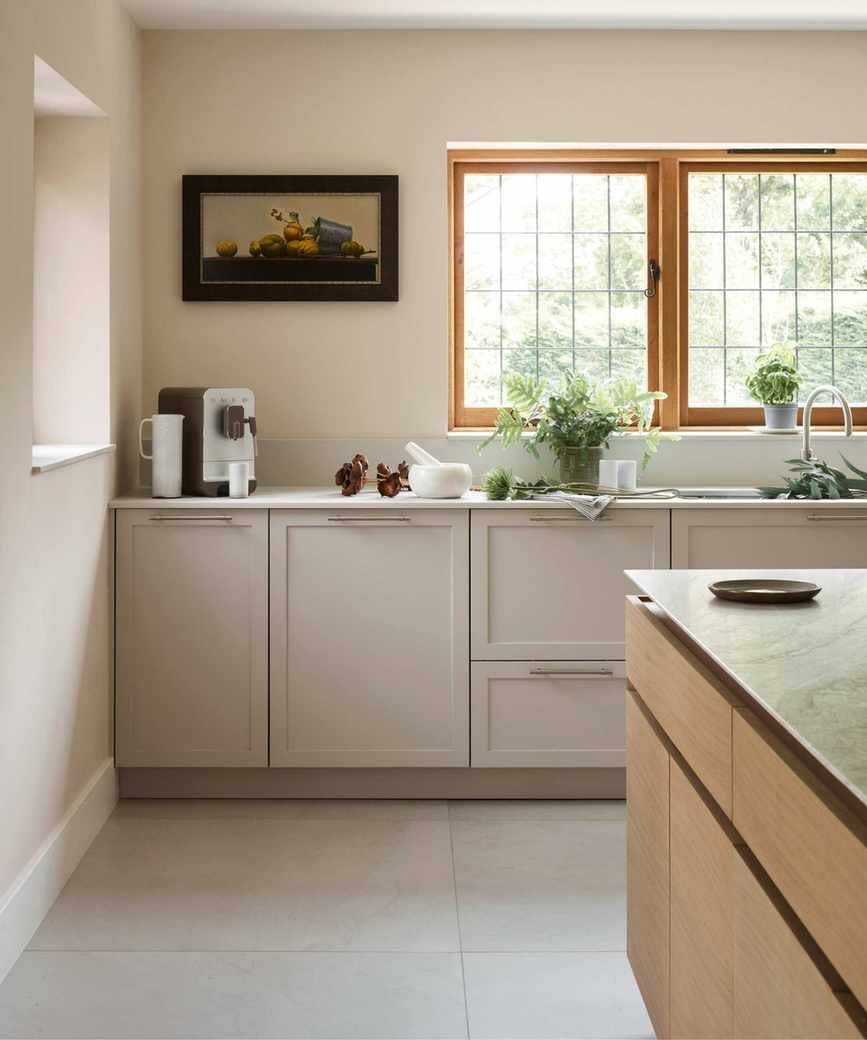
Minimalists also refrain from making unplanned purchases, according to Julie Leonard. They often follow a 90+ minimalist rule, ensuring they truly want an item before buying.
'Minimalists think carefully about their purchases. The 24-hour rule helps them resist impulse buys; often, they find they don't want the item the next day. This approach minimizes clutter and saves money,' she adds.
Avoiding online shopping also helps prevent unnecessary additions to the cart.
5. Disposable Items
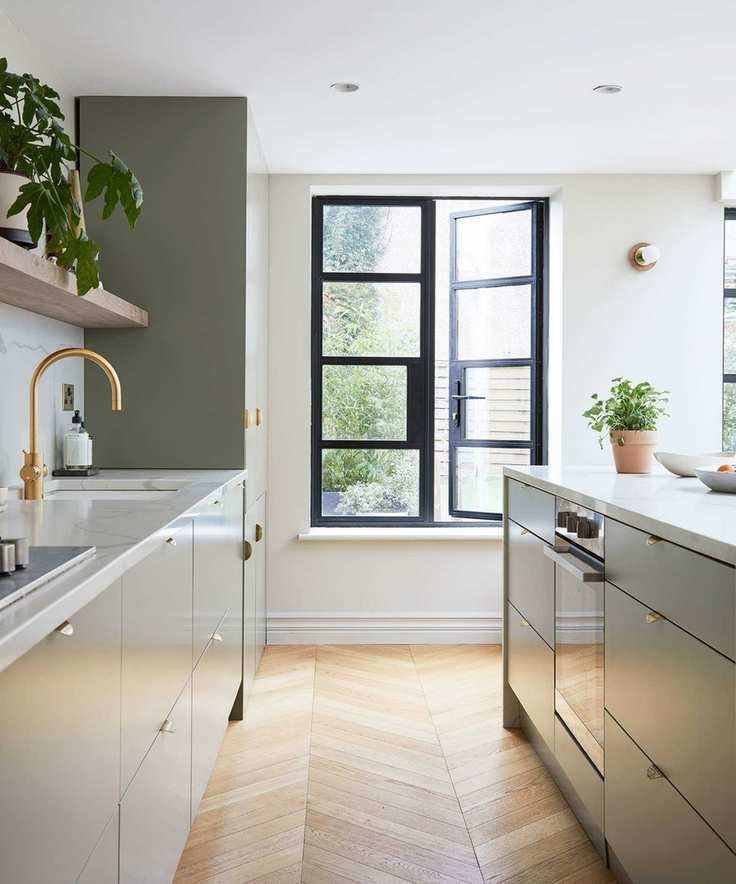
Minimalists steer clear of single-use items, as noted by C. Lee Cawley, an expert organizer. This shift can enhance sustainability.
'Disposable products create clutter and contribute to waste,' C. Lee emphasizes. 'Minimalists prefer reusable options like cloths, beeswax wraps, or travel mugs, simplifying life while minimizing environmental impact.'
Glass water bottles are preferred for their safety and ease of cleaning.
Reusable soy wax wraps replace plastic wraps and benefit both health and the planet.
Swedish dishcloths eliminate the need for sponges and paper towels, offering superior absorbency.
6. Uni-tasking Gadgets

Minimalists don't waste space on one-purpose gadgets, like banana slicers, says Katy Wells. 'These can clutter kitchens unnecessarily. I recommend multi-functional tools that save space and increase efficiency.'
If a gadget serves multiple purposes, it can stay, but the rest should be recycled.
7. Books

While it may be surprising, minimalists aren't against books, assures Julie Leonard. They often borrow from libraries or exchange titles instead of acquiring new ones.
'As a book lover, I find this challenging. When minimalists do buy books, they usually pass them on when finished,' she explains.
8. Trendy Decor

Keeping up with fleeting design trends isn't essential for minimalists, cautions C. Lee Cawley. 'They are deliberate about their purchases, avoiding trendy decor that may soon feel outdated. Instead, they invest in timeless pieces that provide lasting joy and tranquility in their homes.'
FAQs
Where do minimalists allocate their spending?
Minimalists prioritize intentional spending, focusing on items that serve a purpose rather than making impulsive purchases. This ensures that new items enhance their lives without cluttering their spaces.
What is toxic minimalism?
Toxic minimalism refers to an extreme approach that mandates buying only essentials, which can harm mental well-being by stifling personal desires. It's vital to balance necessary items with occasional indulgences that foster happiness.
Embracing minimalism may not suit everyone, but incorporating some of its principles can significantly reduce clutter and simplify home organization, making daily life smoother.