
Growing tomatoes can be incredibly fulfilling, but various issues often arise that can hinder your success. Many problems stem from avoidable mistakes that gardeners commonly make.
Whether due to insufficient research or oversight during the growing season, new tomato growers may feel overwhelmed. Yet, it doesn't have to be complicated.
We explore common tomato growing pitfalls and offer expert advice on how to prevent them. With years of experience growing various tomato types for chefs and market sales, I've learned firsthand the mistakes that can occur along the way.

Tomato plants may seem challenging, but many issues are easily preventable.
8 Mistakes to Avoid When Growing Tomatoes
Understanding what your tomato plants need is essential for a fruitful harvest. Some mistakes are influenced by your growing conditions—if you have a greenhouse, for instance, you're less likely to face issues that outdoor growers might. However, some errors are universal.
1. Selecting the Wrong Variety
With numerous tomato varieties available, each suited for different uses—like salads or sauces—choosing incorrectly can significantly impact your harvest. Consider the climate and intended use when selecting your variety.
Do your research by consulting books, seed catalogs, or online resources. Engaging with local growers or visiting farmers markets can provide insights into which varieties thrive in your area.
Experts suggest that not all tomato types are suited for outdoor growth. Recommended varieties for shorter summer seasons include Gardener's Delight, Moneymaker, and Country Taste.
If you're growing tomatoes in pots, opt for patio or compact varieties that thrive in confined spaces.
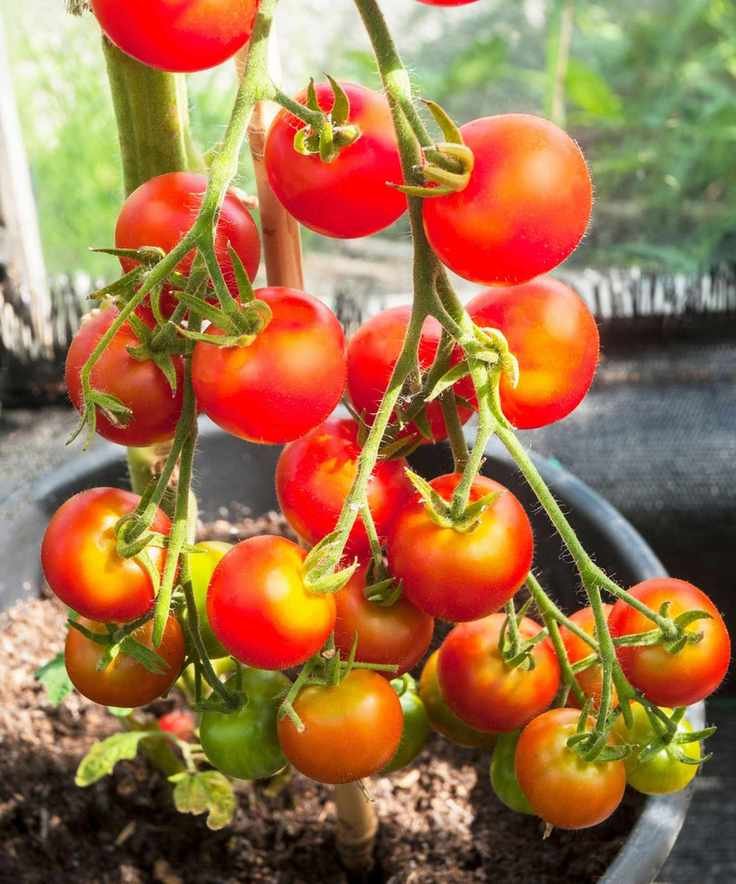
Gardener's Delight is a favored tomato variety.
2. Misjudging Planting Timing
Transplanting tomatoes outdoors too early can expose them to late frosts, stunting their growth. Unlike indoor plants, outdoor tomatoes face harsher conditions.
These heat-loving plants require soil temperatures around 60˚F and plenty of sunlight. Wait until the risk of frost has passed, ideally a week after the last expected frost, to transplant. Night temperatures should remain between 50-60˚F.
Patience is essential, so ensure that all spring frosts in your area have cleared before planting.
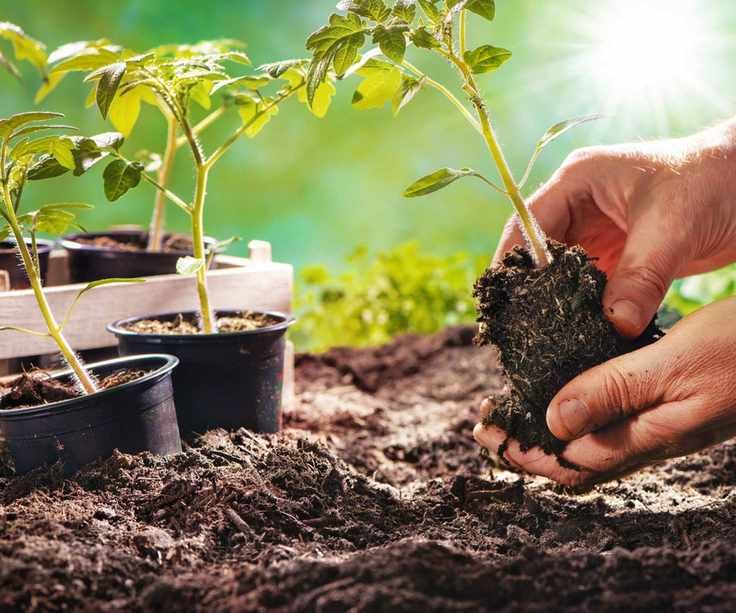
Wait until the risk of frost has passed before planting tomatoes outdoors.
3. Planting Too Shallow
When planting tomatoes, bury them deep—up to their first set of leaves—allowing the root ball to settle a few inches below the soil surface. This depth might surprise novice gardeners but is crucial for healthy growth.
Planting deeply encourages adventitious roots to develop along the buried stem, enhancing the plant's stability and its ability to absorb nutrients and water.
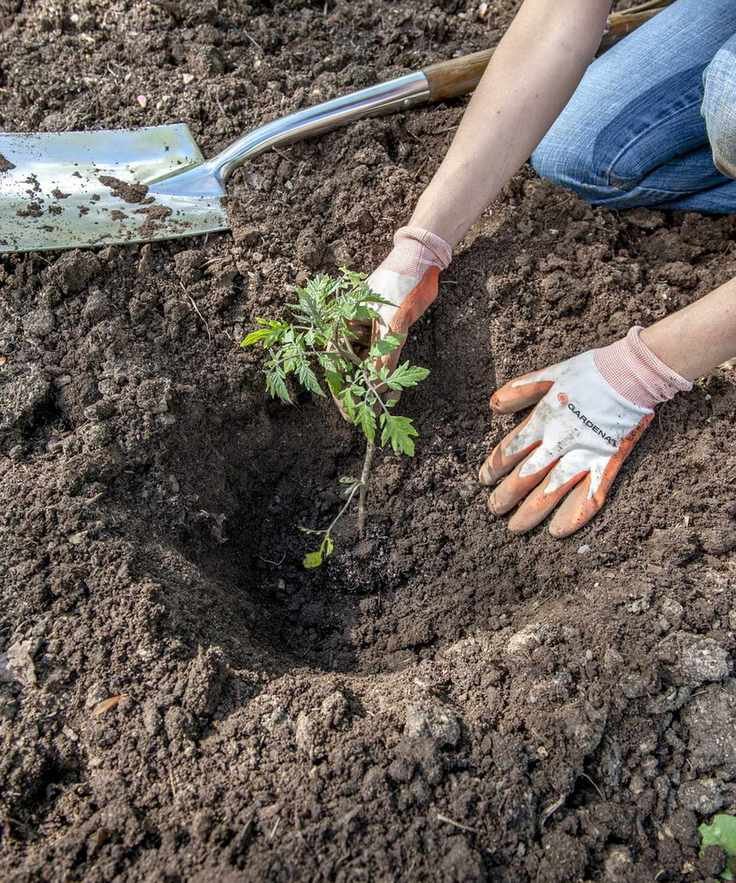
Tomatoes develop additional roots from their buried stems.
4. Inconsistent Watering
Regular watering is crucial; erratic moisture can lead to various problems. New growers often struggle with determining the right amount of water for their plants.
Tomatoes prefer consistent moisture without becoming waterlogged. Aim for one to two inches of water weekly. Indoor plants require hand watering or irrigation, while outdoor plants may need additional watering if rainfall is insufficient.
Check moisture levels regularly, as inconsistent watering can cause splitting or blossom end rot. It's a delicate balance to maintain. Over the years, I've dealt with splitting fruits, which still make great ingredients for sauces.
Another common watering mistake is wetting the leaves. David Angelov from PlantParenthood recommends watering directly at the base to avoid fungal issues.
Watering leaves wastes resources and can promote diseases like leaf mold and blight.
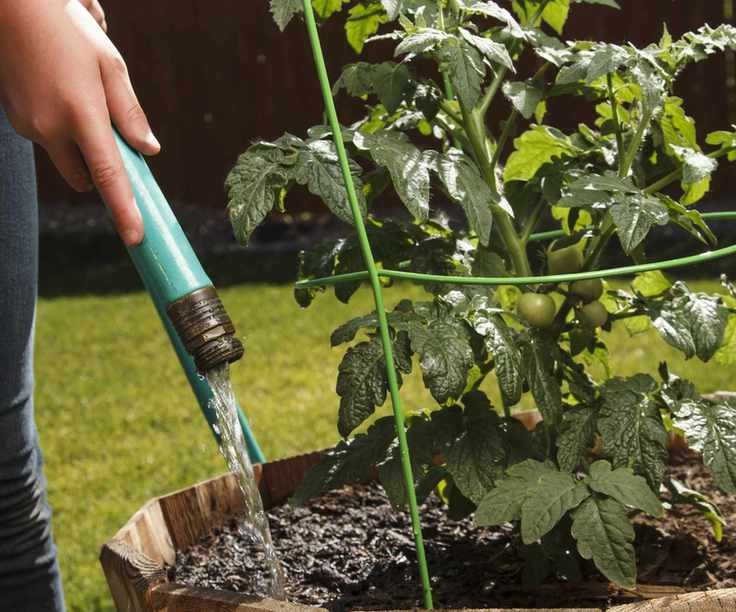
Inconsistent watering is a frequent challenge for tomato growers.
5. Planting in Poor Locations
Tomatoes thrive in sunny, warm environments. A greenhouse can provide ideal conditions, but if you lack one, find the sunniest spot possible—at least eight hours of sunlight daily.
Placing plants against a south-facing wall can also enhance warmth, as the wall radiates heat, helping fruits ripen with great flavor.
Additionally, avoid planting tomatoes in the same spot year after year to prevent soil-borne diseases, such as tomato blight, which can affect other crops like potatoes and peppers. Rotate your planting area every two years.
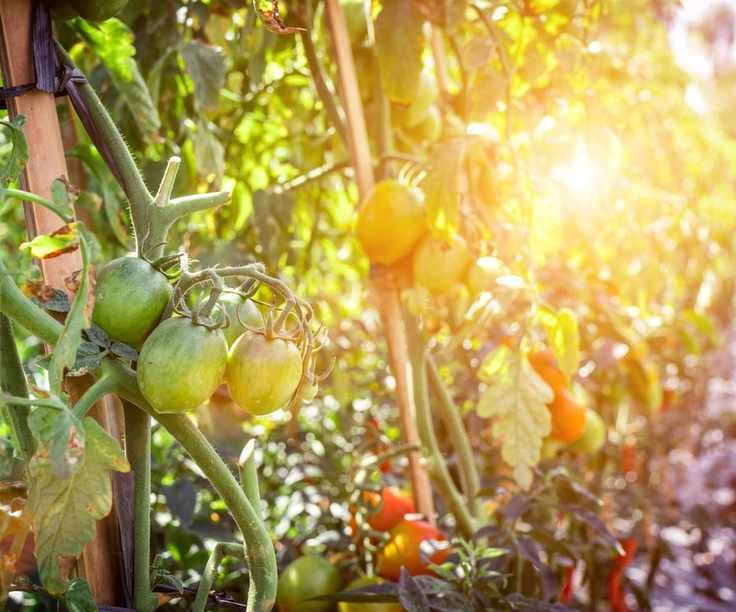
Tomatoes require at least eight hours of sun each day.
6. Neglecting Fertilization
Tomatoes are nutrient-hungry plants that require proper fertilization for optimal yield. Failure to feed them can lead to reduced production and yellowing leaves.
Nutrients like nitrogen, phosphorus, and potassium (NPK) are essential for growth, with tomato fertilizers typically high in phosphorus to promote fruit setting and ripening. These fertilizers are often liquid-based and can be combined with watering.
Apply tomato feed weekly once flowers appear on the plants. One example is Neptune's Harvest Tomato Fertilizer available at Amazon.
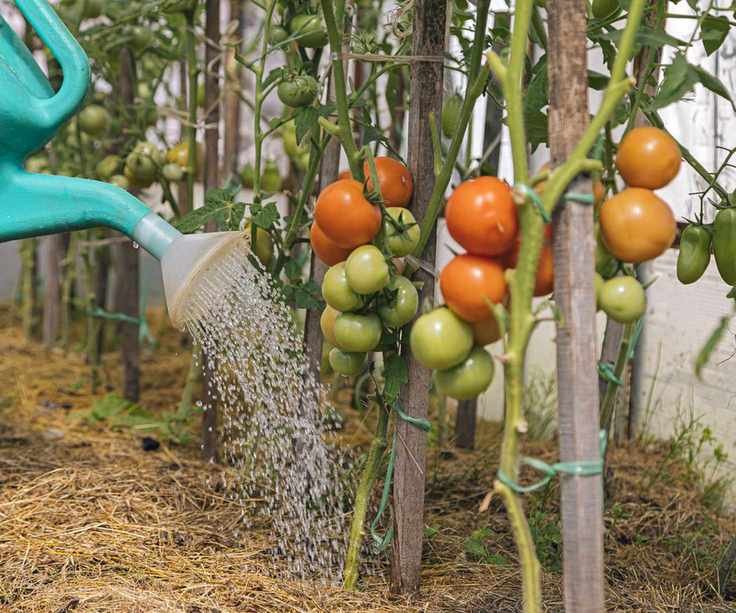
Liquid tomato feed is often mixed with water for application.
7. Failing to Support Plants
To keep tomato fruits off the ground, providing structural support is crucial. Many gardeners forget to add support when planting, which can disturb roots later on.
Charmaine Peters from Arden emphasizes the importance of a suitable support system for all tomato varieties. Proper support maximizes garden space, encourages upward growth, and simplifies harvests.
Without adequate support, plants may collapse or snap under the weight of the fruit. There are various support options, including stakes, cages, and trellises, suitable for any setting.
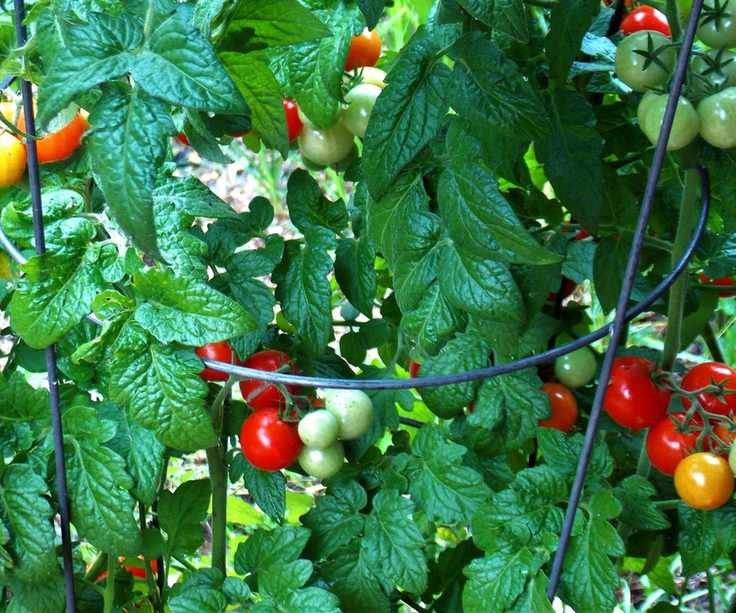
Tomato cages are sturdy and help keep plants contained.
8. Neglecting Pruning
Indeterminate tomato varieties, also known as cordon or vine types, require regular pruning during the growing season. This involves pinching out side-shoots between the main stem and leaves and removing suckers to focus the plant's energy on fruit development.
Pruning prevents a tangled mass of shoots that can inhibit growth and ripening. It also simplifies watering and harvesting tasks. Regularly checking your plants and pinching out young shoots can prevent numerous issues efficiently.
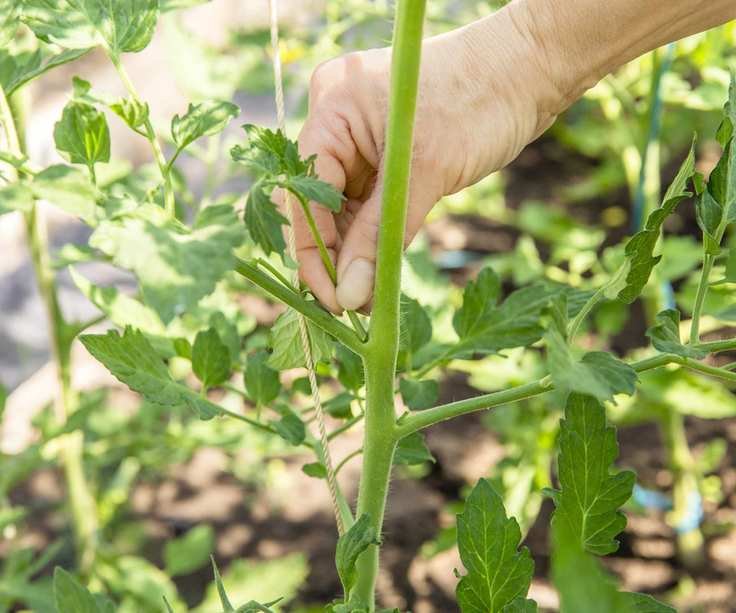
Use your fingertips to pinch out small side shoots.
Tomatoes are a staple for home gardens worldwide. While many common mistakes can occur during cultivation, most are easily avoidable. If you plan to grow tomatoes this season, keep these tips in mind to ensure a bountiful harvest.



