
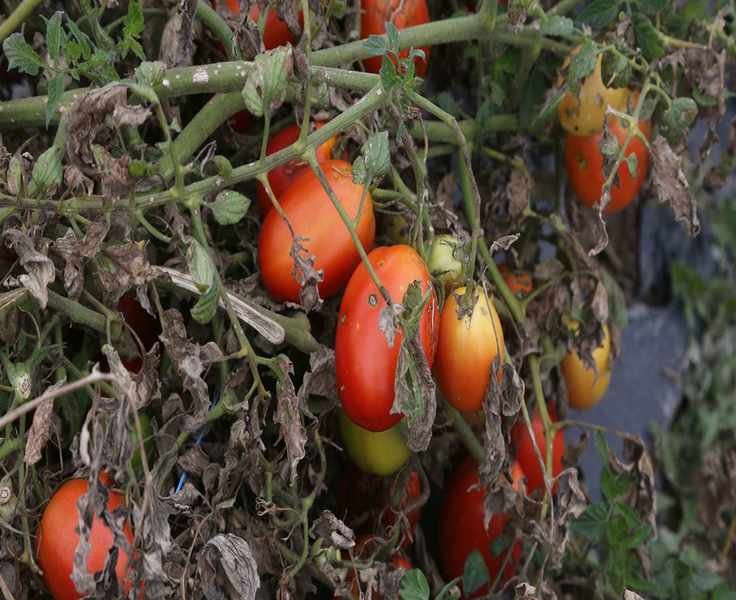
Each year, gardeners seek out effective treatments for tomato blight to help save their beloved homegrown tomatoes.
Even seasoned tomato growers may find themselves battling this destructive plant disease at some point in their gardening journey.
Tomato blight, scientifically known as Phytophthora infestans or late blight, ranks among the most troublesome issues for tomato cultivation. This fungus can also wreak havoc on potatoes, as these plants are closely related.
One moment, your tomato plants may appear vibrant and fruitful, filling the garden with the sweet scent of ripening tomatoes. Then, in just a few days, blight can decimate your plants, spreading rapidly and leaving devastation in its wake.
Equipped with the right knowledge, you can take proactive steps to avoid this disease or learn how to treat it effectively if it strikes.

Tomato Blight Treatments for Indoor and Outdoor Plants
Since tomato blight spreads through airborne spores and thrives in warm, moist conditions, outdoor tomatoes are generally more vulnerable than those grown in greenhouses or polytunnels.
Thus, tomatoes are a fantastic candidate for greenhouse gardening or other covered growing environments.
However, indoor crops aren't completely safe. With the right conditions, late blight can also affect greenhouse tomatoes, but controlling the environment—like shielding plants from rain—can reduce the risk significantly.
Whether your tomatoes are grown indoors or outdoors, the same treatments for blight apply.
Identifying Tomato Blight
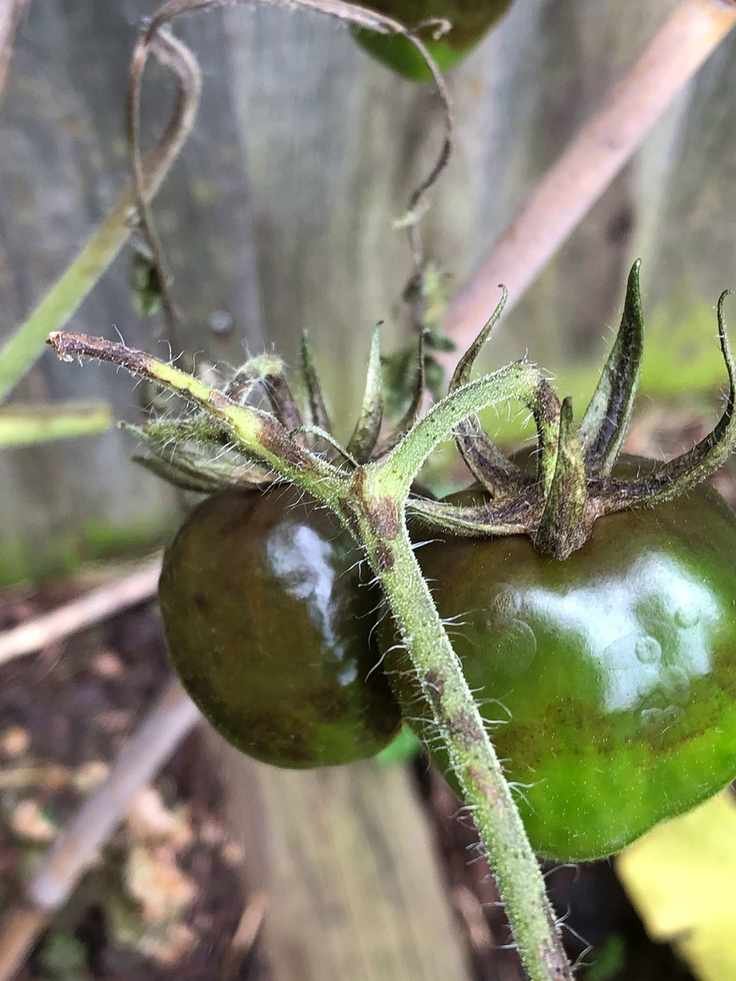
Tomato blight manifests as a fungal infection affecting various parts of the tomato plant.
According to Tammy Sons from Tennessee Wholesale Nursery, "In the initial stages of late blight, the lower leaves are the first to show symptoms, developing black rings of powdery blight, which cause them to turn from pale green to a musty yellow. The infected leaves will eventually drop off. As the blight ascends the tomato vine, brown spots will appear on the tomatoes, and the entire plant may become infested. In the final stages, the tomatoes will rot due to the infection."
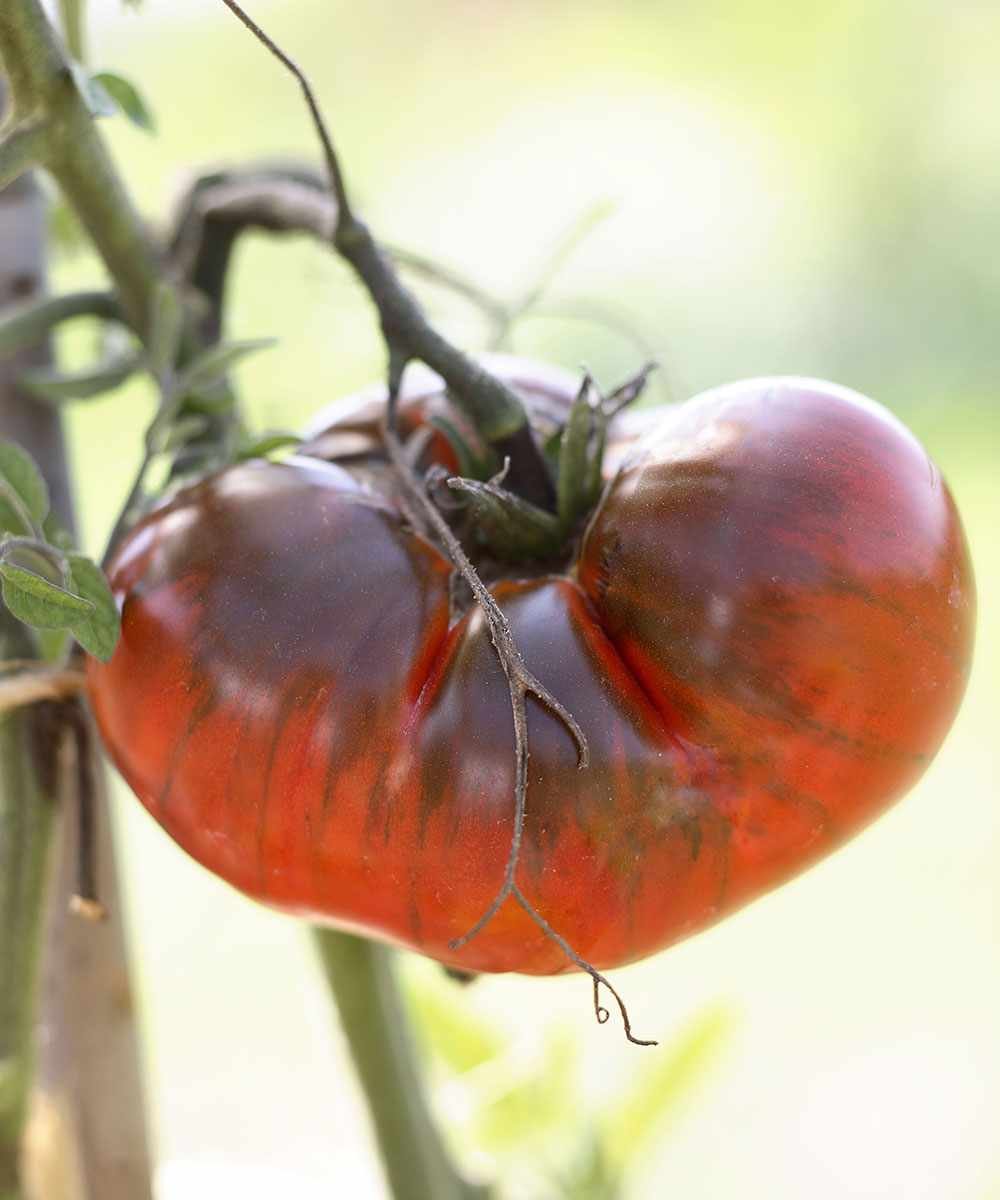
The signs of tomato blight typically appear in this order:
- Small brown spots on the lower leaves of the plant.
- Leaves changing from pale green to a musty yellow.
- Infected leaves dropping off.
- Brown spots on the stems and branches of the tomato plant.
- Tomatoes developing deep brown, sunken spots.
- Declining plant health, with branches collapsing and turning mushy.
Tomato blight can kill a plant within a week, so vigilant monitoring for any signs is crucial, and prompt action is necessary upon detection.

Preventing Tomato Blight
While it's impossible to completely eradicate tomato blight, there are several preventative measures you can take.
As Simon Crawford, a breeder at Burpee Europe, notes, "There are no chemical solutions available to home gardeners for tomato blight."
Instead of relying solely on treatments after your plants are affected, Simon recommends two key strategies: managing the environment and using resistant tomato varieties.
Environmental Controls to Prevent Blight
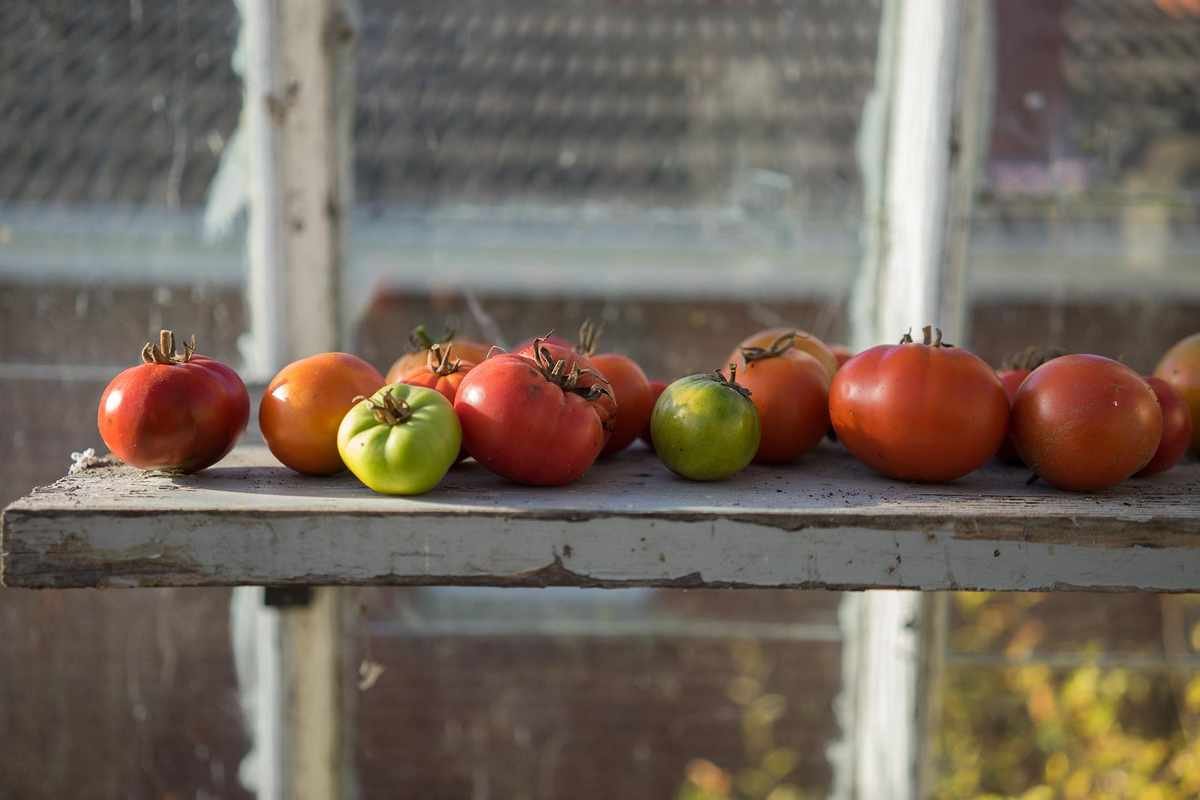
The following environmental strategies can help limit the occurrence or spread of tomato blight:
- Keep tomato plants dry. "Focus on minimizing the time leaves remain wet. Trimming foliage and side shoots can enhance air circulation and expedite the evaporation of moisture," advises Simon Crawford. Proper pruning techniques are essential.
- Ensure good ventilation. If growing in a greenhouse or polytunnel, maintain adequate ventilation to prevent excessive humidity. Similarly, choose a well-ventilated location for outdoor tomatoes.
- Support plants with stakes. Use stakes to elevate bush tomato plants off the soil to prevent contact with wet ground. Regularly tie up cordon tomatoes with soft twine to promote air circulation. "Bush varieties in pots can be trimmed and partially supported with bamboo canes to avoid dense foliage," Simon explains.
- Remove lower leaves as fruits develop. This keeps leaves off damp soil, enhances air circulation, and maximizes sunlight exposure for ripening tomatoes.
- Water plants in the morning. Morning watering helps prevent dampness overnight. Aim to water the soil directly, keeping leaves dry.
- Choose disease-free planting locations. Avoid planting tomatoes in soil or compost that has previously housed diseased plants. "Tomato blight spores can persist in the ground for 3 to 4 years, leading to recurring issues," warns Tammy Sons.
- Maintain plant hygiene. Proper composting practices are vital, and eliminate any plant waste to reduce infection risk. Clear out as many old potatoes as possible from your garden plot, Simon advises.
- Rotate your crops. Avoid planting tomatoes and potatoes in the same soil for consecutive years.
Containing the Spread of Tomato Blight
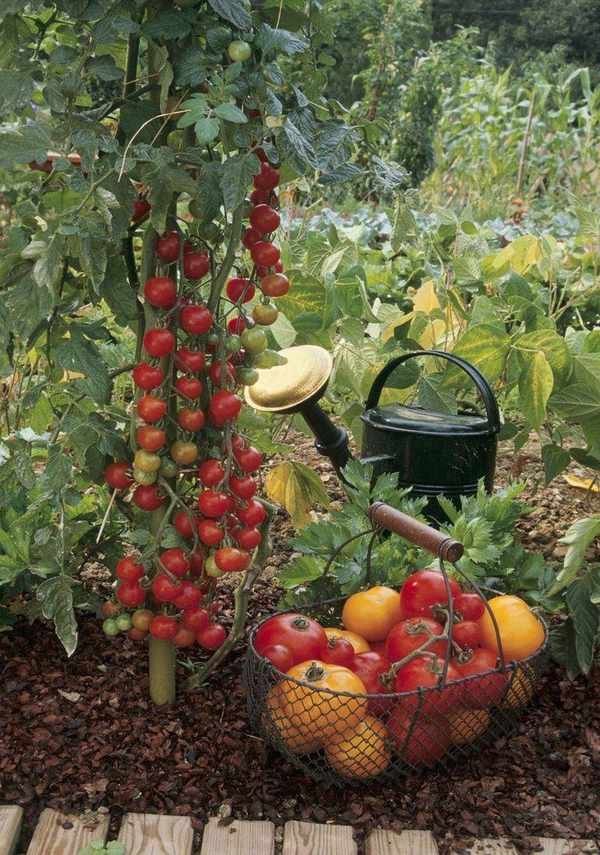
If you discover signs of blight on your plants, the most effective treatment is to remove the infected plants immediately to prevent spreading.
Regular checks on your tomato plants throughout the growing season are critical, especially during warm and humid conditions.
Gardening expert Monty Don suggests, "If possible, burn any blighted plants and tomatoes. Alternatively, if you compost, ensure your system is effective enough to kill the spores," he explains in a video for Gardeners' World.
Avoid planting tomatoes next to potatoes, as they are also susceptible to late blight. Instead, choose compatible companion plants for your tomatoes.

Are Blighted Tomatoes Safe to Eat?
If your tomato plant is infected, it's best to avoid consuming any visibly affected tomatoes. However, ripe tomatoes that show no signs of blight remain safe to eat.
Monty Don advises harvesting any green tomatoes without blight signs. These can be utilized to make green tomato chutney.
Choosing Blight-Resistant Tomato Varieties
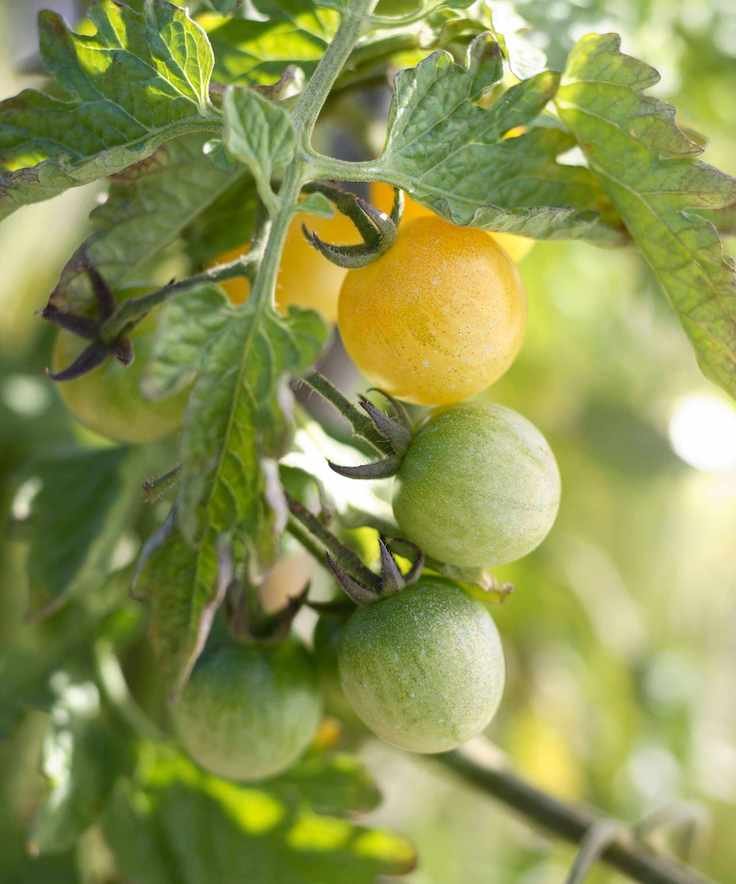
Many modern tomato varieties have improved disease resistance and earlier ripening, making outdoor cultivation easier, according to Simon Crawford.
Several varieties have been bred specifically for blight resistance. Simon lists:
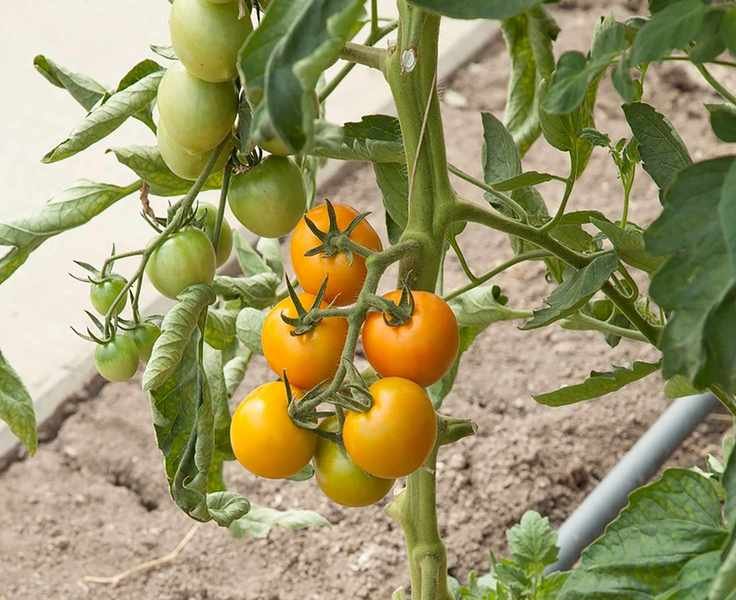
Tomato 'Merrygold': The first blight-resistant orange variety, producing a high yield of bright orange tomatoes.
Tomato 'Cocktail Crush': This variety exhibits strong blight resistance and is ideal for outdoor growing.
Tomato 'Crimson Blush': A sweet blight-resistant beefsteak tomato.
Tammy Sons also recommends several more blight-resistant varieties: "Tommy Toes are flavorful heirloom red cherry tomatoes; the Legend variety is a red beefsteak favored by many commercial growers; Juliet is a small hybrid red tomato; and Manyel is a low-acid yellow tomato."
Research various options to determine which blight-resistant varieties suit your garden.
Using Baking Soda for Tomato Blight Treatment
Some gardeners advocate for a baking soda treatment for tomato blight.
The US Department of Agriculture recommends the following solution to prevent or treat the disease:
Mix the following in one gallon of water:
- One heaping tablespoon of baking soda;
- One teaspoon of vegetable oil;
- A small amount of mild soap.
Spray this solution onto your tomato plants and reapply regularly for best results, according to the USDA.
While there's no guaranteed way to stop tomato blight entirely, these methods can significantly reduce the risk of infection or help contain its spread across your crop.
Consider these strategies as you plan your vegetable garden.



