
While nagging might get kids involved in household tasks, fostering a positive attitude towards chores is far more effective. When children view chores as beneficial, they're more likely to embrace the responsibility both now and in the future.
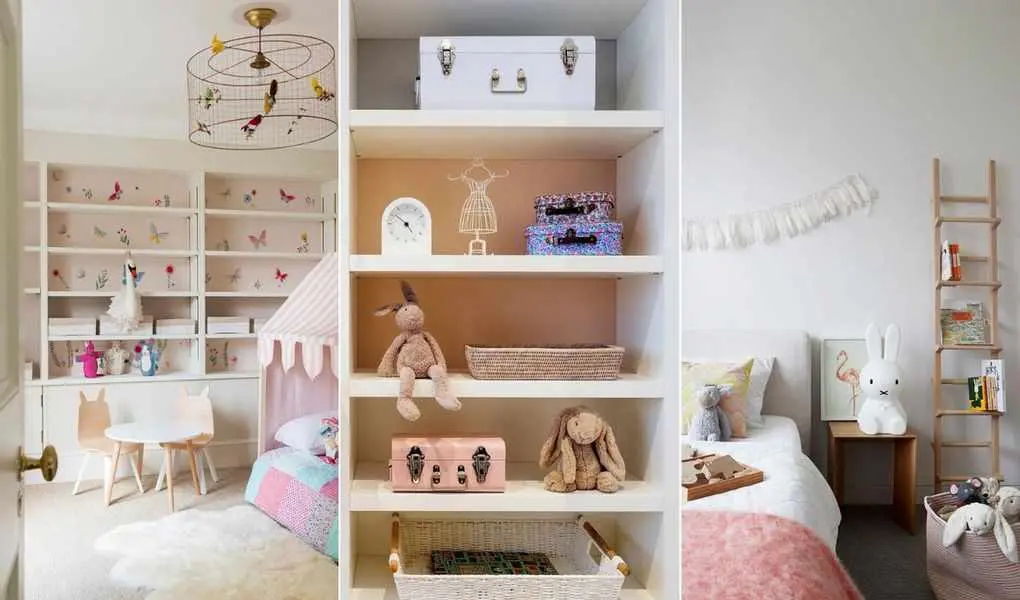
Before you hand out a list of tasks, it's crucial to arrange your home with children in mind. This ensures that tasks are suitable for their age and manageable. Remember, the main goal is to build their confidence and establish lasting habits that help maintain a tidy home.
'Kids raised in environments where everyone contributes are more likely to appreciate the importance of responsibility as adults. Initially, you may face some resistance, but keep in mind the three Ps: 'persistence', 'patience', and plenty of 'praise'!' advises Gabriella Dyson, a professional organizer.
Introducing Children to Chores
Getting children accustomed to chores can feel overwhelming, much like encouraging your family to declutter. Here are our top tips to make sure everyone is eager to lend a hand.
1. Promote Teamwork

Distributing chores fairly among family members is vital. Tasks should vary based on age; for instance, while a toddler may not be able to load the dishwasher correctly, they can tidy their toy area.
'It's unfair to expect one person to handle all the chores—everyone should contribute. Hold weekly family meetings to create a schedule; if someone has a busy week, they can take on extra tasks later. This fosters a supportive family atmosphere where assistance is freely given,' explains Jessica Litman, founder of The Organized Mama.
2. Simplify Tasks
Just as adults can feel overwhelmed by complex chores, children can also struggle with difficult tasks. To build their confidence, create an achievable cleaning routine by keeping tasks straightforward.
For example, when organizing a child's bedroom, breaking the task into smaller steps (like sorting clothes for laundry, organizing toys, or making the bed) makes it feel more manageable,' says home organizer Laura Price, founder of The Home Organisation.
The more success they achieve, the more motivated they will be to continue. As their confidence grows, you can gradually increase their responsibilities.

Aaban Toy Organizer | $112.99 at Wayfair
This toy organizer is perfect for keeping clutter at bay and is designed for little ones to manage their toys independently.
3. Provide Guidance
Don't assume your child will know how to complete the chores you assign, even if they seem simple. Everyone starts somewhere! Whether it's decluttering toys or cleaning the bathroom, guide them through each task step-by-step and offer support as needed.
4. Avoid Doing It for Them
We all have our standards for cleaning, and it can be tempting to take over if your child isn't meeting them. However, this is counterproductive when trying to motivate your family to clean.
'If you finish the task for them, you send a message that teamwork isn't valued, and they won't learn the correct way to do things. Gently point out any areas that need improvement, and don't forget to offer praise for their efforts,' advises Lucy Searle, Content Director.
5. Be Adaptable

It can be challenging, but try not to force your children into chores. The ultimate goal is to nurture a sense of responsibility and willingness to help out.
'Some resistance is to be expected, but if it persists, try allowing your child to choose which tasks to do and when. Keep a chore chart handy (like this one from Walmart) to track their progress. This helps instill a sense of ownership and teaches valuable time management skills,' Gabriella suggests.
Assign chores at the start of the week, giving your child ample time to complete them. Establishing a routine helps them know what to expect.
6. Set a Good Example
Children often mirror their parents' behaviors, so assess your own attitude towards chores. If you tend to procrastinate, your child is likely to do the same. Set a positive example by maintaining a consistent routine and showing enthusiasm—even if you're not feeling it!
'You don't have to wait until your kids are asleep or glued to the TV to tackle your tasks. I prefer my children to see me doing chores, and I always involve them when possible. They often help with wiping tables, sweeping floors, and even argue over who gets to use the handheld vacuum!' says professional organizer and childcare expert, Kathryn Lord.
7. Make It Enjoyable

Tasks like weeding the garden or washing dishes may seem tedious to you, but they can be enjoyable for younger children! Choose activities that spark their interest, emphasizing how they're assisting you.
As children grow, think of creative ways to make cleaning enjoyable. Create a lively atmosphere with music or turn chores into games. Who can toss the most dirty clothes into the laundry basket? Or roll up the clean ones fastest? Award points along the way or time them to see who finishes quickest,' suggests Kathryn.
8. Motivate Creatively
'Chores don't have to be dull—tap into your child's creativity to make mundane tasks feel rewarding.
'My son loves superheroes, so I let him draw himself as 'The Tidy Tornado' on his own cleaning caddy (opt for fun, colorful designs from Amazon). He was so proud of his unique tools, which boosted his enthusiasm and imagination!' shares Steve Au, founder of Scribble Art.
9. Acknowledge Their Efforts

When asking your child to assist, approach them as you would like them to approach you—politely. While many experts recommend against a reward system (since chores are part of daily life), it's crucial to express verbal appreciation once they complete any task.
'Instead of focusing solely on the chore, compliment their hard work or positive attitude—highlight any qualities you want to encourage for next time,' suggests Gabriella.
FAQs
When should children start doing chores?
It's never too early to introduce chores to your children, but it's essential to set realistic expectations based on their age.
'Toddlers (ages 2-3) require substantial guidance and supervision with their chores. Stick to straightforward and safe tasks like putting away toys, wiping up spills, and stacking books,' explains professional organizer and mother of two, Lauren Saltman, founder of Living Simplified.
'Preschoolers (ages 4-5) can follow more detailed instructions. Build on what they learned as toddlers (they can handle these chores independently now) and increase their responsibilities; tasks like placing dishes near the sink, making their bed, matching socks, and feeding the family pet are great examples.
By the time children reach school age, they should be able to complete tasks independently without constant reminders, and by high school, they should be just as capable as you!'
Regardless of age, chores are a part of life. By introducing the concept early, you're helping your children develop positive habits that will enable them to maintain a well-kept home in the future. They may not appreciate it now, but they certainly will one day!



