Accurate hip measurement techniques are essential for finding well-fitting clothing. From jeans to dresses, knowing how to measure your hips ensures comfort and style. For the best results, wear minimal clothing, like underwear, to avoid measurement distortion. This guide covers everything you need to measure your hips correctly, including advice on the right tools and techniques for precise outcomes.
Importance of Accurate Hip Measurements
Whether you're buying jeans, skirts, or custom garments, precise hip measurements guarantee a comfortable fit that flatters your shape. Understanding your hip and waist sizes is vital, particularly for fitted styles. Taking a few moments to measure your hips can greatly enhance both fit and comfort, reducing issues like tugging or slipping. Research shows that those with 'apple-shaped' bodies, where weight is concentrated around the waist, face higher health risks than those with 'pear-shaped' bodies, who carry weight around the hips.
Use a flexible cloth or vinyl measuring tape, avoiding metal ones that lack contour. For comfort, add 2–4 inches for movements. Measure multiple times to ensure accuracy. Stand straight with feet together to avoid inflation in measurements. If measuring for pants, also take a seated measurement to prevent tightness. For better fit, position a ruler or board against your stomach and measure around the hips over this tool if your tummy is prominent. To accurately measure, stand with feet together and wrap the tape around the fullest part of your hips and buttocks, typically 7–10 inches below the waist. Avoid measuring at the hip bones; the largest circumference is what counts.
Keep the tape level and snug, allowing space for one finger underneath. Measure over bare skin or fitted undergarments for accuracy. The best technique is to capture the widest circumference of the hip and buttocks, generally located 7–9 inches below the natural waistline. If measuring for pants, also capture a seated measurement. To measure, stand in front of a full-length mirror to ensure the tape is even. The tape should fit snugly without restricting circulation. Record your measurement for future clothing purchases.
Necessary Tools
A flexible, soft measuring tape: Fabric or vinyl tapes work best for body measurements.
A mirror: Helps keep the tape level and aligned with your hips.
A pen and notepad: Useful for recording measurements accurately.
Understanding Your Body Shape
Knowing your body shape and size is the first step toward achieving a flawless clothing fit. Accurately measuring your hips, waist, and bust is crucial for selecting garments that enhance your figure. With a soft measuring tape, you can easily take these measurements at home, making shopping for clothes more efficient.
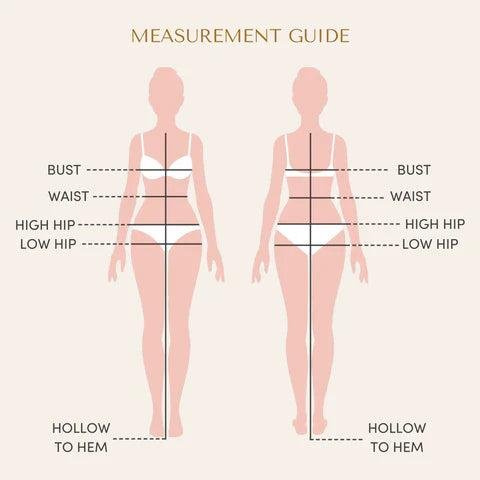
To measure your hips, stand straight with arms at your sides and wrap the tape around the fullest part of your hips, around seven to eight inches below the natural waistline. This includes the bum and rear end. Ensure the tape is parallel to the floor and snug without compressing your body. Have a friend assist for better accuracy. Understanding your measurements can also provide health insights, as waist circumference in relation to hip circumference—known as waist-hip ratio (WHR)—is a significant health indicator.
When measuring your waist, locate the smallest part of your torso, typically just above the belly button. Stand straight and wrap the tape around your natural waist for reliable results. For your bust, measure around the fullest part of your chest, keeping the tape straight across your back. This helps in finding the right bra size and fits for tops. Don't forget your inseam, which is the length from the top of your inner thigh to the floor, essential for selecting pants or skirts.
Understanding your body's dimensions is crucial not just for fitting but also for health assessments. Waist-hip ratio and body mass index (BMI) are key metrics used to evaluate health risks. Maintaining a healthy shape contributes significantly to overall well-being.
Locating Your Hip Measurement Point
Finding the correct spot for hip measurement is vital for accuracy. Begin by standing in front of a full-length mirror with feet together and arms relaxed. Identify the widest part of your lower body, typically between your bum and natural waistline, about seven to eight inches below your waist.
To measure your hip circumference, use a flexible cloth tape. Wrap it around the fullest area, ensuring it remains parallel to the floor and sits evenly. The tape should fit snugly but not compress your skin, providing the most accurate measurement.
Your body type can influence the location of your widest point, affecting garment fit. Understanding your shape helps with selecting flattering styles. Additionally, waist circumference is important for assessing body fat distribution and potential health risks. Comparing waist and hip measurements helps determine waist-hip ratio, crucial for health evaluations.
Step-by-Step Hip Measurement Guide
- Stand Properly: Stand with feet together and arms relaxed. Measure on bare skin or thin clothes, ensuring the tape is snug but not tight.
- Identify the Widest Part: Measure around the largest part of your hips and bum, typically seven to eight inches below your waist.
- Align the Tape Measure: Ensure the tape is snug and level, checking in the mirror for accuracy.
- Record Your Measurement: Look down for a clear reading and note the number, rounding to the nearest quarter-inch if necessary.
Tips for Accurate Measurements
- Use a Mirror: This helps detect twists or uneven placements that can affect accuracy. Having someone assist can further enhance precision.
- Measure Twice: Repeat the process to ensure consistency. If results vary, it may hinder your ability to find the right fit.
- Account for Body Shape Changes: Take new measurements every 4-6 months as body shapes can fluctuate.
Avoiding Common Mistakes
- Don't Measure Over Bulky Clothing: Thick fabrics can distort measurements.
- Avoid Overly Tight or Loose Tape: A snug, level tape gives the best results.
Using Your Hip Measurement
Once you've measured your hips, this number is crucial for checking sizing charts across different brands, as hip sizes can vary. Accurate hip width is vital for fitting pants and ensuring comfort. Different brands may have varying sizing standards, so understanding your body type can aid in selecting the right fit. Reviewing sizing criteria can also assist in making informed choices.
Final Thoughts
Learning to measure your hips accurately helps ensure a personalized fit and can simplify shopping or tailoring. By following these steps, you'll have reliable measurements that enhance your clothing fit.