
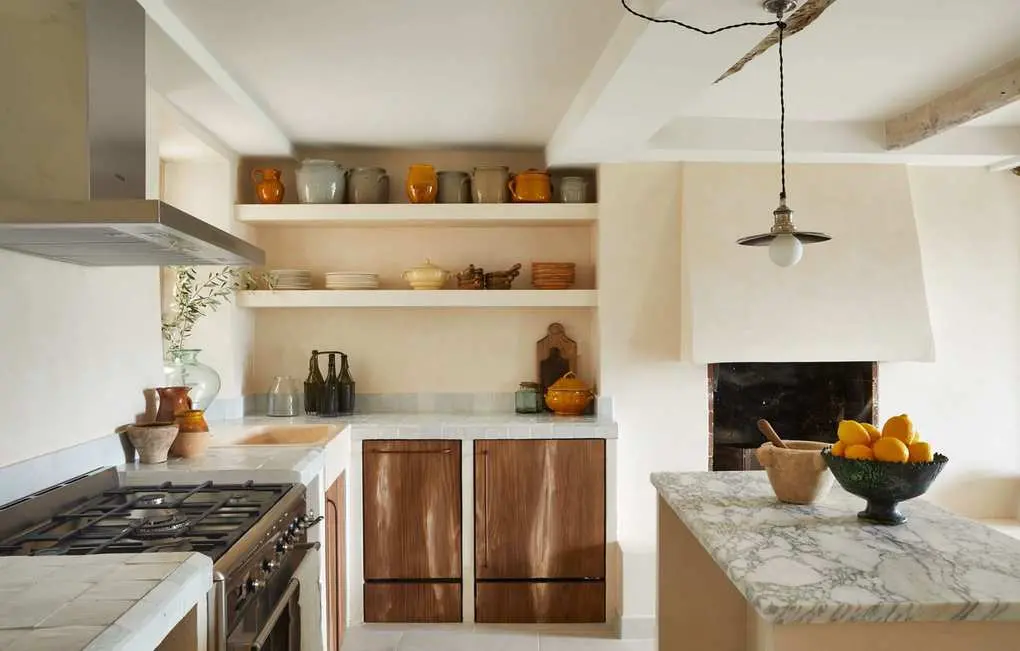
I once had tile countertops in my previous home, inherited rather than chosen. Each day, I found myself cursing the choice, especially when it came to cleaning those uneven and stained surfaces. Yet here we are, witnessing a resurgence of tile countertops, a trend that many thought had faded away.
While the idea of scrubbing grout stains gives me pause, I can't help but admire those stunning rustic kitchens that feature tile. Maybe there's a way to make tiled countertops work in today's homes. To find out, I consulted kitchen professionals and designers.
Are Tile Countertops a Practical Choice?
Practicality is key when deciding on kitchen design elements. The first question is whether tiled countertops can fit into a functional kitchen. Are they safe and hygienic? Will they endure daily kitchen challenges?
"Tile countertops, popular in the 70s and 80s, are back in style," shares Ben Burbidge from Kitchen Makers. "They're a more affordable alternative to solid surfaces, offering extensive customization with various sizes, shapes, colors, and materials. You can create a unique finish quite easily."
Colin Roby-Welford, Creative Director at Fired Earth, notes, "Durability is crucial when selecting any countertop. Tiles can be an excellent option if they are robust enough for daily use. Although they seem resilient on walls, countertops face much harsher conditions."
"Many wall tiles have fragile glazes that won't hold up to heat and scratches. Porous stones require sealing to prevent stains. If upkeep is an issue, opt for non-porous porcelain tiles instead."
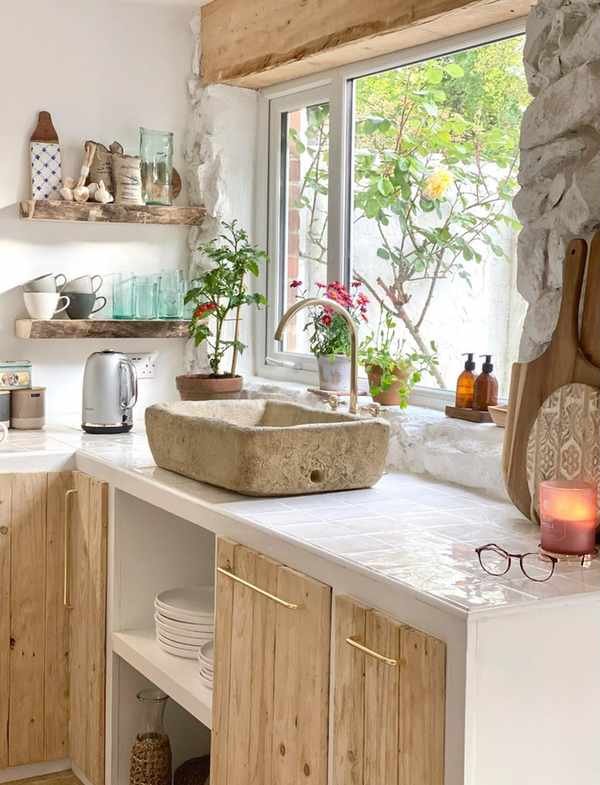
Peter Irvine, known as @thewhitehome, chose tile for his kitchen countertops to add texture and enhance the rustic aesthetic. "We adore our tiled countertops! They reflect timeless traditions, and I prefer unique, traditional decor over modern options. Our stone sink pairs beautifully with the tiles, creating a distinct look we cherish."
"I understand the apprehension regarding tile durability, particularly compared to marble. However, we embraced imperfections with handcrafted tiles, which conceal any wear and tear. It's all about perspective!"
But designer Glenn Gissler argues otherwise. He believes tiles, regardless of type, aren't practical for countertops. "Let's consider hygiene. Grout between tiles attracts bacteria and stains. Plus, many tiles are porous, making cleaning difficult and potentially harmful for food preparation surfaces."
"Fragility is another concern. Tiles can break or chip easily, especially when subjected to heavy pots or accidental drops. If you're after a rustic kitchen vibe, I'd suggest wood with a durable finish. Wood can be refinished, unlike tiles which can crack or stain over time," he concludes.
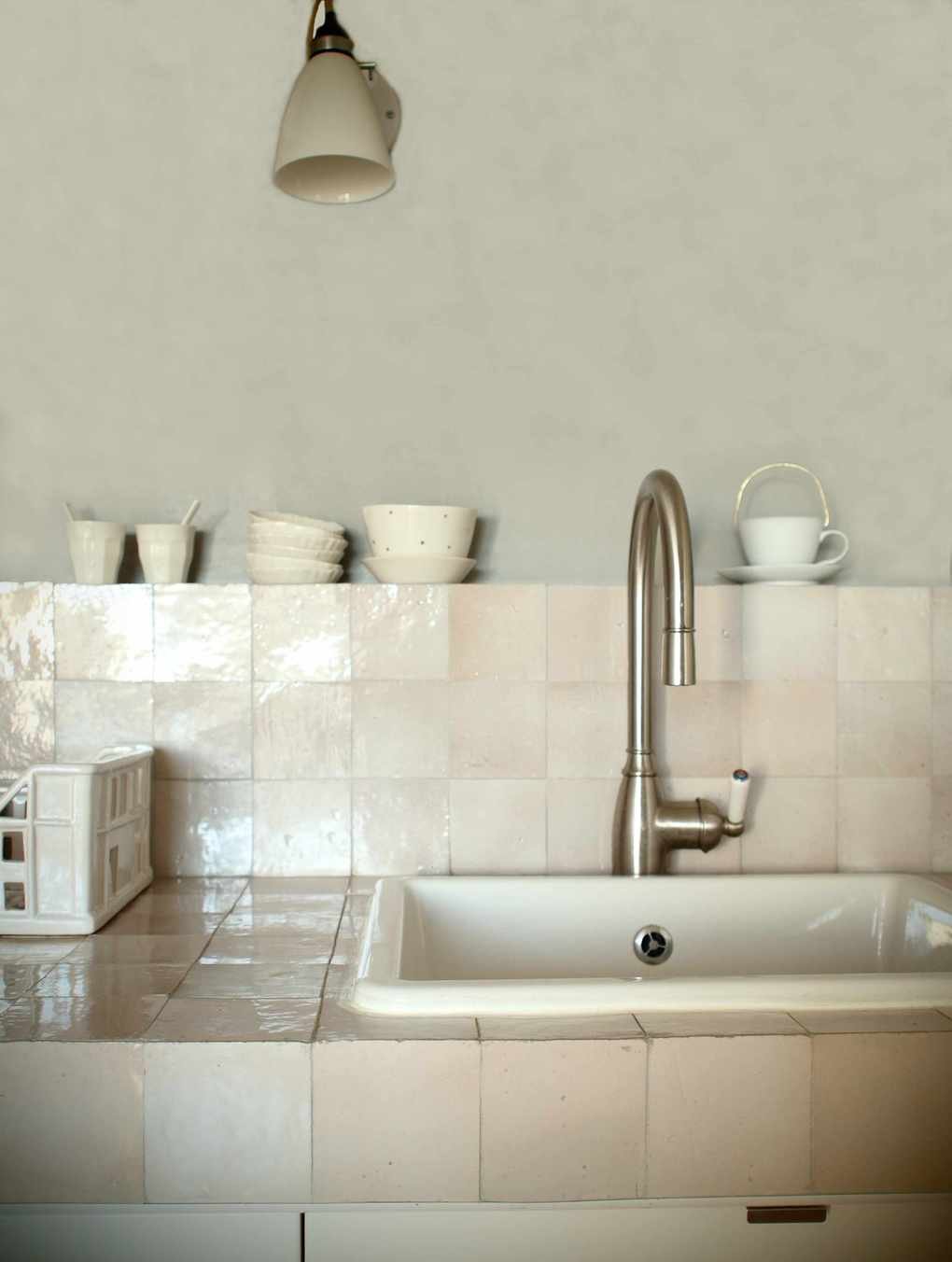
"There are downsides to tile surfaces," Ben Burbidge adds. "They require more maintenance than conventional countertops due to grout, which collects dirt and bacteria. Even with stain-resistant products, grout needs thorough cleaning. Tiles can chip more easily than composites, though replacements are possible."
Global Editor Lucy Searle agrees, stating, "While I appreciate tile's texture and color potential, they aren't practical. Grout lines accumulate debris and stain easily. Reserve tiles for walls and floors; if you must use them, choose dark, water-resistant grout and small, flat-profile tiles to minimize grime collection."
The grout issue was always my main concern. It never felt sufficiently clean for such a heavily used area. Perhaps choosing different tiles and a better grout-to-tile ratio could enhance practicality.
Choosing the Right Tile for Kitchen Countertops
Opinions vary on the practicality of tiled kitchen countertops. However, they can work beautifully if you select the appropriate tile type and size.
Metro-style tiles can add a fresh, timeless touch to kitchens. They integrate well with cabinets and walls, creating a cohesive look, particularly in smaller spaces. Opt for crisp white grout for a clean finish, suggests Colin Roby-Welford.
Designer Benji Lewis states, "While tile countertops evoke rustic villa vibes, they can adapt to various styles. Depending on the tile, you can achieve a retro or industrial aesthetic."
"Get creative with textures; natural stone or slate tiles can look amazing. Just don't stress over achieving a perfectly flat surface. Consider a built-in wood chopping board, as cutting directly on tile isn't ideal," he advises.
"Square tiles installed in even patterns provide a sleeker finish. For a trendy retro effect, opt for glossy square tiles," Benji adds.
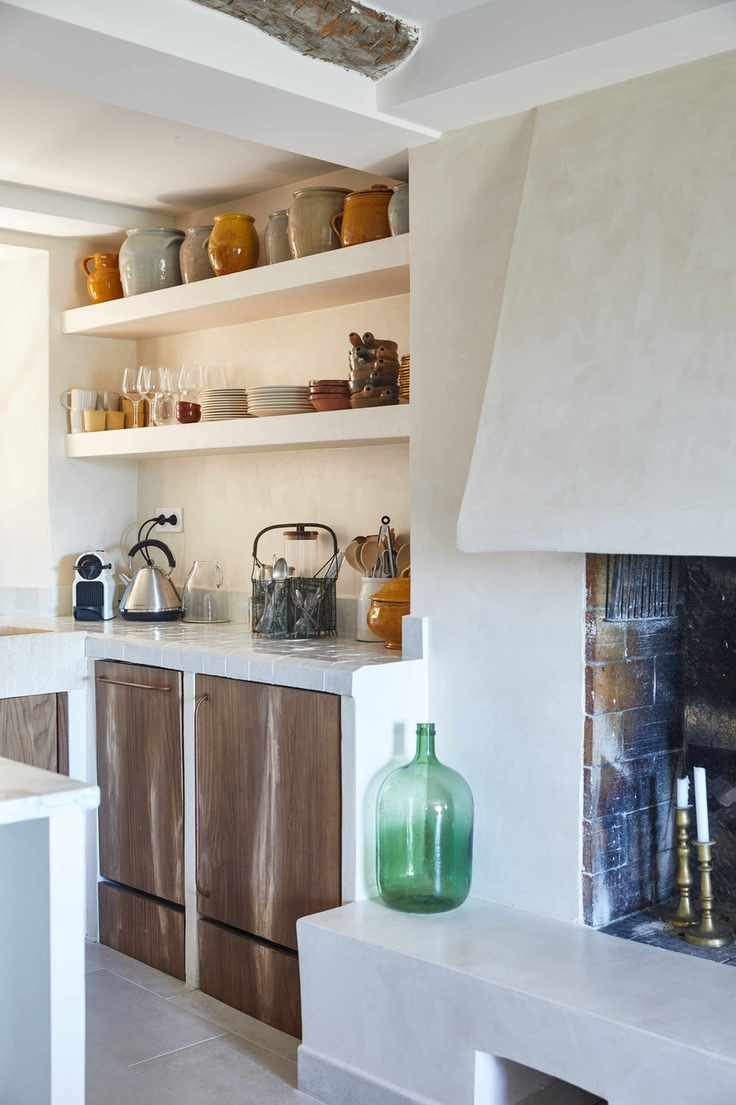
This French kitchen, designed by Katie Lyons, captures the appeal of tile countertops. "After acquiring a derelict townhouse in Saint Paul de Vence, I aimed to preserve its character. Tiling the countertops added a softer, rustic touch. I chose Zellige tiles for their unique textures, although I paired them with a Calcutta marble island for practicality."
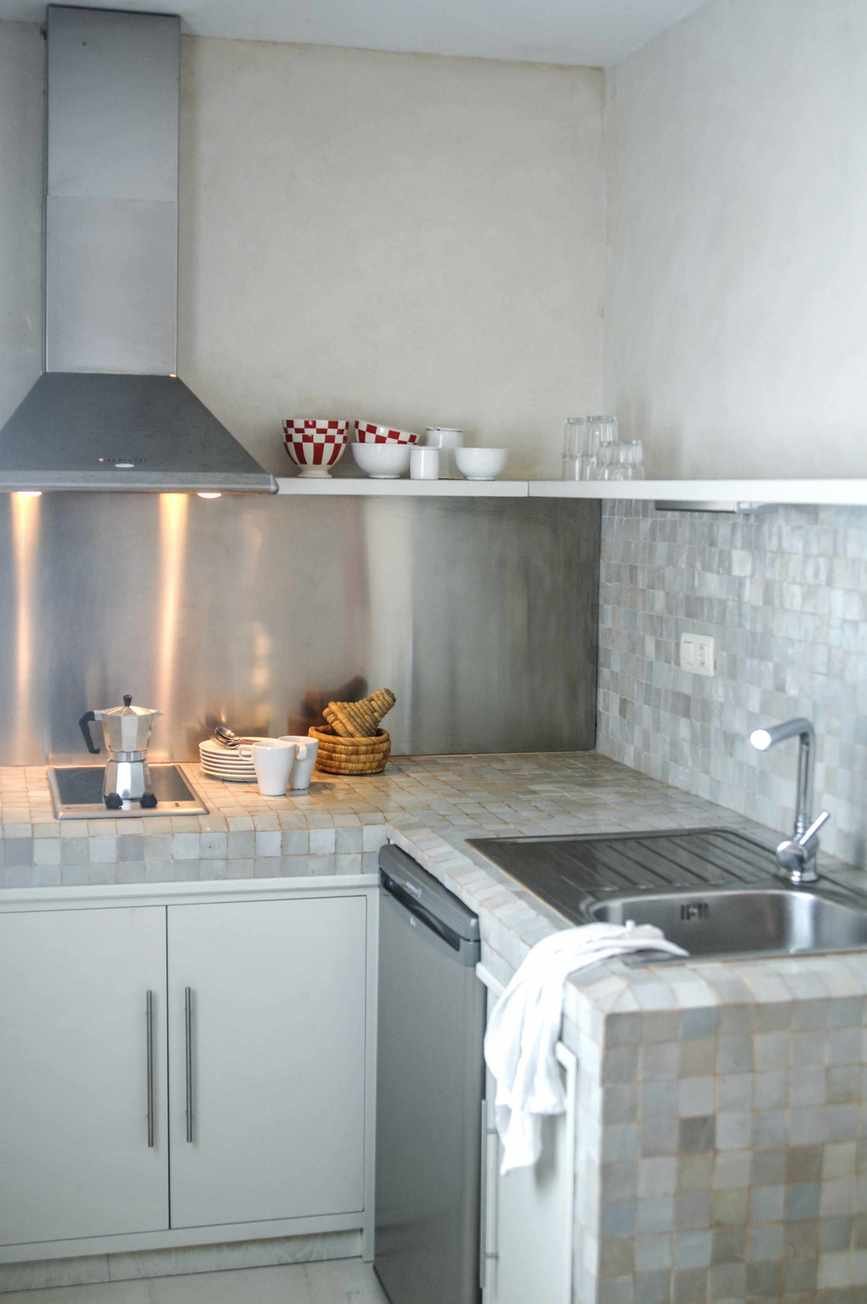
"While many hand-decorated tiles may be too delicate for countertops, porcelain tiles are a durable and low-maintenance option. Patterned tiles are more forgiving than plain marble," remarks Colin.
"Porcelain wood-look tiles offer a natural alternative to wood countertops, combining a realistic appearance with low maintenance. They resist warping and scratching, ideal for busy kitchens. Always follow product recommendations for fitting and sealing to ensure durability," he adds.
Where Are Tile Countertops Best Used?
I've changed my mind. With the right tiles and consistent maintenance, tiled countertops can fit into modern homes. For the best results, place them in less frequently used areas. You'll enjoy the aesthetic without sacrificing practicality.
Consider using tiles on islands, tables, or vanities. "Tiled countertops can be playful with numerous tile options available. However, be cautious about grout maintenance and potential cracking over time," share Jen and Mar from Interior Fox. "They're better suited for a bar, kitchenette, or an island that sees less cooking action."

Are Tile Countertops Affordable?
Yes, tiles can be a cost-effective option compared to solid wood, marble, or stone. However, pricing depends on your material choices; simple ceramic tiles keep costs down. Even porcelain or marble tiles can be cheaper than solid surfaces if used selectively.
Additionally, tiles can be easily replaced. If you damage a tile, you can replace just that piece rather than replacing an entire countertop.
Can You DIY Tile a Kitchen Countertop?
Experienced DIYers may tackle tiling a kitchen countertop, but skill levels vary with different tile types. Basic ceramic tiles are straightforward, but textured or uneven tiles like Zellige may require professional help.
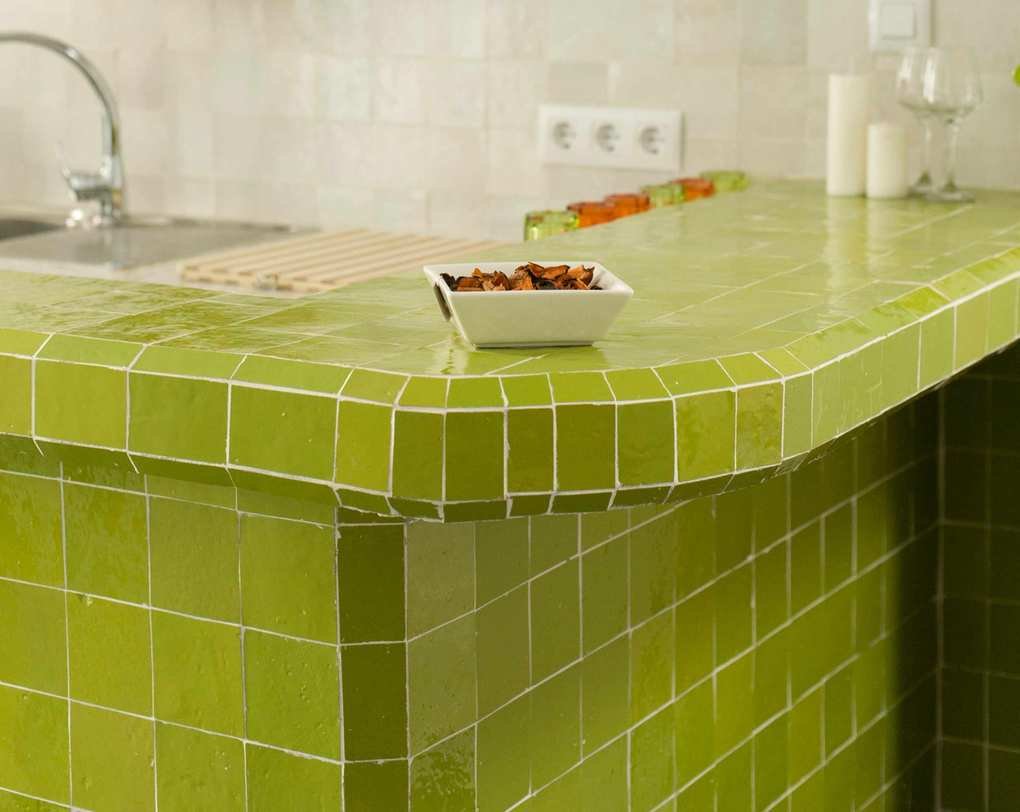
Unlike walls or floors, countertop edges can be tricky to tile neatly. Trims or grout can simplify the process, but they may alter the aesthetics. "Focus on tile joints and edges. Ensure the surface is solid and ready for tiling. Use porcelain tiles and minimize cuts and joints. Epoxy grout works best, and metal trims protect exposed edges," advises Diane Hyde from Craven Dunnill.



