

Cleaning an oven can be quite the challenge. With grease, grime, and burnt food residues, it often takes more than a simple wipe-down to restore its shine.
The built-in 'self-cleaning' option might appear to be a convenient solution, but experts caution that it could actually harm your appliance and lessen its longevity. It's a function best left unused.
To uncover the reasons behind this advice, we consulted an appliance specialist who shared insights on why this method is risky and how to minimize the need for frequent cleanings.
Reasons to Avoid Using Your Oven's Self-Cleaning Feature
Among various cleaning hacks, why is this built-in feature considered a mistake to avoid? It's crucial to understand the potential consequences.
Glenn Lewis, an appliance expert at a well-known repair service, explains, 'The self-cleaning cycle operates at extremely high temperatures, which can cause damage to older or worn components of your oven.'
This high heat can lead to severe malfunctions, which might indicate it's time to replace your old appliance.

While the self-cleaning option is designed for light cleaning between deeper cleans—typically recommended once a month—it often results in the need to call professionals for repairs.
Lewis adds, 'Depending on part availability and the scheduling of repair technicians, your oven could be out of commission for a day, a week, or even longer.'
However, if you decide to use the self-cleaning feature, ensure you carefully follow the guidelines in your user manual. 'There's nothing wrong with using the self-cleaning cycle, but be aware that a malfunction could leave you without your oven for a few days,' he cautions.
If you'd rather avoid that risk, Lewis suggests reducing the need for cleaning by using covers or lids on dishes and taking care to prevent spills while cooking.
Using baking sheets or foil, like the Amazon Basics Heavy Duty Aluminum Foil available at Amazon, can also help catch spills, but remember to clean up promptly. Avoid pouring cooking oils and fats down the sink; dispose of them in the trash once cooled.
Regularly cleaning your oven racks with dish soap, ammonia, or a commercial cleaner like the Easy-Off Fresh Scent Heavy Duty Oven Cleaner available at Target is also a good practice.
If you prefer eco-friendly cleaning methods, consider using vinegar, baking soda, or even aluminum foil as a scrubber for tough stains.
For a chemical-free approach to oven cleaning without relying on the self-clean feature, our green-cleaning guide offers professional tips to achieve a grease-free appliance.
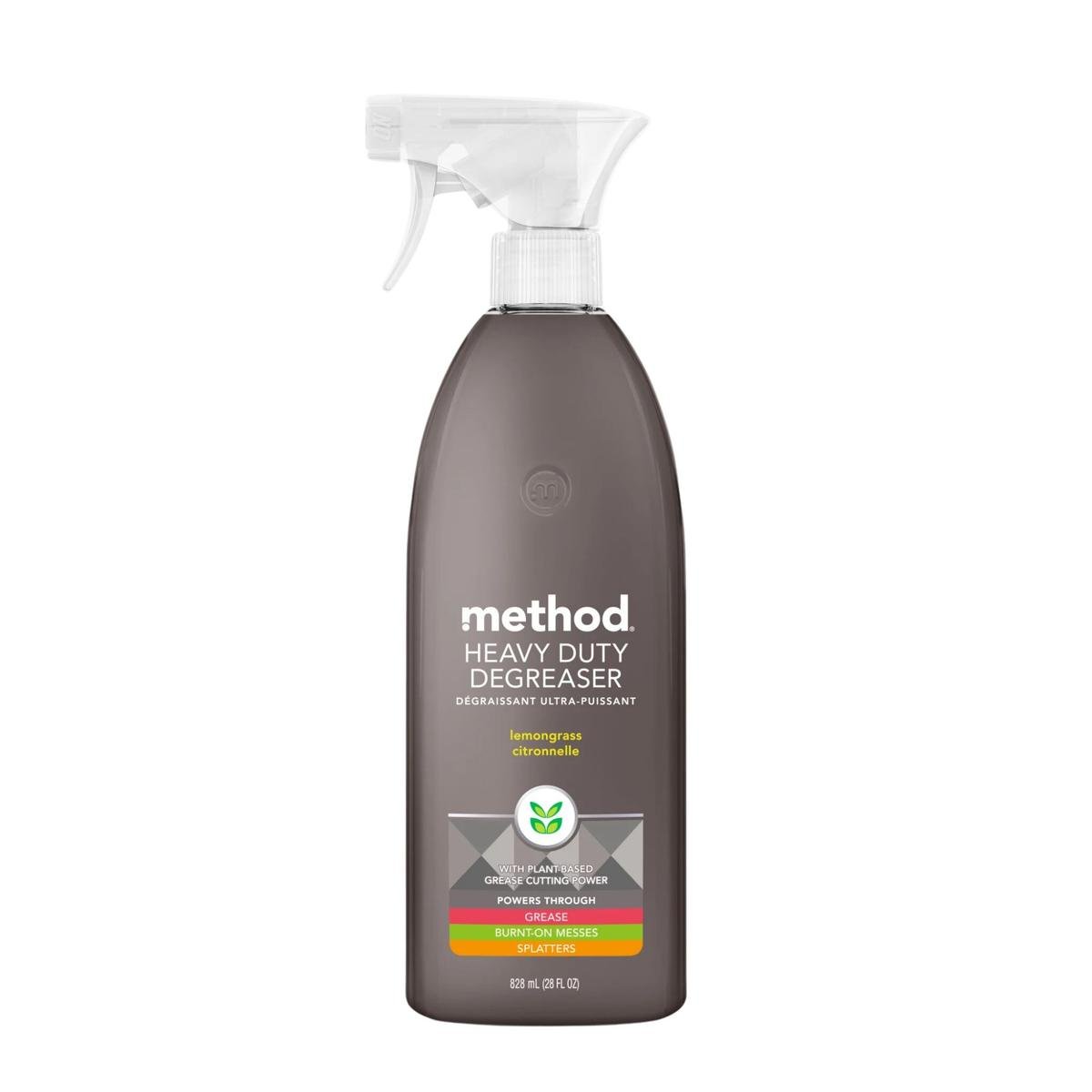 Plant-based cleaning power
Method Heavy Duty Degreaser
This powerful degreaser shows that you can clean your oven effectively without harsh chemicals, tackling grease and tough stains with ease.
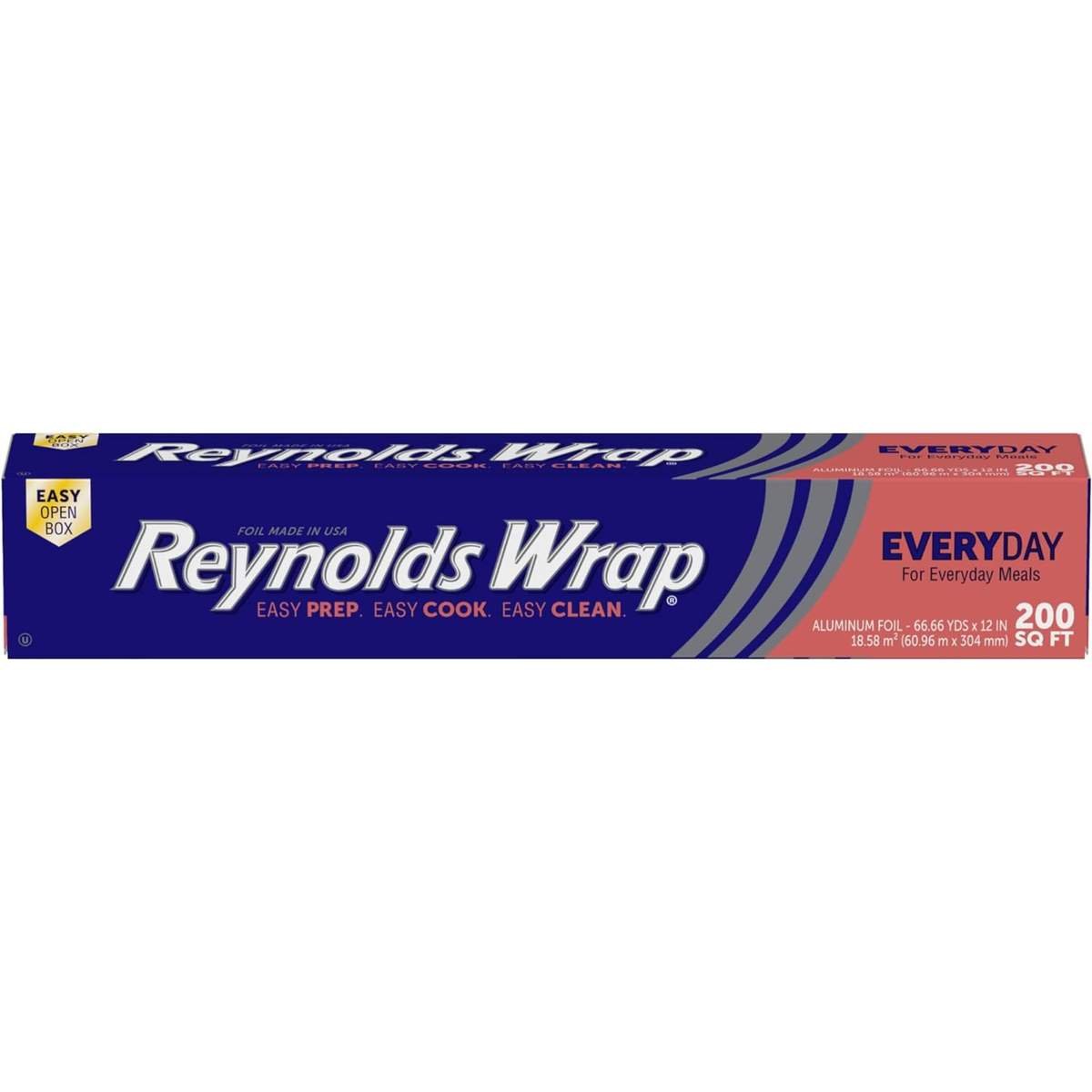 Easy-tear edge
Reynolds Wrap Aluminum Foil
This versatile kitchen staple is perfect for protecting sheet pans, wrapping food, and keeping meals warm while hosting.
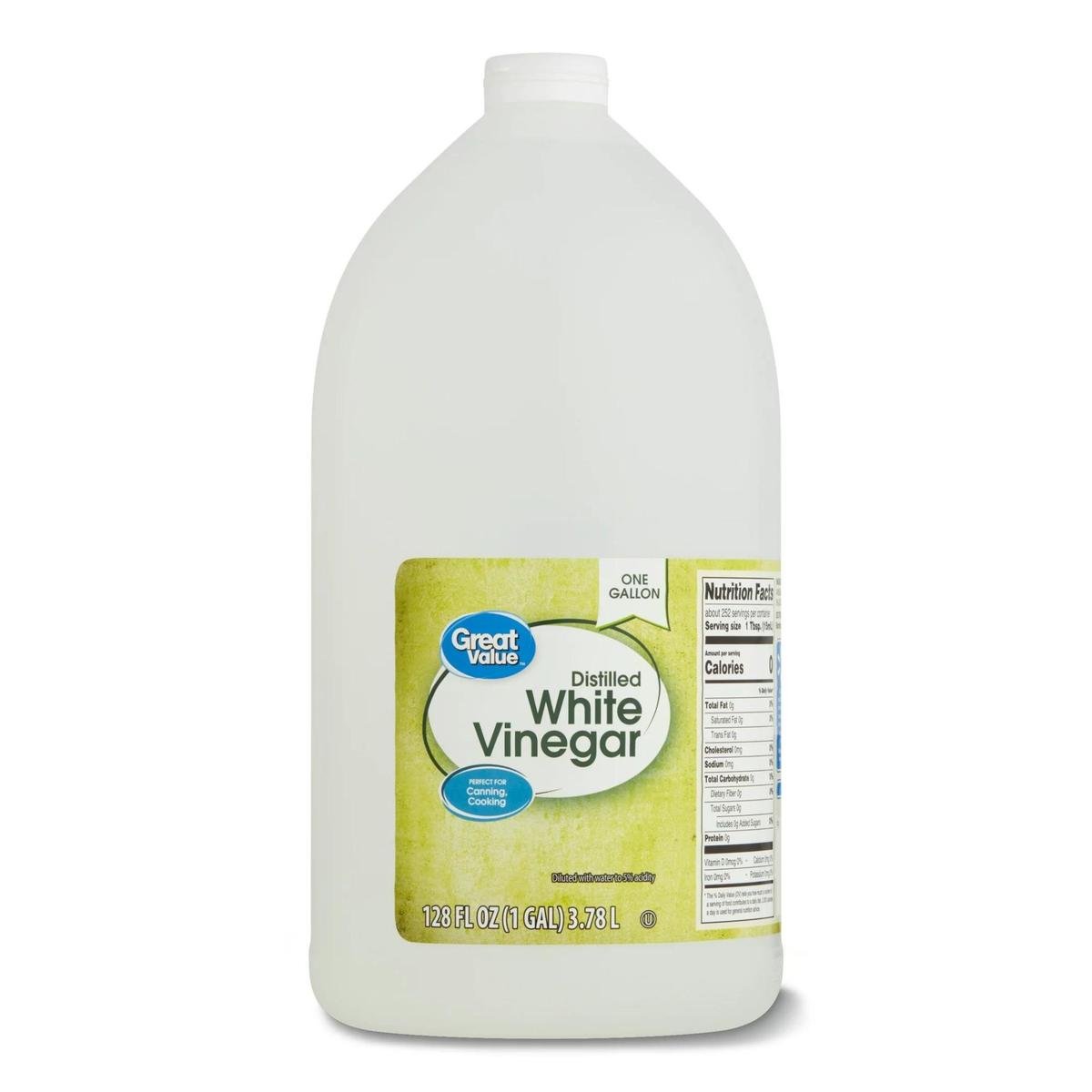 5% acidity
Great Value Distilled White Vinegar
This vinegar, distilled to 5% acidity, effectively cleans your oven without causing damage. It's also suitable for cleaning stainless steel cookware.
FAQs
Is it safe to use a self-cleaning oven?
If your oven features a self-cleaning option, you can safely clean it through alternative methods as using it isn't mandatory. Try cleaning with lemon for a streak-free finish.
While oven cleaner is an essential cleaning supply, there are some practices to avoid, like using it on oven doors or attempting to unclog sinks. Knowing these tips can help prevent damage to your home.
Next, discover the costly errors that could be shortening your appliance's lifespan.



