Choosing effective non-toxic cleaning products can be overwhelming with countless options available. Thankfully, experts provide guidance on selecting safe supplies for your home.
They outline what to avoid, what to purchase, and how to create your own cleaning solutions for a non-toxic home.
Choosing Non-Toxic Cleaners for Your Home
You don't need harsh chemicals to clean. Selecting the right cleaning supplies requires understanding which ingredients to avoid and why.
Hector Stewart, CEO at Baltimore HCS Home Cleaning Services, emphasizes that non-toxic cleaners are free from harmful chemicals like phthalates, parabens, and chlorine bleach. Instead, they incorporate natural ingredients such as plant-based surfactants, essential oils, baking soda, and vinegar.
These natural alternatives minimize exposure to volatile organic compounds (VOCs) and other toxins, which is crucial for homes with children or pets. Non-toxic products are also biodegradable and come in eco-friendly packaging, reducing environmental impact.
Many reputable brands prioritize ethical practices, avoiding animal testing and using minimal packaging. With this knowledge, you can confidently dive into green cleaning.
Top Non-Toxic DIY Cleaning Solutions

Baking Soda and Vinegar
Combining baking soda and vinegar is a classic cleaning method. Karina Toner, operations manager at Spekless, describes this combo as 'the classic!' Sprinkle baking soda on greasy spots, spray with vinegar, and watch it fizz before wiping clean.
This duo is not just effective but also affordable and readily available. 'I love using this for cleaning kitchen tiles,' Toner adds.
All prices were correct at the time of publication.
 Effective and gentle
Toner recommends these sponges for effective cleaning without scratching surfaces.
 XL Container
Vinegar is a must-have in non-toxic households. A 2020 study confirmed its germ-killing properties, making it ideal for homes with pets and kids.
 Versatile
Baking soda is great for tackling tough stains without scratching surfaces. It's perfect for deodorizing various items like shoes and carpets.
Lemon Juice
Carolina Kazimierski from Sophia's Cleaning Service swears by lemon juice for its grease-fighting power. 'It's a simple hack, and most people already have lemons,' she notes.
Lemon juice contains citric acid, effective in many commercial cleaners. Use it directly or mix with baking soda for stubborn stains.
Try placing lemon halves in the dishwasher for sparkling dishes.
Castile Soap
Castile soap is another favorite among experts. Karina suggests mixing a few drops with warm water in a spray bottle for an all-purpose cleaner. 'It's versatile enough for most surfaces,' she shares.
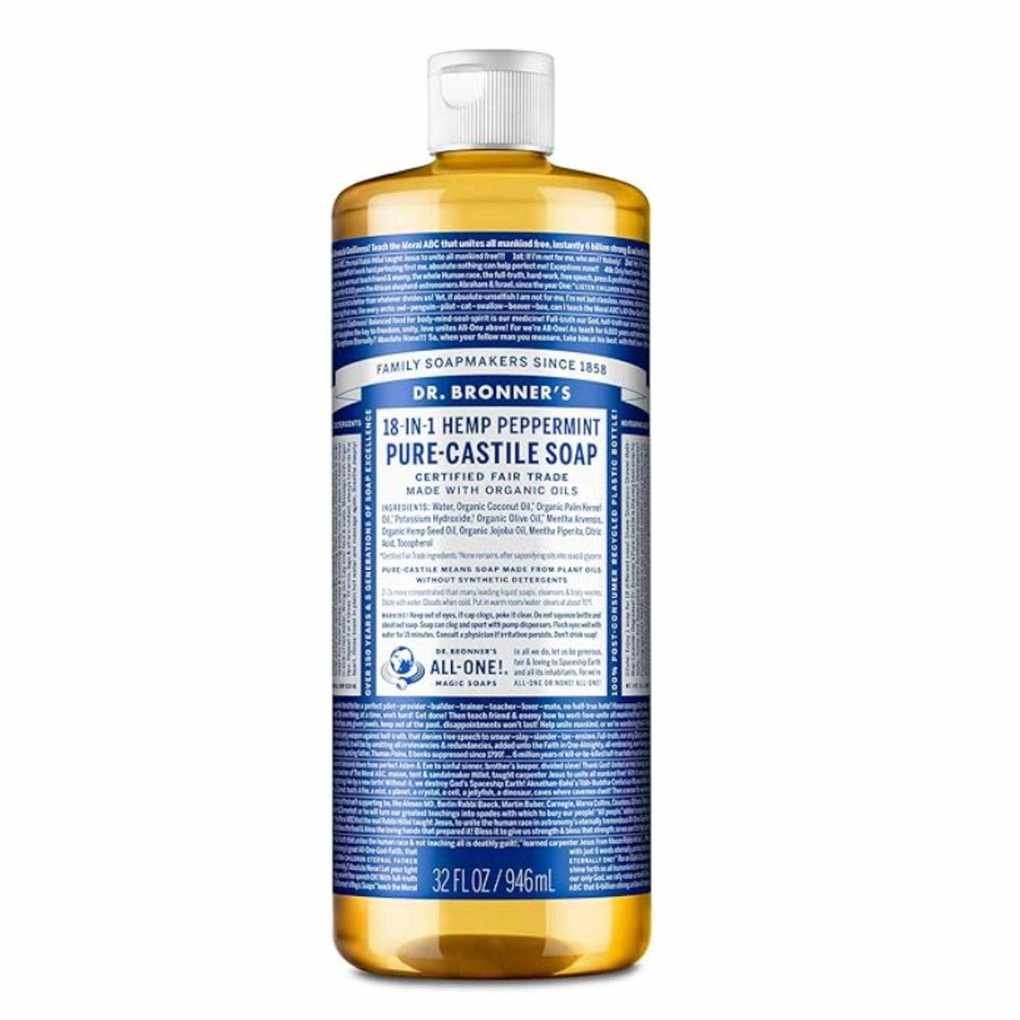 18-in-1 uses
This Castile soap is organic and free from synthetic additives.
Essential Oils
Karina also enjoys using essential oils for a fresh scent while cleaning. A few drops mixed with water can refresh surfaces and eliminate odors.
They can be used for various surfaces, adding a pleasant aroma while cleaning.
Non-Toxic Multipurpose Cleaning Products

Every cleaning kit needs an all-purpose cleaner to effectively sanitize surfaces. Opt for biodegradable products to limit environmental impact.
Many commercial cleaners release VOCs that may be harmful. Karina suggests looking for refillable options to cut down on plastic waste.
 Only at Amazon
Truly Free Everyday Cleaner comes in concentrated packets mixed with water, eliminating packaging waste and harmful chemicals. It's safe for everyday surfaces.
 Several scents available
Mrs. Meyer's Clean Day products are plant-based and safe for various surfaces, made with recycled materials.
 Food grade
Hydrogen peroxide effectively eliminates germs on food-contact surfaces, ensuring safety.
Non-Toxic Degreasing Products

Strong degreasers are essential for kitchen and garage cleaning. However, many contain harsh chemicals that can cause health issues.
Non-toxic alternatives are crucial for maintaining health and safety.
 EWG Certified
Attitude products are EWG certified, ensuring they contain no harmful chemicals.
 Highly concentrated
The Truly Free heavy-duty degreaser is effective against stubborn grime without toxic chemicals.
 EWG Certified
AspenClean's kitchen cleaner effectively tackles grease while being eco-friendly.
Non-Toxic Dish Products

While many dishwasher products are effective, they often contain harsh chemicals. Choosing gentler alternatives is beneficial for both health and the environment.
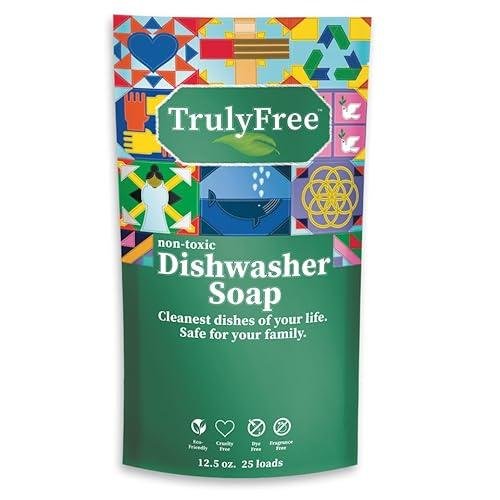 Powder form
Truly Free's dishwasher powder is a healthier choice, free from harmful residues.
 Pack of 45
Seventh Generation packs offer a powerful clean using plant-based ingredients.
 EWG Certified
Attitude's dish soap is gentle on skin and effective for hand washing.
Non-Toxic Bathroom Products

Cleaning bathrooms can be challenging, but non-toxic products make the task less harmful. Avoiding bleach protects your health and the environment.
Seventh Generation bathroom cleaners are EPA Safer Choice certified, ensuring safety and efficacy.
 Safe for mirrors
This glass cleaner contains essential oils and is free from harsh chemicals.
 Bleach alternative
Eco-friendly toilet cleaners are safer and more effective than bleach.
 Lemongrass Citrus Scent
This disinfecting spray is perfect for maintaining sanitary bathroom surfaces.
Non-Toxic Laundry Products

Some laundry products may contain harmful substances that affect skin and respiratory health. Using non-toxic options can alleviate these concerns.
 Pack of 36
AspenClean pods are EWG certified and come in eco-friendly packaging.
 Dermatologically tested
Ecover is a trusted choice for sensitive skin, preventing flare-ups.
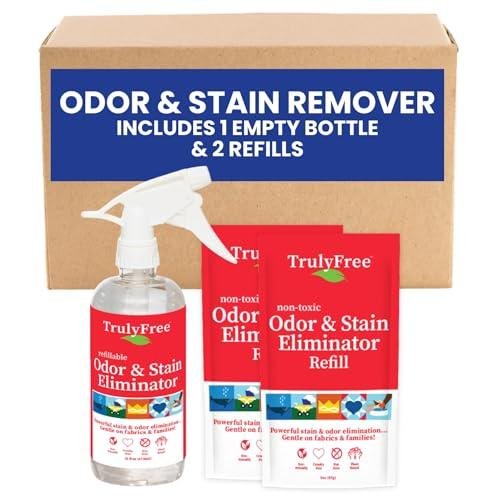 Stain treatment
This odor and stain eliminator is eco-friendly, perfect for homes with pets.
Non-Toxic Pool Cleaners

Maintaining pools can often involve harsh chemicals. However, there are non-toxic, enzyme-based solutions available.
Jeremy Yamaguchi, CEO of Cabana, mentions that Natural Chemistry Pool Perfect is an excellent option for maintaining clean water without toxic additives.
Non-Toxic Cleaning Tools

Steam Cleaners
Steam cleaners offer a chemical-free way to disinfect surfaces. Will Cotter from FreshSpace Cleaning states that steam effectively sanitizes areas without harmful chemicals.
For hard floors, the Bissell PowerFresh Steam Mop from Wayfair is a recommended choice.
Reusable Mops and Cloths
Switching to reusable mops and cloths minimizes waste significantly. Blanchard highlights that microfiber cloths are effective and can be washed multiple times.
Using microfiber reduces the need for harsh cleaning products, making it a sustainable option.
HEPA Filter Tools
Incorporating HEPA filters in vacuums enhances indoor air quality. These filters capture nearly all airborne pollutants, contributing to a healthier environment.
The Shark Pet Pro Cordless Stick Vacuum from Walmart is a great example of a vacuum with an anti-allergen HEPA filter.
Ingredients to Avoid in Cleaning Products

To maintain a non-toxic cleaning routine, be aware of ingredients to avoid. Samara Geller from the Environmental Working Group advises looking for EWG VERIFIED products, which meet the highest safety standards.
Ambiguous Ingredients
Products that do not disclose their ingredients can be problematic. Avoid vague terms like 'fragrance' or 'surfactant.'
Ammonia
Ammonia, commonly found in glass cleaners, can irritate the respiratory system and skin. Opt for alternatives like vinegar or citrus cleaners.
Perchloroethylene
This chemical is often found in dry cleaning and can be harmful. Instead, consider steam cleaning or plant-based alternatives.
Chlorine
Chlorine is a common irritant. Use milder alternatives like hydrogen peroxide for disinfection.
Phthalates
These synthetic fragrances are best avoided. Choose unscented or naturally scented products instead.
Sodium Hydroxide and Other Harsh Acids
These corrosive substances can cause significant harm. Opt for baking soda paste for cleaning ovens and drains.
Ethylene Glycol Ethers
Harsh solvents in stain removers can be hazardous. Stock up on dye-free and fragrance-free detergents.
Quaternary Ammonium Compounds
Linked to respiratory issues, avoid products with quats in disinfectants.
FAQs
Is Green Cleaning Effective?
Green cleaning is generally as effective as traditional products. A 2020 study found that vinegar effectively disinfects various surfaces.
Is Green Cleaning More Expensive?
Using pantry staples like baking soda is often cheaper than chemical cleaners. However, eco-friendly brands may cost more due to higher quality ingredients.
Consider the long-term health benefits of green cleaning when weighing costs.
Being informed about greenwashing can help you choose genuinely effective products while avoiding misleading claims.
Keep track of expiration dates on cleaning products to ensure their efficacy.