The trend of green cleaning is sweeping across homes, fueled by various cleaning influencers on social media.
From using vinegar to making lemon juice-based cleaners, these easy hacks can seem like a miracle, enabling us to tidy up without worrying about harmful chemicals or damaging our belongings.
However, can green cleaning truly substitute for deep cleaning throughout your home, from the living room to the bathroom? Here’s everything you should know about green cleaning from the perspective of professional cleaners.
What You Should Know About Green Cleaning
Like any cleaning advice, utilizing only green methods has its own set of advantages and disadvantages. While it can alleviate allergies, it may not effectively eliminate certain harmful bacteria that can make you ill.
Here’s what experts recommend regarding green cleaning.
Advantages of Green Cleaning

By eliminating harsh cleaning products, the process of cleaning can become significantly less daunting and much more straightforward. This is a primary reason why many professionals favor it.
1. Cost-Effective
If you're aiming to reduce household expenses, green cleaning can be an excellent way to lower maintenance costs,” says Ryan Knoll, cleaning expert and founder of Tidy Casa. “While purchasing commercial green cleaning products can be expensive, creating your own DIY solutions can drastically reduce these costs, ensuring you have cleaning supplies ready for every corner of your home,” he adds.
“Most people are unaware that common items like alcohol, vinegar, baking soda, and even plain water can handle most cleaning tasks for a fraction of the price.” This is ideal if you're looking to save on cleaning expenses or cut costs on laundry.

Ryan Knoll is the CEO and founder of Tidy Casa, a cleaning service that operates across multiple states in the US.
2. Healthier for You and the Environment
“One of the biggest appeals of natural cleaning is its health benefits—for both you and the planet,” notes Yola Robert, certified holistic nutritionist and health coach.
“Cleaning products are often the first items we try to minimize or eliminate due to their chemicals, fragrances, parabens, and phthalates, which can disrupt endocrine functions and lead to serious health issues over time,” she explains. “My guideline is to use 'green' products about 95% of the time for daily cleaning needs. You may reserve the stronger heavy-duty products for more challenging cleaning tasks or significant spills, but there’s no need to use them multiple times a day.”
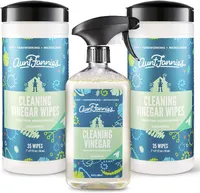
Aunt Fannie's Vinegar Cleaning Bundle | View at Amazon
Yola recommends brands like Aunt Fannie's for quality green cleaning products that are free from hidden chemicals. This scented vinegar starter kit is ideal for everyday messes.

Yola is a Holistic Nutritionist and Health Coach, offering her unique insights on various topics, from managing finances with a partner to selecting the best foods for skin and gut health. In her spare time, Yola collaborates with non-profits that support mental health initiatives for youth and teens.
3. Safer to Use
“In addition to improving your long-term health, using natural cleaning products is generally safer, allowing you to maintain hygiene without risking irritation to your skin and eyes from harsh chemicals,” says Shayne Jeramos, cleaning specialist at Bright Cleaners.
“There are numerous cleaning products that should never be mixed due to the potential for dangerous reactions. By switching to natural products, you can reduce concerns around cleaning,” Shayne adds. “They are also less likely to cause accidents, such as chemical burns or poisoning.”

Shayne Jeramos has worked as a cleaning specialist at Bright Cleaners for over two years and has extensive experience in residential and commercial cleaning services.
Disadvantages of Green Cleaning
Every method has its drawbacks. While green cleaning is gentle on your home and unlikely to harm your health, it can sometimes make cleaning take a bit longer. Here’s what experts want you to consider before discarding all your chemical cleaners:
1. More Effort for Similar Results
“Natural cleaners can be effective for most routine cleaning tasks, but achieving the same level of cleanliness may require a bit more effort,” warns Alessandro Gazzo, cleaning expert and founder of Emily’s Maids.
If you're using green cleaning to address tough cleaning challenges, like scrubbing an oven or cleaning glass shower doors to remove soap scum, be prepared to work harder due to the absence of harsh chemicals,” he explains.
“It’s challenging to create a product that is plant-based or mineral-based, safe to use, and also powerful enough for stubborn grime.”
2. Less Effective on Stains
Utilizing white vinegar in laundry is a well-known tactic for stain removal and reviving dingy whites, but it may not be the most effective approach for deep, set-in stains that can damage your clothing and upholstery, warns Ryan Knoll, cleaning expert. “While these methods can work for many cleaning tasks, green products may not always be as strong as chemical cleaners,” he explains.
For this reason, it may be wise to keep a commercial detergent or stain remover handy just in case.
3. Shorter Shelf Life
“When preparing your cleaning solutions, whether you're creating laundry detergent or a homemade window cleaner, you must consider their shorter shelf life,” advises Yola Robert, health coach. “These solutions should be stored in a cool, dry place to prolong their effectiveness due to the absence of preservatives.”
When making your own natural products, create smaller batches and use them or replace them every few weeks to avoid working with solutions that have lost their potency.
4. Variable Results
“When you make your own cleaners, the potency may vary depending on how precisely you measure your ingredients. Consequently, the effectiveness of your cleaners can fluctuate over time,” notes cleaning expert Ryan Knoll.
“Especially on surfaces like mirrors or chrome, the outcomes with eco-friendly products can be less consistent compared to chemical cleaners, potentially resulting in streaky finishes,” he clarifies. While this isn’t necessarily damaging, it underscores the importance of accurate measuring and weighing if you desire consistent results.
Frequently Asked Questions
What are the advantages and disadvantages of chemical cleaning?
Using chemicals for household cleaning is standard practice, and like any method, it has its pros and cons. On the plus side, commercial chemical cleaners are specifically designed to tackle common cleaning challenges, from removing tough grease in ovens to killing germs and eliminating toilet stains. They are typically easy to use and require minimal effort.
Conversely, chemical cleaners can be harsh on both your belongings and your health, potentially causing skin, eye, and respiratory irritation when not used correctly. Moreover, chemical contamination can lead to dangerous fumes. Therefore, it's essential to use chemical cleaners sparingly and as directed to prevent mishaps.
Is green cleaning sustainable?
Generally, using natural cleaning methods is more sustainable for your home. Not only do green cleaners reduce the number of chemicals released into the environment, but they often also minimize plastic usage by allowing you to reuse spray bottles or invest in natural commercial cleaners that emphasize recycled or recyclable packaging.
“It’s vital to understand that just because a commercial cleaning product is labeled ‘green’ doesn’t imply it’s free from harmful chemicals and additives,” cautions Yola Robert, health coach. “There has been significant greenwashing in the cleaning industry in recent years, where brands use misleading marketing terms to create the illusion of being non-toxic,” she explains.
Always check the ingredient list carefully before purchasing to avoid falling for greenwashing, or consider making your own DIY cleaning solutions instead.