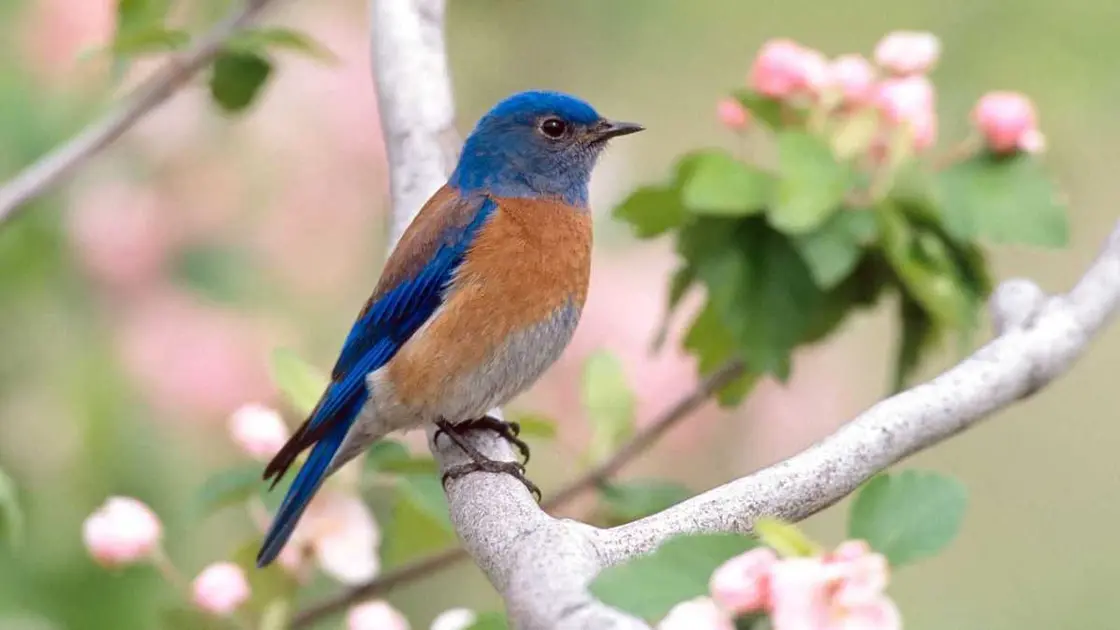
Bluebirds, with their vibrant colors and melodious songs, herald the arrival of spring across much of the northern U.S. Their captivating presence brings joy, making them a desirable addition to any yard.
In the U.S., there are three primary bluebird species: eastern (Sialia sialis), western (Sialia mexicana), and mountain (Sialia currucoides). Each species has specific needs, but similar strategies can help attract them and aid their survival.
Thanks to dedicated conservation efforts and homeowners implementing wildlife-friendly gardening, bluebird populations are rebounding from historical declines. However, there's still much to do to welcome these delightful birds into our lives.

Understanding Bluebirds in America
According to Holly Grant from the Cornell Lab of Ornithology, bluebirds are relatively easy to spot, yet their uncommonness makes each sighting special. Their population suffered greatly due to habitat destruction and competition from invasive species.
Efforts in the 1960s and 70s to install nesting boxes have significantly helped these birds recover by providing safe nesting spaces.

1. Set Up a Bluebird Nest Box
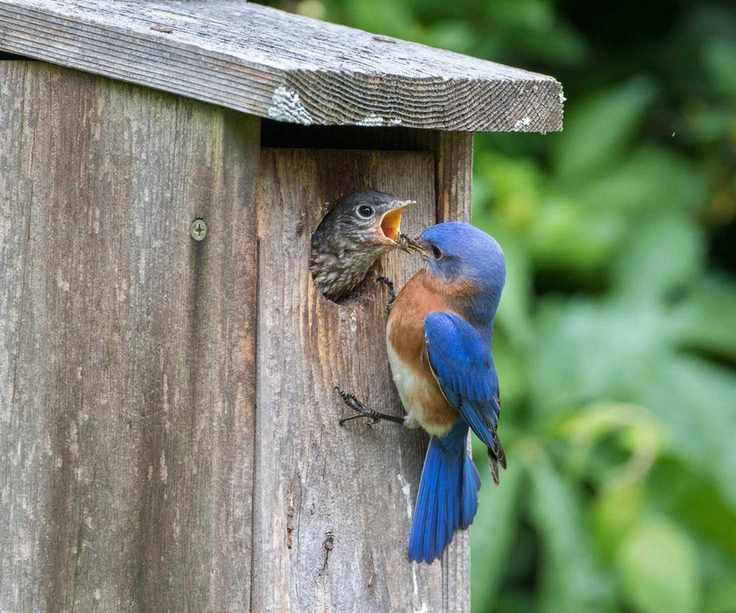
Attracting birds to your yard brings numerous benefits, and bluebirds particularly enjoy nesting in tree cavities made by larger birds. Due to habitat loss and competition, providing a nest box is essential.
This birdhouse from Ace Hardware is designed to attract eastern bluebirds due to its specific entrance size.
As a secondary cavity nester, bluebirds rely on existing tree cavities. Hence, installing a proper nest box is vital. The entrance hole size should be approximately 1.5 inches for Eastern Bluebirds to prevent larger species like House Sparrows from intruding.
Adding a metal entrance protector can help keep squirrels at bay. Ensure to clean the nest boxes before each new nesting season.

2. Ensure Nest Box Safety

The ideal birdhouse keeps bluebirds safe from predators. Select or construct one that minimizes access for other species. The design may vary depending on local conditions.
Plans from Cornell Nest Watch suggest a tall oval entrance that deters House Sparrows, which is effective in areas where they are common. If House Sparrows are not prevalent, a standard 1.5” round hole may suffice.
Using untreated wood for the birdhouses is recommended. Features like a slanted roof for rain runoff and ventilation holes for hotter climates are beneficial.
To ward off predators, consider adding baffles or guards. This baffle from Ace Hardware is effective against various predators.
3. Choose the Right Nest Box Location

Proper placement and installation timing of your nest box can determine if bluebirds will occupy it immediately or wait until the next season. Ideally, install boxes in the fall to allow birds to acclimate.
Holly notes that early installation not only facilitates easier digging but also gives birds a chance to explore before nesting. Nest boxes can also provide winter roosting spots.
If you choose to install in spring, Nest Watch provides guidance for pole installations, which can enhance safety.
Nesting seasons vary: Eastern Bluebirds begin as early as late February in southern regions, while Mountain Bluebirds start in early April.
4. Plant Bluebirds' Favorite Flora
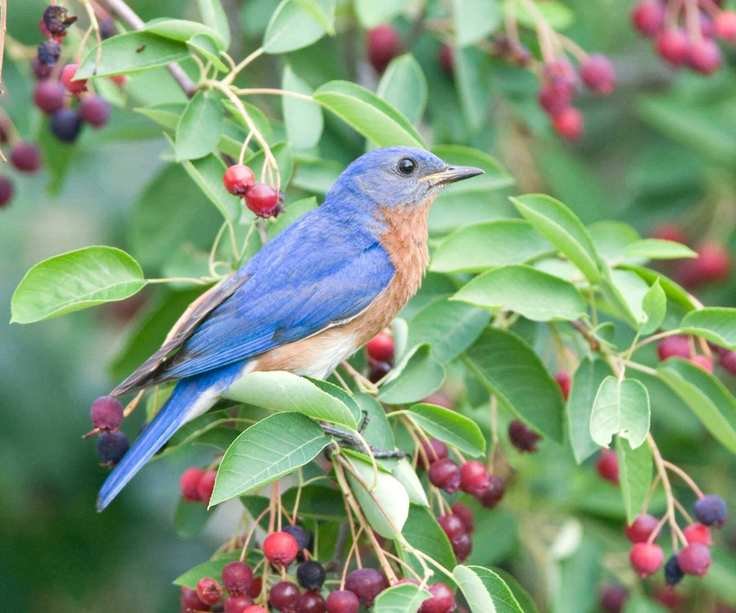
In spring and summer, bluebirds feast on insects and switch to fruits in fall. Planting native plants and trees can attract them to your yard.
Bluebirds prefer open areas with scattered trees or shrubs for perching. Native species like oaks and cherries support insects that bluebirds depend on.
During nesting, bluebirds primarily feed their chicks insects for growth. They shift their diet to fruits as insects become less available, so native plants that provide both are ideal.
Common bluebird foods include caterpillars, crickets, and various fruits like blueberries and dogwood berries. This white flowering dogwood from Fast Growing Trees attracts pollinators and is native to the eastern U.S.
5. Provide Fresh Water
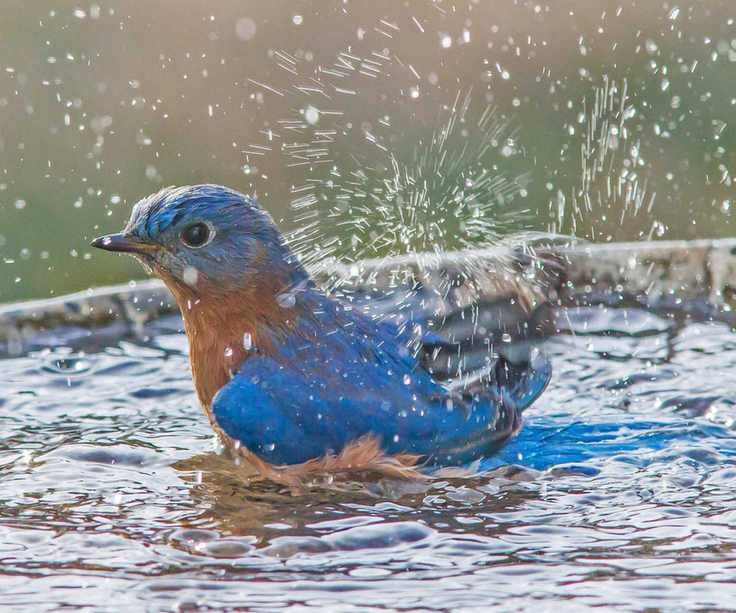
Bluebirds require clean plumage and fresh water to thrive. Installing a bird bath can encourage these beautiful birds to visit your yard.
This solar bird bath fountain from Amazon attracts bluebirds with its moving water, providing a low-cost solution.
Bird baths should be shallow, around 1-2 inches deep, elevated, and placed near trees for cover. Clean them regularly to prevent disease and change the water daily, especially in summer.
This green resin bird bath from Lowe's offers the moving water bluebirds appreciate.
6. Utilize a Feeder
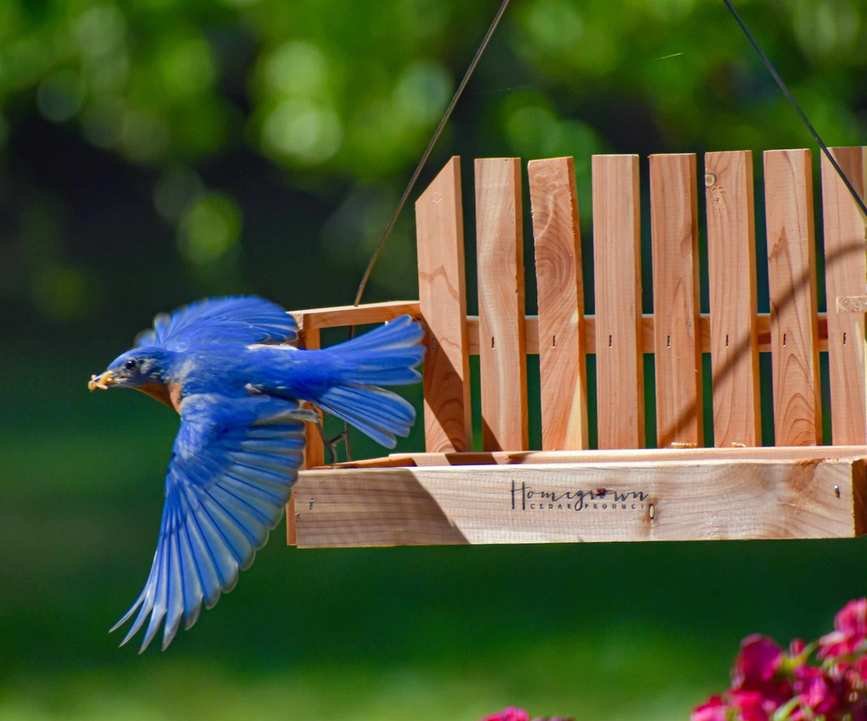
Feeding bluebirds can be effective, especially when natural food is scarce. If space for planting is limited, a feeder can help, but fill it with appropriate bluebird food.
Bluebirds enjoy mealworms, shelled sunflower seeds, and suet nuggets, in addition to their natural diet. This hanging bluebird feeder from Lowe's features a squirrel guard and is easy to refill and clean.
Bluebirds are recovering, but ongoing climate changes still pose risks. Supporting these birds can be a rewarding experience for families, fostering a connection with nature.
Creating habitats for bluebirds enhances both your yard and the environment. Engaging with their nesting process can be especially impactful for children.
If you're interested in deeper conservation efforts, consider joining NestWatch. Participants can monitor bluebird nests regularly, contributing valuable data that supports researchers in tracking nesting success.