

Adding a statement tree can elevate your garden's aesthetic, introducing height, seasonal color, and a captivating focal point. These trees complement shrubs and perennials, creating habitats for wildlife.
Choosing the right tree for your garden can be challenging due to the vast range of stunning options available. If you're after a low-maintenance addition that enhances your yard's value, you'll find plenty of choices.
Consider climate, space, soil type, and sunlight when selecting a tree. Each variety offers unique visual and practical benefits, from interesting leaf shapes and colors to stunning bark textures and seasonal blooms. The overall shape also matters, as you can choose from elegant, tall cypress to multi-stemmed birches and weeping trees.
Need some inspiration? Here are exceptional tree recommendations from top horticultural experts, catering to diverse garden styles.
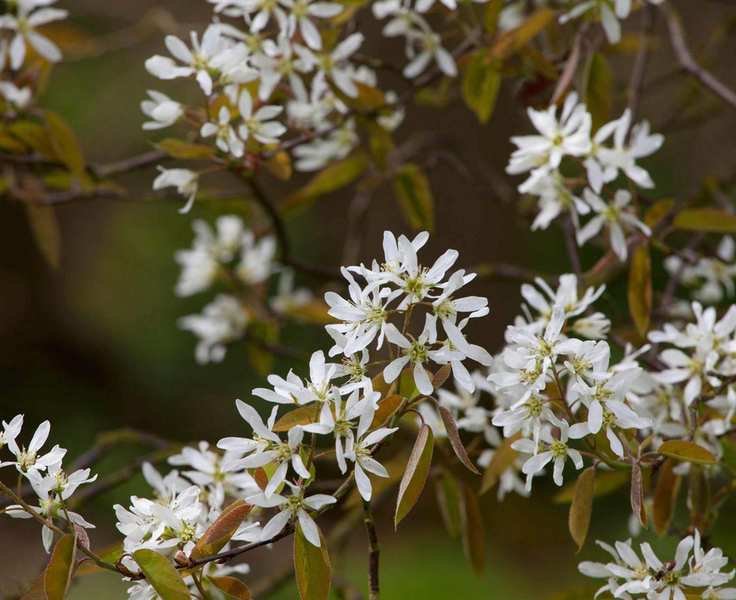
Choosing a Statement Tree
Finding a striking tree for your yard might seem daunting, but starting with the choice between evergreen and deciduous trees can simplify the process. While evergreens like holly and yew provide privacy and year-round structure, they often need regular pruning and can cast significant shade.
On the other hand, deciduous trees shine with their seasonal transformations, offering vibrant buds, flowers, fruits, and autumn foliage. However, they can create debris, leading to potential slip hazards.
Continue reading to discover the varieties our plant experts adore.
Western Redbud (Cercis occidentalis)

This small yet captivating tree provides year-round interest and can thrive in larger containers. It's stunning in lawns or as a multi-stemmed feature in borders.
In spring, vibrant magenta flowers bloom against smooth, silvery-gray bark. These develop into long, purple-brown seed pods in summer, adding to the tree's charm.
Heart-shaped leaves emerge in bright green, maturing to darker hues before transitioning to gold and claret in fall, creating a colorful carpet below. Wildlife, including birds and insects, love this tree.
Landscape designer Lisa Howard notes: 'Cercis occidentalis provides a beautiful burst of color in spring, attracting many pollinators.'
Vine Maple (Acer circinatum)
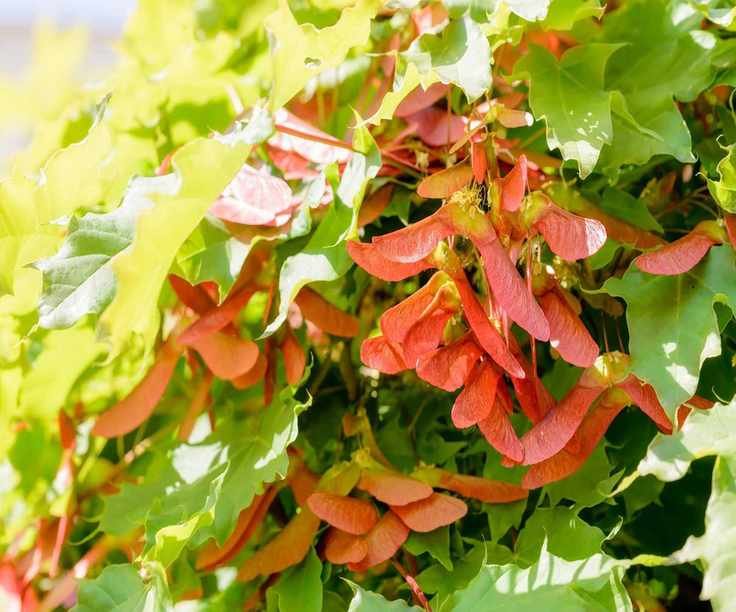
This attractive small tree, often multi-stemmed, showcases striking apple green leaves in spring that turn fiery yellow and crimson in fall, accompanied by delicate spring blooms.
Thriving in heavy clay and other soils, this elegant tree flourishes in full sun to partial shade, reaching up to 30ft tall and wide, making it a stunning patio feature.
'Acer circinatum offers beautiful fall colors and a lovely branching structure, making it a fantastic understory tree,' explains Lisa Howard.
Valley Oak (Quercus lobata)

This majestic oak thrives in spacious gardens, rapidly growing to about 20ft in just five years, ultimately reaching 100ft. These California natives are robust and thrive in USDA Zone 7.
The deep, textured bark matures beautifully, while the distinct lobed leaves change from green to golden hues in fall, adding character throughout the year.
'The Valley Oak adds grandeur to any garden and can live for centuries,' notes Lisa Howard. 'Its acorns attract various wildlife, including blue jays and squirrels.'

Shore Pine 'Chief Joseph' (Pinus contorta)
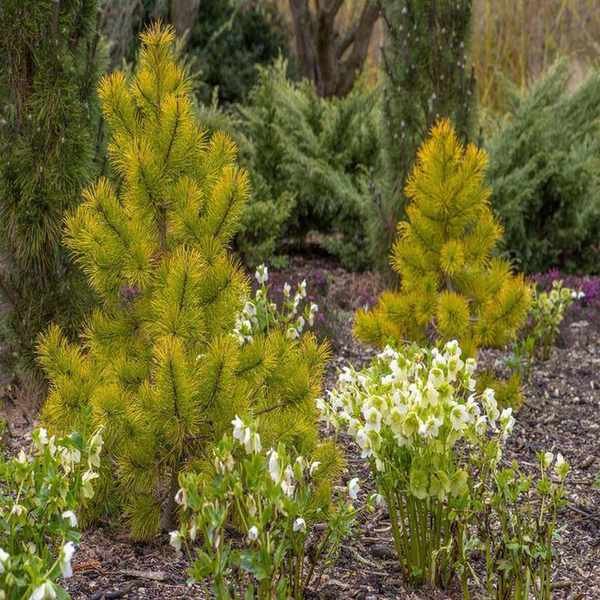
This evergreen is a garden favorite, boasting a conical shape and slow growth, reaching around 20ft tall. It thrives in pots or as a standout plant in your yard.
With unique fall and winter colors, these pines transition from rich green to a bright golden hue during colder months, making them a lovely backdrop for other plants.
Amelanchier x lamarckii
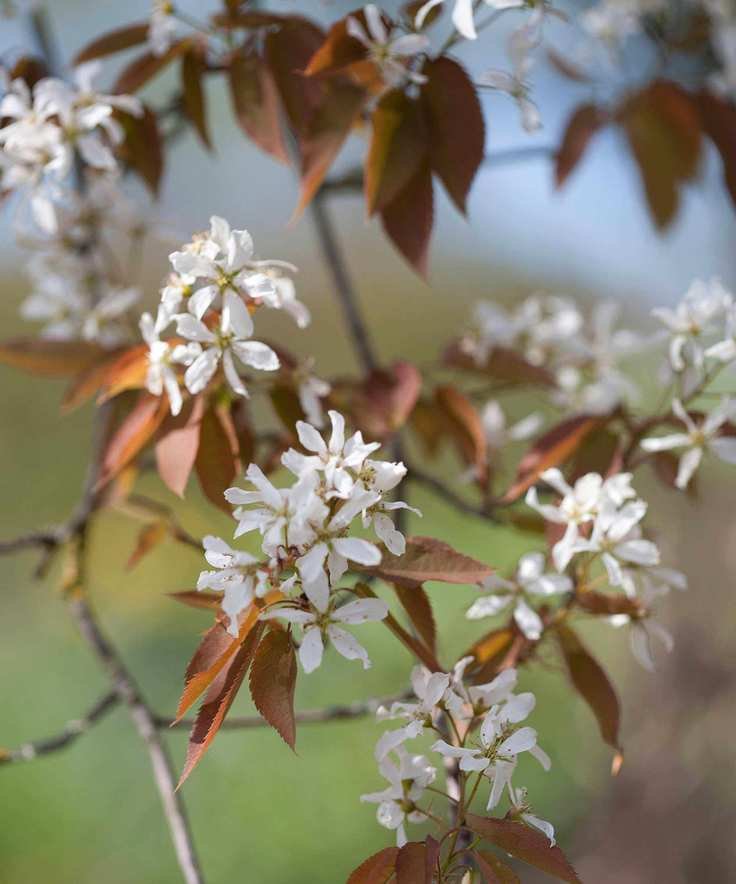
This stunning Juneberry tree is perfect for every season, ideally placed where it can be appreciated from indoors and outdoors alike.
Resilient to various soil types, it flourishes in clay, reaching heights of 15-25ft. Its spring foliage is bronze-tinted, turning vibrant colors in the fall.
Covered in star-shaped white flowers in spring, it produces dark red fruits loved by birds.
Tulip Poplar (Liriodendron tulipifera)
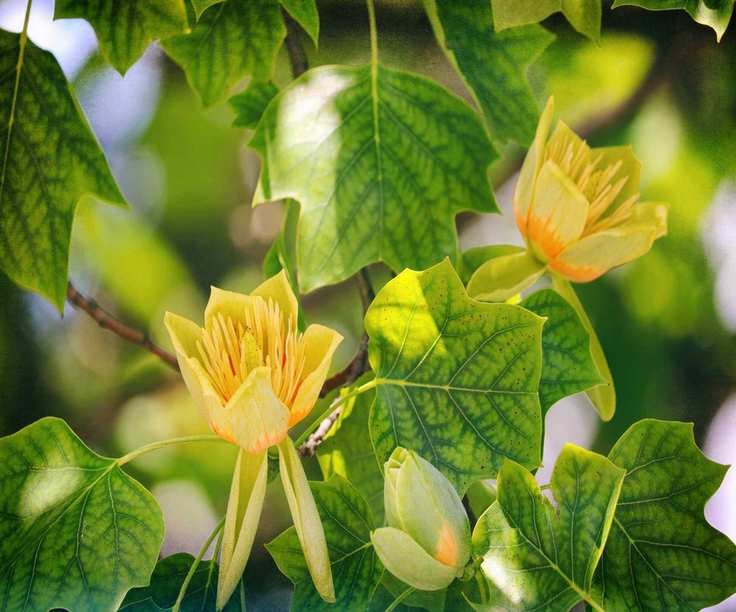
This fast-growing tree features large, uniquely shaped leaves and eye-catching blooms, making it a standout.
'Its vibrant leaves complement pastel flowers that fill the canopy in a single day,' says expert Ben Hilton.
Thriving in well-drained soil, this tulip poplar should be placed away from strong winds and structures due to its mature size of 70ft x 50ft.
Acer Red Dragon (Acer palmatum 'Red Dragon')
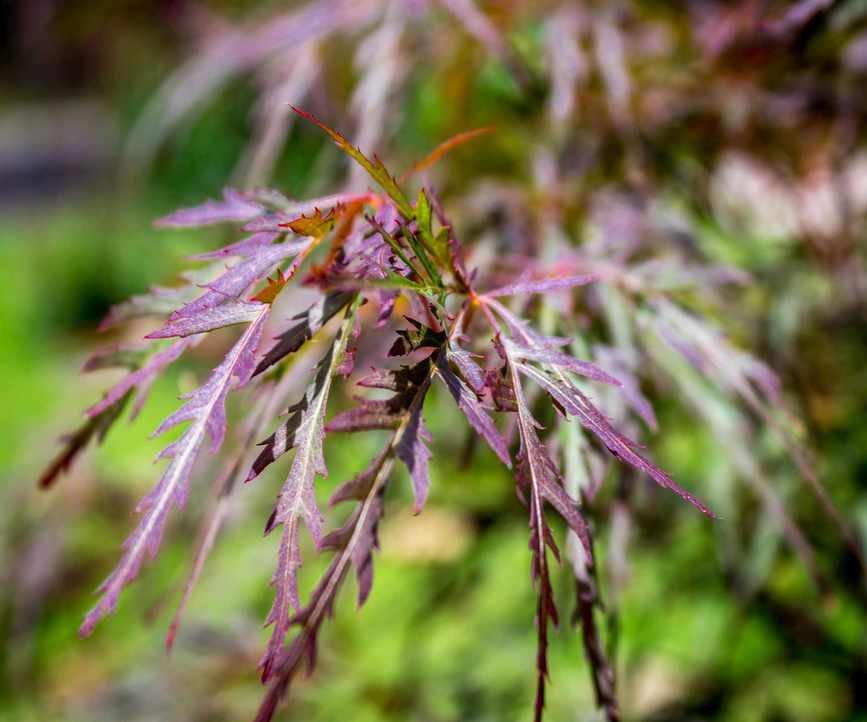
This eye-catching acer features cascading scarlet leaves in spring and fall, shifting to deep burgundy in summer, with small purple flowers turning into winged fruits.
This popular Japanese maple variety reaches 12ft tall and wide. It's ideal for containers and needs protection from direct sunlight to maintain its leaves.
Ben Hilton advises, 'Water new acers well until established, and apply balanced fertilizer as needed. Prune only for shape.'

Twilight Crape Myrtle (Lagerstroemia indica 'Twilight')

This multi-stemmed tree shines with lavender blooms throughout summer, attracting butterflies and hummingbirds.
Fresh growth emerges bronze, turning dark green and eventually fading to vibrant copper and gold.
Its peeling bark adds to its appeal, and with a height of up to 25ft, it thrives in USDA zones 7-10. Prune in winter or early spring for optimal blooms.
Japanese Holly (Ilex crenata)
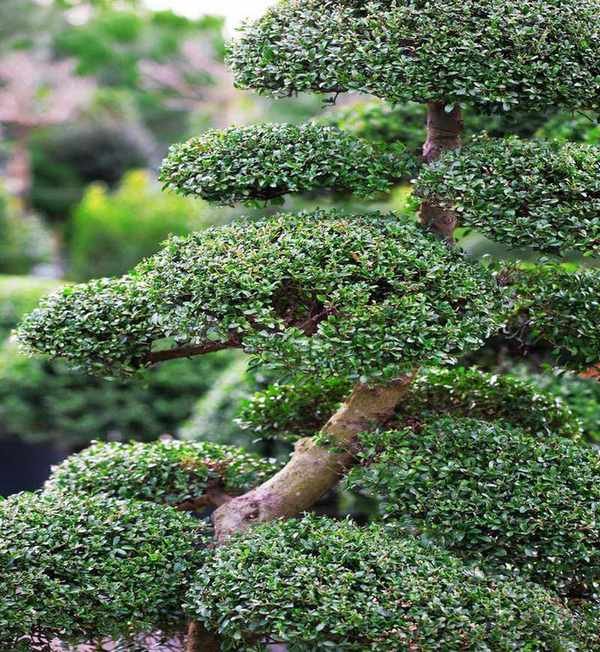
For striking drama and structure, consider cloud-pruned Japanese Holly. This evergreen shrub can grow 10-16ft, featuring glossy green leaves ideal for creative shaping.
Slow-growing, it produces tiny white flowers followed by glossy black berries, with lime-green new growth contrasting beautifully with older foliage.
Golden Indian Bean Tree (Catalpa Bignonioides Aurea)

This tree captivates with its large leaves and domed shape, making it a standout choice for any garden.
Though it takes time to grow, it can reach 16ft, and its unique white, orchid-like blooms develop into long pods that add winter interest.
Best in sunny spots, it may require shelter from strong winds, though its leaves can handle bright sunlight without damage.
Olive Tree (Olea europaea 'Wilsonii')

Nothing evokes Mediterranean charm like an olive tree, with its gnarled trunk and silvery leaves creating a stunning focal point in any setting.
Thriving in drought and sunny conditions, these trees grow 15-20ft in USDA zones 8-11. They are low maintenance and come in various varieties, including the fruitless 'Wilsonii', perfect for allergy sufferers.
These trees provide shade and withstand coastal conditions, making them a resilient choice.
Italian Cypress (Cupressus sempervirens)
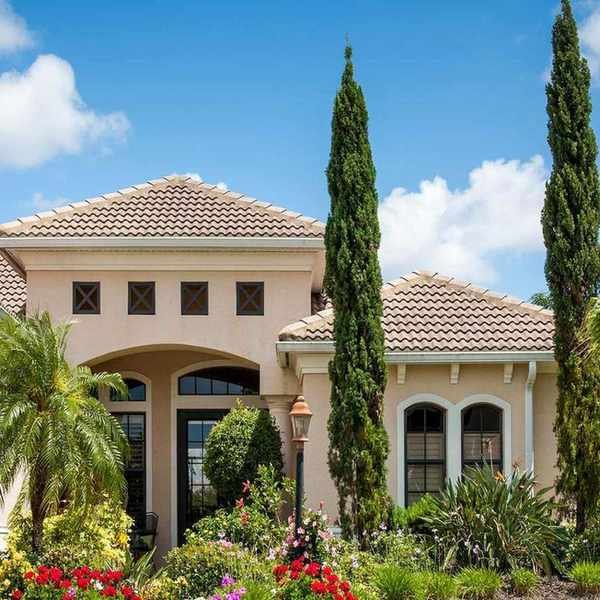
Recognizable in Europe's grand gardens, the Italian cypress exudes elegance and timelessness.
This upright evergreen thrives in dry conditions and requires little care, making it a favorite among landscape designers. Typically planted in rows, they grow rapidly, reaching 40-60ft tall.
FAQs
Which statement trees are ideal for small patio gardens?
Opt for compact trees with non-invasive roots. Consider dwarf fruit trees like crabapples or citrus varieties like lemons and oranges, which can thrive in pots.
What is the most beautiful evergreen tree?
While opinions vary, many designers favor Magnolia grandiflora for its grandeur, beauty, and fragrance.
Lindsey Hyland from Urban Organic Yield praises it, stating: 'Magnolia grandiflora is an impressive plant with broad, glossy leaves and stunning blooms in spring.'
Inspired by these stunning tree options? There are many ways to incorporate a statement tree into your garden, regardless of space. Explore espalier trees or consider fast-growing varieties for a quick height boost.



